
Eden Project: Plants and Environmental Protection
Year 6 Science 60-minute lesson Exploring plants, colours, and environmental conservation

What is the Eden Project?
World-leading ecological destination in Cornwall Conserves plants from all over the world Promotes sustainability and environmental education Features massive biodomes with different climates
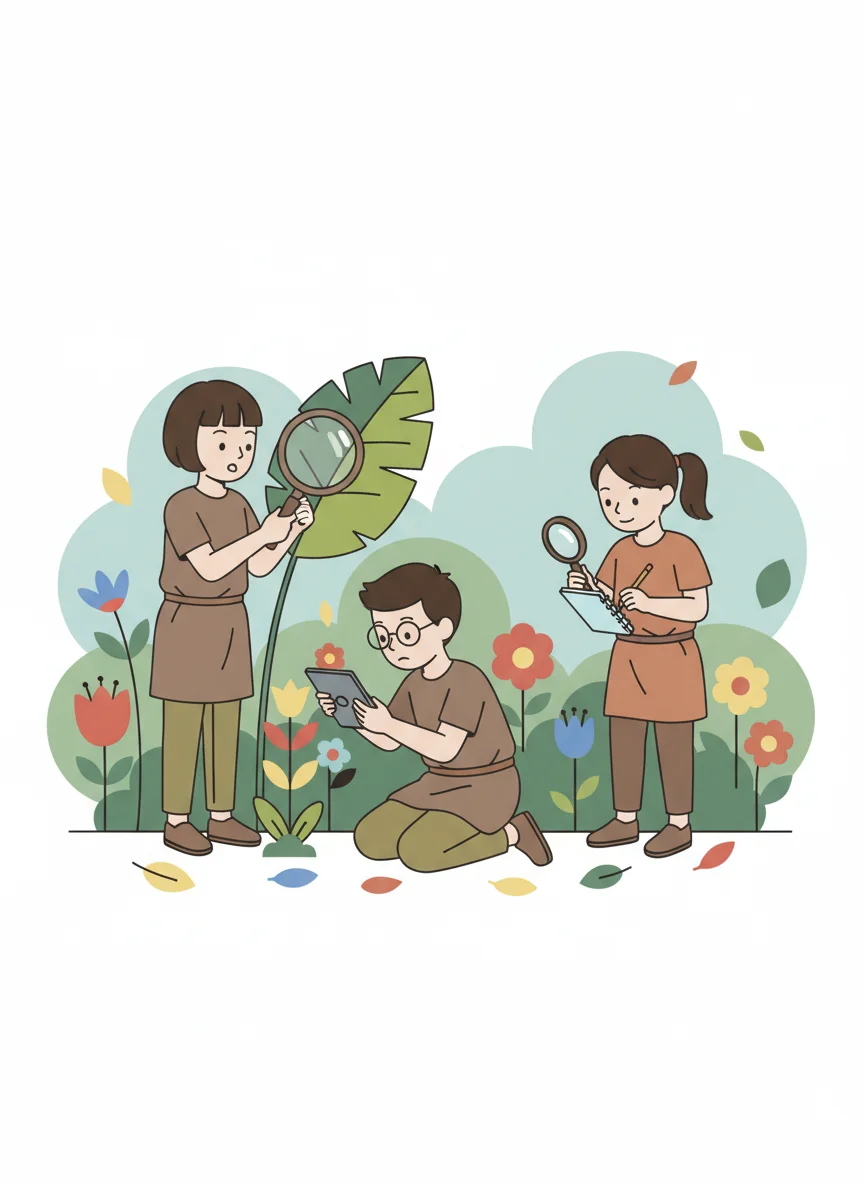
Learning Intentions
Understand what the Eden Project is and its environmental role Discover how plant colours support biodiversity Develop observation and photography skills Reflect on environmental protection and personal responsibility
Success Criteria Check
I can explain what the Eden Project is and why it's important I can identify how plant colours attract insects like bees I can work well in a group to take photos and complete worksheets I can describe why the natural parts I observed are important to our environment
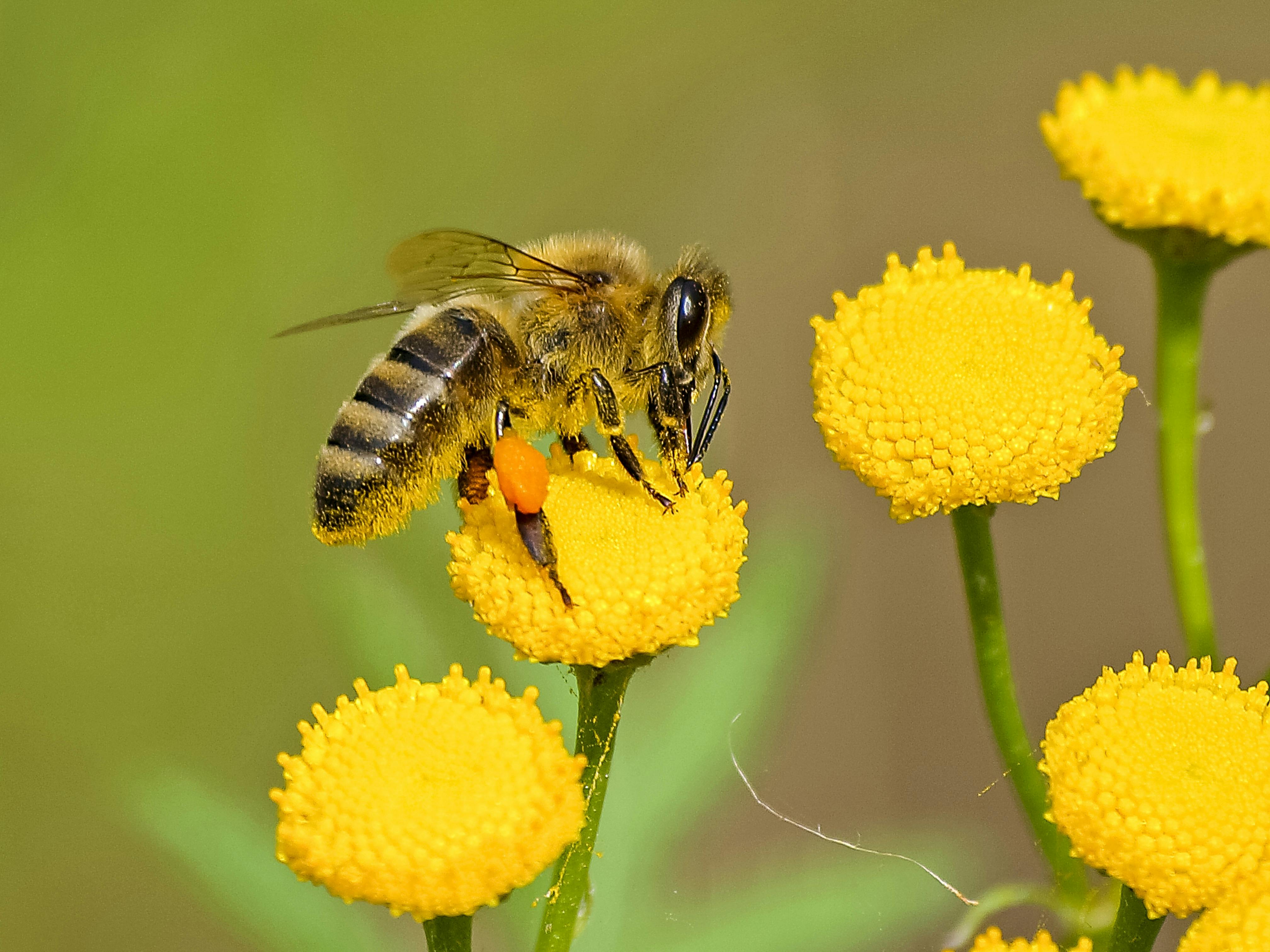
Why Do Plants Have Different Colours?
Bright colours attract pollinators like bees and butterflies Different colours appeal to different types of insects Red flowers often attract birds Yellow and blue are bee favourites Colours help plants reproduce and survive

Plant Colours and Their Pollinators
{"left":"Yellow flowers attract bees and hover flies\nBlue and purple flowers are bee magnets\nRed flowers often attract birds and butterflies","right":"White flowers attract night-flying moths\nOrange flowers appeal to butterflies\nGreen flowers rely on wind pollination"}
Think and Discuss
Why do you think it's important to protect plants and their colours? What might happen if we lost certain coloured flowers from our environment?
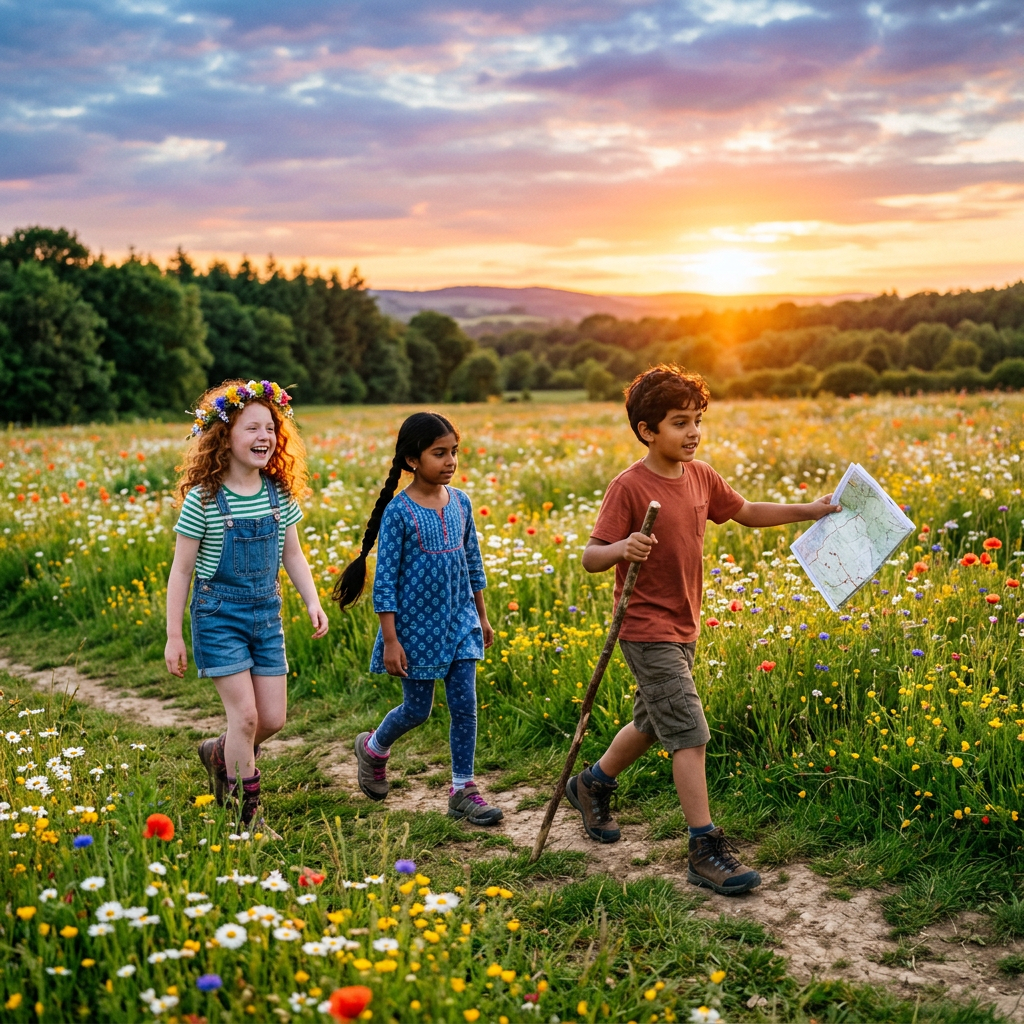
Outdoor Photography Mission
Work in groups with iPads Take 4 close-up photos of different natural elements Focus on leaves, petals, bark, or stems Notice colours, textures, and patterns Think about how each part helps the plant survive
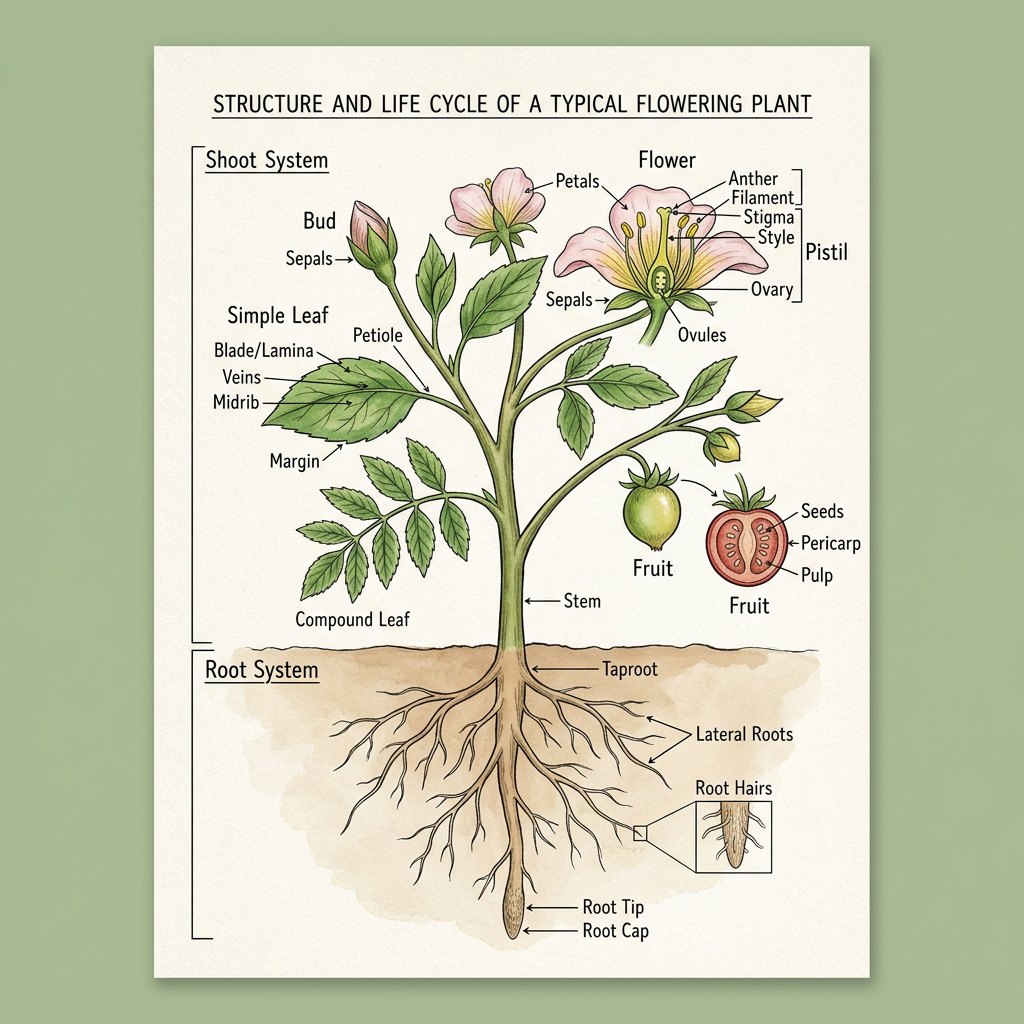
What to Look For
Leaf shapes and colours - why might they be that way? Flower petals - what colours attract which insects? Bark patterns - how do they protect the tree? Stems - how do they support the plant? Seeds or fruits - how do they help plants spread?

Reflection Worksheet
Use your photos to answer questions about plant colours and survival Discuss findings with your group before writing Think about connections between plants and animals Consider how you can help protect these environments
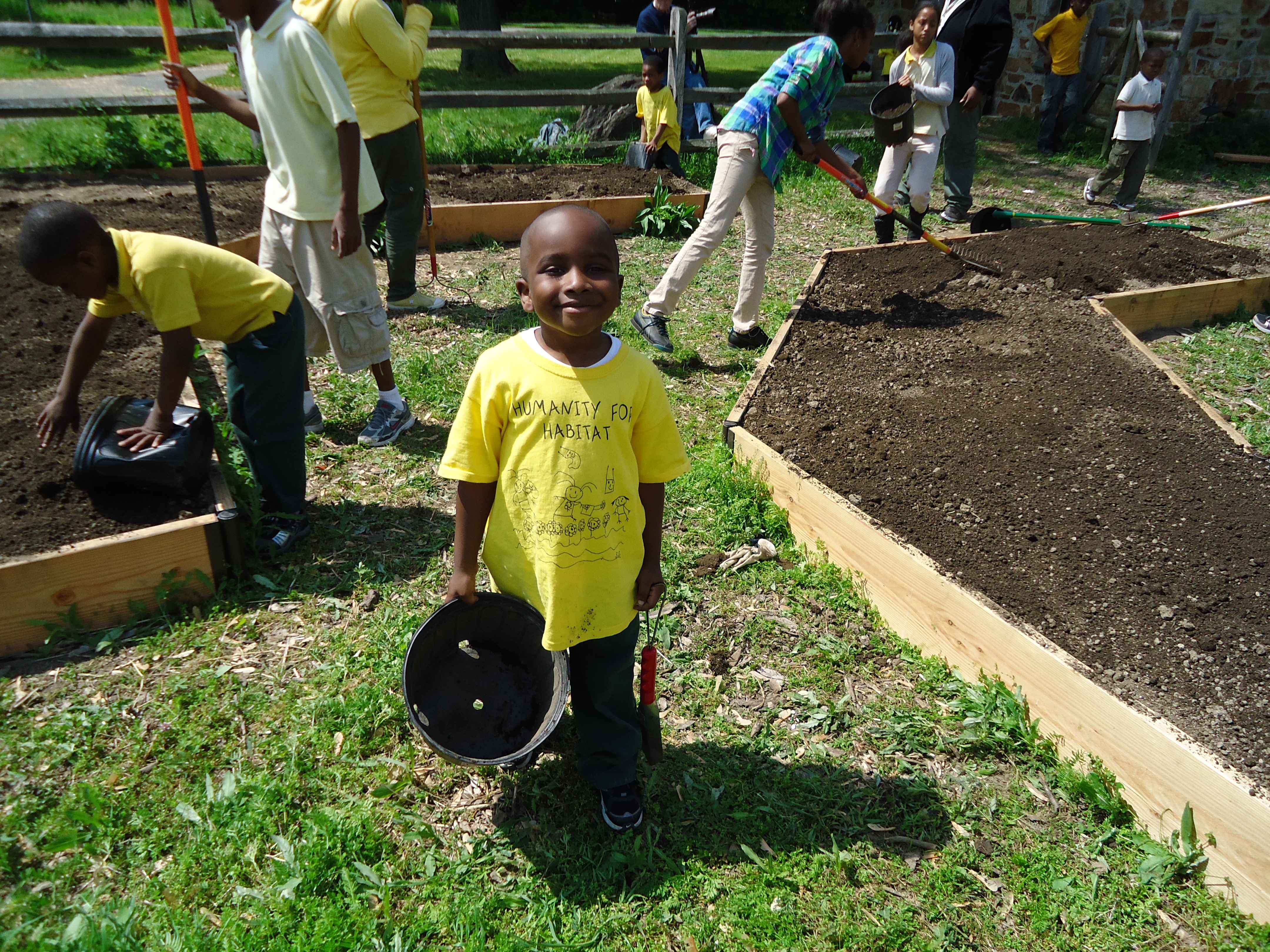
How Can We Protect Plant Environments?
Create wildlife-friendly gardens with diverse plants Avoid using harmful chemicals that hurt pollinators Support conservation projects like the Eden Project Learn about and respect local ecosystems Share knowledge with family and friends
Remember This
Every plant colour tells a story of survival and partnership with nature. By protecting plants and their colours, we protect the amazing web of life that depends on them.