Destructive Plate Margins: Earthquakes and Volcanoes
Year 9 Geography Understanding Tectonic Hazards 50-minute lesson

What do you already know about plate tectonics?
Think about: Types of plate boundaries What causes earthquakes? Where do volcanoes occur?
What is a Destructive Plate Margin?
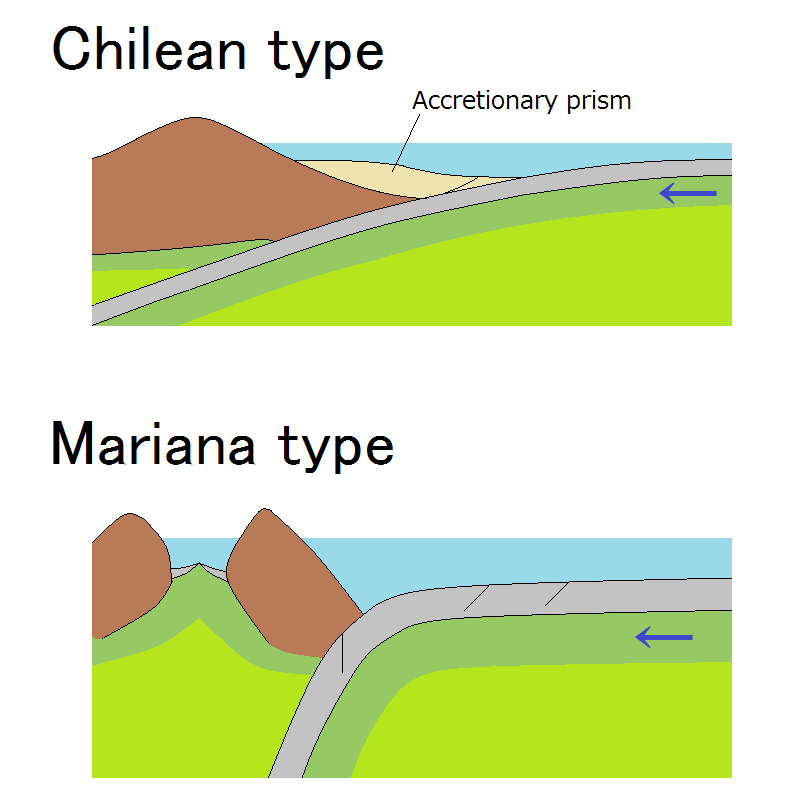
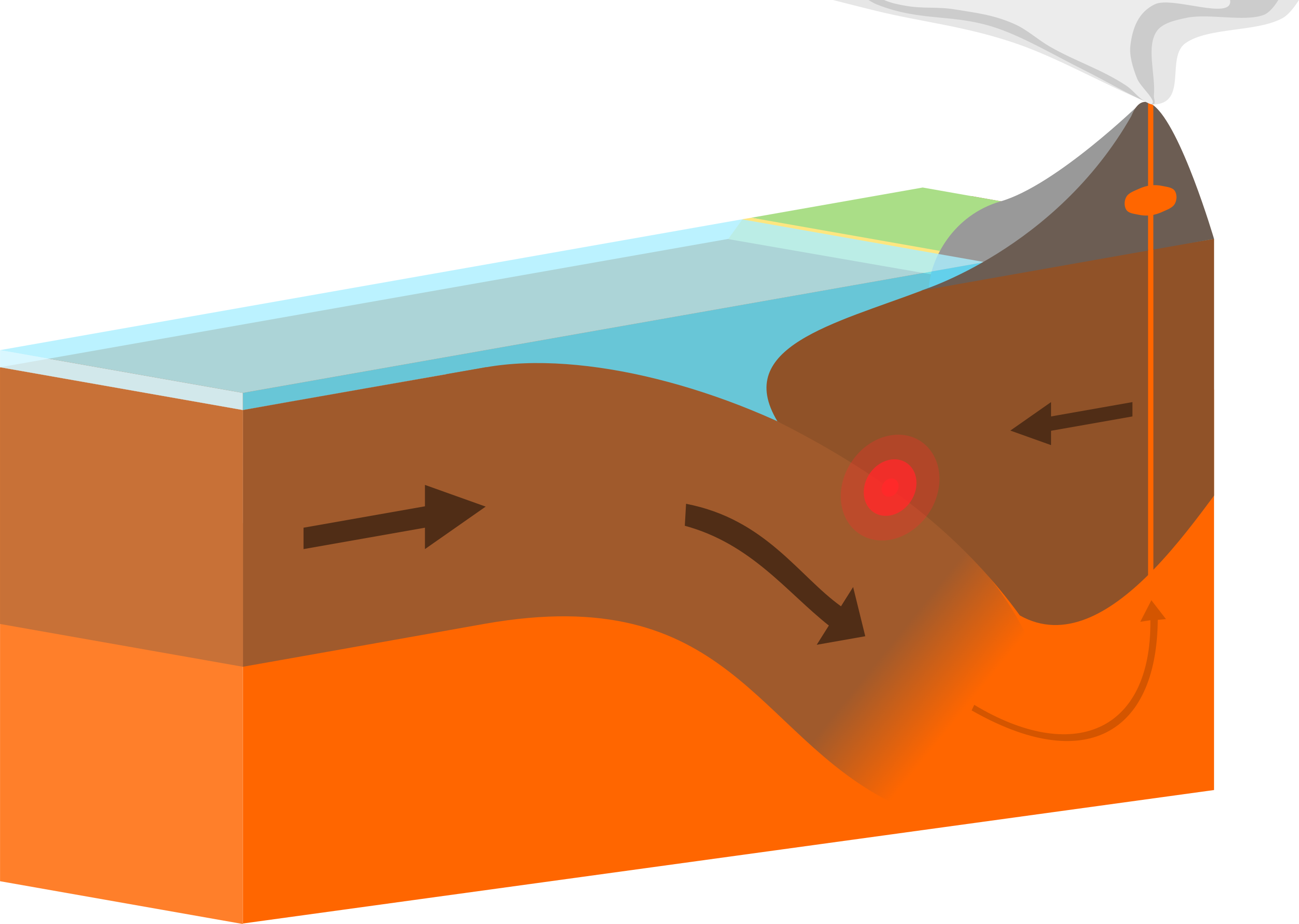
Also called a convergent boundary Two plates move towards each other Denser oceanic plate sinks below continental plate Process called subduction Creates subduction zones
The Subduction Process
How Destructive Margins Cause Natural Hazards
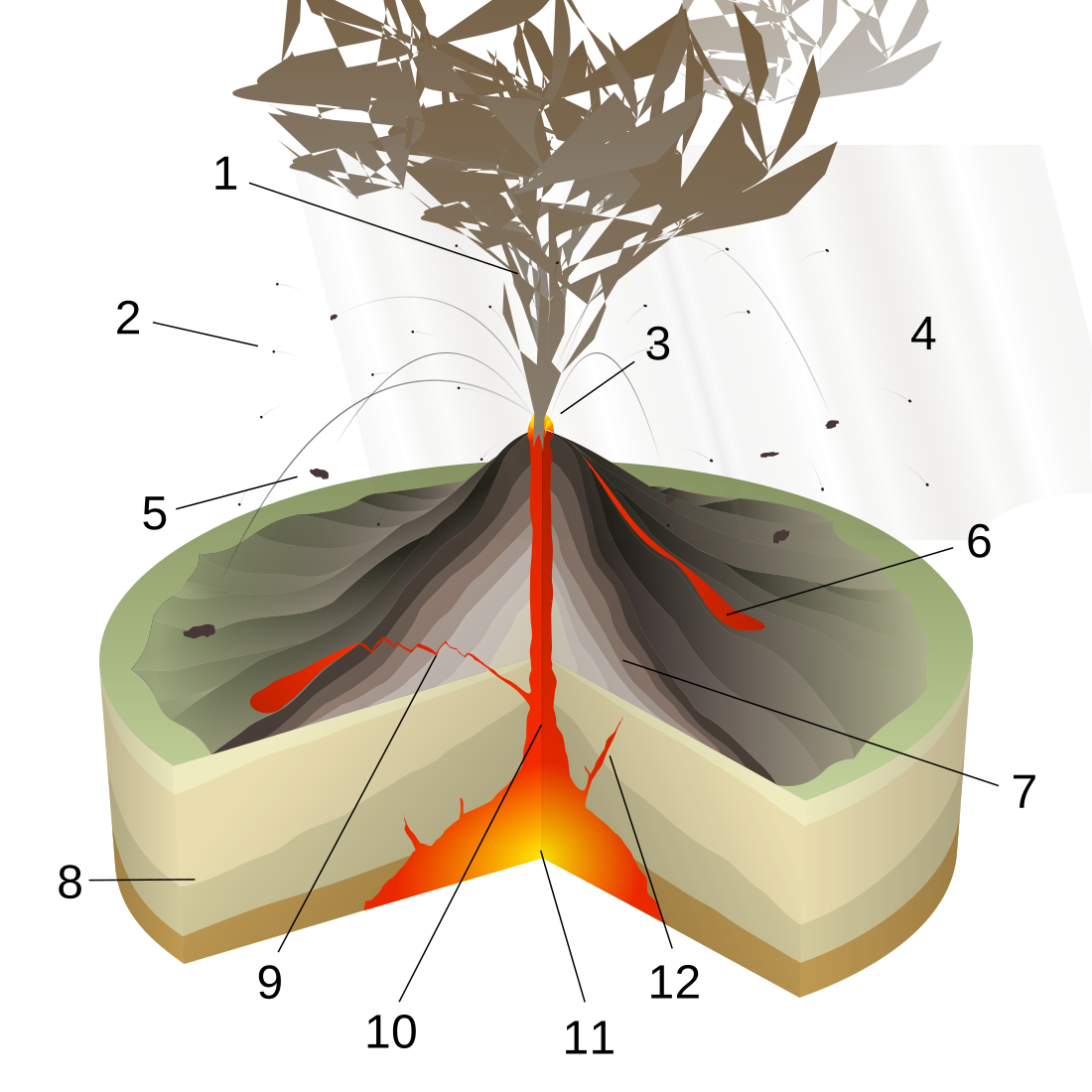
{"left":"Earthquakes: Friction between plates creates stress and sudden release of energy\nVolcanoes: Subducting plate melts, creating magma that rises to surface\nDeep ocean trenches form where plates meet","right":"Mountain ranges build up from volcanic activity\nTsunami risk from underwater earthquakes\nExplosive volcanic eruptions from gas-rich magma"}

Model Making Activity
Use plasticine to create your own destructive plate margin Show oceanic and continental plates Demonstrate subduction process Add volcano and earthquake focus Work in pairs - 15 minutes

Real-World Examples
2010 Haiti Earthquake - magnitude 7.0 Caused by Caribbean and North American plates Mount St. Helens 1980 - explosive eruption Juan de Fuca plate subducting under North American plate Both show destructive margin processes

Key Learning Summary
Destructive plate margins occur where oceanic plates subduct beneath continental plates, creating friction that causes earthquakes and melting that produces explosive volcanoes.