
Crafting Powerful Speeches: Techniques and Delivery
Year 11 English Understanding what makes speeches effective Language techniques and delivery methods

Learning Objectives
Identify key language techniques in famous speeches Understand how delivery affects speech impact Apply rhetorical devices in your own writing Evaluate the effectiveness of different speech styles
What Makes a Speech Memorable?
Think about a speech you remember... What made it stick in your mind? Was it the words, the speaker, or something else?

The Power of Rhetorical Questions
Engages the audience directly Makes listeners think and reflect Creates dramatic effect Example: 'Have you ever wondered what your future holds?'

Repetition: The Memory Maker
{"left":"Creates rhythm and emphasis\nMakes key messages stick\nBuilds emotional intensity","right":"Martin Luther King: 'I have a dream'\nChurchill: 'We shall fight'\nObama: 'Yes we can'"}
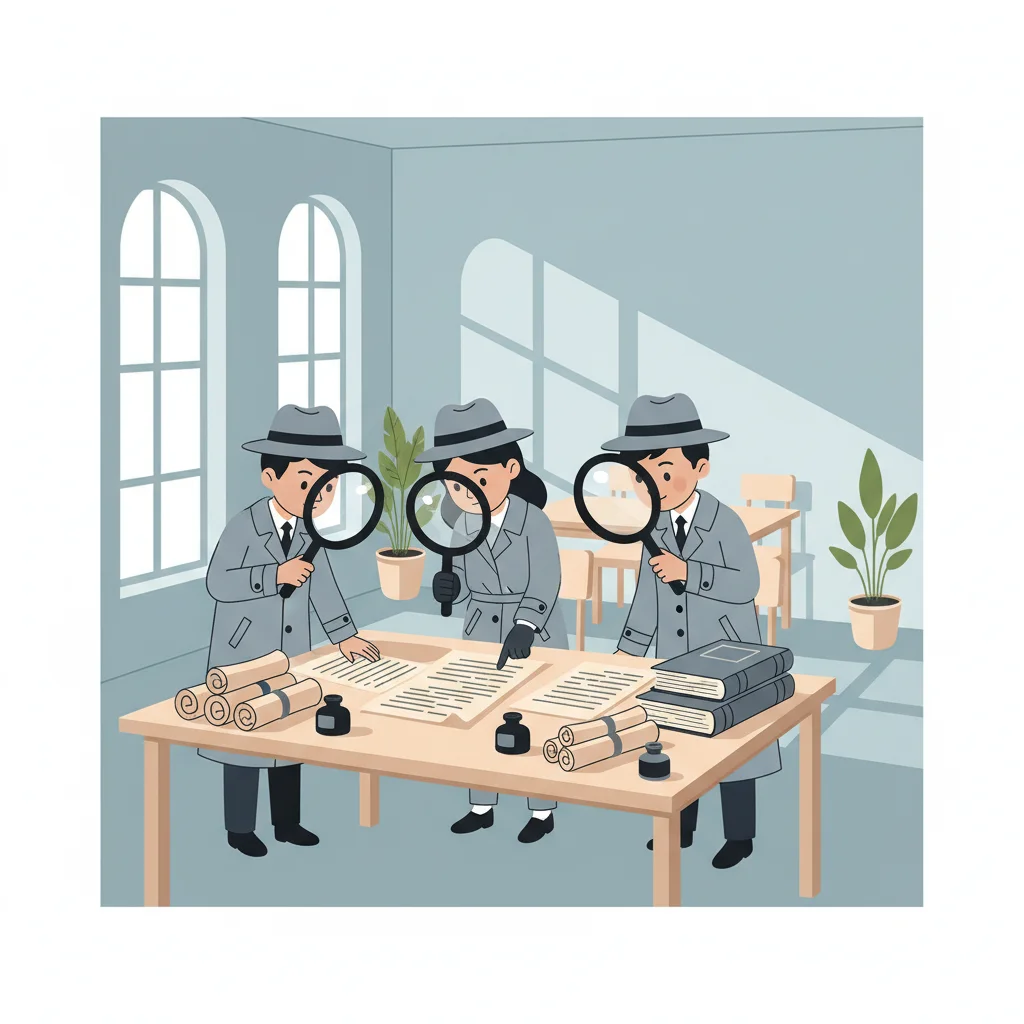
Spot the Technique Challenge
Read the speech extract provided Identify: rhetorical questions, repetition, emotive language Work in pairs to find at least 3 examples Be ready to explain why each technique is effective

Emotive Language: Touching Hearts
Appeals to feelings and emotions Uses powerful adjectives and imagery Creates connection with audience Examples: 'devastating', 'triumph', 'heartbreaking', 'inspiring'
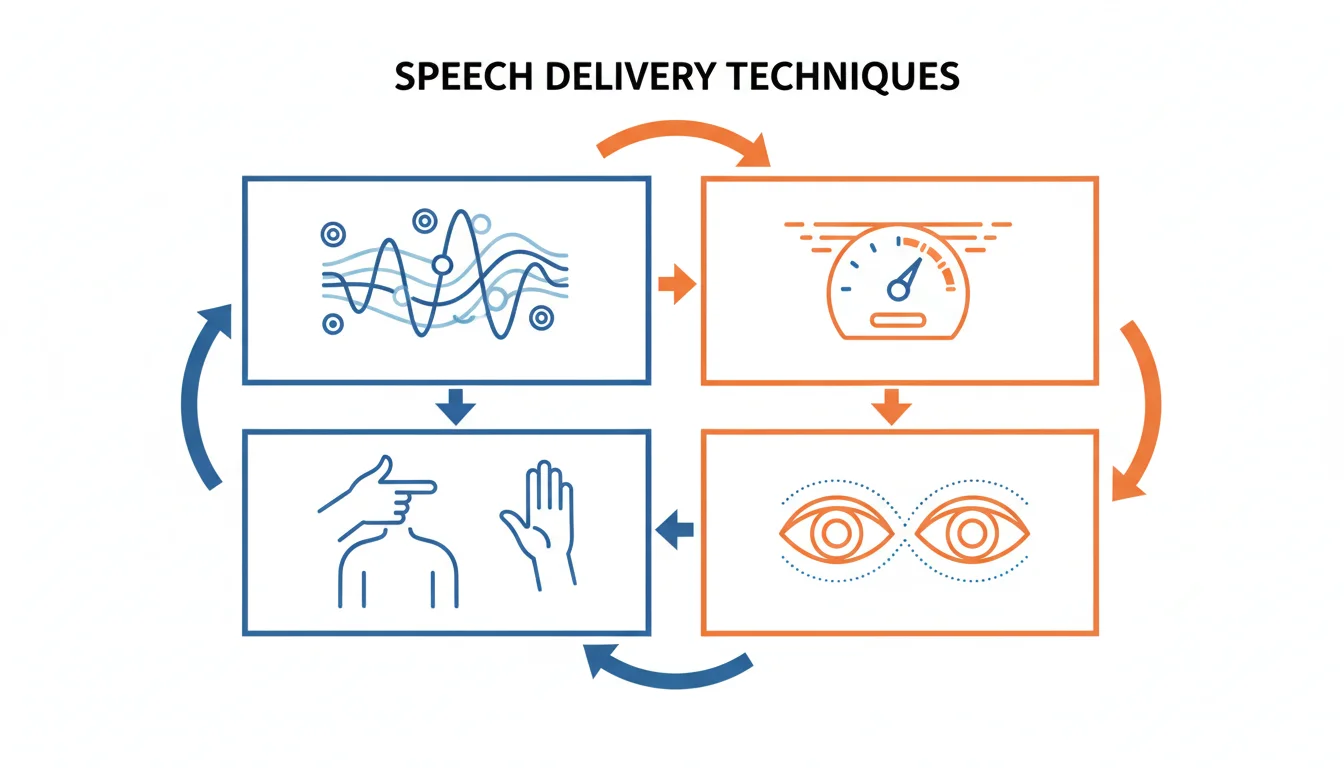
Delivery Techniques That Transform Speeches
Practice Makes Perfect
'The human brain starts working the moment you are born and never stops until you stand up to speak in public.' - George Jessel
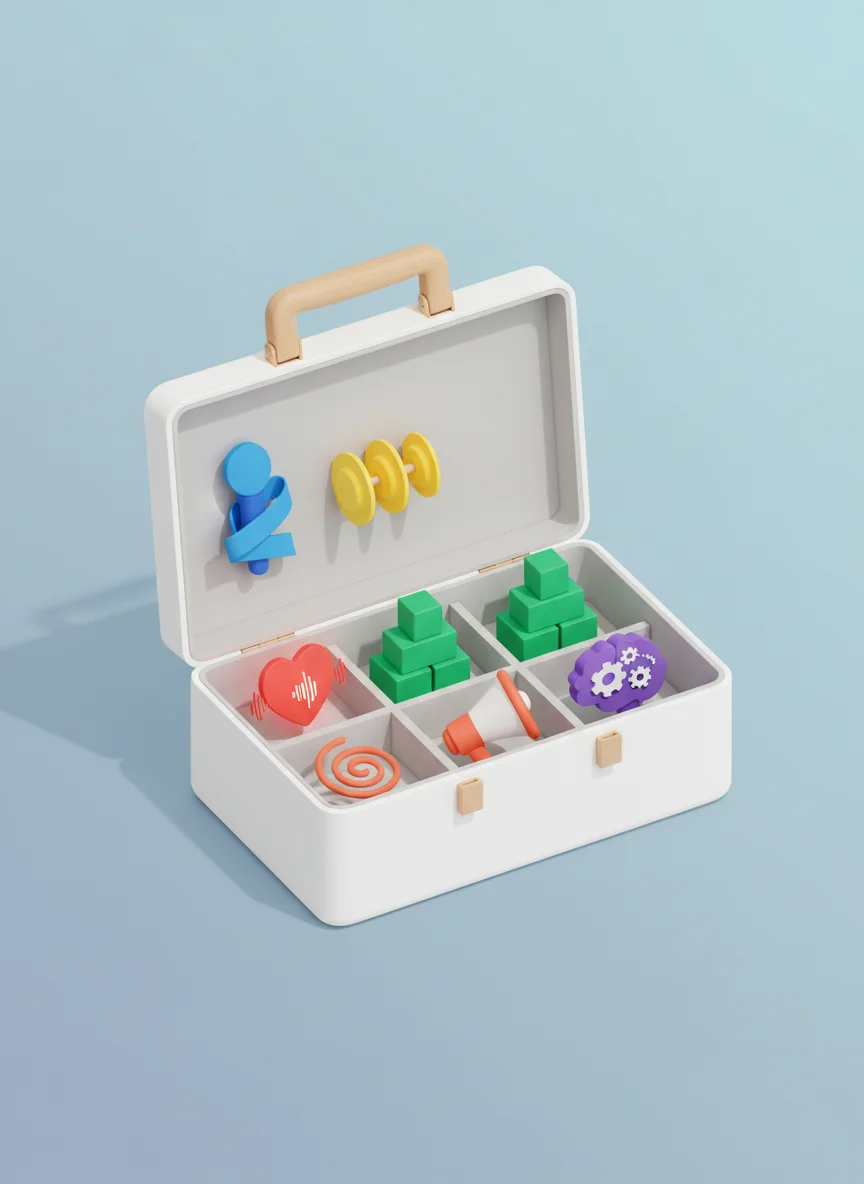
Your Speech Success Toolkit
Language techniques: rhetorical questions, repetition, emotive language Delivery methods: tone, pace, body language, eye contact Remember: practice builds confidence Next lesson: applying these in your own speeches