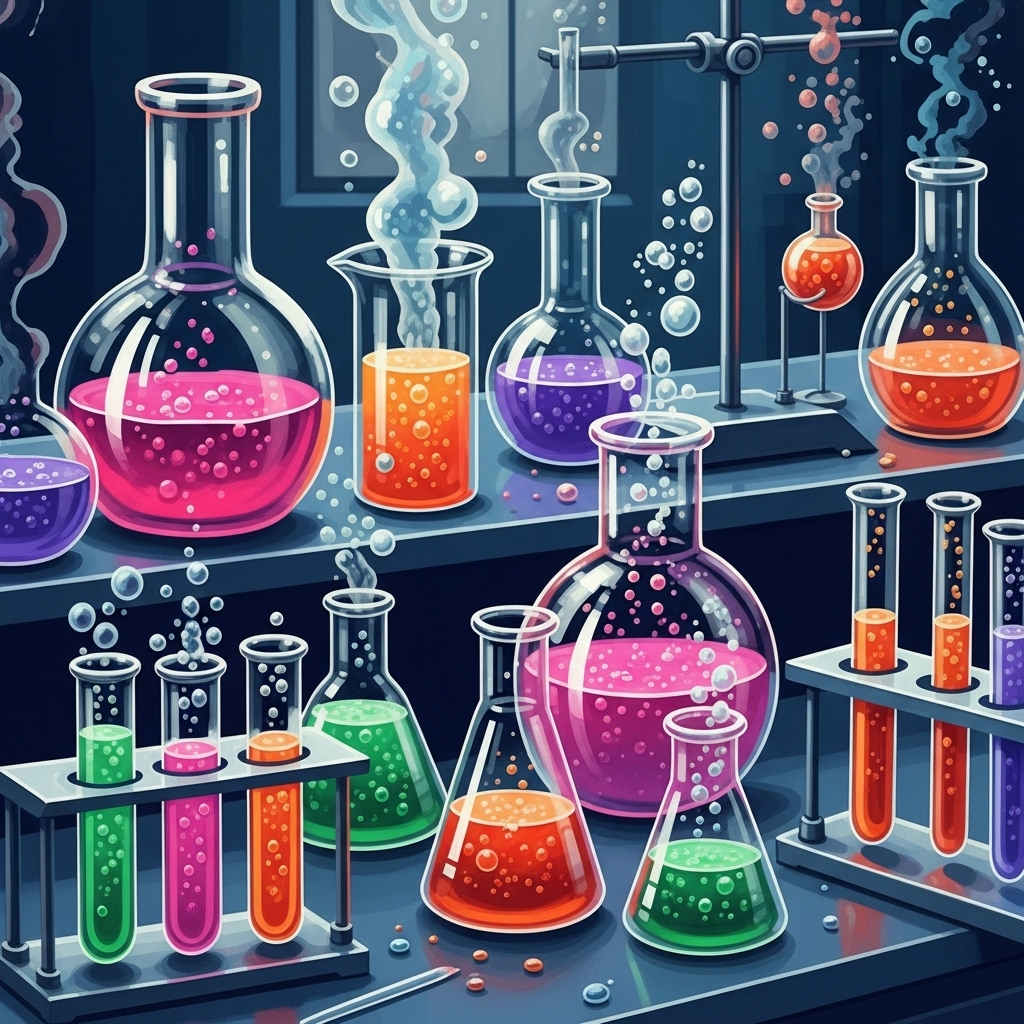
Chemical Reactions Review Year 10
Science Lesson 50 minutes Mixed-ability class with SEND support
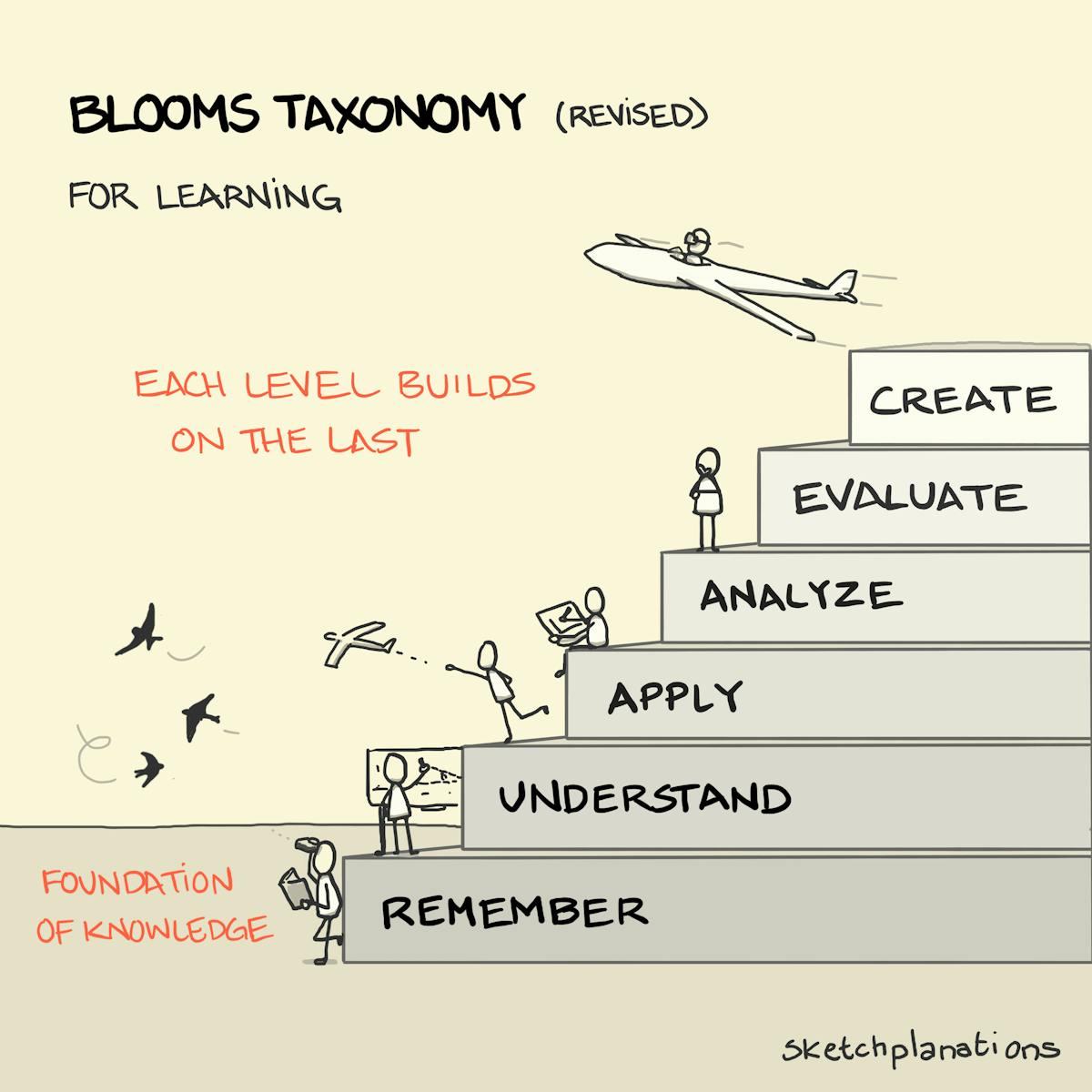
WALT (We Are Learning To)
Understand and describe different types of chemical reactions Explain the concept of reversible and irreversible reactions Apply knowledge of reversible reactions to familiar examples Use scientific vocabulary accurately when describing reactions

Success Criteria
Accurately recall and define key types of chemical reactions Distinguish between reversible and irreversible reactions with examples Explain conditions affecting reversible reactions Complete retrieval practice with confidence Participate actively in group activities

Do It Now - Retrieval Practice
Look at the image and identify the type of chemical reaction Write your answer on your mini whiteboard Think about: What evidence shows this reaction type? Be ready to explain your reasoning
Types of Chemical Reactions
{"left":"Combination (Synthesis): Two or more substances join to form one product\nDecomposition: One substance breaks down into two or more products\nDisplacement: One element replaces another in a compound","right":"Neutralisation: Acid reacts with base to form salt and water\nCombustion: Substance reacts with oxygen, often producing heat and light"}

Reversible vs Irreversible Reactions
Reversible reactions: Products can change back into reactants Shown with double arrow symbol: ⇌ Example: Heating copper sulfate crystals Irreversible reactions: Cannot be easily undone Example: Burning paper, cooking an egg
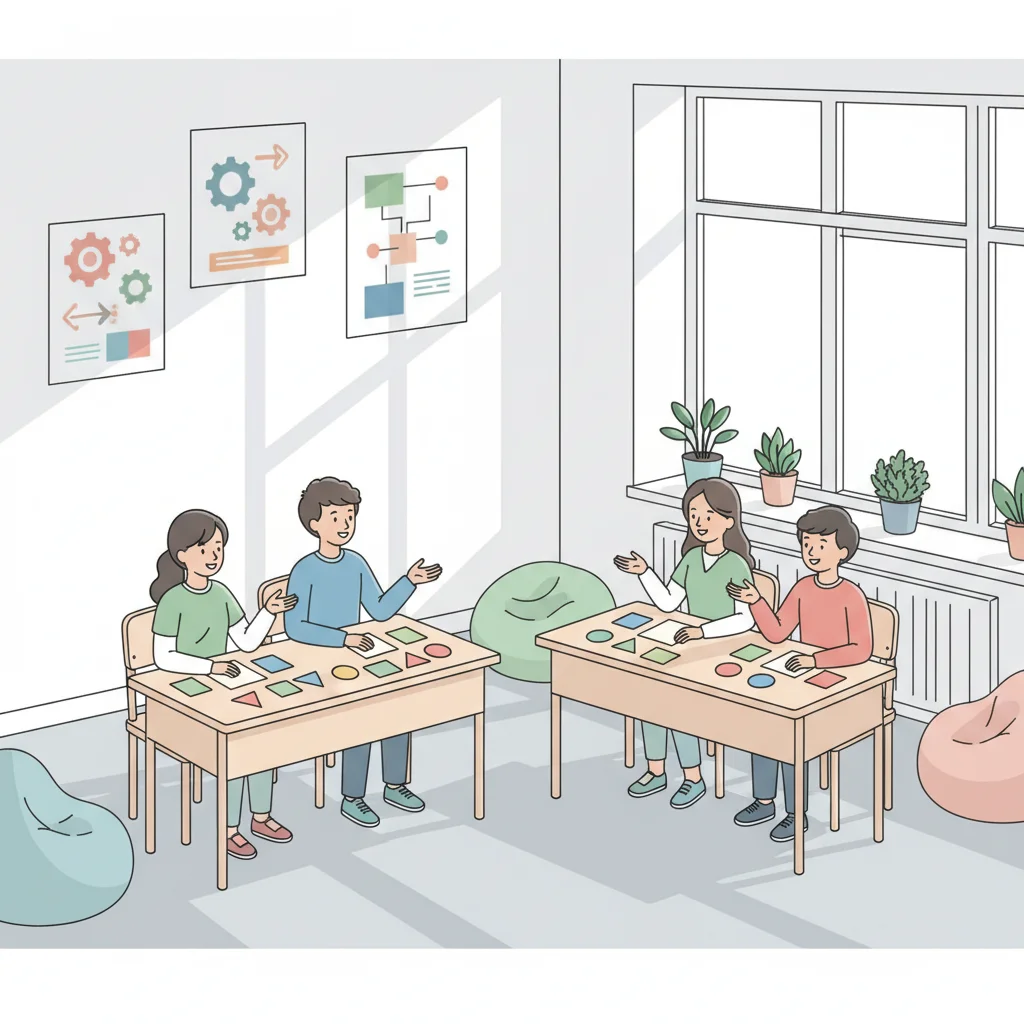
Classify the Reactions
Work in pairs with your reaction cards Sort them into 'Reversible' and 'Irreversible' Use sentence starters: 'This reaction is reversible because...' Be ready to explain your choices to the class
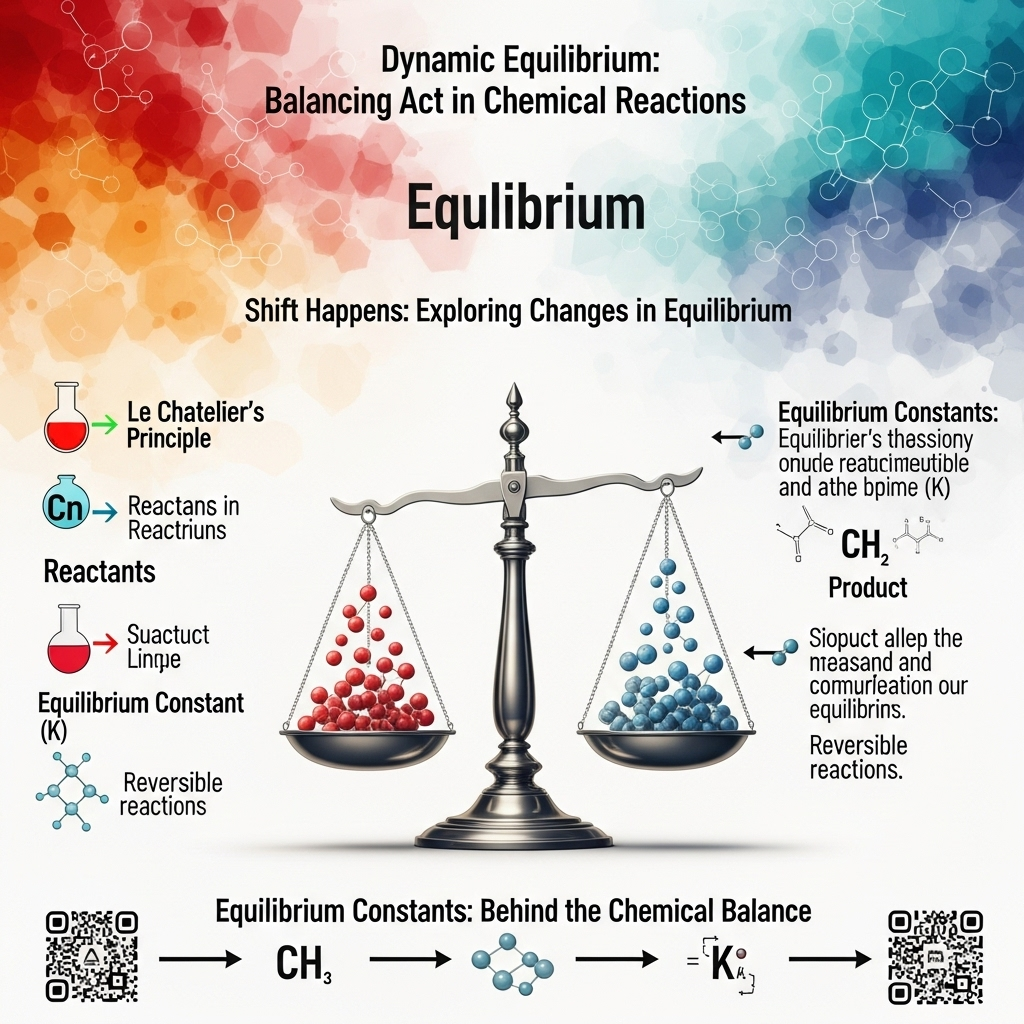
Factors Affecting Reversible Reactions
Le Chatelier's Principle: If conditions change, the reaction shifts to oppose that change Temperature: Heating favors endothermic direction Pressure: Increasing pressure favors fewer gas molecules Concentration: Adding more reactant shifts toward products

The Haber Process - Industrial Example
Whole Class Retrieval - Quick Fire Questions
1. What symbol shows a reversible reaction? 2. Give an example of an irreversible reaction 3. What happens to equilibrium when pressure increases? 4. Name one factor that affects reversible reactions 5. What is Le Chatelier's Principle?

Think Pair Share - Industrial Applications
THINK: Why are reversible reactions important in industry? (2 minutes) PAIR: Discuss your ideas with your partner (3 minutes) SHARE: Present your best ideas to the class (2 minutes)
Lesson Summary & Next Steps
Today we learned about reversible and irreversible reactions We explored factors affecting equilibrium position We saw real-world applications in industry Next lesson: Rates of reaction and catalysts Homework: Complete reaction classification worksheet