
Attachment Theory: From Infancy to Adulthood
AQA Psychology A-Level Year 12 Psychology 90-minute presentation
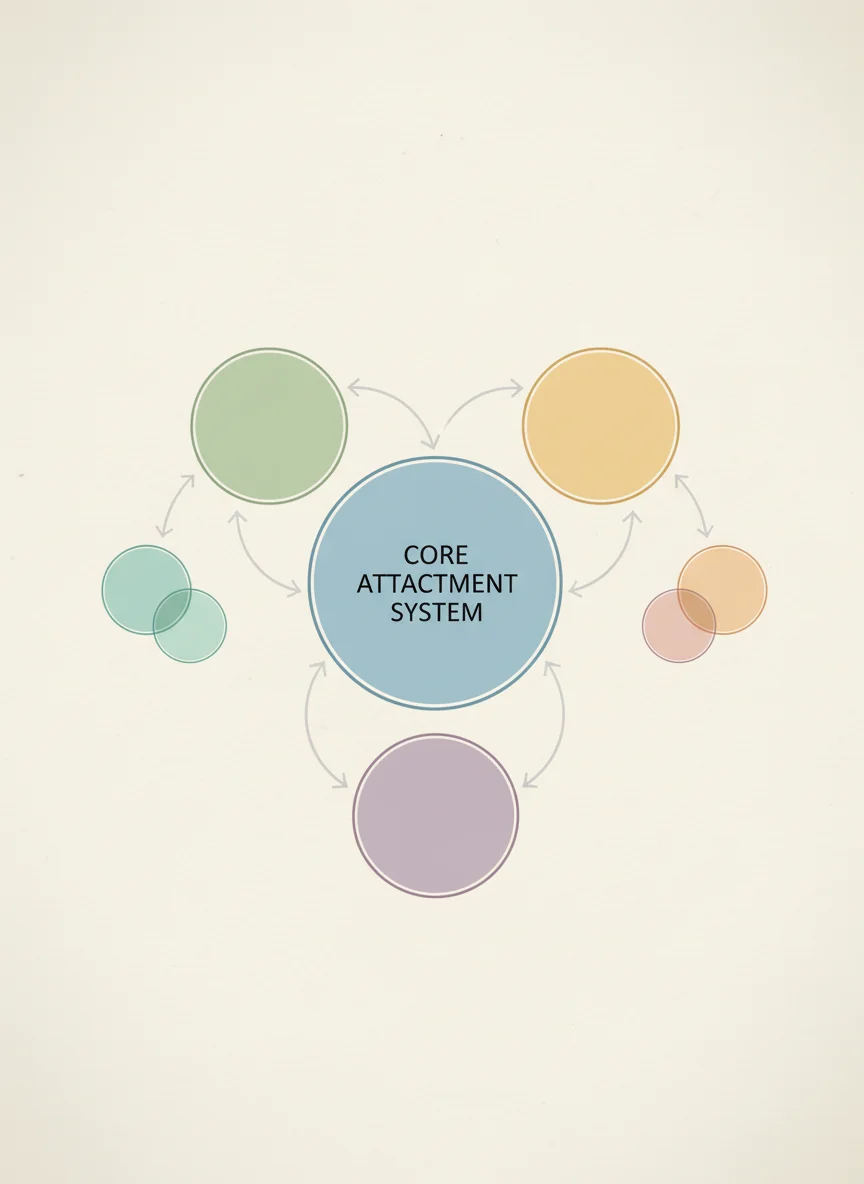
Learning Objectives
Understand caregiver-infant interactions including reciprocity and interactional synchrony Explore Schaffer's stages of attachment and multiple attachments Examine animal studies by Lorenz and Harlow Compare learning theory and Bowlby's monotropic theory explanations Analyse Ainsworth's Strange Situation and attachment types Evaluate cultural variations and maternal deprivation effects
Starter Activity
Think-Pair-Share: What do you think 'attachment' means in psychology? Consider your earliest memories of feeling safe and secure How might early relationships affect us later in life?

What is Attachment?
A strong reciprocal emotional bond between an infant and primary caregiver Develops through repeated interactions over time Provides security and safety for the child Forms the foundation for future relationships Involves both emotional and behavioural components

Caregiver-Infant Interactions: Reciprocity
Two-way interaction where both contribute to the relationship Brazelton et al: children as young as 2 weeks can attempt to copy caregivers Feldman: caregivers respond to infant signals two-thirds of the time Important for teaching communication skills Helps caregivers detect and respond to infant needs more effectively

Interactional Synchrony
Infant and caregiver become synchronised in their interactions Condon & Sander (1974): children synchronise movements with adult voice Brazelton et al: infants copy distinctive facial expressions and gestures Interactions change according to rhythm, pitch, and volume of speech Leads to better communication when child is older

Practical Activity: Observing Interactions
Watch video clips of caregiver-infant interactions Identify examples of reciprocity and interactional synchrony Complete observation sheet with specific behaviours noted Discuss findings in small groups
Evaluation: Caregiver-Infant Interactions
Strengths: Controlled observations with high detail and accuracy Inter-rater reliability can be established through multiple observers Filmed from different angles for comprehensive analysis Weaknesses: Difficulty interpreting infant behaviour May not reflect natural interactions due to observation conditions
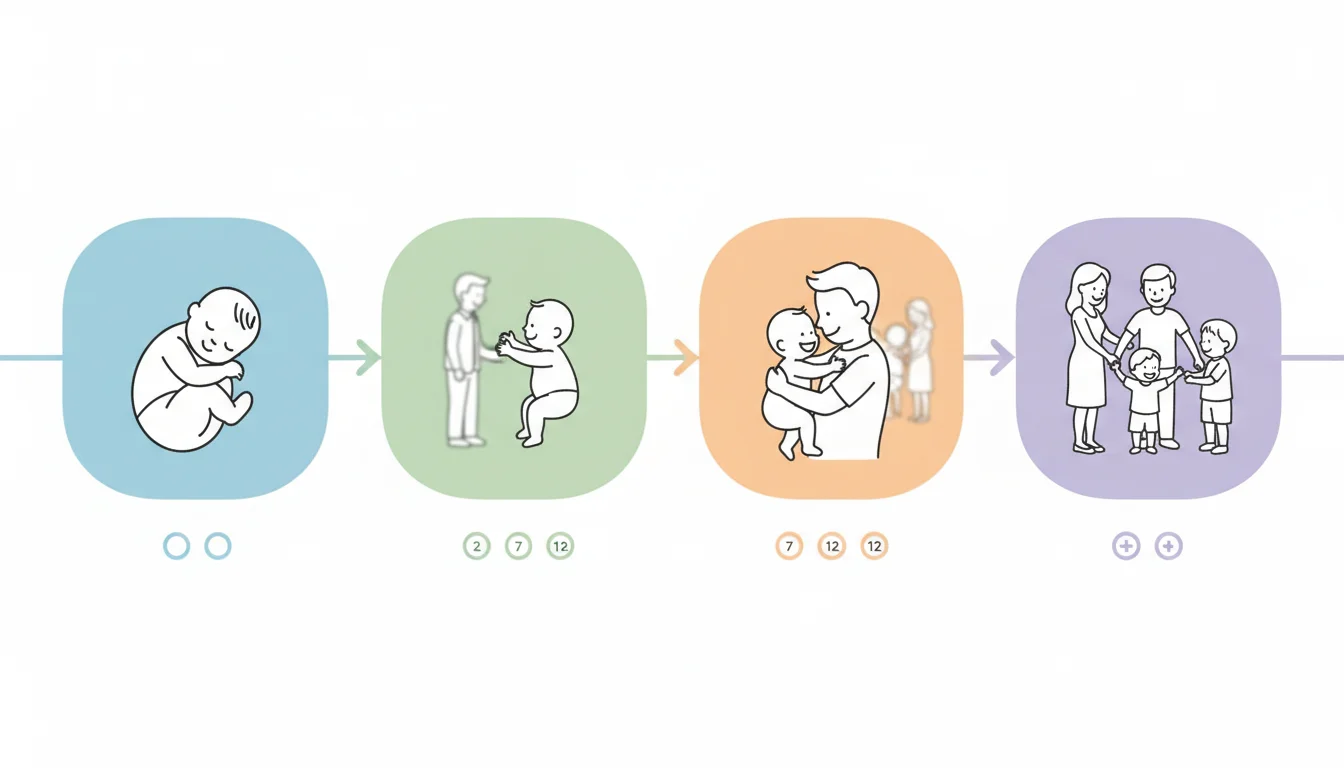
Schaffer's Stages of Attachment

Stage 1: Asocial Stage (0-2 months)
Baby's behaviour towards humans and non-human objects is similar Some preference for familiar people Happier in the presence of other humans Limited social responsiveness Foundation for later attachment development
Stage 2: Indiscriminate Attachment (2-7 months)
Clear preference for human company over non-human objects Recognise and prefer familiar people Will usually accept comfort from any person No separation anxiety yet Beginning of social responsiveness
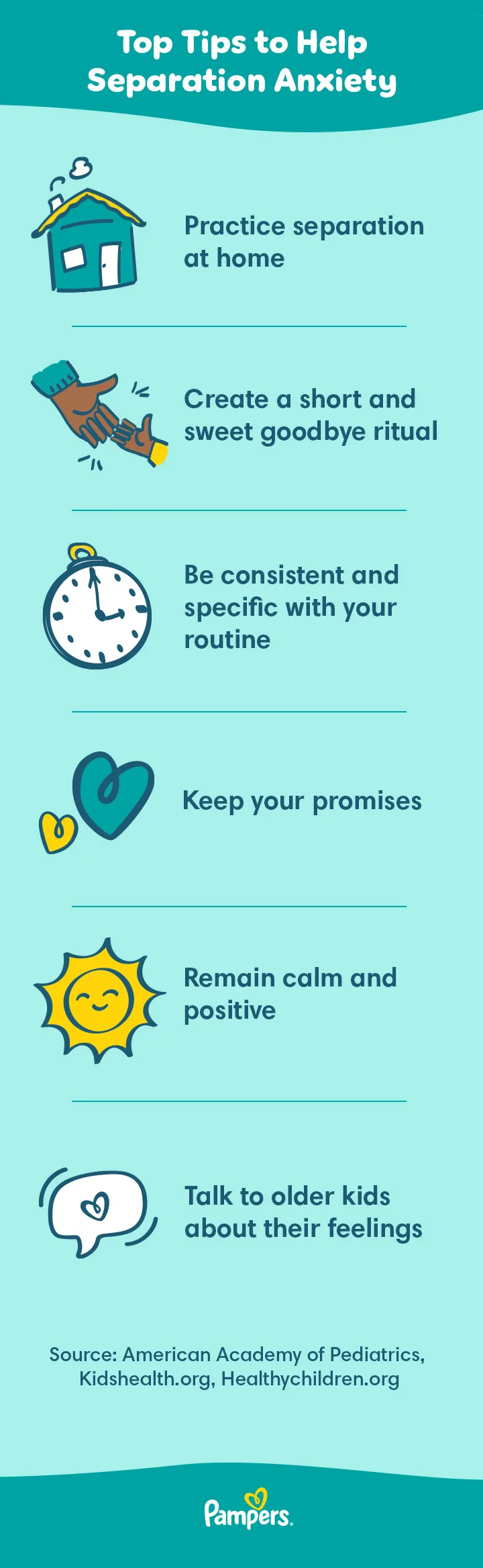
Stage 3: Specific Attachment (7-12 months)
Strong attachment to one particular person Shows separation anxiety when primary attachment figure leaves Displays stranger anxiety with unfamiliar people Seeks comfort specifically from primary caregiver Usually (but not always) the mother
27 more slides available after you open the deck.
Download all 39 slides