Adding Fractions with Box Method
Year 5 Mathematics Learning to add fractions with different denominators Using the box and sausage method
What Are Fractions?
A fraction shows part of a whole The top number is the numerator The bottom number is the denominator Example: In 3/4, we have 3 parts out of 4 total parts
Think About This
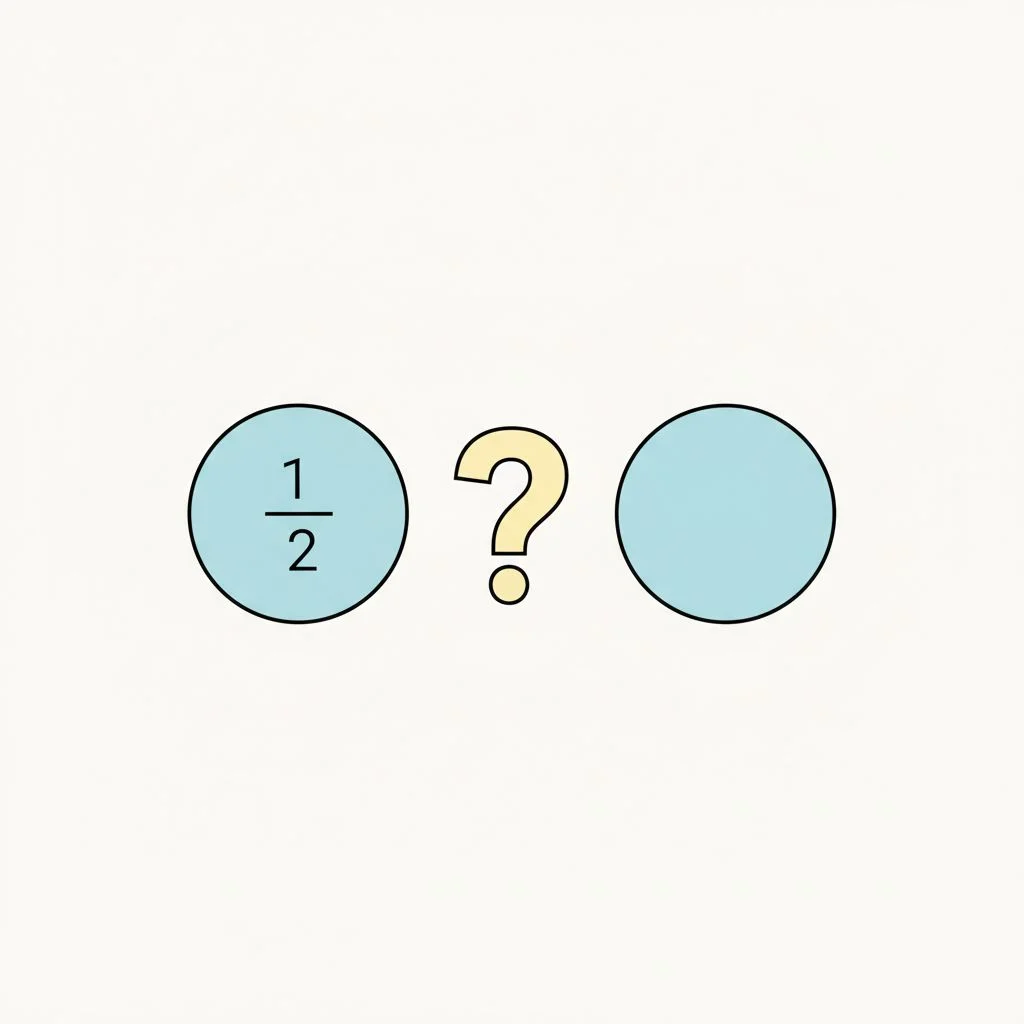
How would you add 1/2 + 1/4? What makes this tricky? Why can't we just add 1+1 and 2+4?

The Problem with Different Denominators
We can only add fractions with the same denominator Different denominators mean different-sized pieces Like trying to add apples and oranges! We need to make the pieces the same size first
Introduction to the Box Method
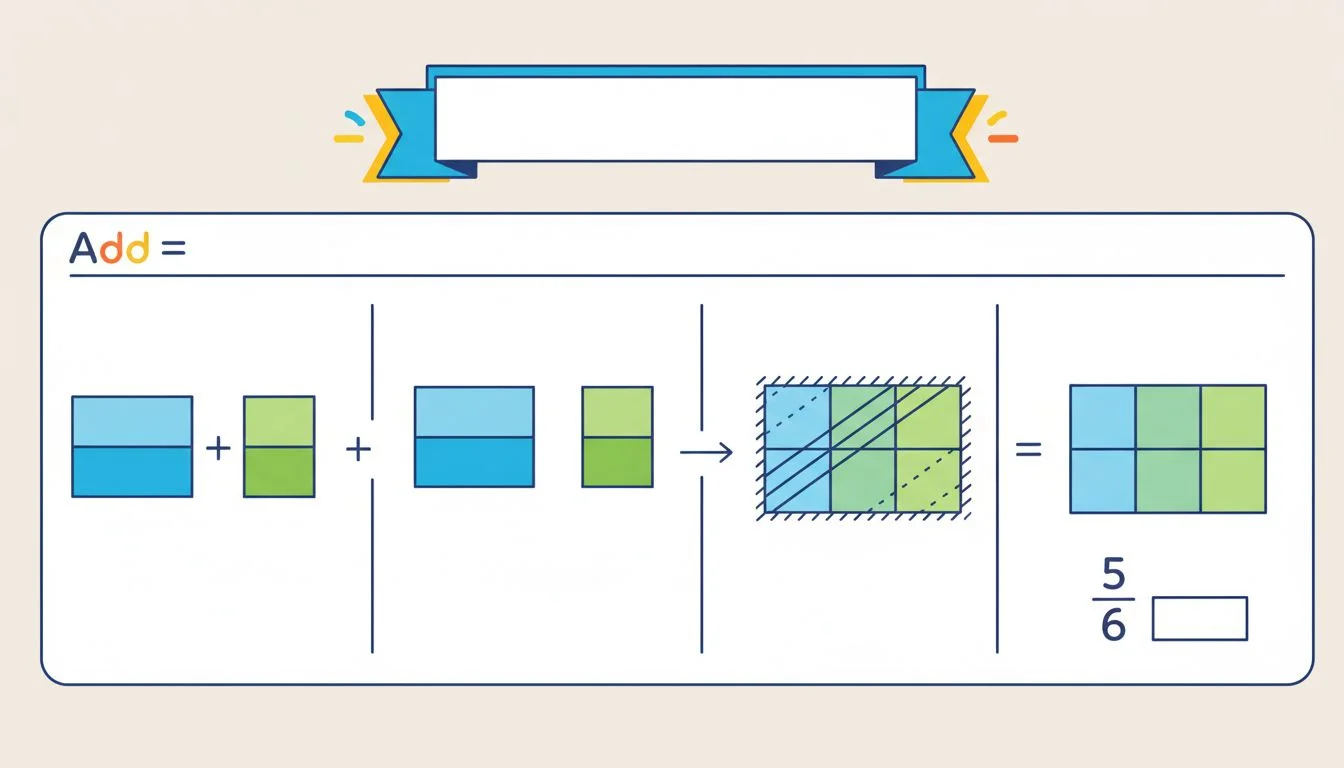
Let's Try: 1/2 + 1/3
Draw a box and divide it into 2 parts for the first fraction Draw another box the same size and divide it into 3 parts Now we need to make both boxes have the same number of parts What's the smallest number that both 2 and 3 can divide into?
Finding the Common Denominator
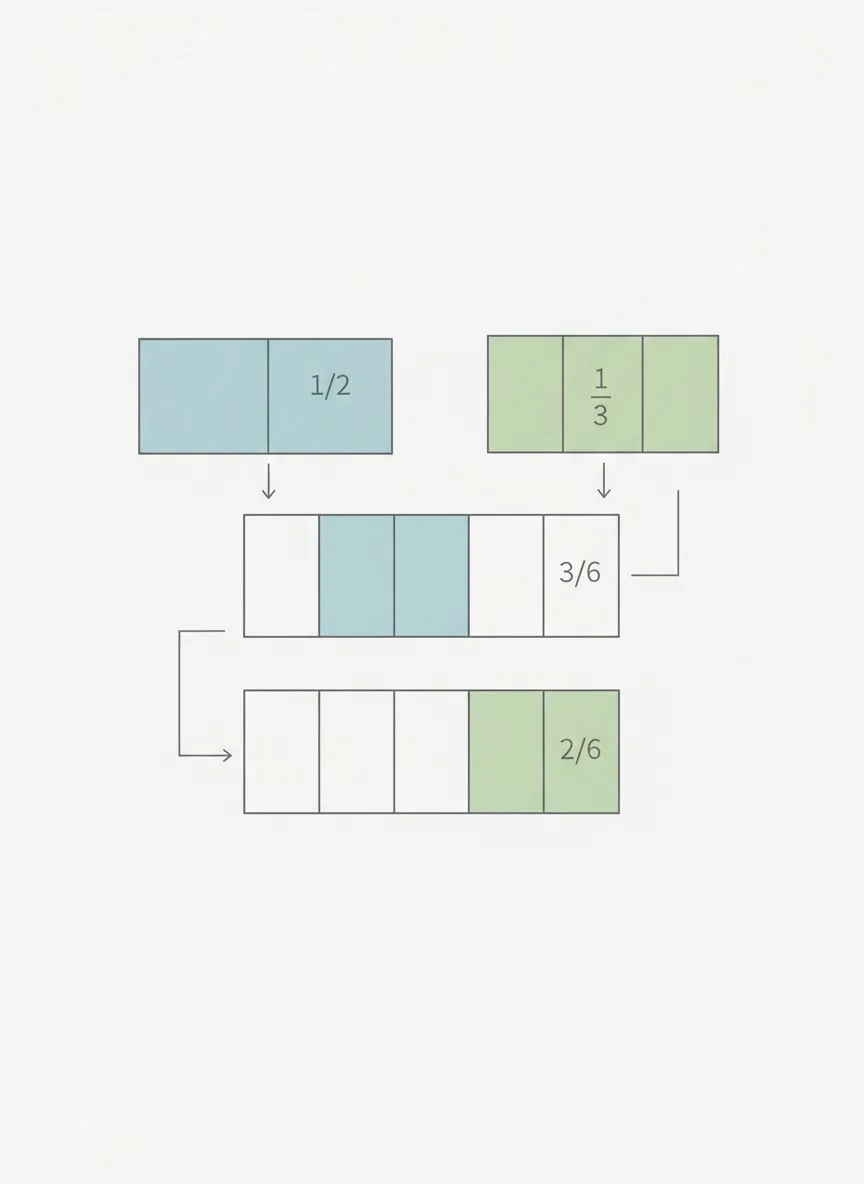
For 1/2 + 1/3, we need boxes with the same divisions 2 × 3 = 6, so we can use 6 parts Redraw the first box with 6 parts (1/2 = 3/6) Redraw the second box with 6 parts (1/3 = 2/6) Now we can add: 3/6 + 2/6 = 5/6
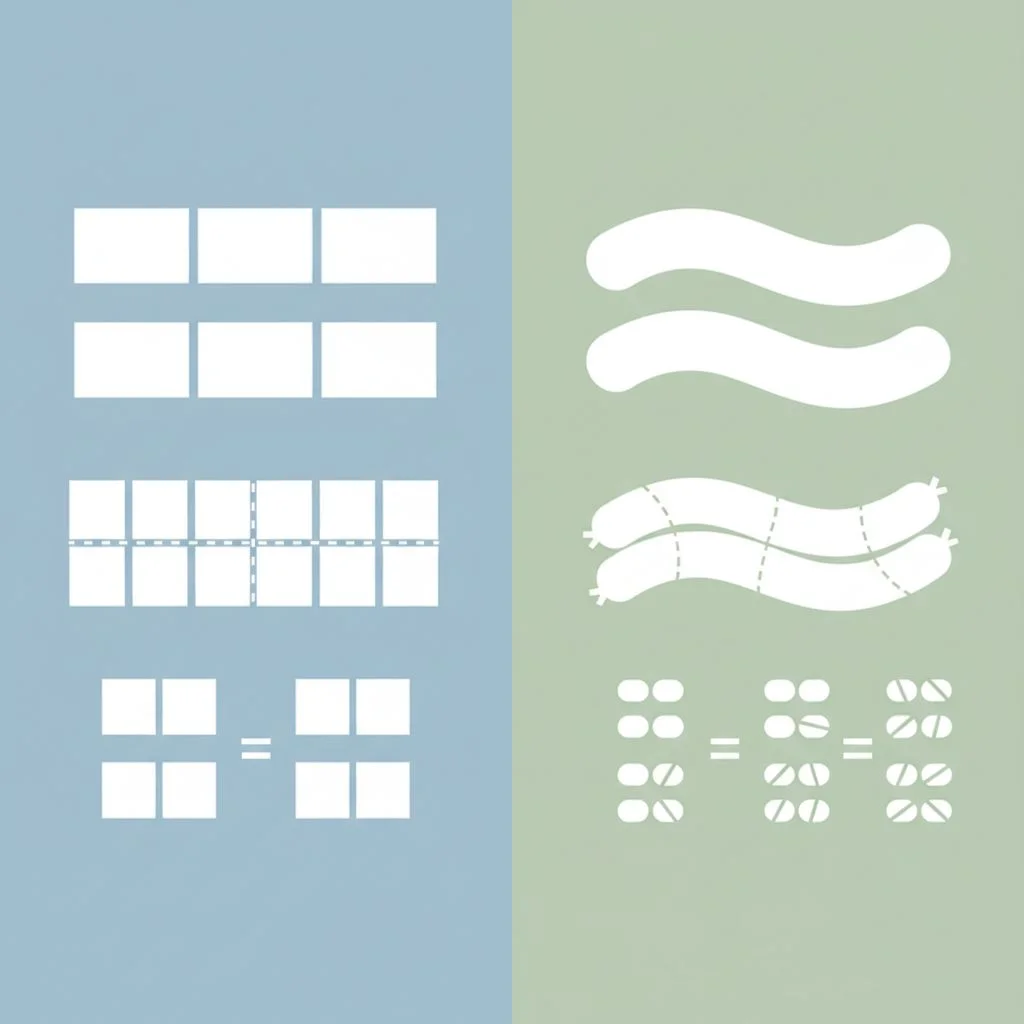
Box Method vs Sausage Method
{"left":"Box Method: Draw rectangles and divide them into equal parts\nSausage Method: Draw long strips (like sausages) and divide them into sections\nBoth methods help us visualize fractions","right":"Both methods find common denominators\nChoose the method that makes most sense to you\nPractice with both to see which you prefer"}
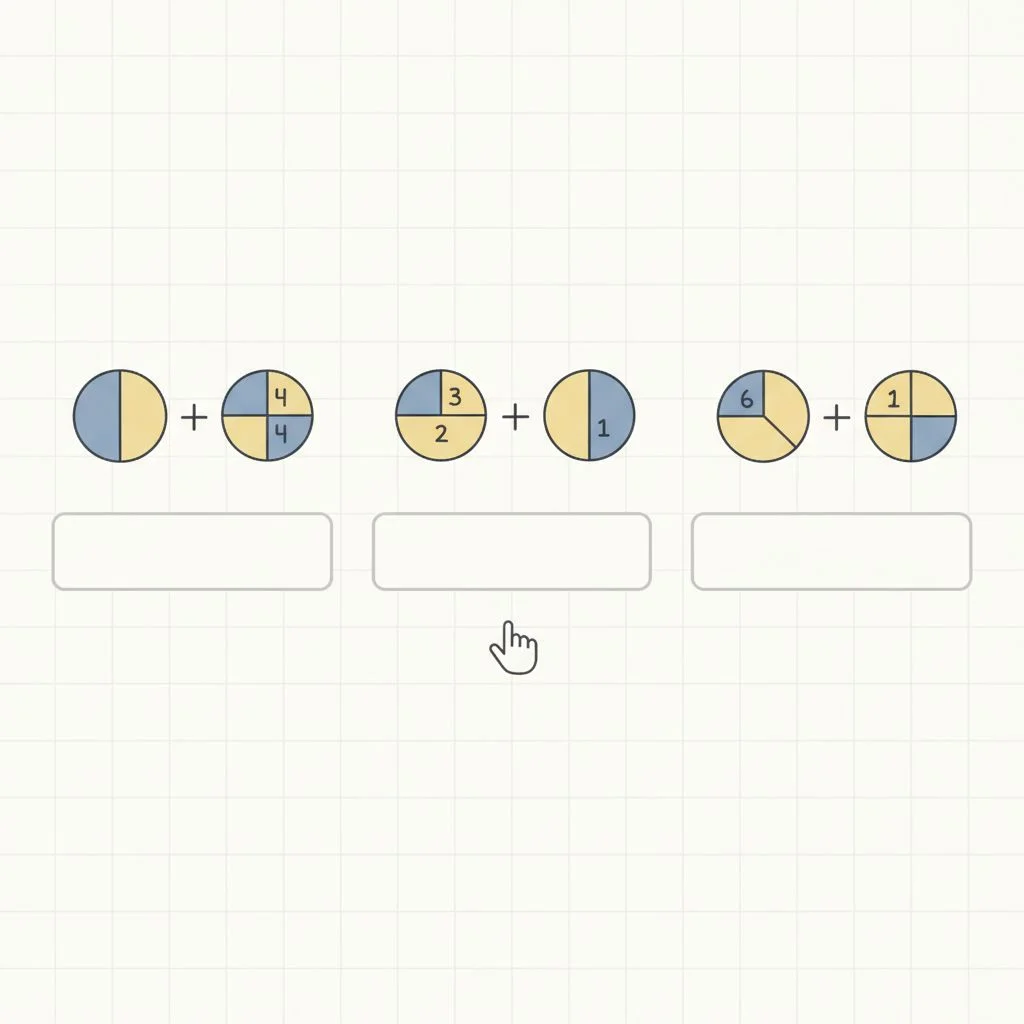
Your Turn: Practice Problems
Try these using the box or sausage method: 1/4 + 1/6 = ? 2/5 + 1/10 = ? 1/3 + 1/4 = ? Work with a partner and draw your solutions
Remember This
The key to adding fractions is making the denominators the same. The box and sausage methods help us see how to do this visually!