Data Source Reliability Assessment
A free maths worksheet ready for your classroom. Open in Kuraplan to grab the print-ready PDF, customize it for your students, or generate a fresh version in seconds.
Data Source Reliability Assessment

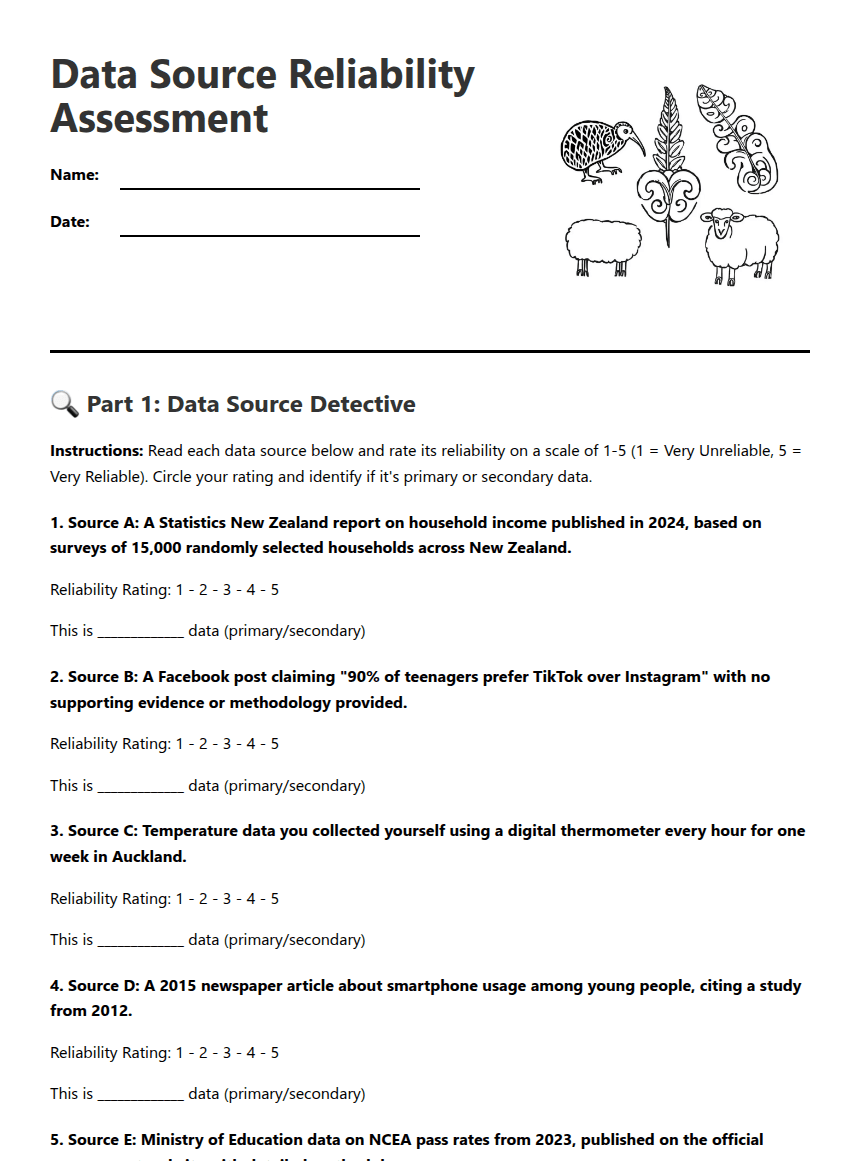
🔍 Part 1: Data Source Detective
Instructions: Read each data source below and rate its reliability on a scale of 1-5 (1 = Very Unreliable, 5 = Very Reliable). Circle your rating and identify if it's primary or secondary data.
Reliability Rating: 1 - 2 - 3 - 4 - 5
This is _____________ data (primary/secondary)
Reliability Rating: 1 - 2 - 3 - 4 - 5
This is _____________ data (primary/secondary)
Reliability Rating: 1 - 2 - 3 - 4 - 5
This is _____________ data (primary/secondary)
Reliability Rating: 1 - 2 - 3 - 4 - 5
This is _____________ data (primary/secondary)
Reliability Rating: 1 - 2 - 3 - 4 - 5
This is _____________ data (primary/secondary)
✅ Part 2: Data Quality Checklist
Primary data collection method:
Secondary data source:
🎯 Part 3: Extension Challenge
Success Criteria:
- I can distinguish between primary and secondary data sources
- I can evaluate the reliability of different data sources using appropriate criteria
- I can identify factors that make data sources more or less trustworthy
- I can design methods for collecting reliable data
ANSWER KEY
Part 1 - Data Source Detective:
1. Source A: Reliability 5, Secondary data (collected by Stats NZ, not by you)
2. Source B: Reliability 1, Secondary data (unreliable - no evidence or methodology)
3. Source C: Reliability 4-5, Primary data (you collected it yourself)
4. Source D: Reliability 2, Secondary data (outdated and second-hand information)
5. Source E: Reliability 5, Secondary data (official government data with methodology)
Part 2 - Data Quality Checklist:
6. All boxes should be checked - these are all important factors
7. Sample answers: Larger samples are more representative of the population and reduce the impact of outliers. Example: Surveying 5 students vs 500 students about study habits.
8. Primary: Survey Year 11 students directly; Secondary: Use existing research studies or government reports on teenage social media use
Part 3 - Extension:
9. Sample answer for Source B: Survey a random sample of at least 200 teenagers using standardised questions, ensure anonymous responses, use multiple schools to avoid bias
10. Sample answer: Different time periods, different populations, different methodologies can all lead to different but valid results
About This Worksheet
Free in Kuraplan
Sign up free, grab the PDF, and customize it for your class.
Print-Ready
Formatted for standard paper. Clean layout, easy to read.
AI-Generated
Created with Kuraplan's AI, designed for real classroom use.
For Teachers & Parents
Use in classrooms, for homework, tutoring, or homeschool.
Need a custom version of this worksheet?
Kuraplan's AI generates custom worksheets in seconds — differentiated for every learner, aligned to your curriculum.
Generate Custom Worksheets — FreeMore Maths Worksheets
Year 4 Maths Placement Test
Free
Functional Skills Maths Revision
Free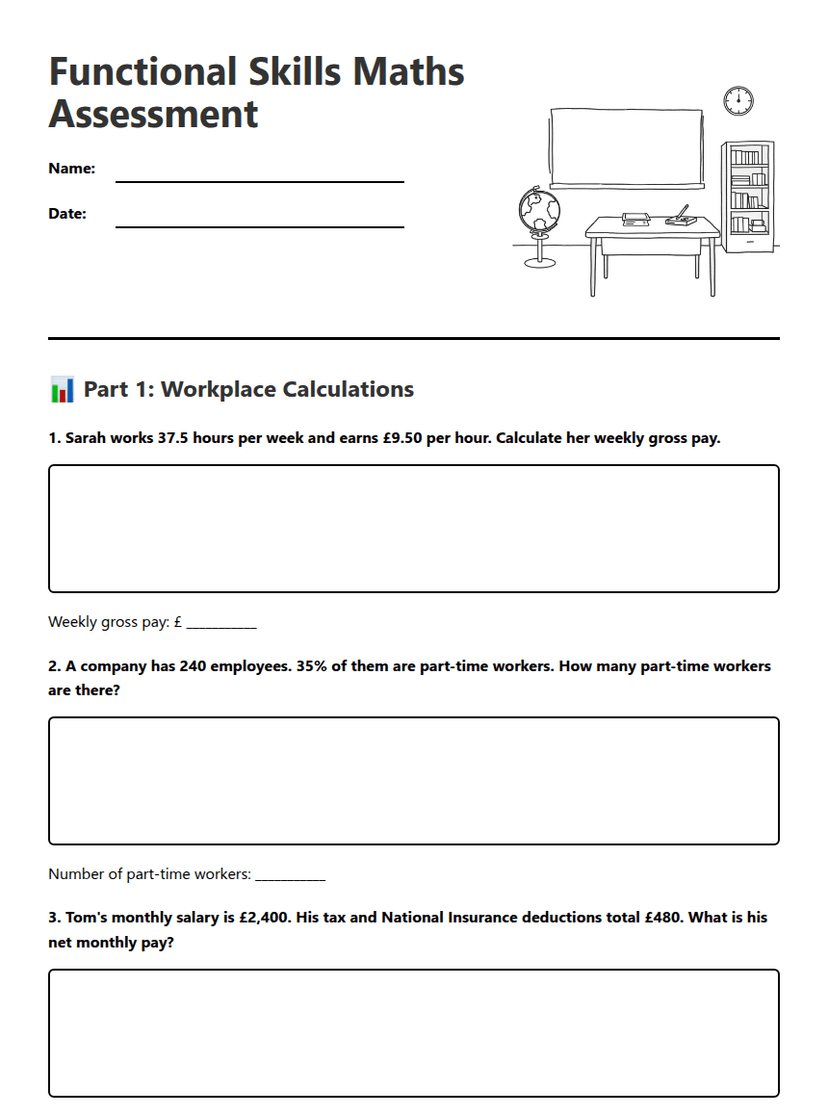
Functional Skills Maths Assessment
Free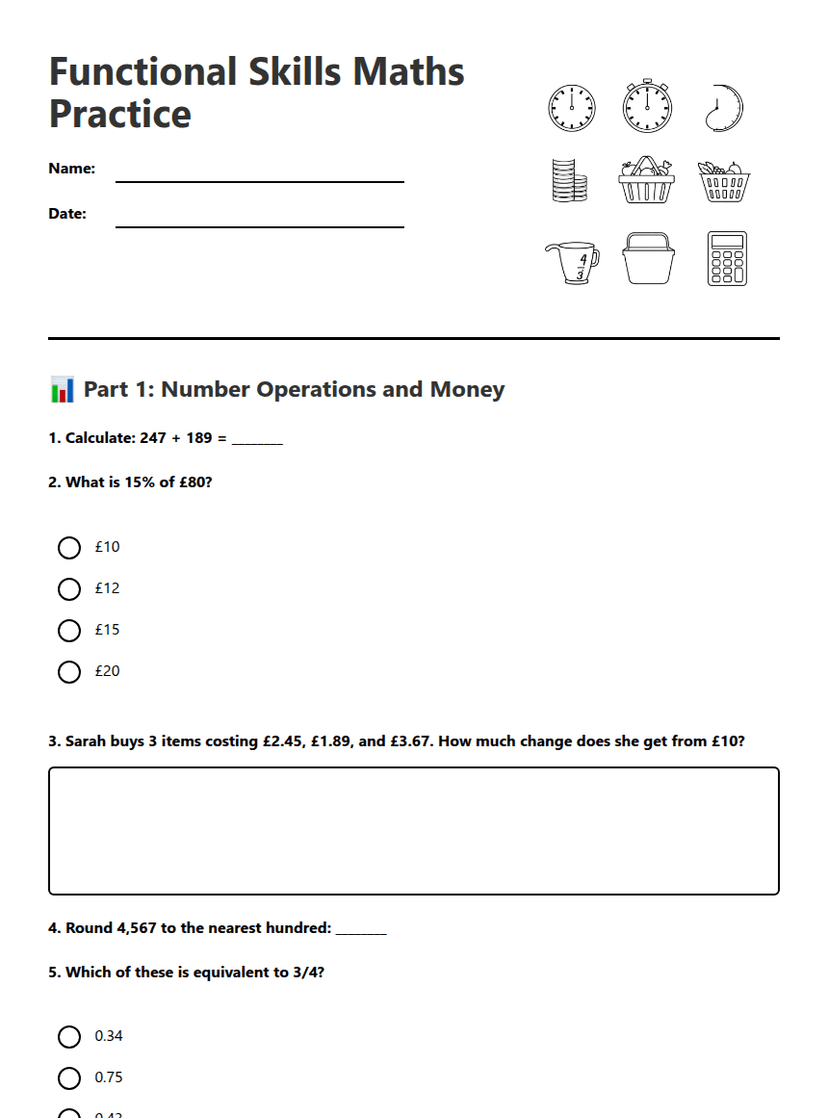
Functional Skills Maths Practice
Free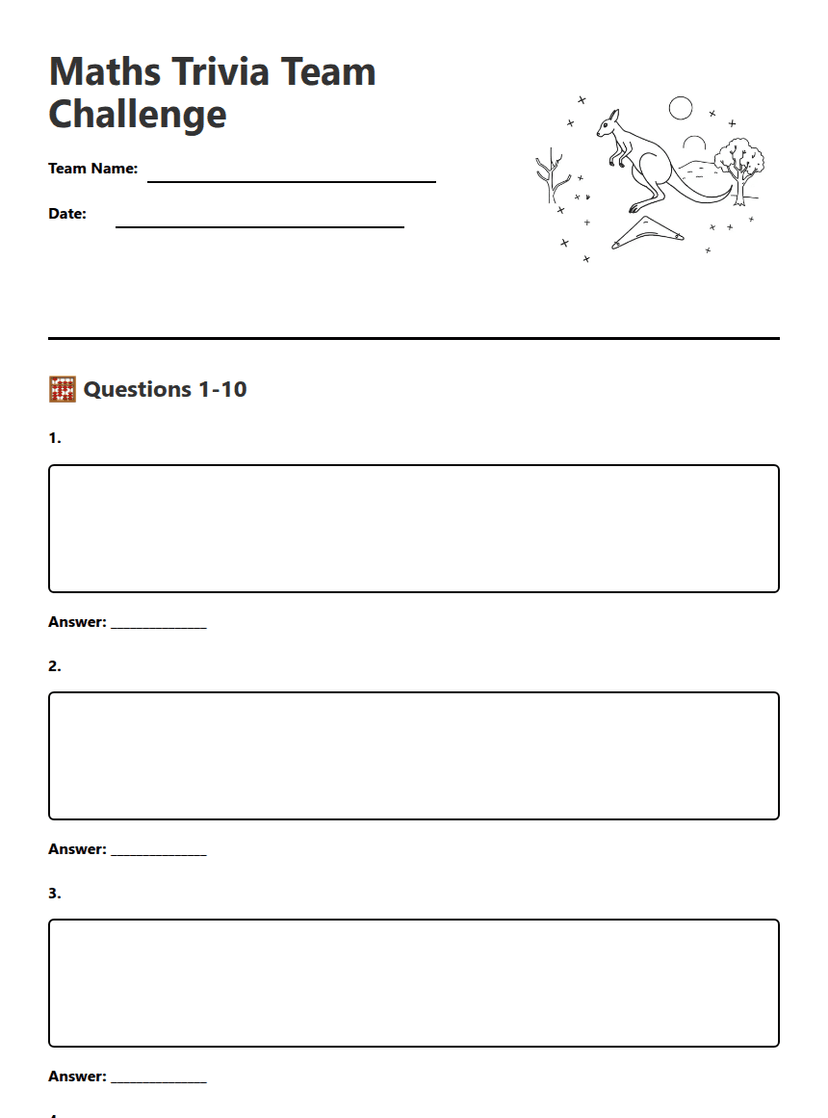
Maths Trivia Team Challenge
Free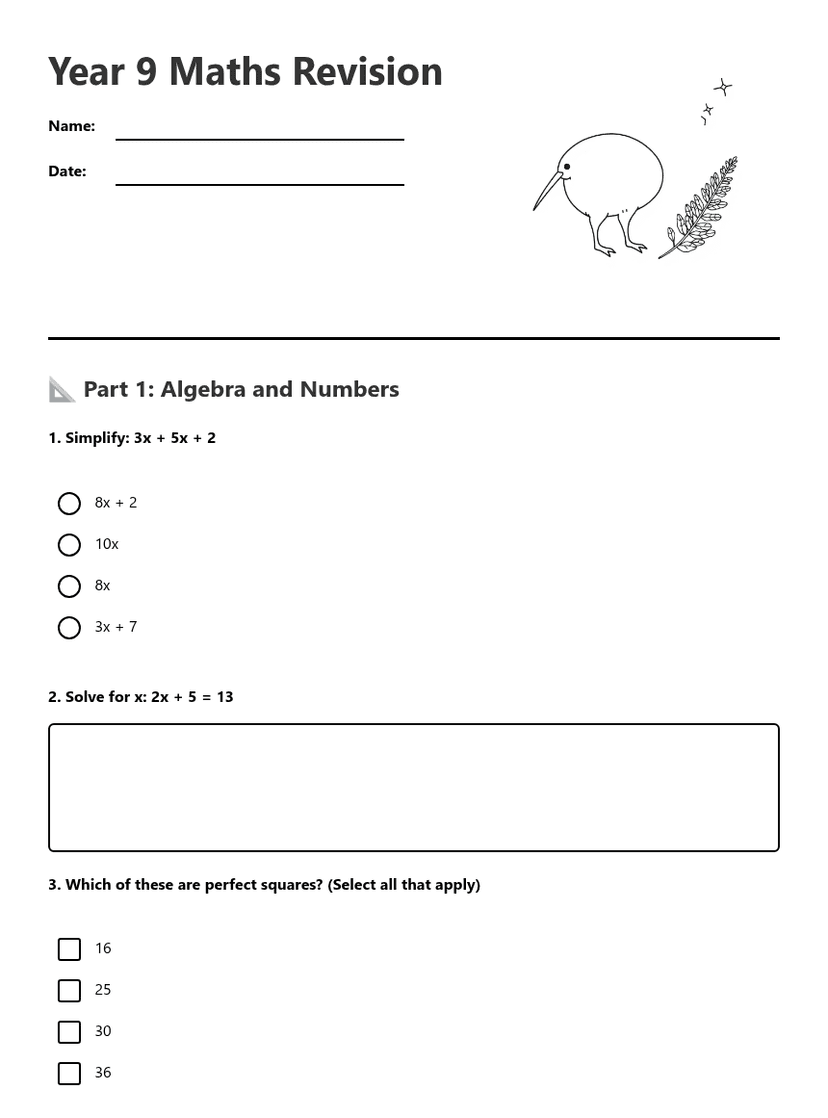
Year 9 Maths Revision
Free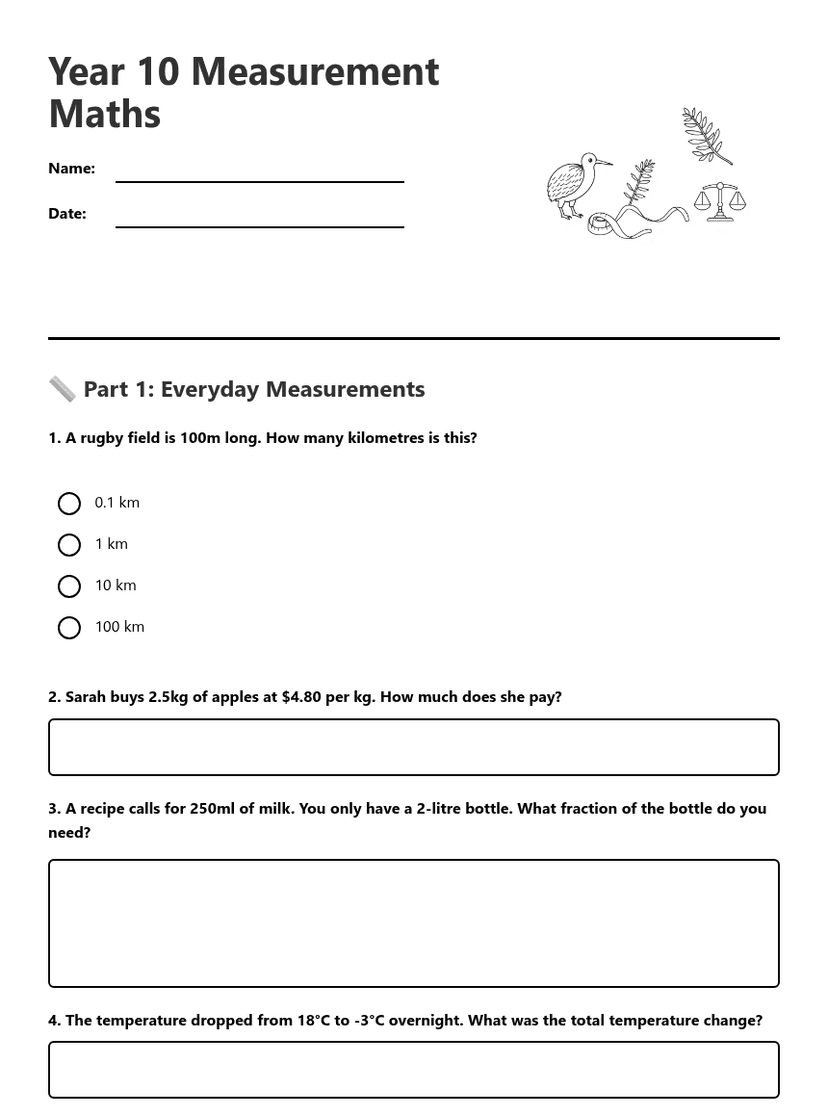
Year 10 Measurement Maths
Free