
Writing Temperature Reports Using PPDAC
A Statistical Investigation Framework Year 11 Mathematics 1.1 New Zealand Curriculum
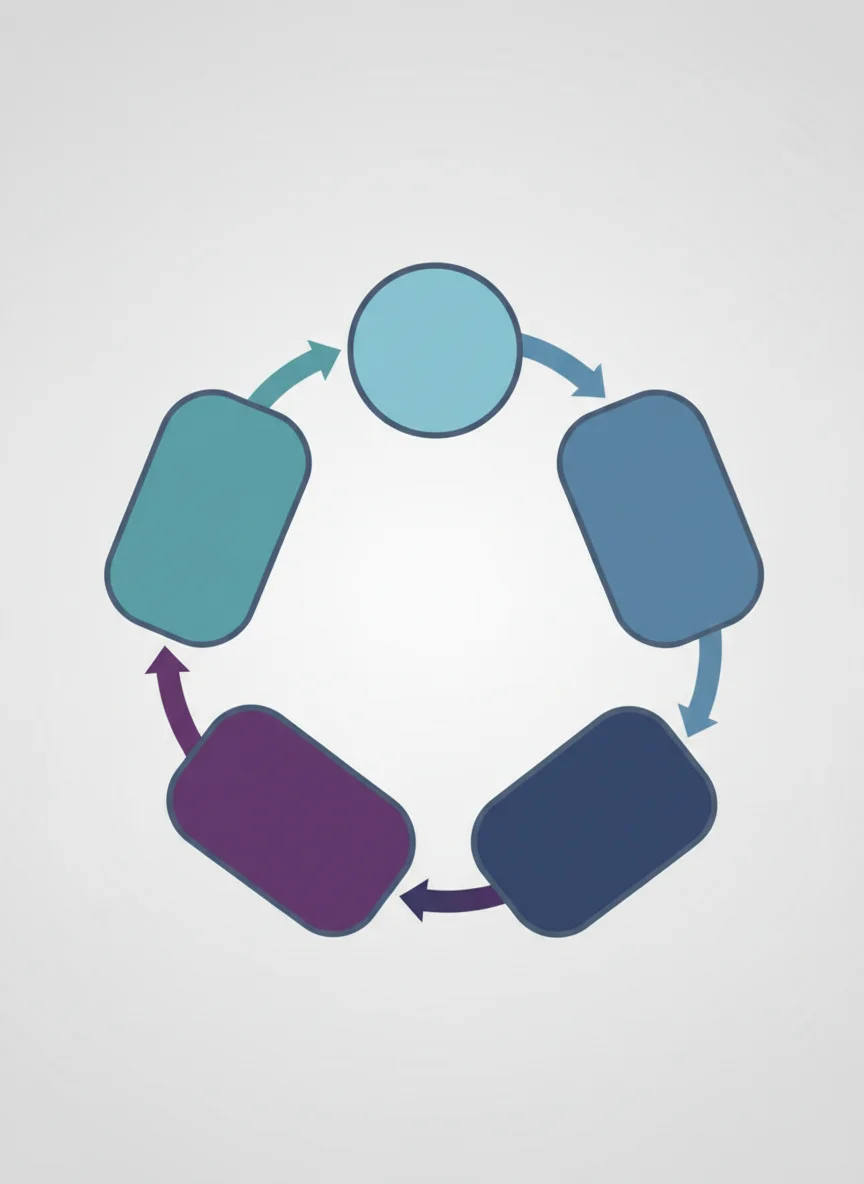
What is PPDAC?
Problem - Define your statistical question Plan - Design your investigation Data - Collect and organize information Analysis - Examine patterns and trends Conclusion - Answer your original question

Why Use PPDAC for Temperature Studies?
Temperature data is everywhere around us Weather patterns affect daily life Climate change is a current global issue Statistical skills apply to real-world problems

PROBLEM - Defining Your Question
Start with a clear, investigable question Example: 'Does temperature vary significantly between different locations in our school?' Must be answerable with data collection Should relate to temperature patterns or comparisons
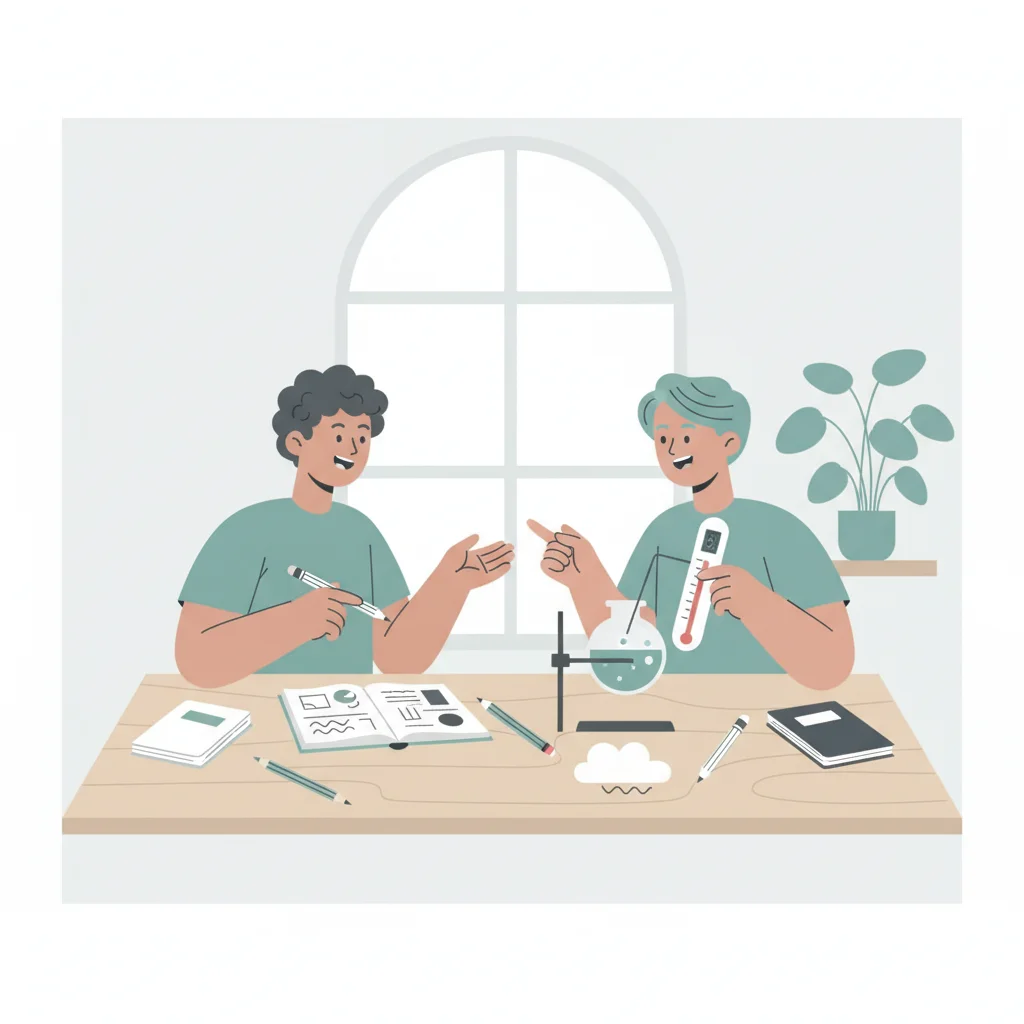
Practice: Writing Problem Statements
Work in pairs to create 3 different temperature investigation questions Consider: indoor vs outdoor, time of day, seasonal changes, different materials Share your best question with the class Peer feedback on clarity and feasibility

PLAN - Designing Your Investigation
Identify what data you need to collect Choose appropriate measuring tools Decide on sample size and timing Consider variables that might affect results Plan how to record and organize data
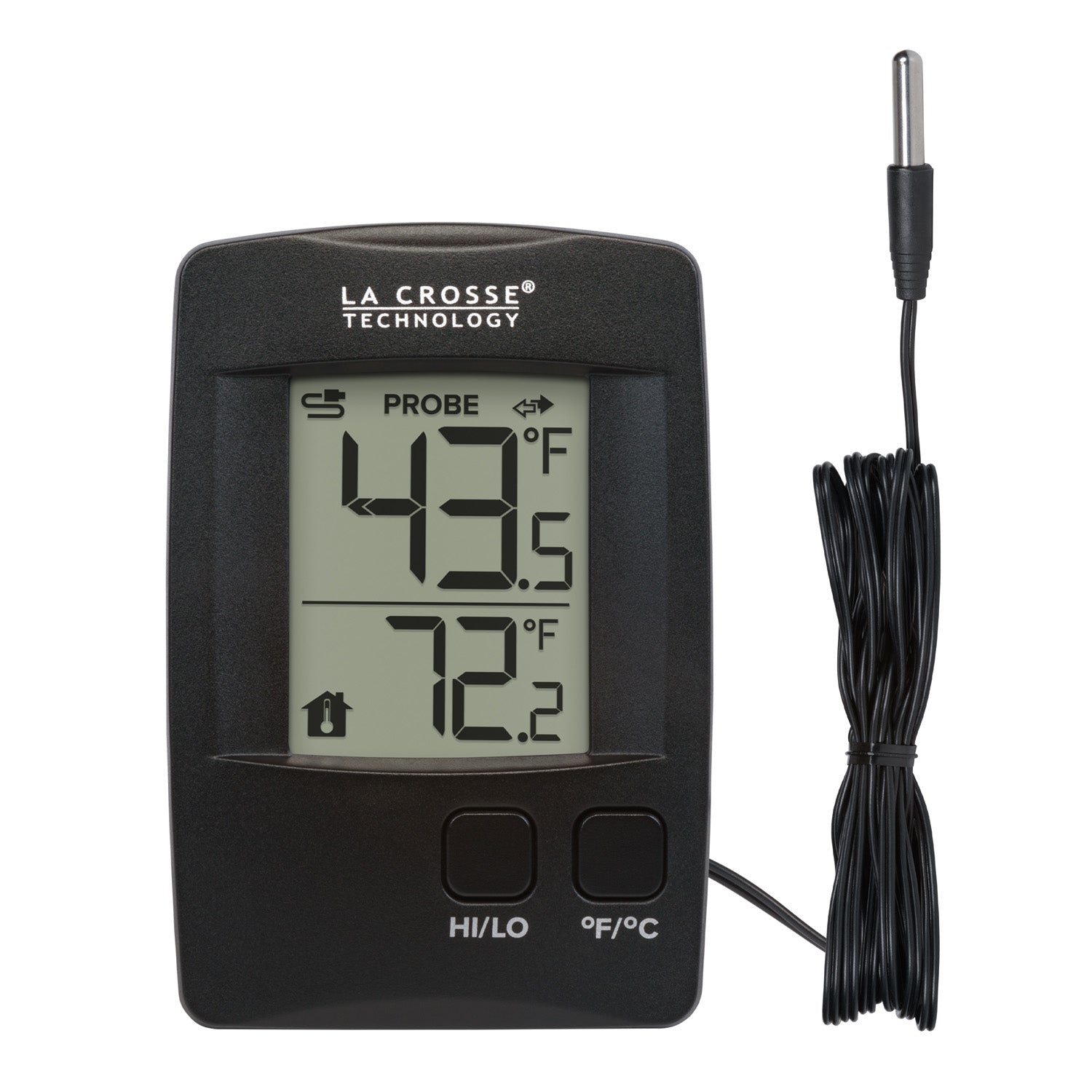
DATA Collection Strategies
{"left":"Primary Data: Direct temperature measurements using thermometers or digital sensors\nSecondary Data: Weather bureau records, online climate databases\nSystematic sampling: Regular intervals (every hour, daily at same time)","right":"Random sampling: Different locations chosen without bias\nRecord keeping: Date, time, location, conditions, temperature reading\nQuality checks: Repeat measurements, calibrate instruments"}
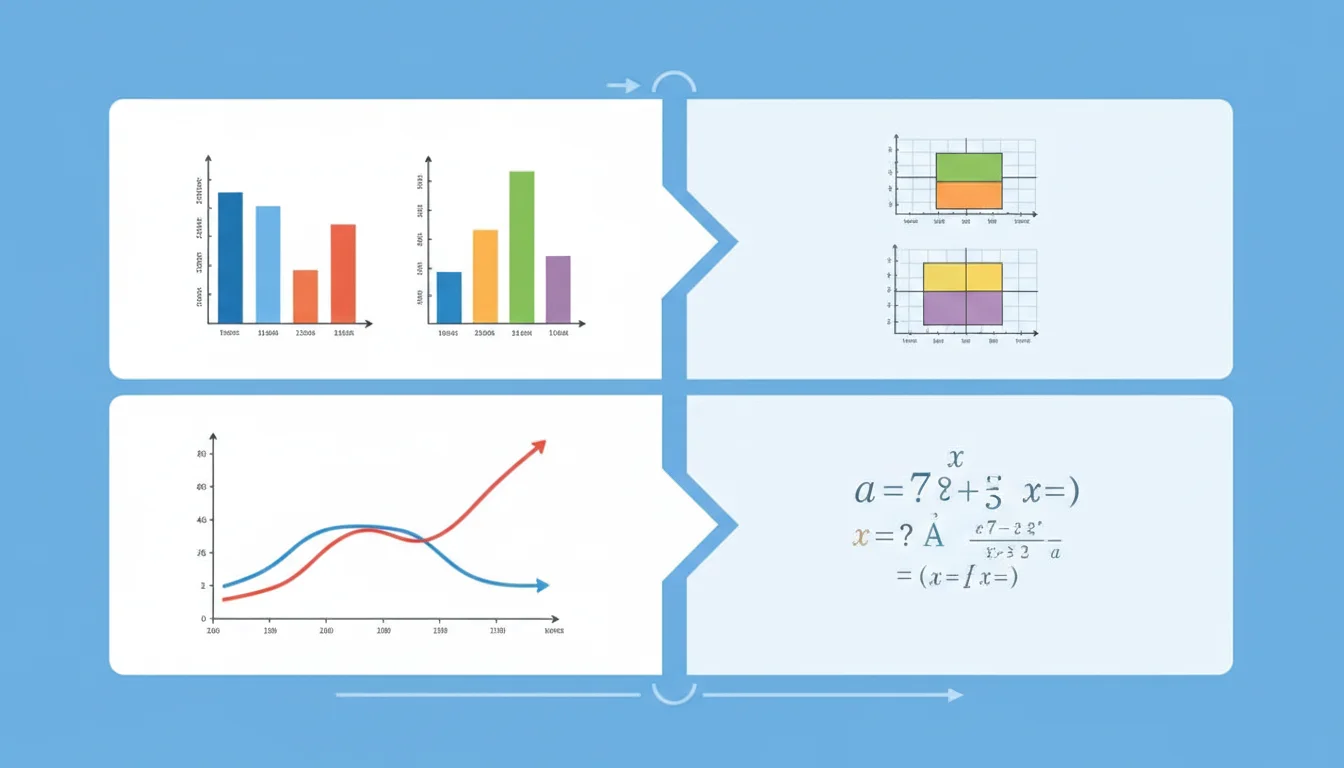
ANALYSIS - Making Sense of Temperature Data

CONCLUSION - Answering Your Question
Summarize key findings from your analysis State whether your original question was answered Acknowledge limitations in your investigation Suggest improvements for future studies Connect findings to broader temperature patterns

Key Takeaway
"PPDAC helps us think like statisticians, turning everyday observations about temperature into meaningful scientific investigations." Remember: Good statistics start with good questions and careful planning!