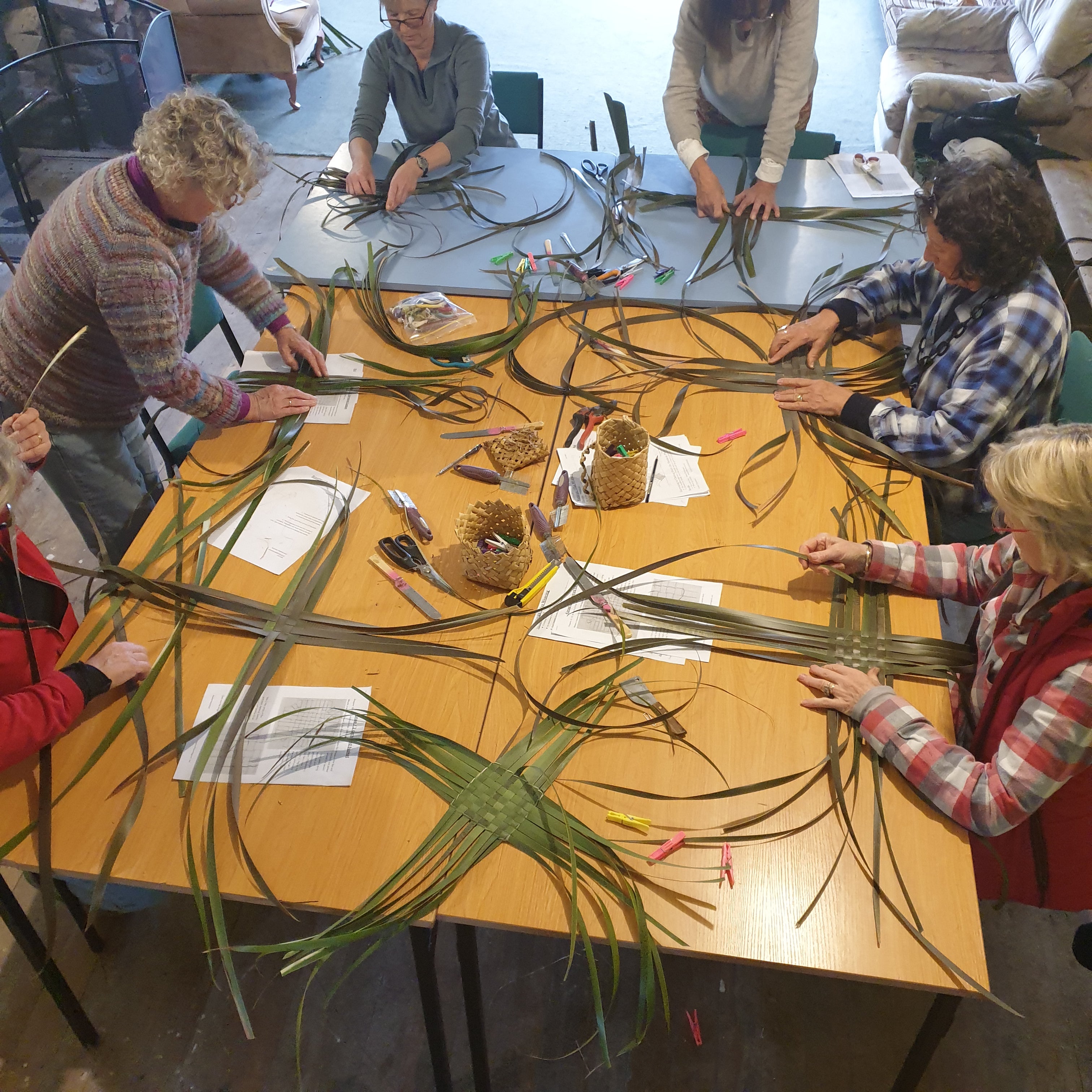
Weaving Words: Vivid Poetry Comes Alive
Year 4 English Exploring Similes and Metaphors Connecting Poetry and Traditional Māori Weaving
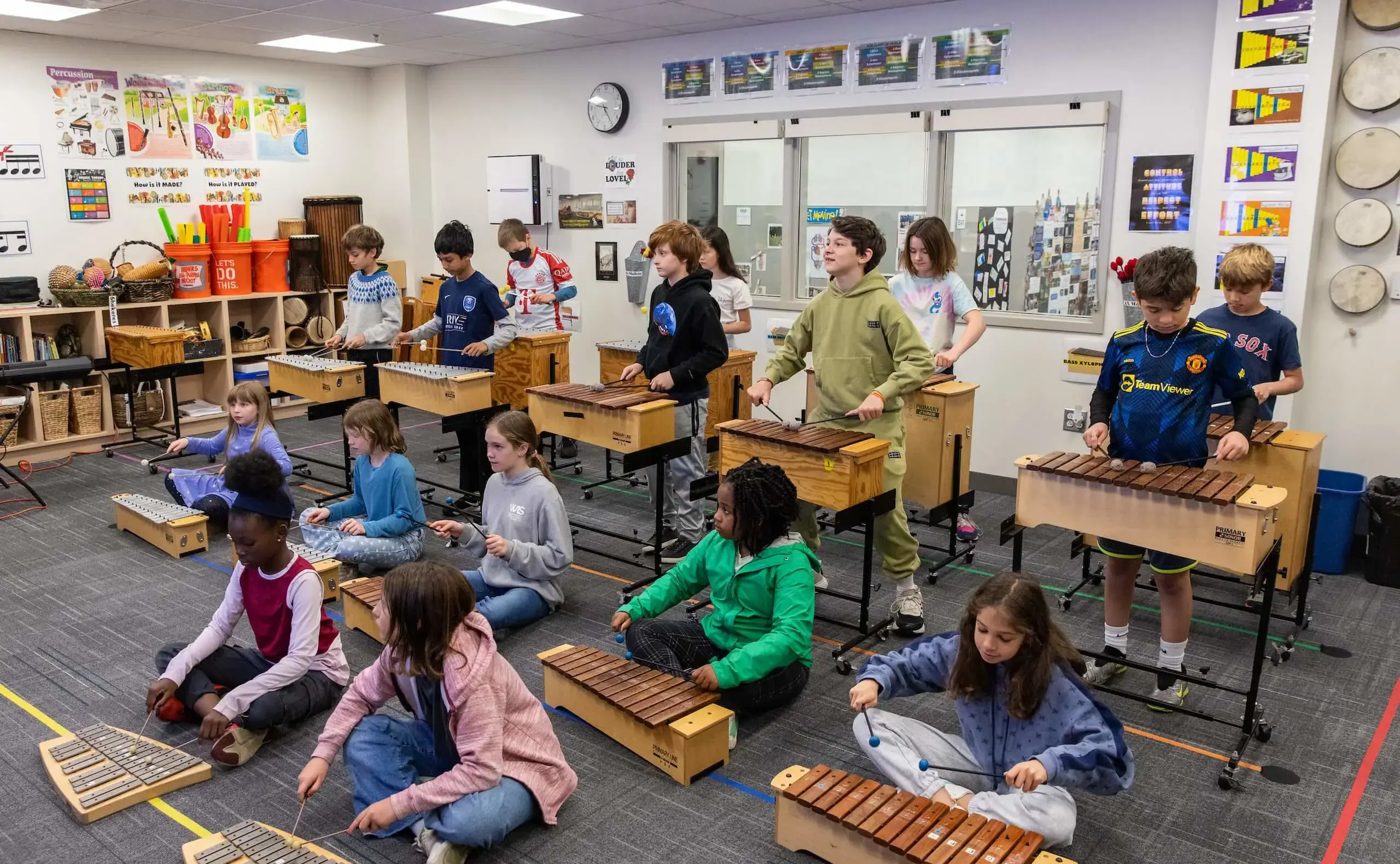
WALT - We Are Learning To
Use similes and metaphors to create vivid images in poetry Understand how traditional Māori weaving connects history, community, and storytelling Express cultural and historical connections through poetic imagery inspired by taonga and weaving

Success Criteria - How We'll Know We've Succeeded
I can identify similes and metaphors in poems I can explain how similes and metaphors make poems more interesting I can describe how taki tahi weaving connects people and stories across time I can use similes and metaphors in my own poem to create strong images I can share my poem clearly with my classmates

What Are Similes and Metaphors?
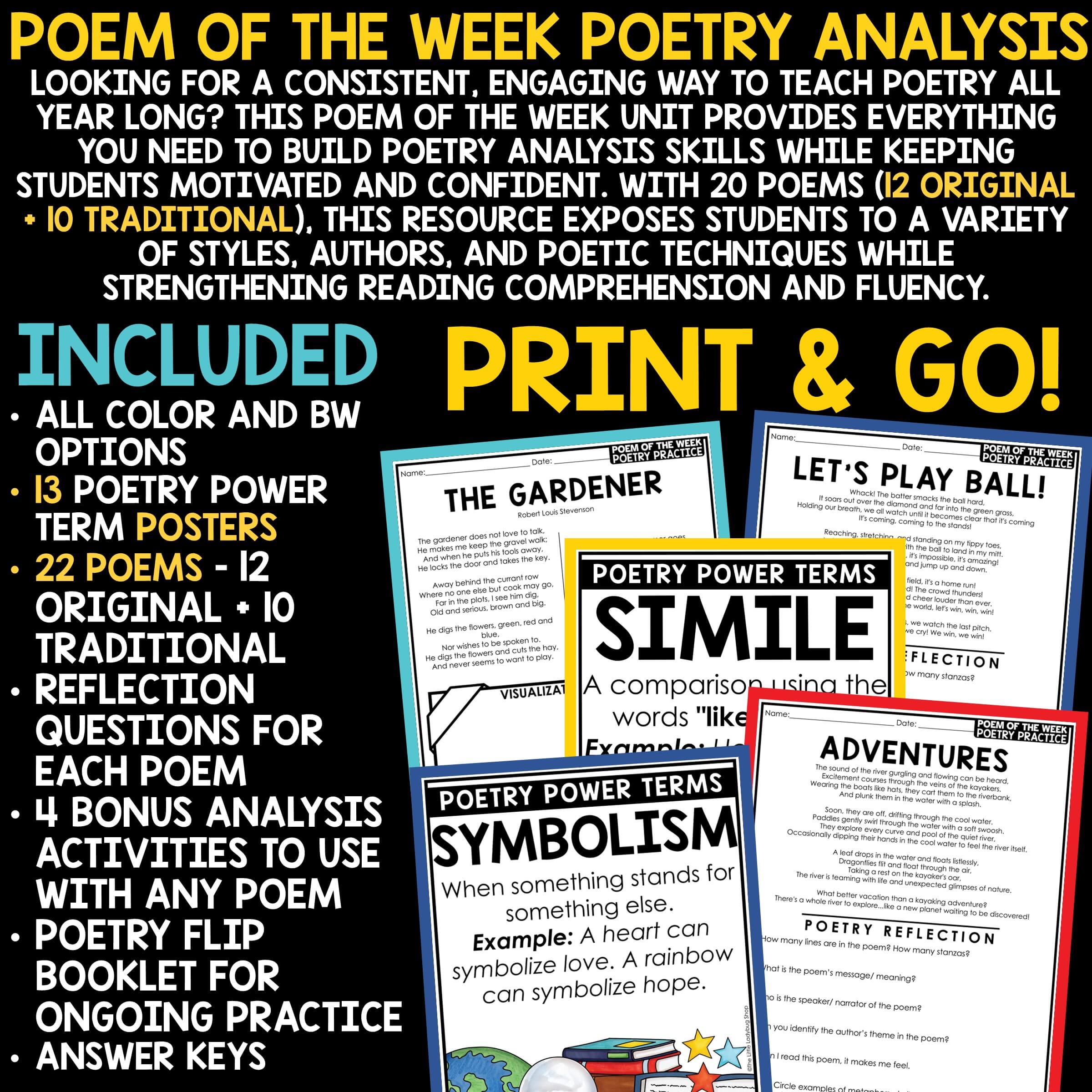
Poetry Detective: Find the Figurative Language
Listen to 'Taki Tahi, Over One, Under One' poem Spot the similes and metaphors Discuss how they help us imagine the weaving and community Share what pictures formed in your mind

Taki Tahi: The Art of Weaving Together
'Taki tahi' means 'over one, under one' in te reo Māori This weaving technique connects individual strands into something strong Like weaving, poetry connects individual words to create powerful meaning Both weaving and poetry tell stories and preserve culture
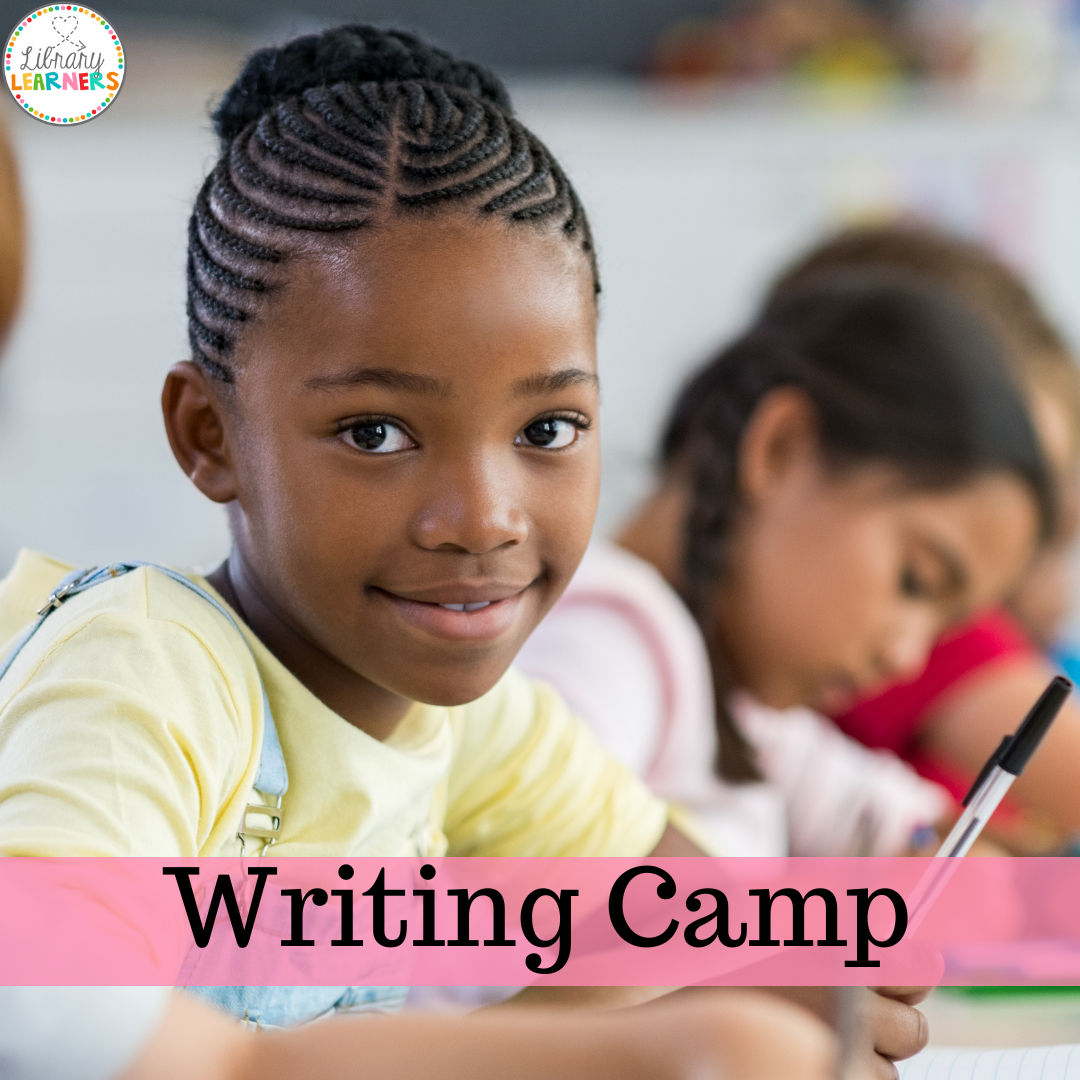
Create Your Own Vivid Poetry
Plan your poem using our graphic organizer Choose something from nature or culture to write about Include at least one simile or metaphor Think about what pictures you want to create in readers' minds Use our word bank for inspiration

Plenary: Reflecting on Our Learning Journey
'Kei hopu tōu ringa ki te aka tāepa, engari kia mau ki te aka matua' - Hold fast to the main vine Like the strong connections in weaving, our words connect to create meaning Poetry and traditional arts both preserve stories and bring communities together