Visual Inquiry Across Cultural Contexts
Exploring Aotearoa New Zealand Māori and Global Perspectives Year 11 Visual Arts Practice-Based Visual Inquiry
WALT: Understand Visual Inquiry
Define visual inquiry as a research method Identify how artists investigate cultural themes Recognize the importance of cultural context in art Develop skills in visual analysis and interpretation
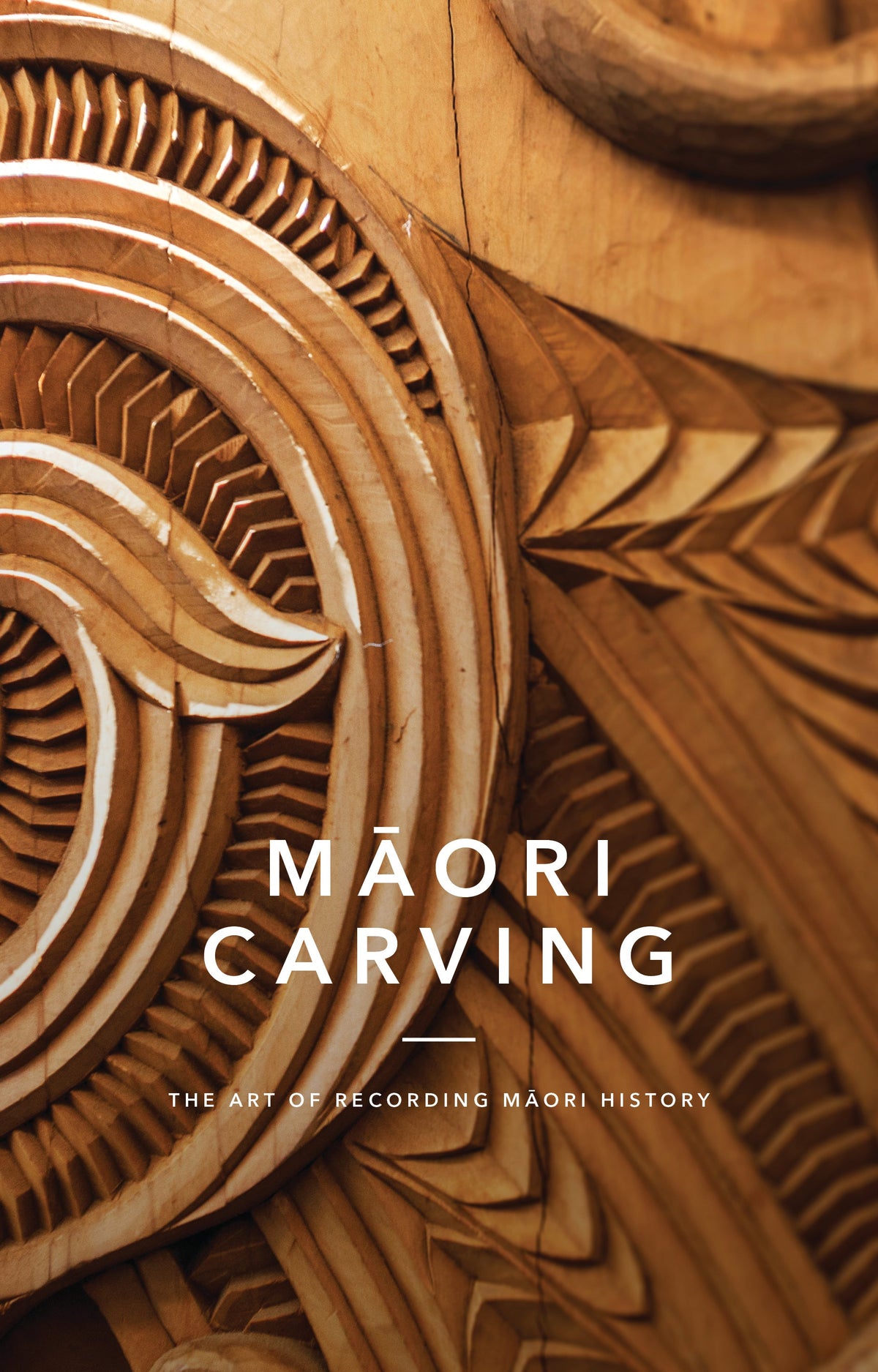
Māori Visual Traditions
Whakairo (carving) as storytelling Tā moko expressing identity and genealogy Kōwhaiwhai patterns connecting to whakapapa Contemporary Māori artists bridging tradition and modernity
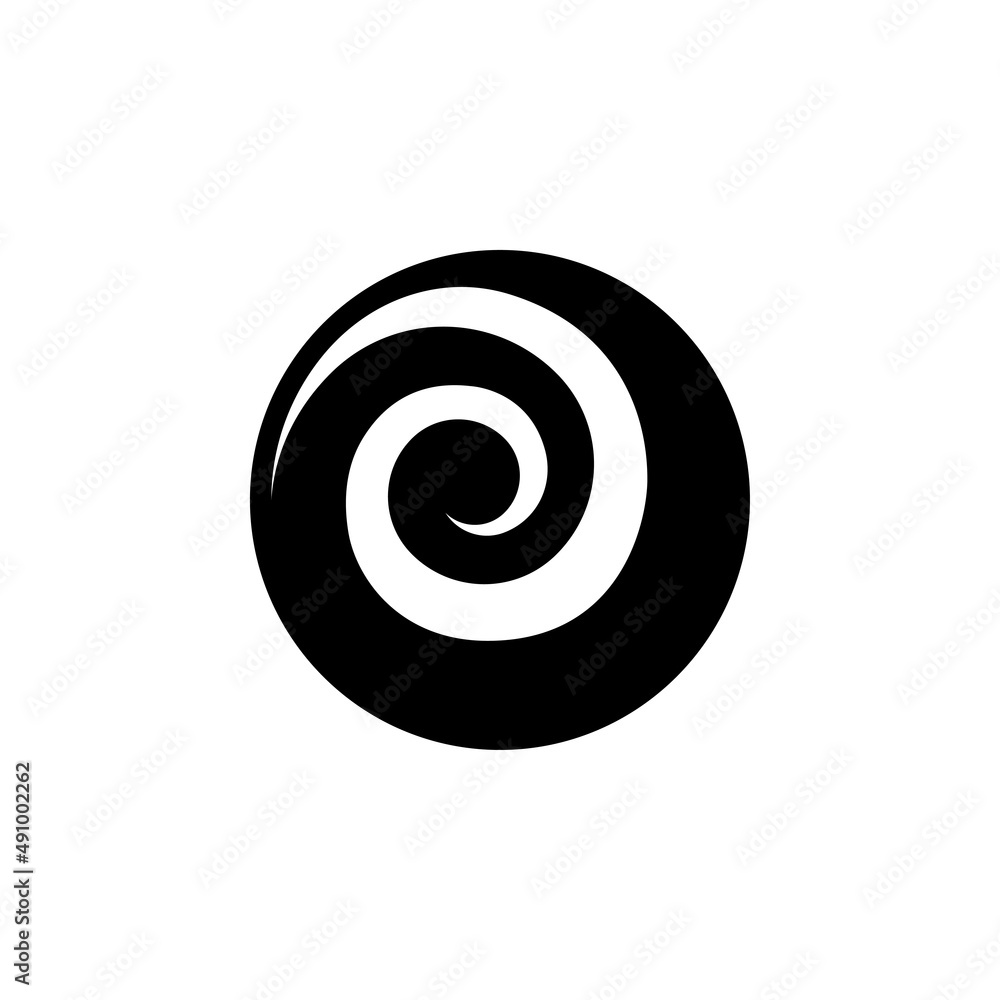
Cultural Symbol Analysis
Choose a Māori symbol (koru, manaia, etc.) Research its cultural meaning and significance Sketch the symbol and note visual elements Compare with a symbol from another culture Present findings to the class

Contemporary Māori Artists
Shane Cotton: Blending traditional and contemporary themes Michael Parekowhai: Challenging cultural stereotypes Lisa Reihana: Digital storytelling and cultural identity Robyn Kahukiwa: Celebrating Māori whakapapa

Comparing Cultural Contexts
{"left":"Traditional Māori art serves community and spiritual purposes\nOften created for specific ceremonial or social functions\nEmphasizes connection to ancestors and land\nUses natural materials and traditional techniques","right":"Contemporary global art often serves individual expression\nCreated for galleries, museums, or commercial purposes\nEmphasizes personal vision and innovation\nUses diverse materials and experimental techniques"}
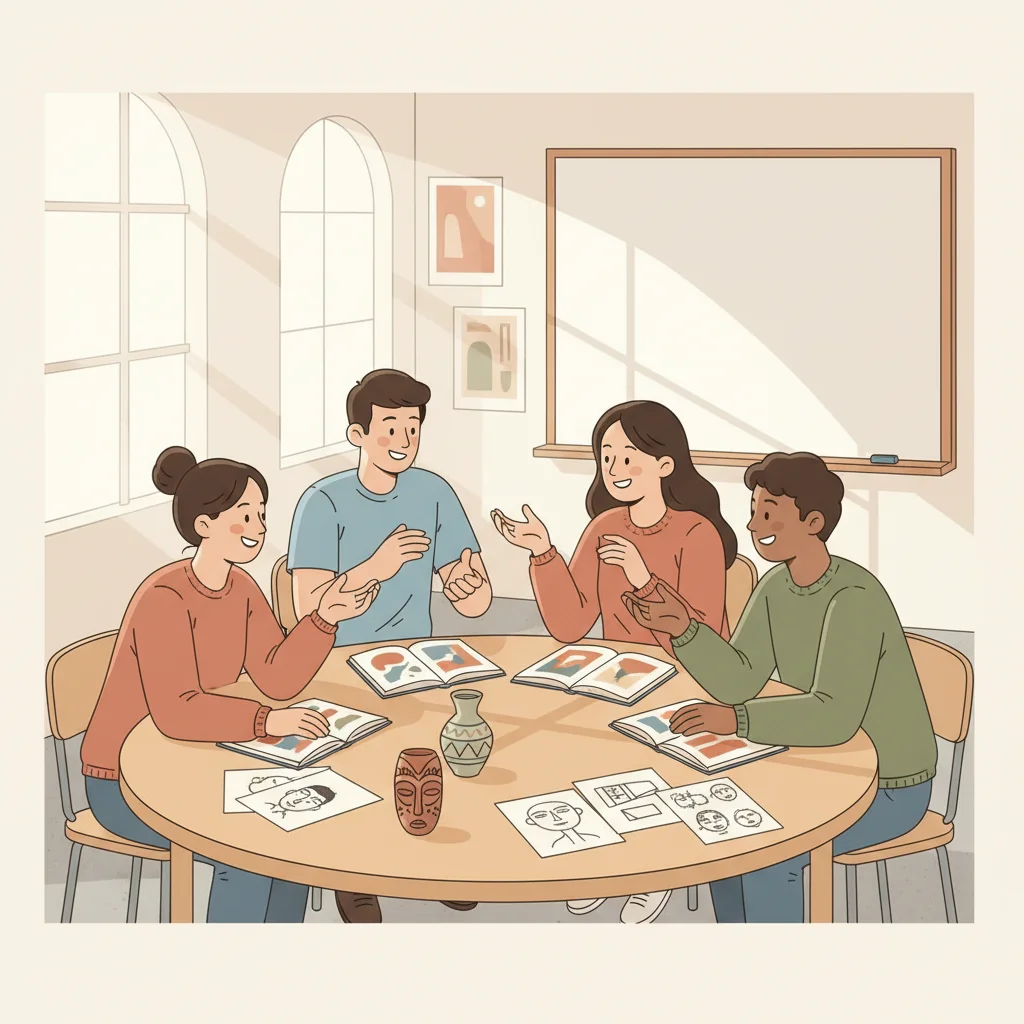
Discussion Question
How do artists from different cultures use visual inquiry to explore identity? What role does cultural context play in shaping artistic expression? Can you identify universal themes across different cultural art forms?
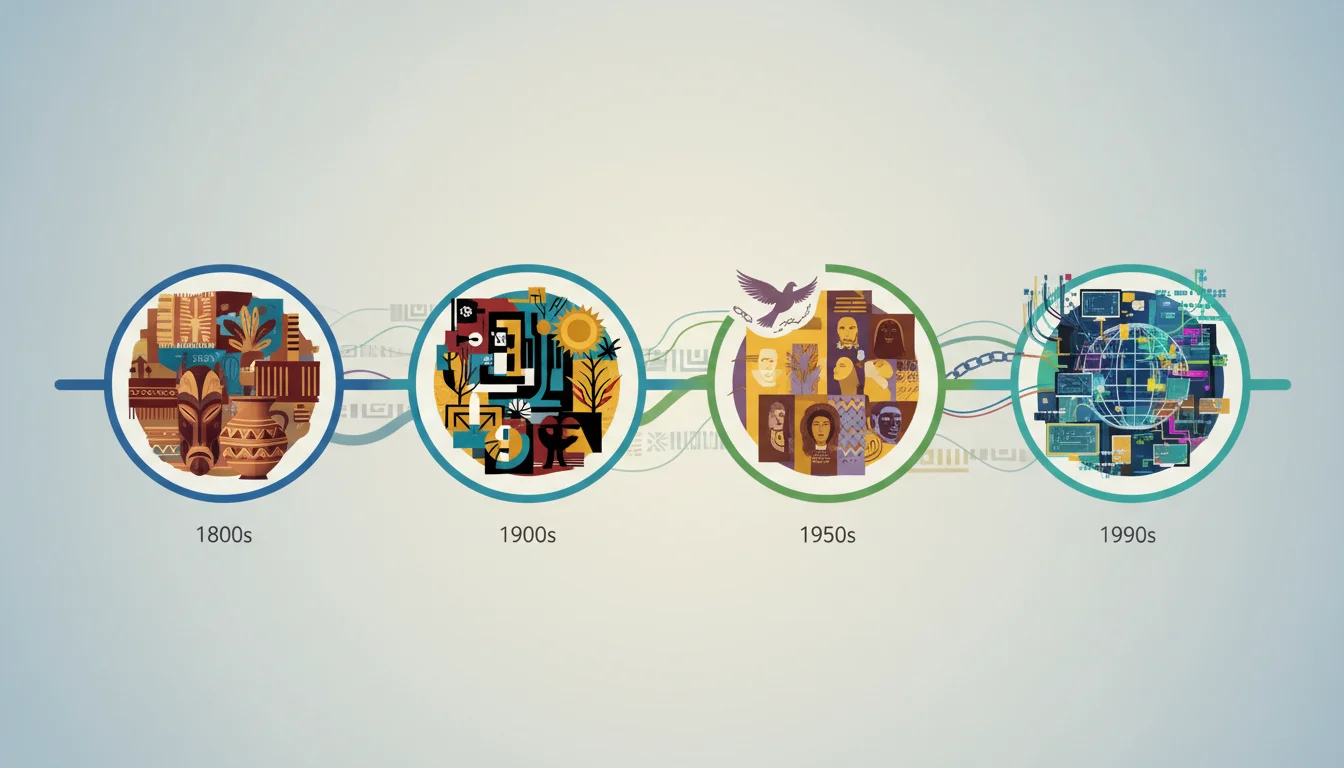
Global Perspectives Timeline
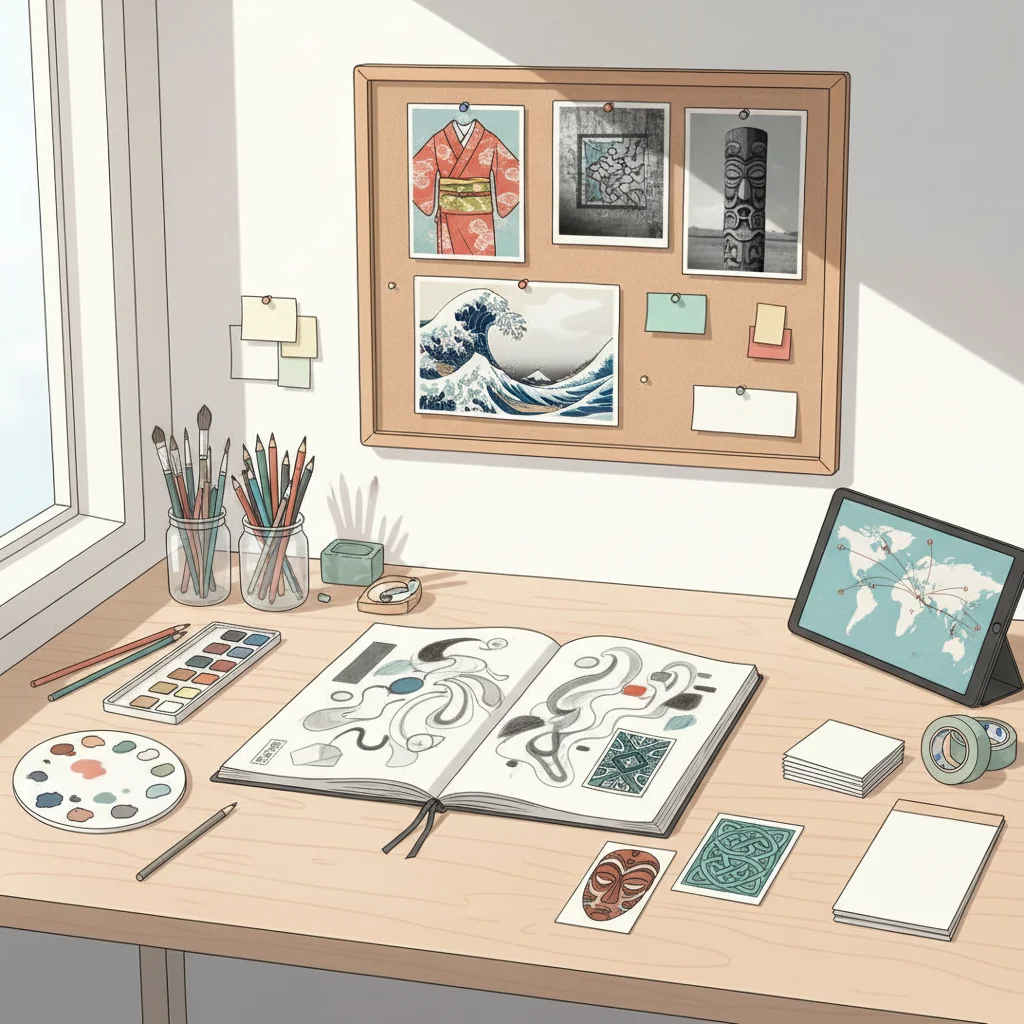
Create Your Visual Inquiry
Choose a cultural theme that interests you Research visual approaches from two different cultures Create preliminary sketches exploring the theme Document your research and artistic decisions Plan a final artwork that bridges cultural perspectives
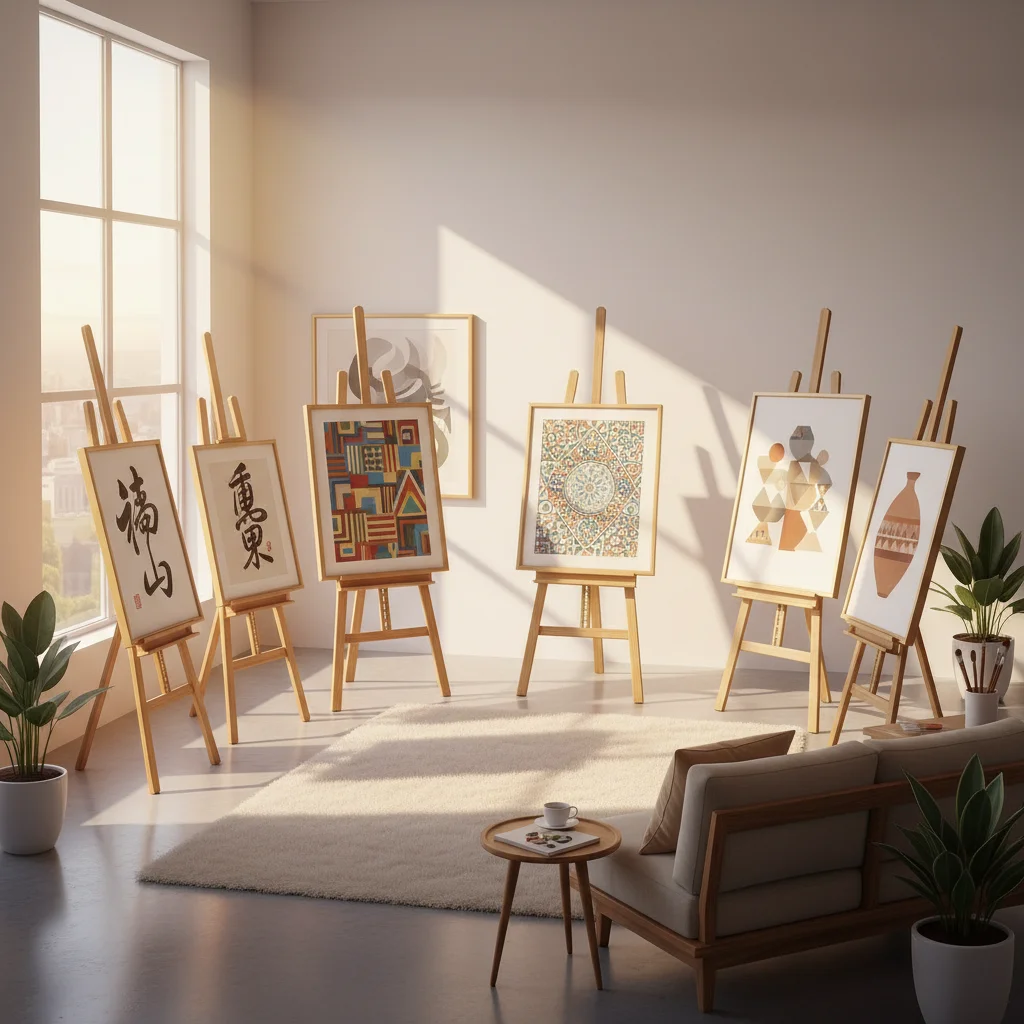
Reflection and Next Steps
"Art is not what you see, but what you make others see." - Edgar Degas Visual inquiry helps us understand diverse perspectives Cultural context shapes both the questions we ask and how we answer them Continue developing your cross-cultural artistic investigation