
Understanding Te Tiriti o Waitangi
Year 12 New Zealand History Exploring the foundation of our nation 60-minute lesson introduction
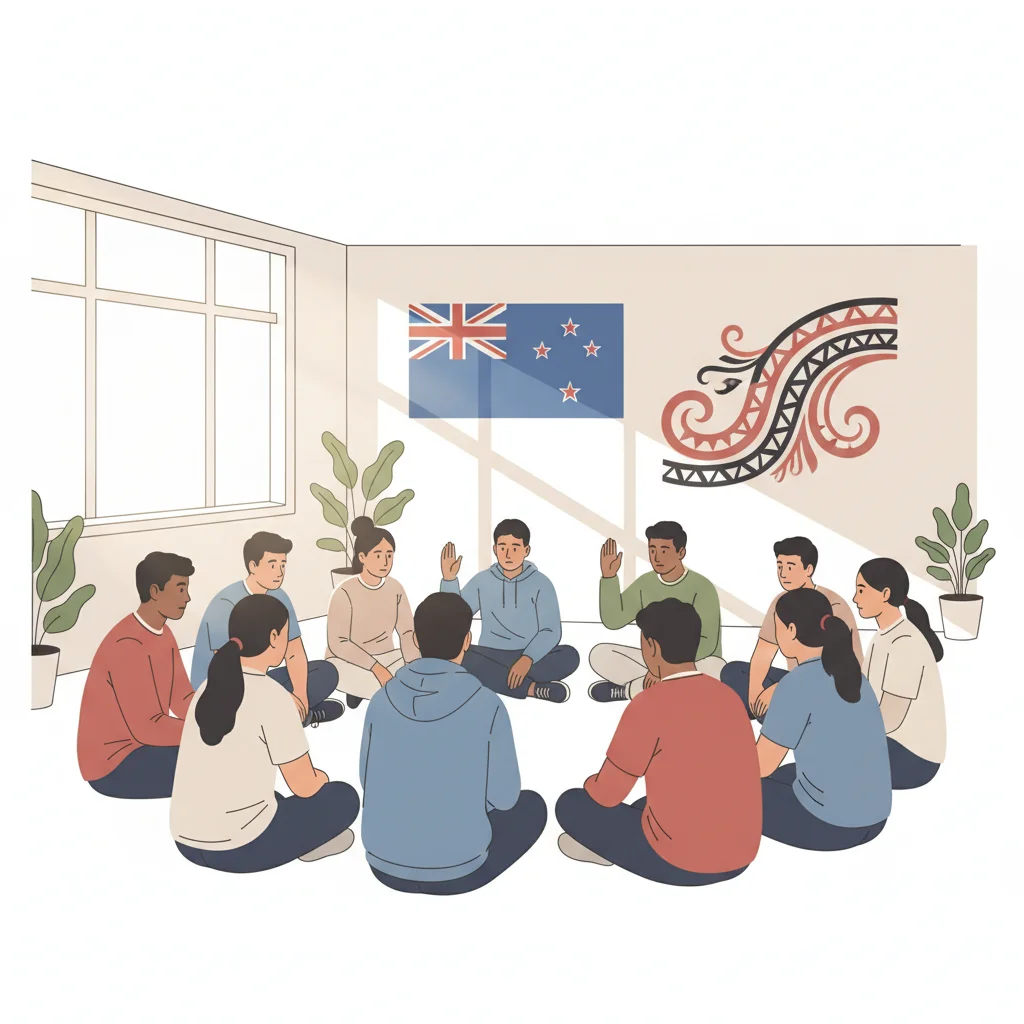
What do you already know about the Treaty of Waitangi?
Think about what you've heard before Consider different perspectives Share your initial thoughts
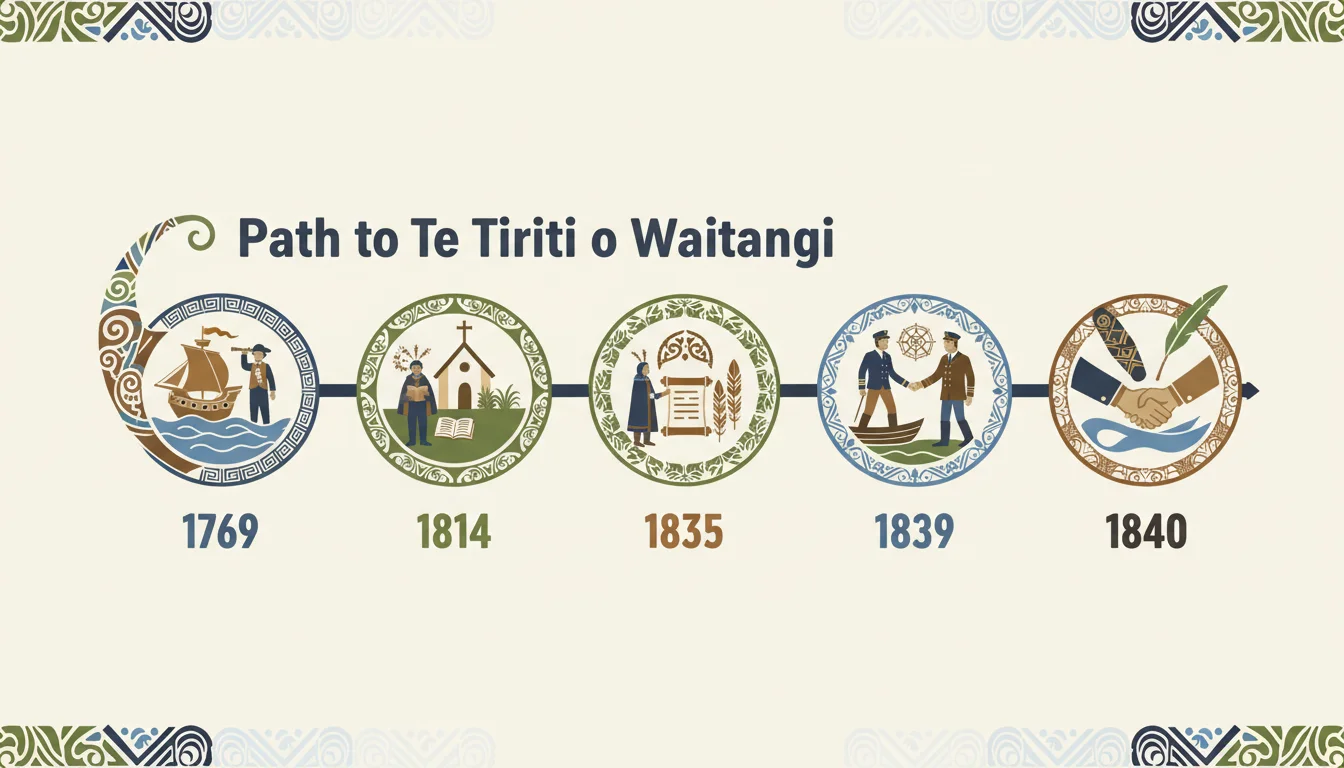
Timeline: Events Leading to 1840

Key Figures in the Treaty Signing
Captain William Hobson - British representative Hone Heke - Influential Māori chief Over 40 Māori chiefs signed at Waitangi Each brought different perspectives and motivations
Two Versions of Te Tiriti
{"left":"English version promised British sovereignty\nMāori version used 'kāwanatanga' (governance)\nDifferent understandings of key concepts","right":"Māori chiefs thought they retained 'tino rangatiratanga'\nThese differences continue to influence New Zealand today\nBoth versions are considered equally valid"}

Think-Pair-Share: Treaty Significance
THINK: Why was Te Tiriti important in 1840? PAIR: Share your ideas with a partner SHARE: Discuss similarities and differences Consider: Why is it still important today?

Te Tiriti as a Living Document
"The Treaty is not just a historical document - it continues to guide relationships between the Crown and Māori today" - Waitangi Tribunal

Reflection and Next Steps
What surprised you about Te Tiriti today? How might different people understand the Treaty differently? Why is it important for us to learn about this? Next lesson: We'll examine the Treaty articles in detail