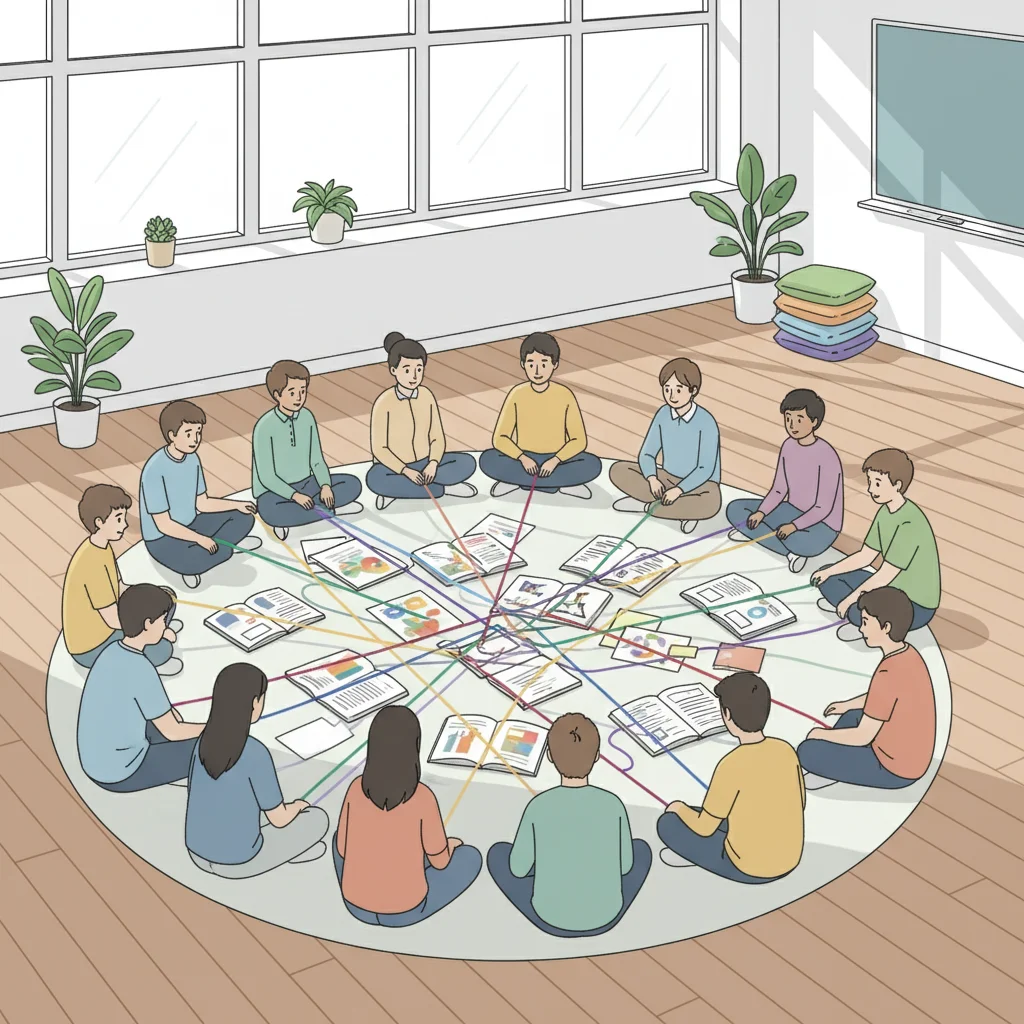
Teaching Kids Tuhinga Tuhono Connections
Understanding connections in text Year 8 English/Language Arts New Zealand Curriculum

What is Tuhinga Tuhono?
Tuhinga = text or writing Tuhono = to connect or link Making meaningful connections between texts Building deeper understanding through relationships
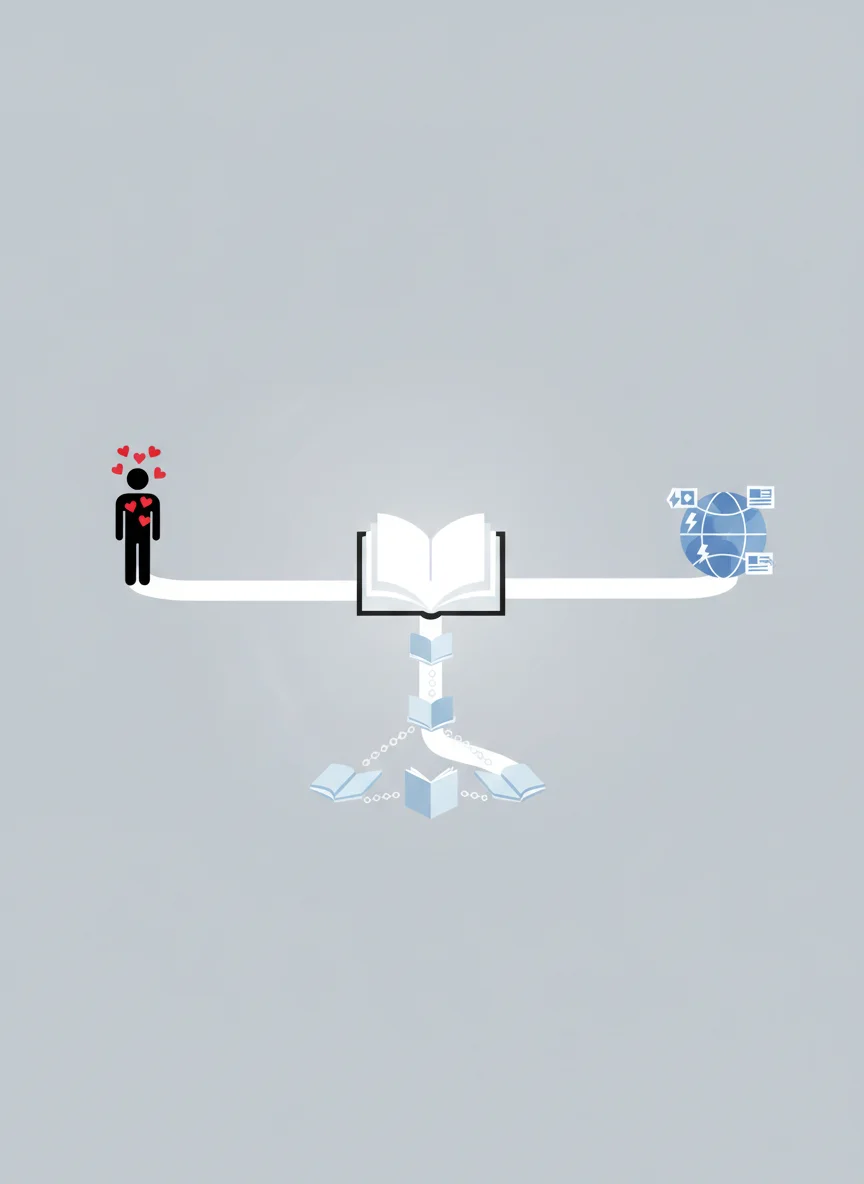
The Three Types of Connections
Text-to-Self: Personal experiences and memories Text-to-Text: Other books, stories, or articles Text-to-World: Current events and broader knowledge
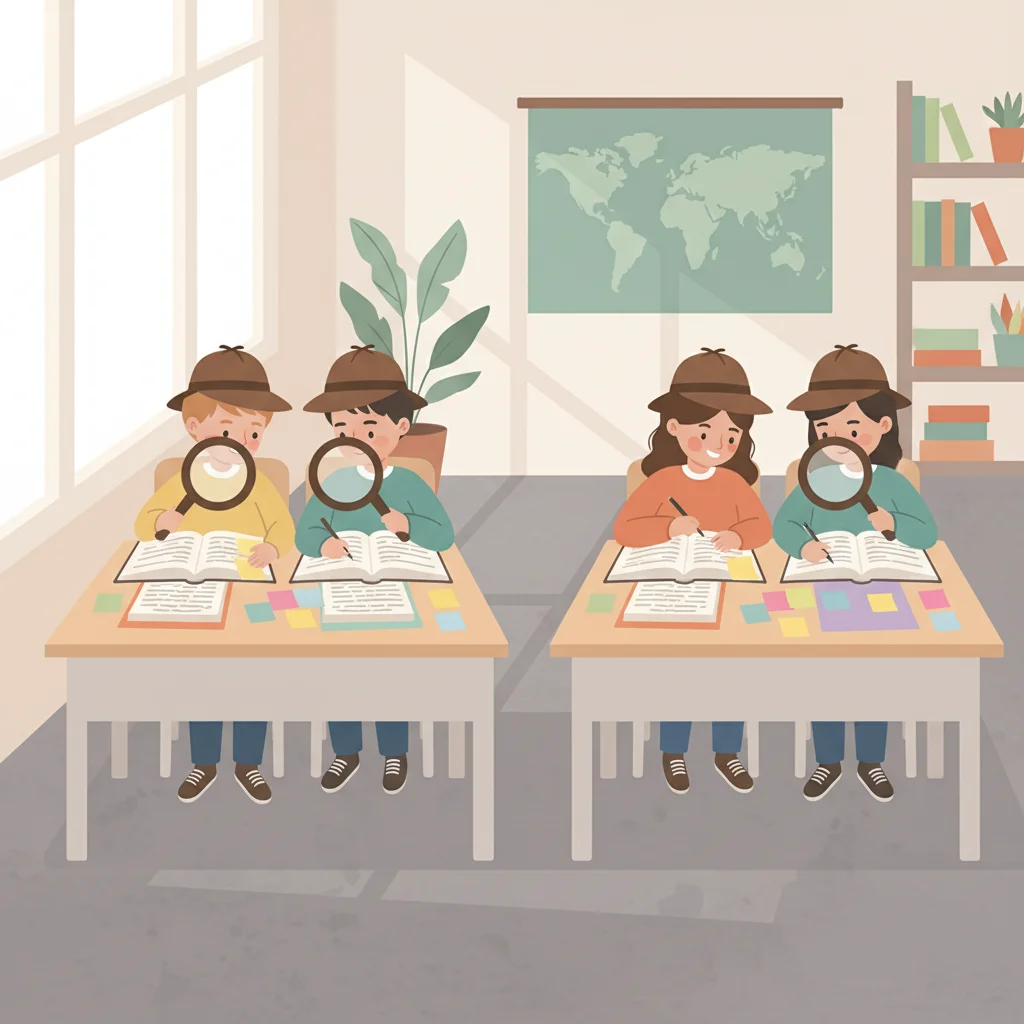
Connection Detective Activity
Read the short passage provided Identify one connection from each type Share your connections with a partner Discuss how connections change your understanding
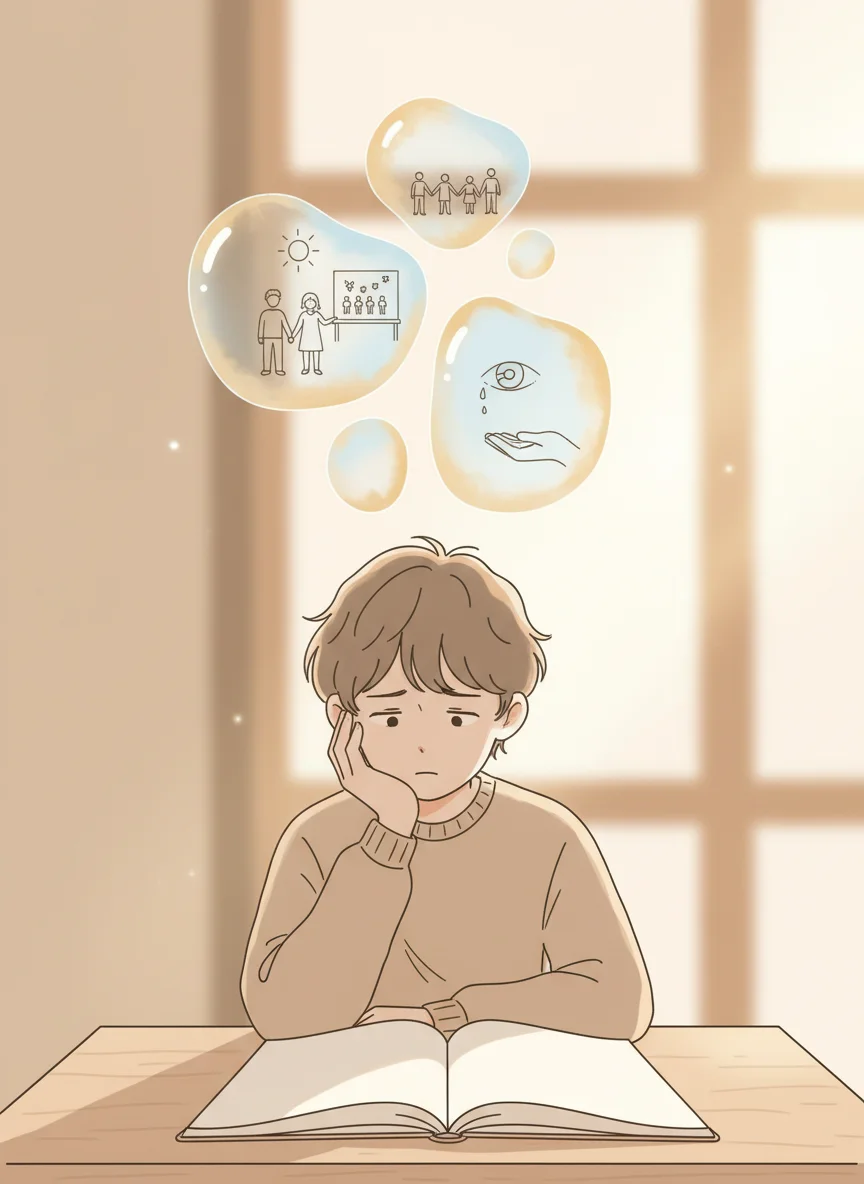
Text-to-Self Connections
Connect to your own experiences Relate to characters' emotions or situations Remember similar events in your life Consider how you would react in the same situation
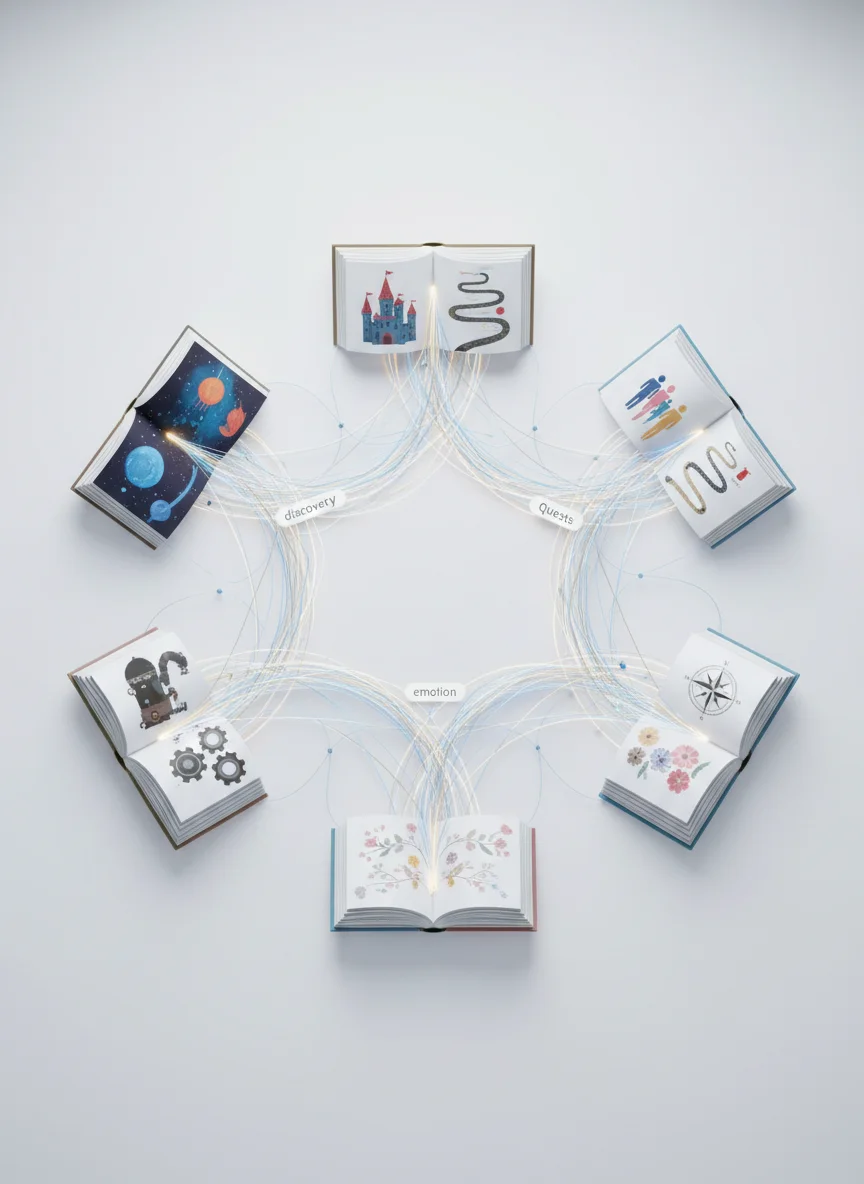
Text-to-Text Connections
Compare themes between different stories Notice similar characters or plot patterns Connect different genres on the same topic Link fiction to non-fiction sources
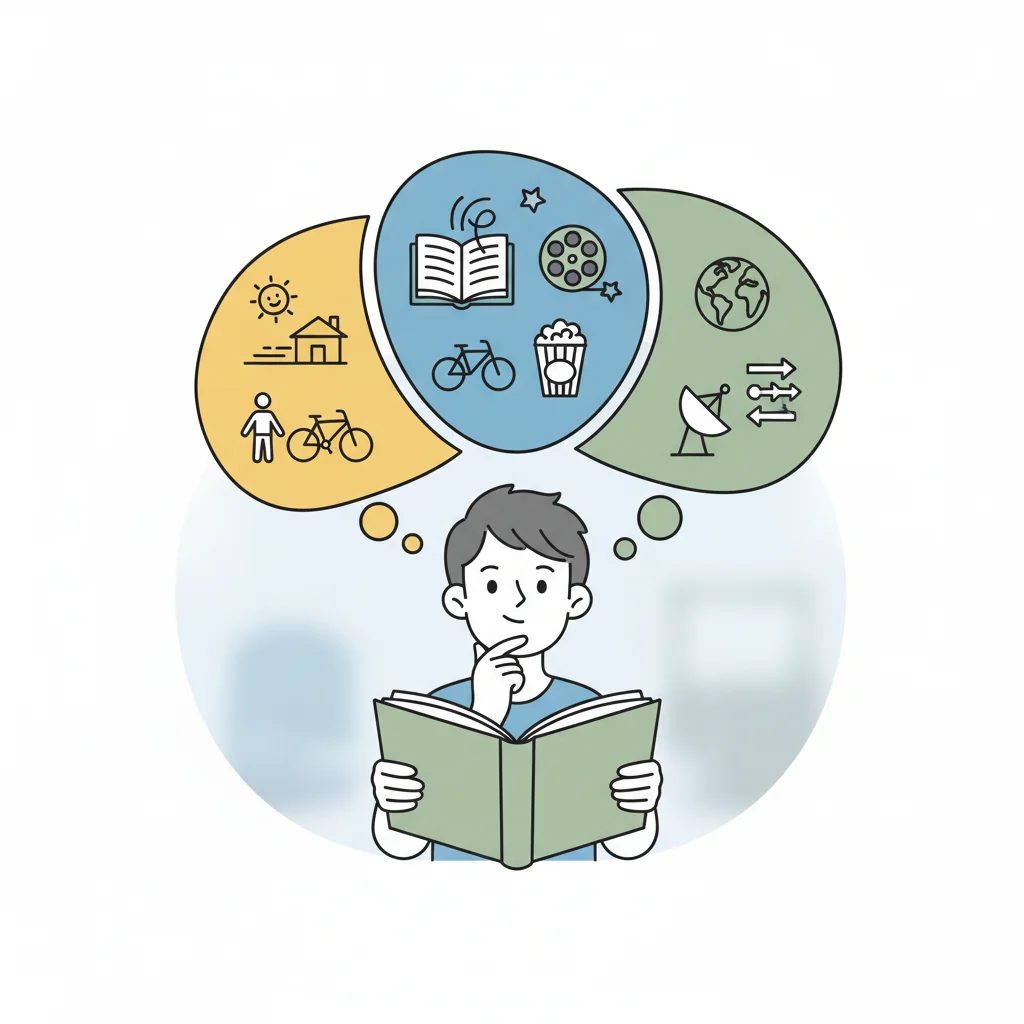
Quick Check: Can You Connect?
Think about the last book you read What personal experience did it remind you of? What other book or movie had a similar theme? How did it connect to something happening in the world?
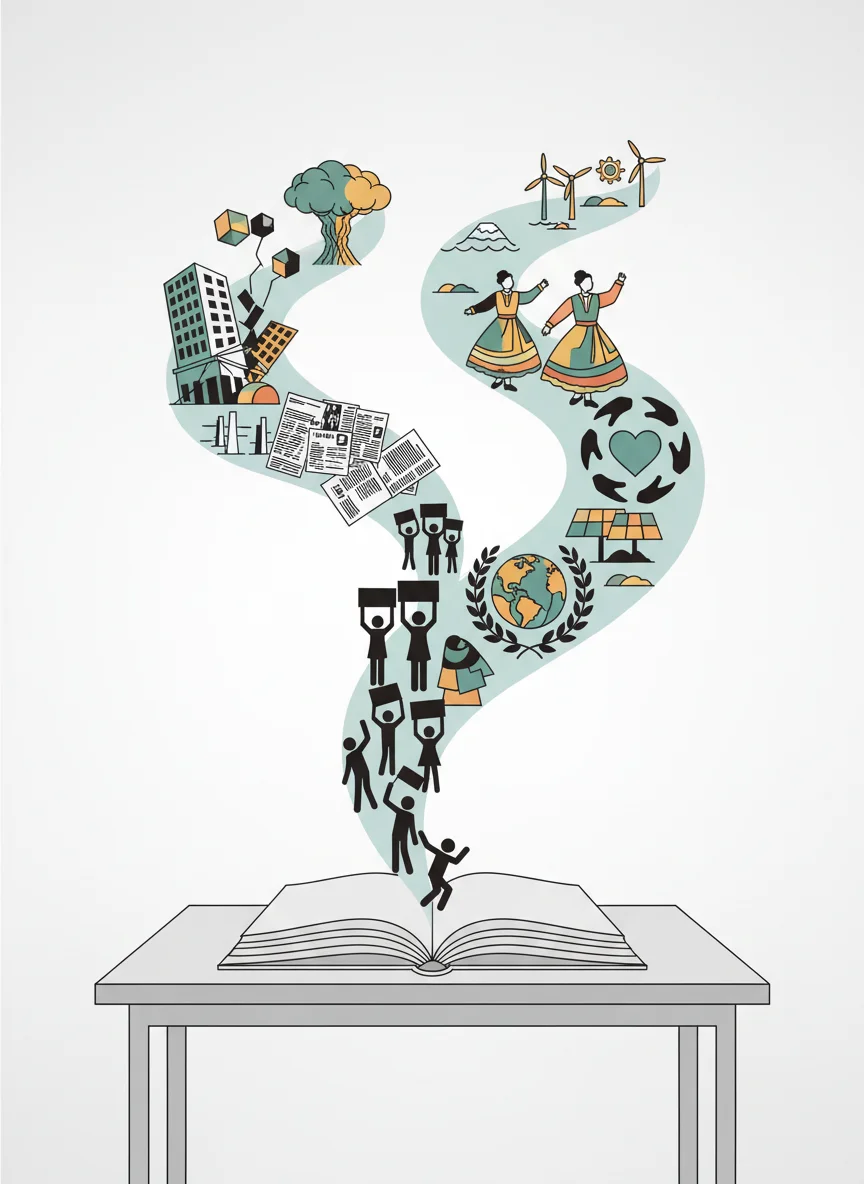
Text-to-World Connections
Link stories to current events Connect to historical knowledge Relate to social issues and problems Consider global perspectives and cultures
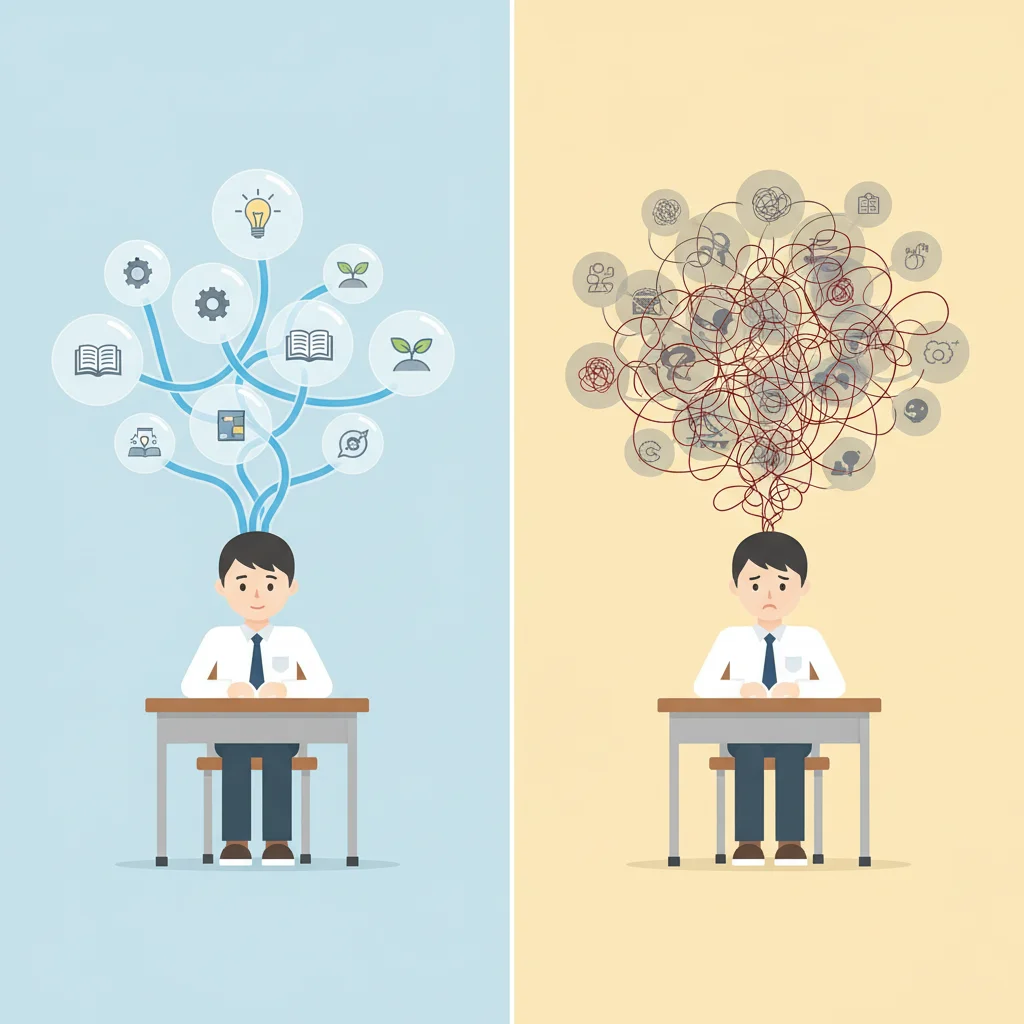
Making Strong vs. Weak Connections
{"left":"Strong connections deepen understanding\nSupport ideas with specific details\nExplain how the connection helps you understand\nMake connections that are meaningful, not random","right":"Weak connections are surface-level only\nDon't explain the relationship clearly\nAre forced or don't really fit\nDon't add to your understanding of the text"}
Putting It All Together
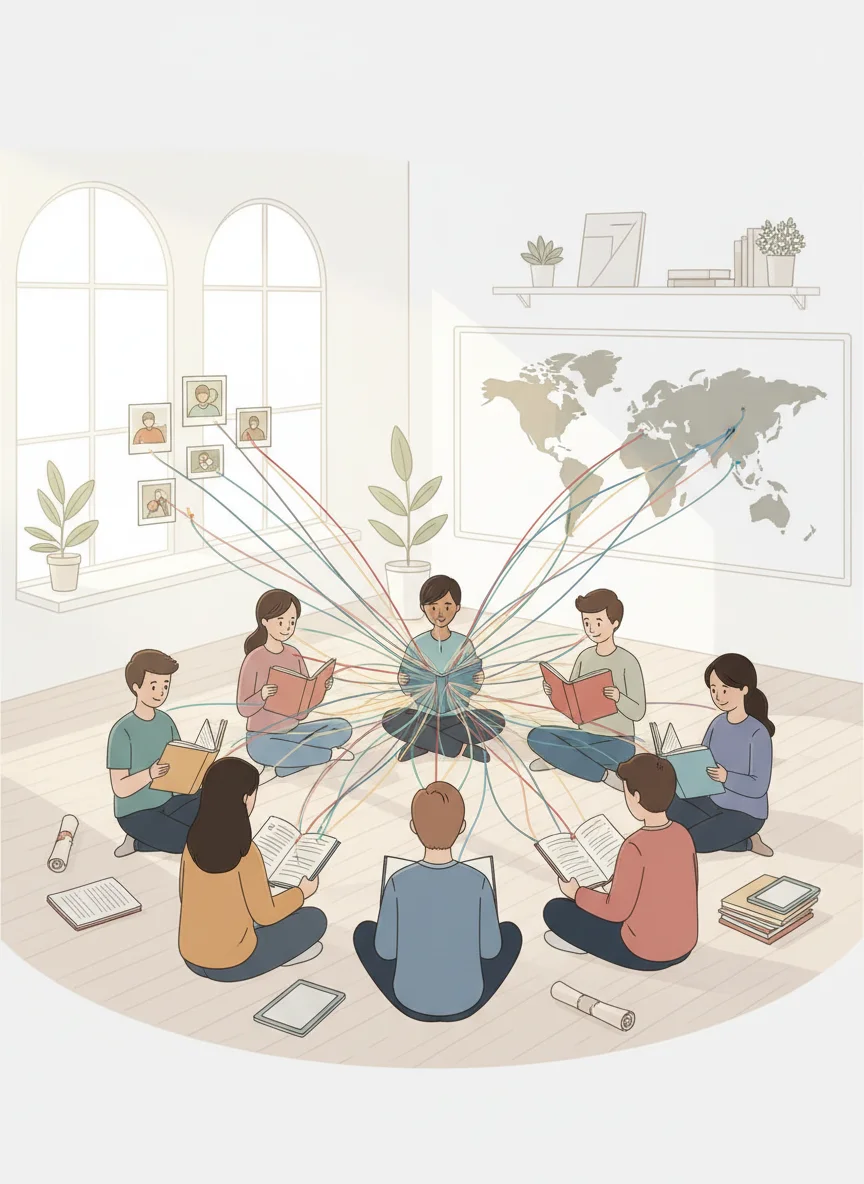
Connections make reading more meaningful They help us understand characters and themes better Practice making connections with every text you read Share your connections to deepen discussions