Te Ao Haka Performance Glossary
Understanding Key Terms in Māori Performing Arts Year 13 Performing Arts & Cultural Studies Building Cultural Knowledge and Performance Skills

WALT & Success Criteria
WALT: We Are Learning To understand and apply Te Ao Haka terminology in performance contexts Success Criteria: Define 10+ key Māori performance terms Success Criteria: Explain the cultural significance of each term Success Criteria: Apply terminology when analyzing haka performances Extension: Create a visual glossary with examples
Core Performance Elements
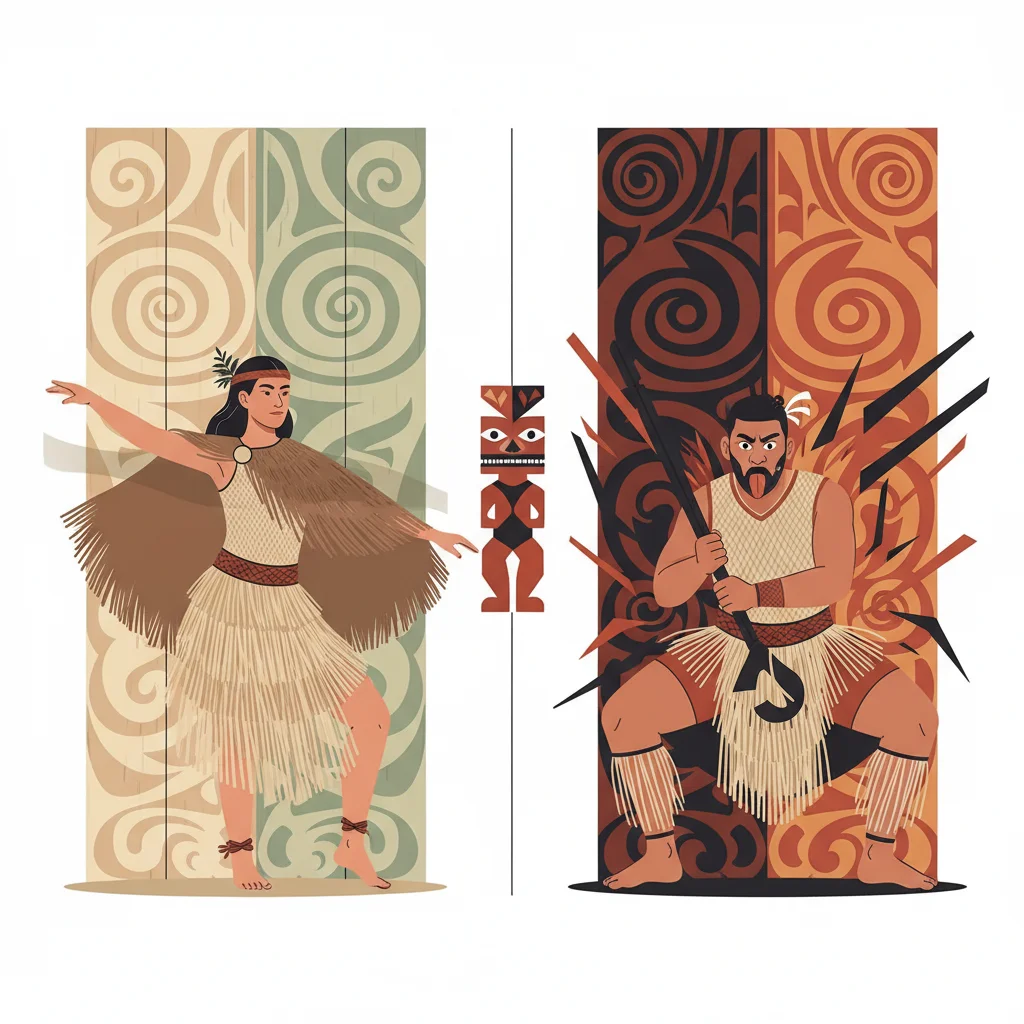
{"left":"Te Hiringa (Energy) - How performance is delivered with volume, flow, and emotion\nTe Manawataki (Rhythm) - Regular repeated patterns of movement and sound\nTe Hanga (Shape) - Conscious body movements and stances to convey meaning","right":"Te Oro/Te Hā (Tone) - Pitch, quality, and strength of sound and voice\nNgā Taineke (Dynamics) - Volume, energy, flow and speed of performance\nTe Wāhi (Space) - Physical setting and use of surroundings"}
Terminology Matching Activity
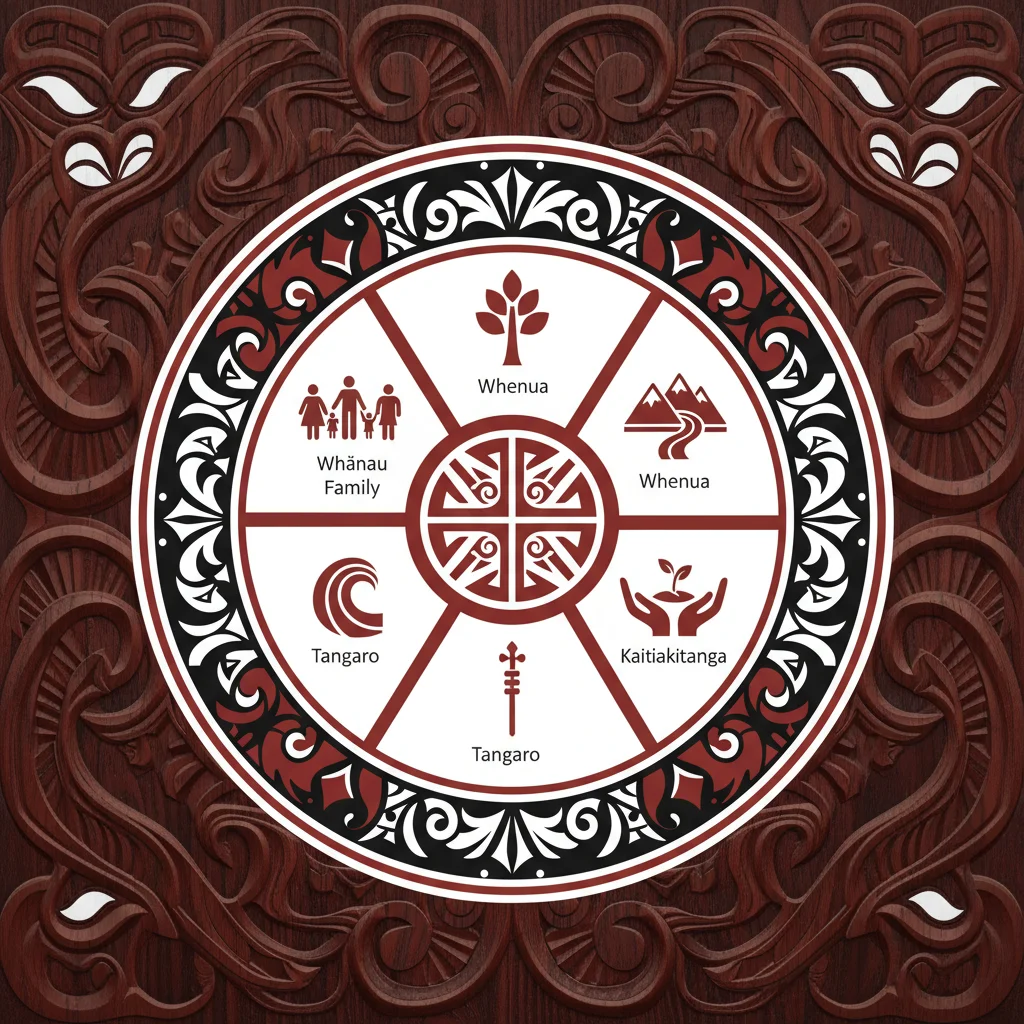
Match the Māori term to its English meaning: Work in pairs to complete the glossary wheel Discuss cultural contexts with your partner Present one term pair to the class with an example
Te Ihi, te Wehi, me te Wana
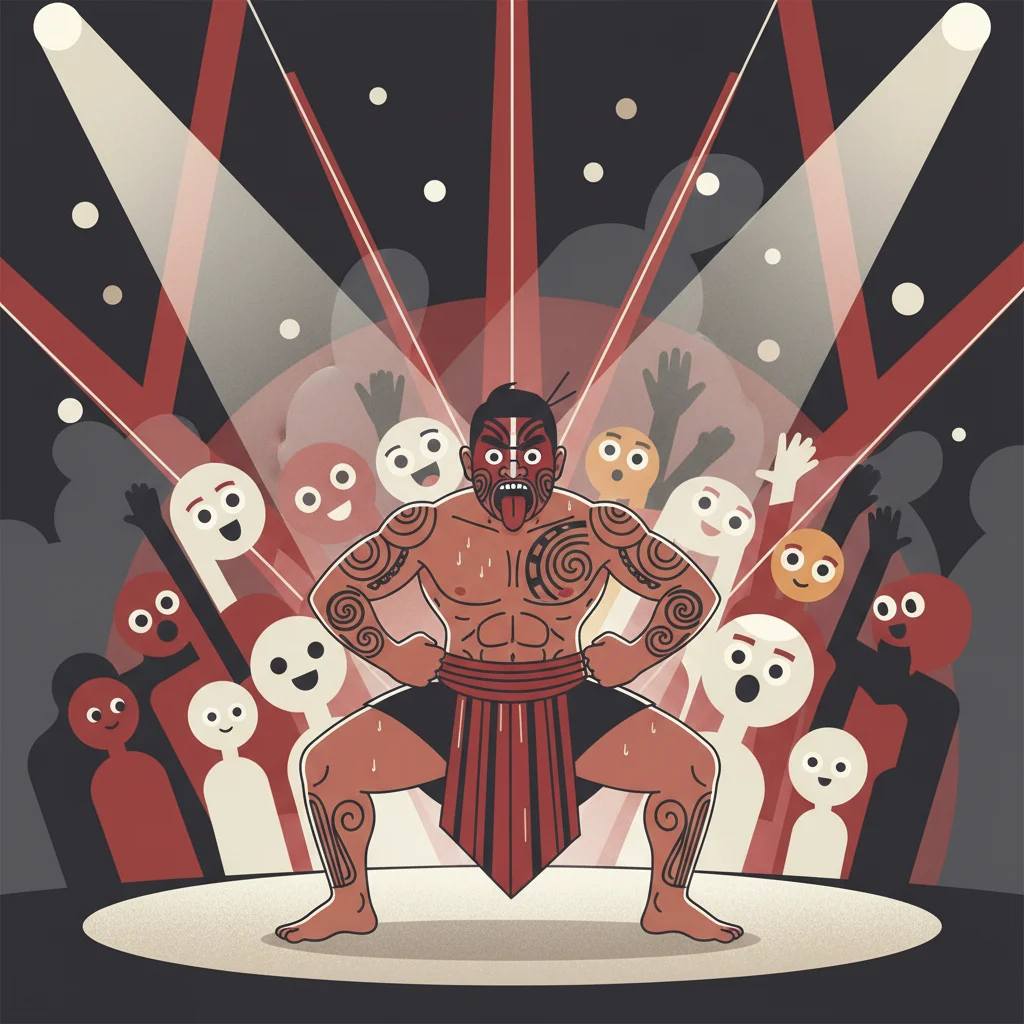
'Ihi: Performer's magnetism' 'Wehi: Audience's awe' 'Wana: The excitement generated' 'Together, they represent artistic proficiency'
Applying Your Knowledge
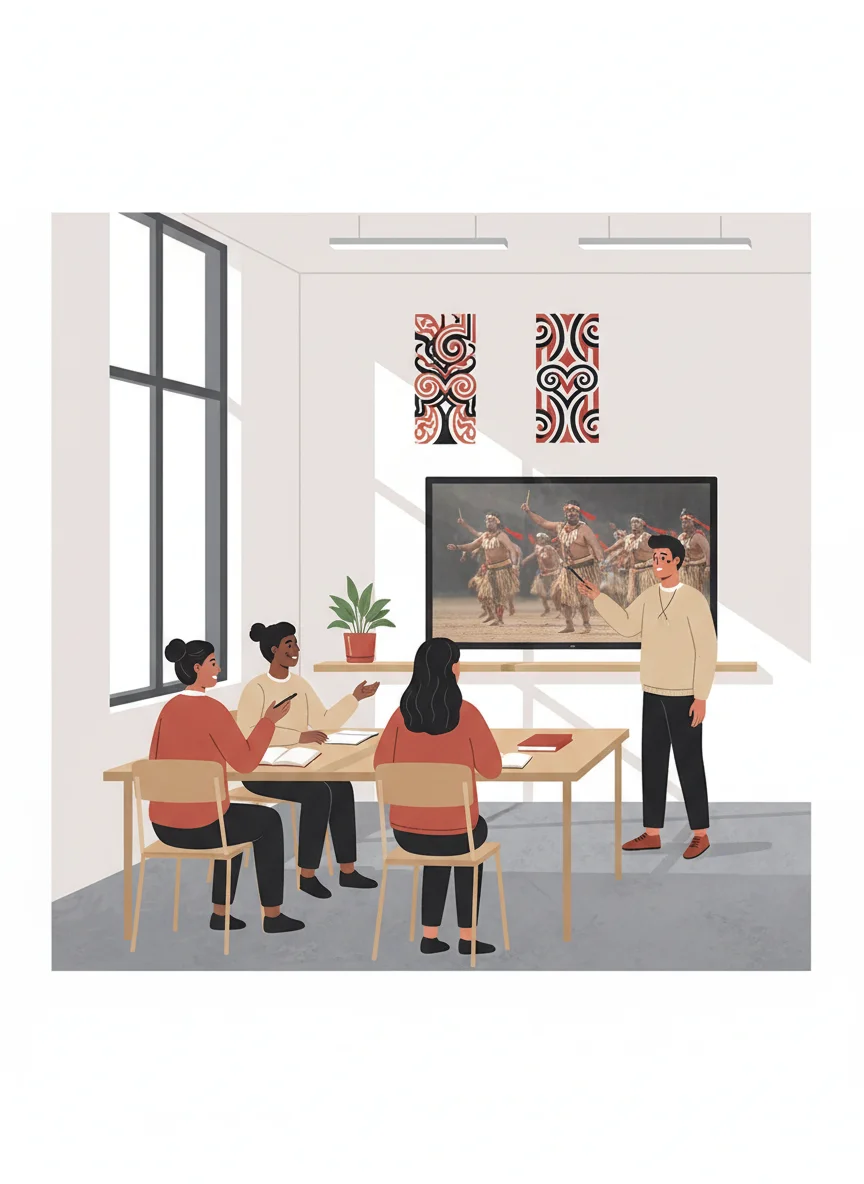
Watch performance examples and identify key terms Practice using terminology in performance analysis Create your own glossary with visual examples Reflect on cultural significance and respect Extension: Research whakapapa (history) of specific terms