
Symmetry Around Us
Discovering patterns in our world Year 4 Mathematics Line and Rotational Symmetry
WALT: We Are Learning To
Identify line symmetry in shapes and objects Recognize rotational symmetry in everyday items Create our own symmetrical patterns Explain the difference between line and rotational symmetry
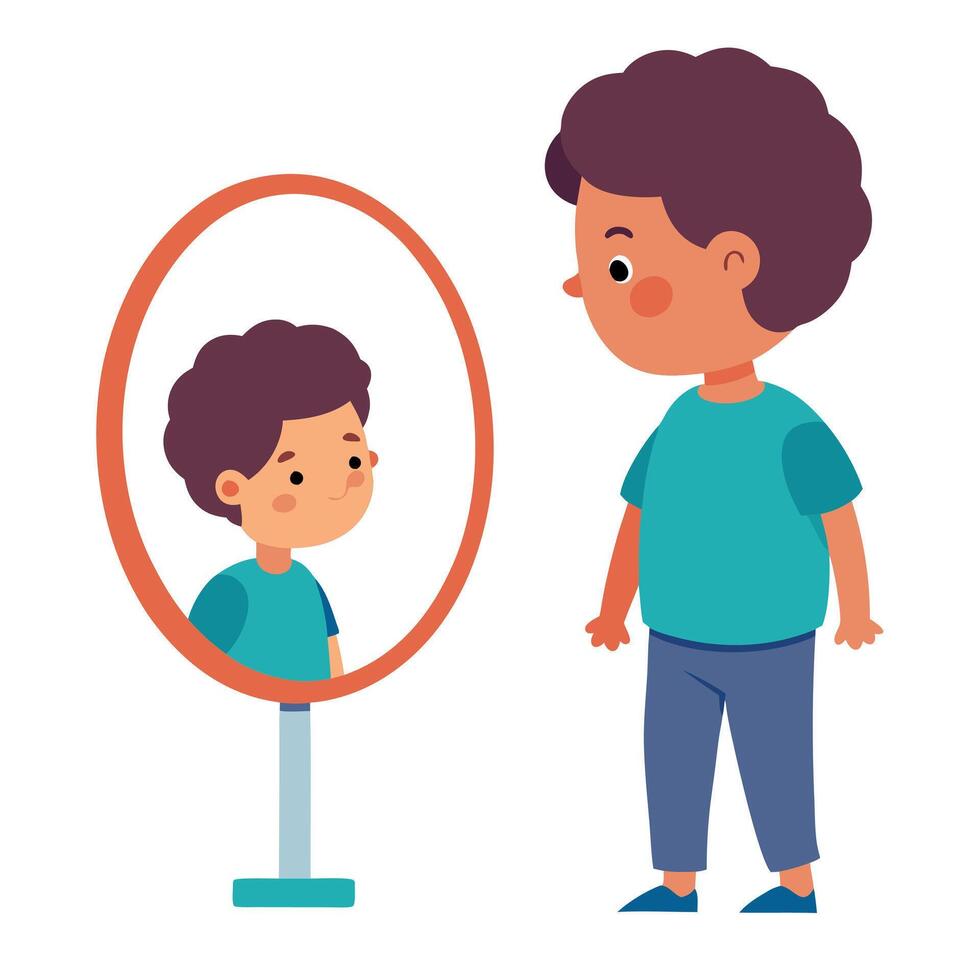
What is Symmetry?
Think about your face in a mirror What do you notice? Can you think of other things that look the same on both sides?

Line Symmetry
A line of symmetry divides a shape into two identical halves Each half is a mirror image of the other The line can be vertical, horizontal, or diagonal Some shapes have multiple lines of symmetry

Mirror Magic Activity
Use mirrors to find lines of symmetry Test different objects around the classroom Draw what you see in your workbook Work with a partner to check your answers

Rotational Symmetry
A shape has rotational symmetry if it looks the same after being rotated The shape must look identical at different positions A full turn is 360 degrees Some shapes look the same after smaller rotations

Symmetry in Nature
Comparing Symmetries
{"left":"Line Symmetry: Fold test works\nLine Symmetry: Mirror creates identical halves\nLine Symmetry: Examples: hearts, butterflies, faces","right":"Rotational Symmetry: Turn test works\nRotational Symmetry: Looks same when rotated\nRotational Symmetry: Examples: wheels, flowers, stars"}
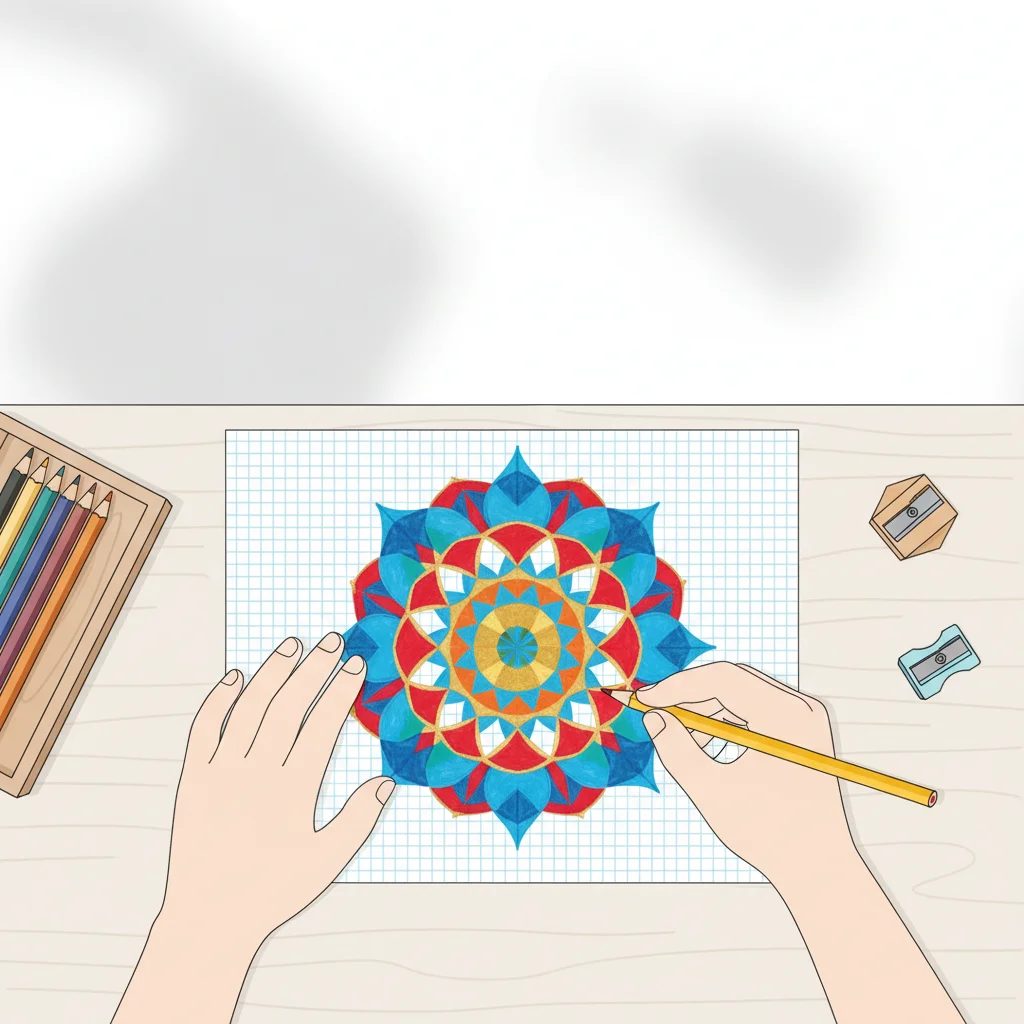
Create Your Own Symmetrical Design
Choose line symmetry OR rotational symmetry Use colored pencils and grid paper Make your design colorful and creative Test your design with a mirror or by rotating

Symmetry Success!
We can identify line symmetry using the fold test We can spot rotational symmetry by turning shapes Symmetry appears everywhere in nature and design We can create our own beautiful symmetrical patterns