
Summing Up Arithmetic Sequences
Year 12 Mathematics Finding the sum of arithmetic sequences Lesson 5 of 12
Review: Arithmetic Sequences
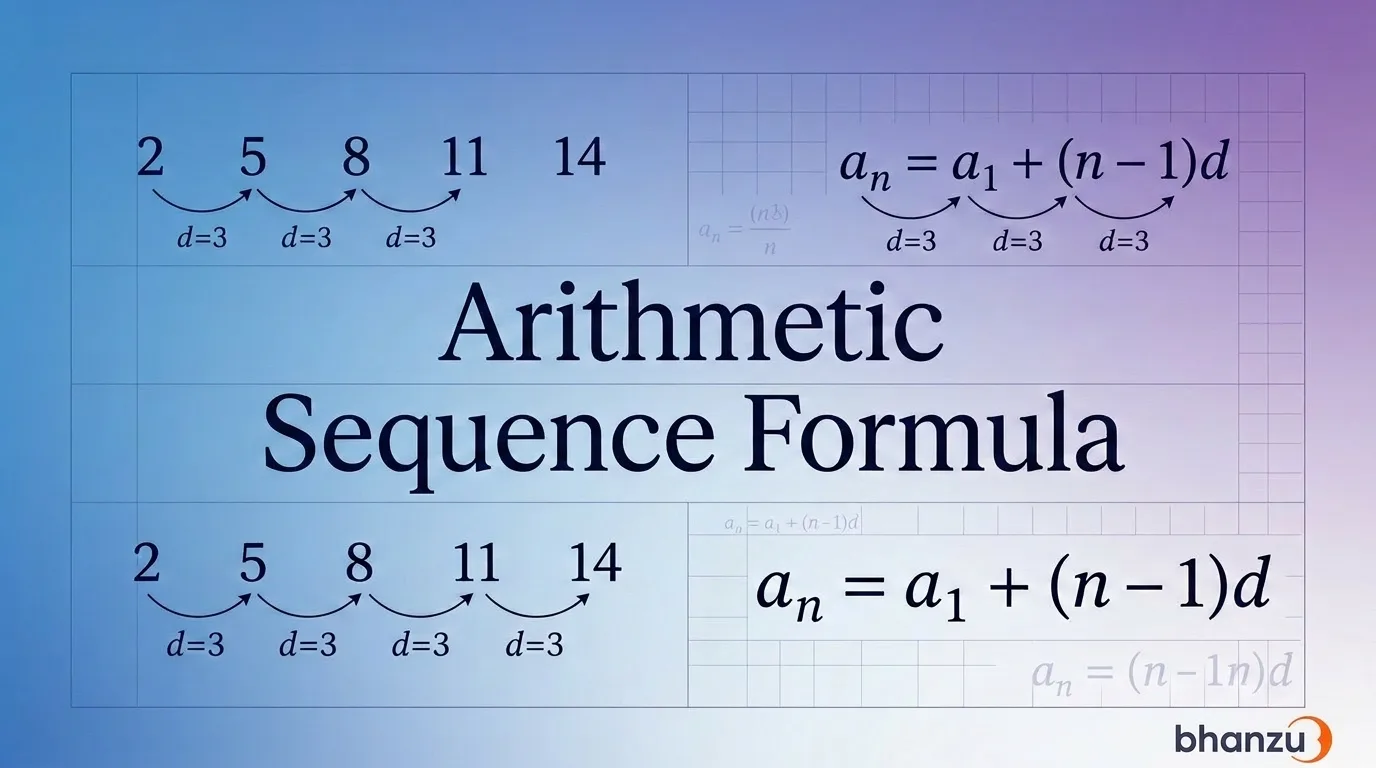
A sequence where consecutive terms have a constant difference Example: 3, 7, 11, 15, 19, ... Common difference (d) = 4 nth term formula: aₙ = a₁ + (n-1)d
The Big Question
How can we find the sum of the first n terms without adding each term individually? Example: Find the sum of the first 20 terms of 5, 8, 11, 14, ...
Gauss's Clever Method
Pair terms from the beginning and end Each pair has the same sum 1 + 100 = 101, 2 + 99 = 101, 3 + 98 = 101 Number of pairs = n/2 Total sum = (number of pairs) × (sum of each pair)

The Sum Formula Derivation

Practice Problems
Problem 1: Find the sum of the first 20 terms of 5, 8, 11, 14, ... Problem 2: A job pays $40,000 in year 1, with $2,000 annual raises. What are total earnings over 10 years? Work in pairs - use both formula forms Check your answers with a calculator
Digital Exploration
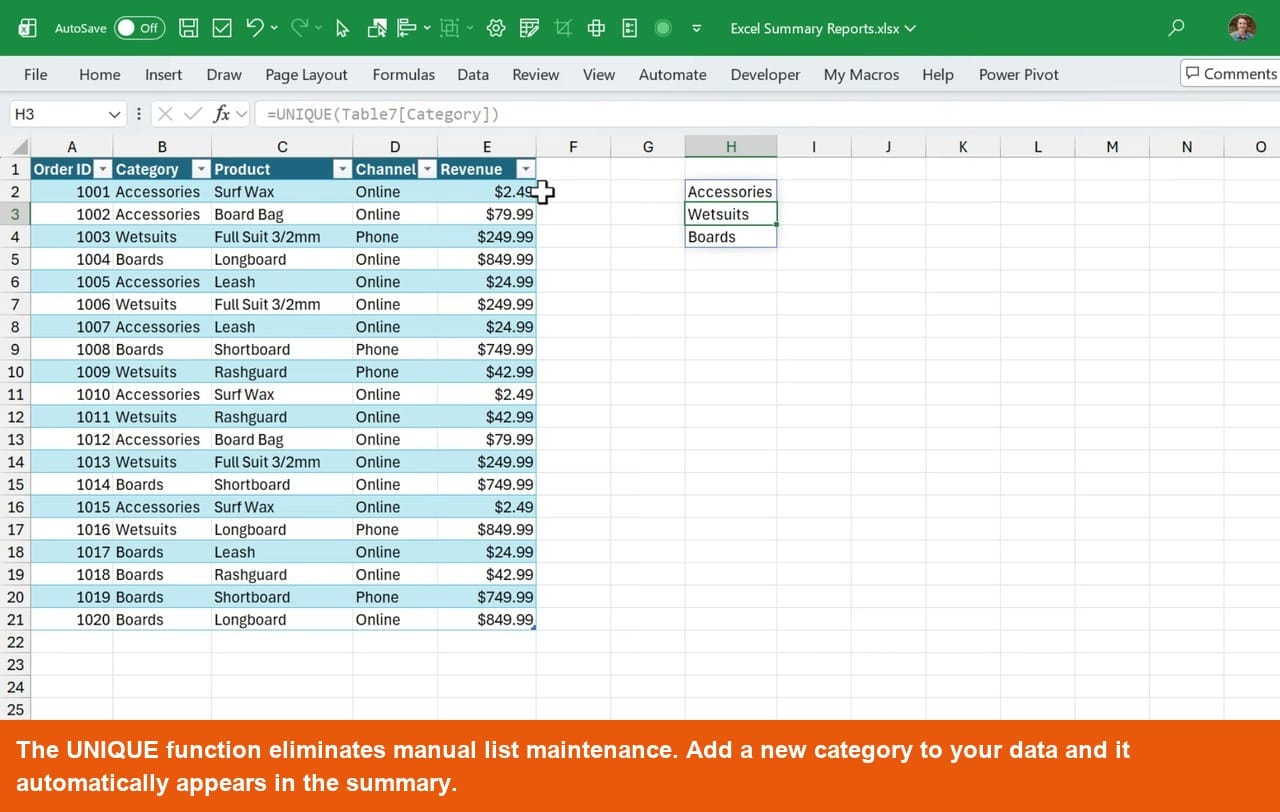
Use spreadsheets to generate arithmetic sequences Create formulas to calculate sums automatically Experiment: How does changing d affect the sum? Verify your manual calculations

Key Takeaways
Sum formula: Sₙ = n/2(2a₁ + (n-1)d) or Sₙ = n/2(a₁ + aₙ) Always identify a₁, d, and n first Pairing method shows why the formula works Real-world applications in finance, science, and more Next: Geometric sequences and their sums