
Stay Safe: Navigating the Digital World
Cyber Safety for Year 8 Building Healthy Digital Habits Protecting Your Wellbeing Online
What Does 'Cyber Safety' Mean to You?
Think about your daily online activities What risks might exist? How can we protect ourselves?

Understanding Cyber Safety
Staying safe while using digital technology Protecting personal information online Making smart choices about what we share Recognizing and avoiding online risks Maintaining positive digital relationships
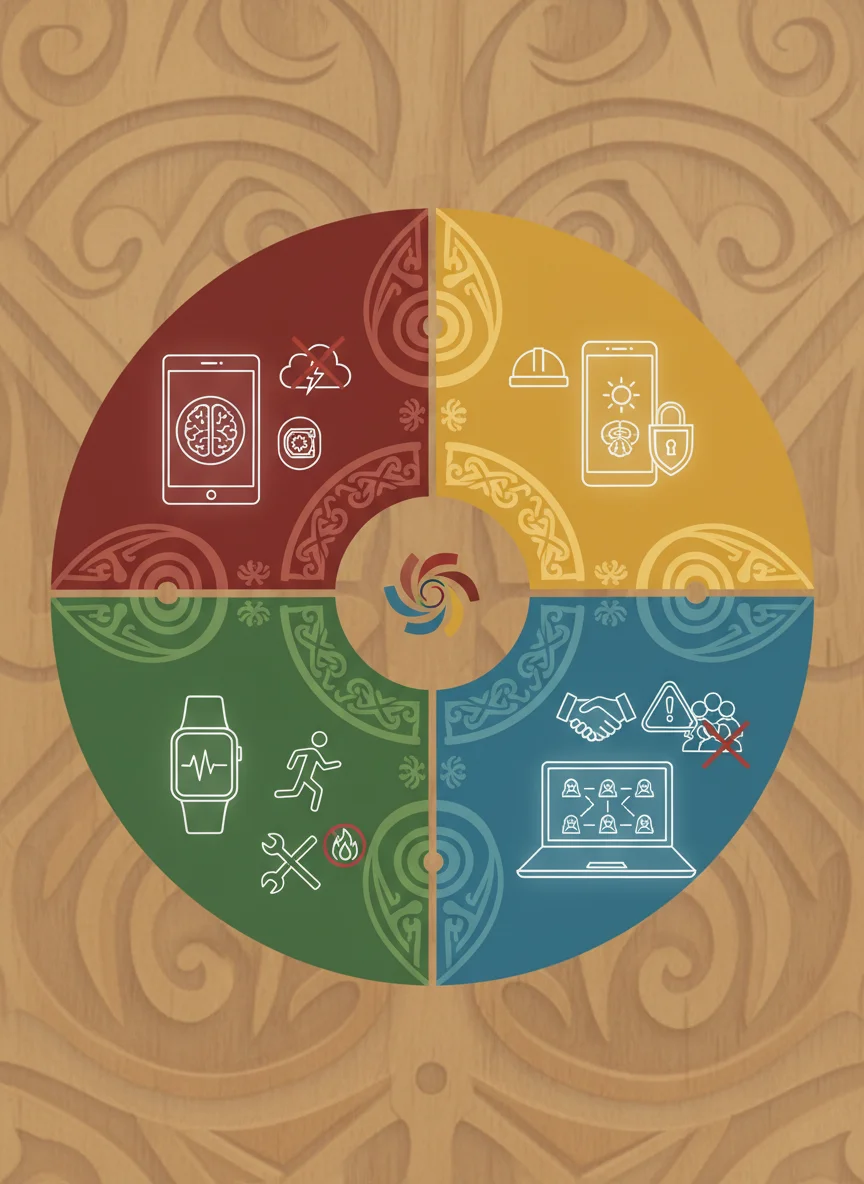
Cyber Safety and Your Hauora
Taha tinana (Physical) - protecting your body from online harm Taha hinengaro (Mental/Emotional) - managing stress and anxiety online Taha whānau (Social) - maintaining healthy relationships Taha wairua (Spiritual) - staying true to your values online
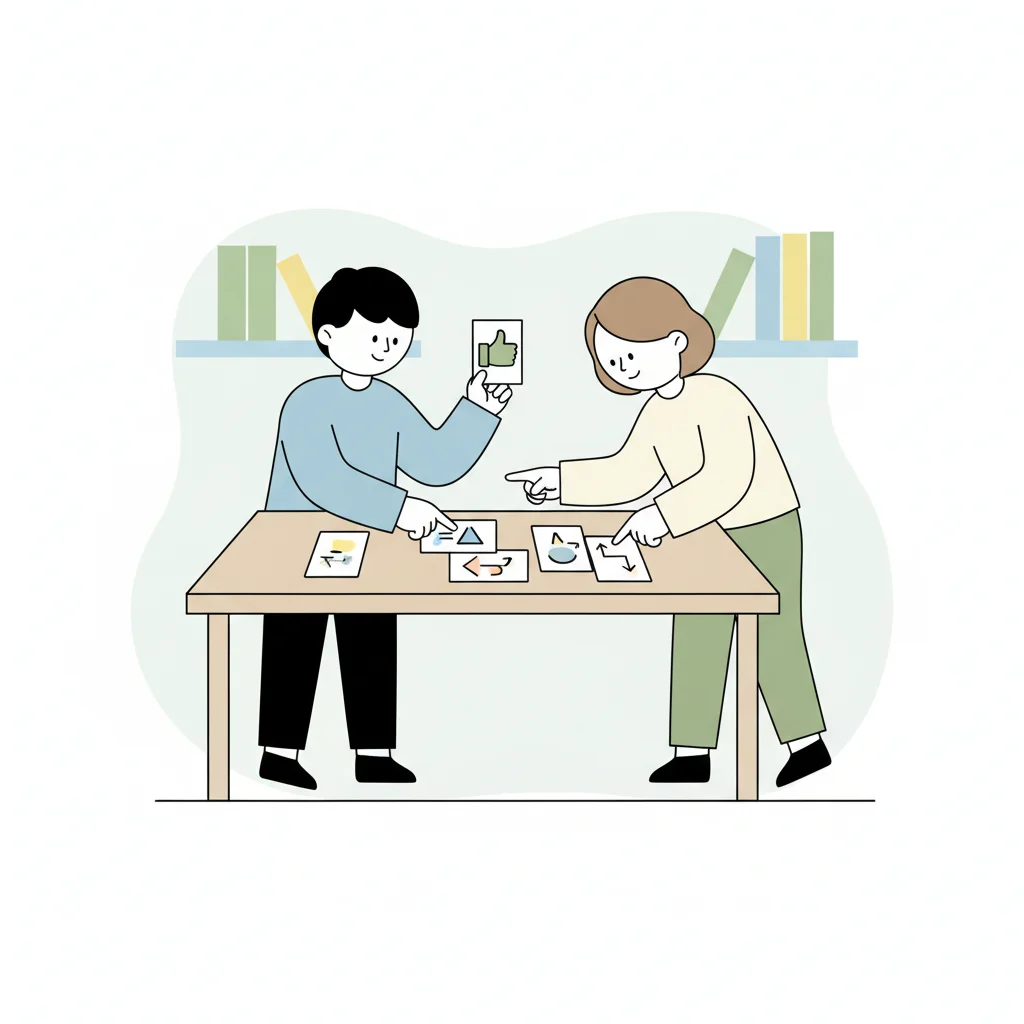
Safe vs Unsafe Scenarios
Work in pairs to analyze these situations Scenario 1: Sharing your password with your best friend Scenario 2: Meeting someone you met online in person Scenario 3: Posting a photo of your school uniform Discuss: Safe or unsafe? Why?
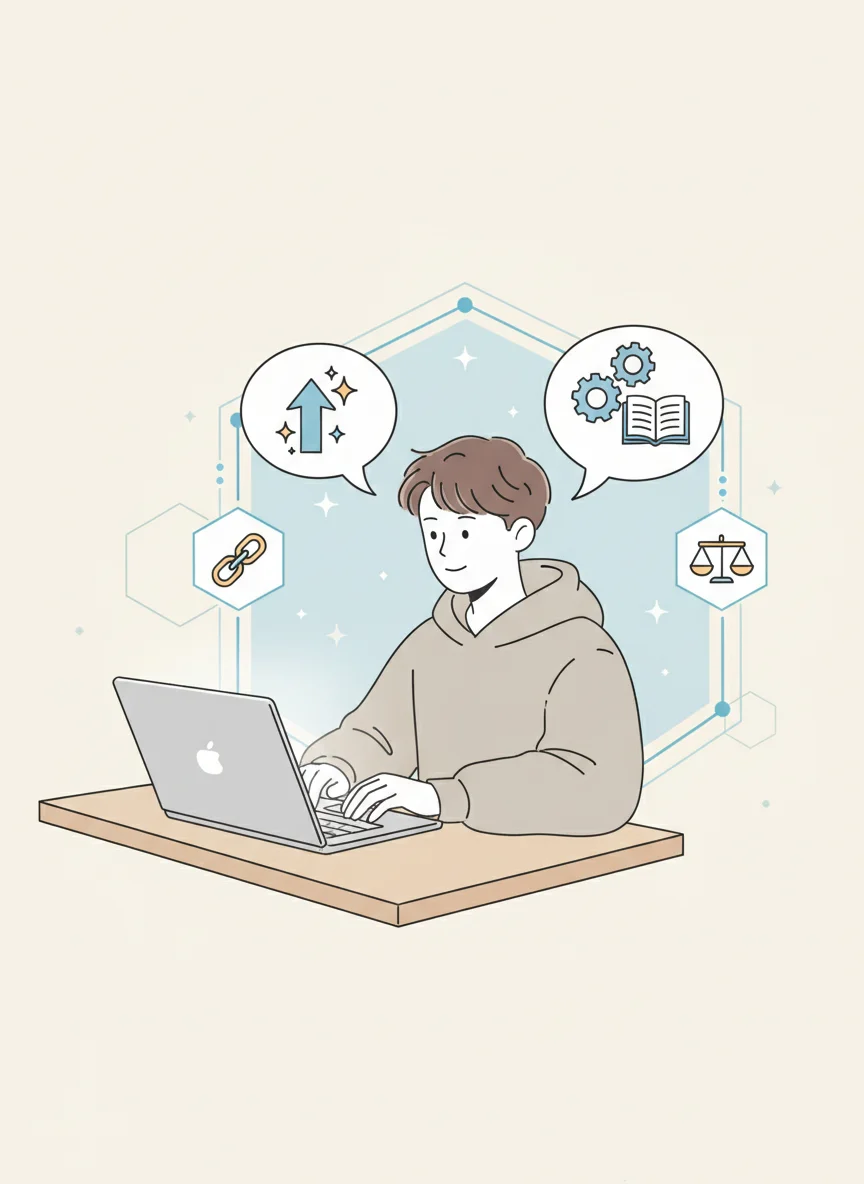
Assertive Communication Online
Be clear and direct about your boundaries Use 'I' statements: 'I don't feel comfortable with that' Don't be afraid to say no to requests Report or block users who make you uncomfortable Ask for help from trusted adults when needed
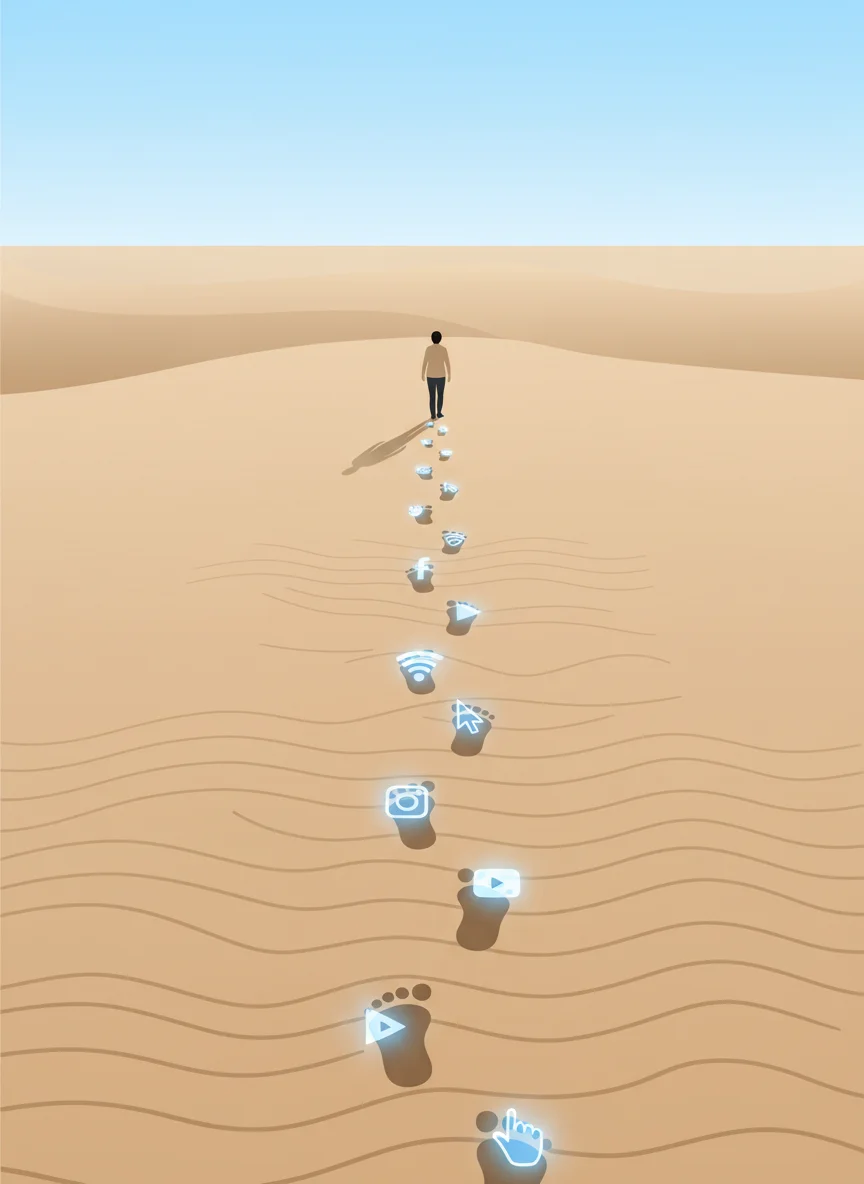
What is a Digital Footprint?
Every click, post, and search leaves a trace Information that can be found about you online Includes photos, comments, likes, and shares Can affect future opportunities and relationships Both positive and negative footprints are possible
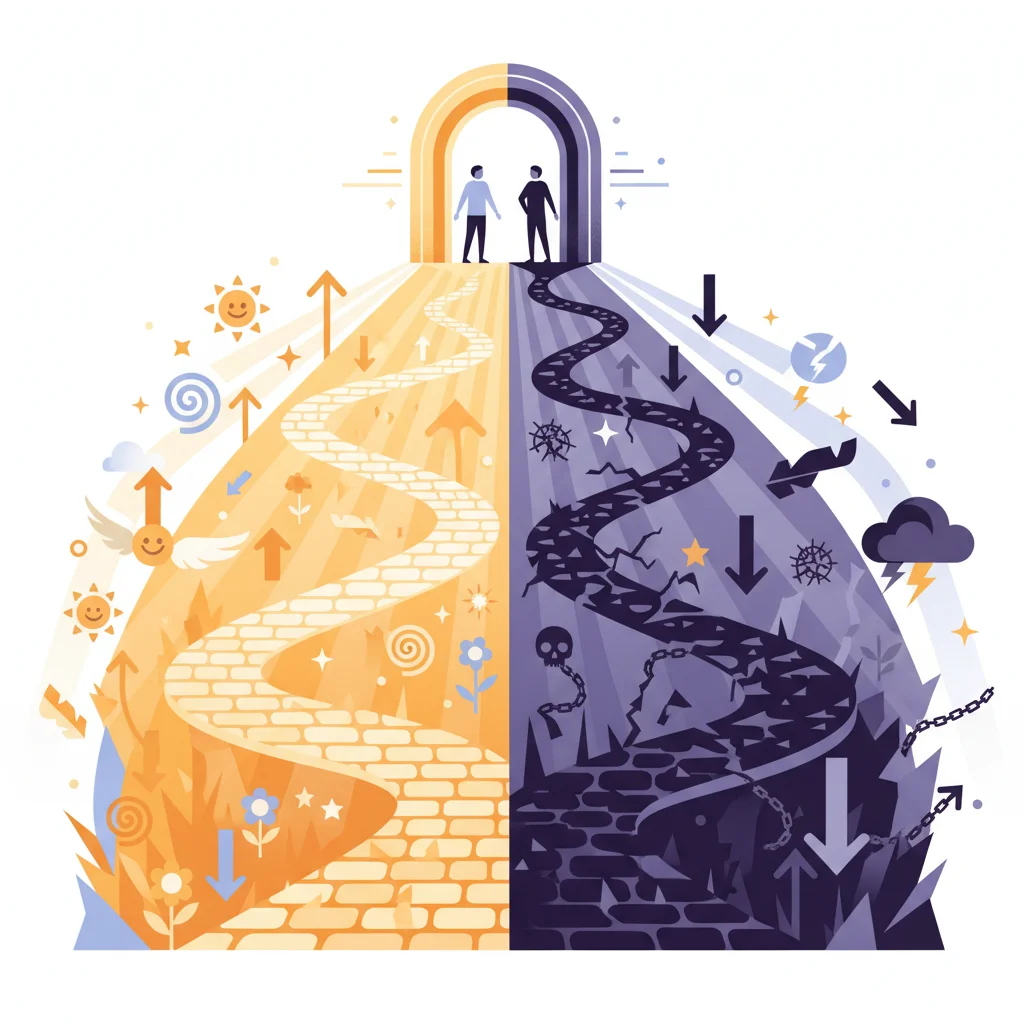
Online Choices: Positive vs Negative Impact
{"left":"Sharing encouraging comments with friends\nPosting inappropriate photos or comments\nSupporting others who are being bullied\nSharing personal information publicly","right":"Creating helpful content for others\nSpreading rumors or gossip\nRespecting others' privacy\nScreenshots of private conversations"}
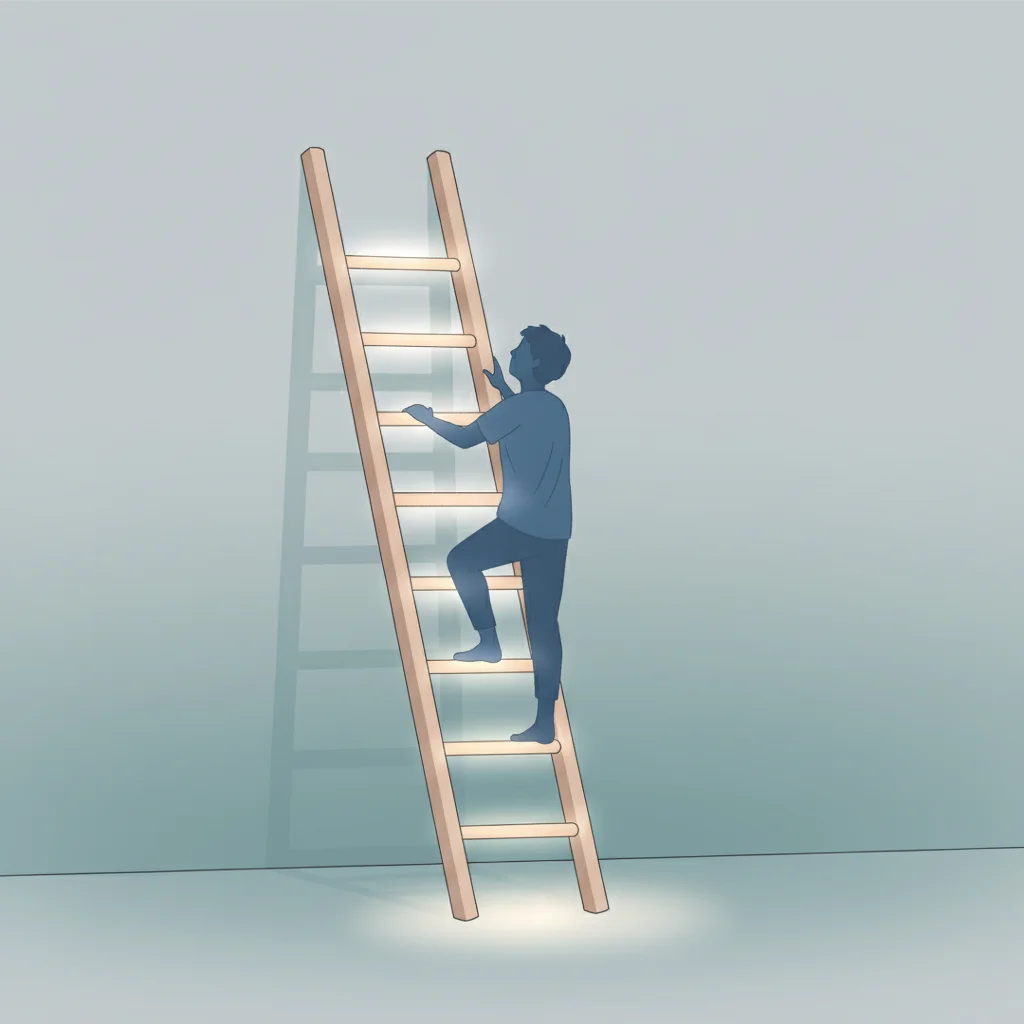
Personal Responsibility Ladder
Step 1: Recognize when harm might occur Step 2: Take responsibility for your actions Step 3: Consider how others might be affected Step 4: Choose the most helpful response Step 5: Follow through with positive action
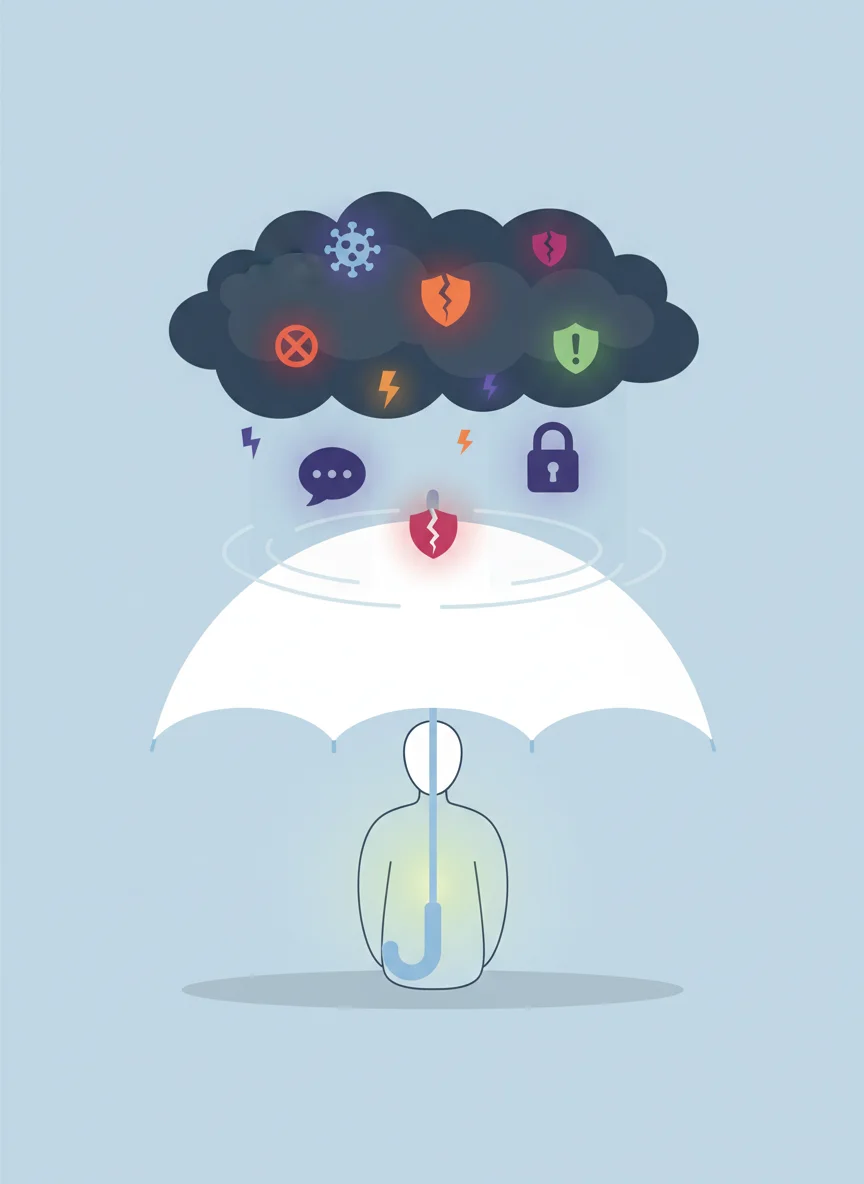
Understanding Online Harm
Cyberbullying and harassment Identity theft and scams Inappropriate content exposure Privacy violations Addiction and excessive screen time Impact on mental health and relationships
What Are Scams and Social Engineering?
Scams: Tricks to steal money or personal information Social engineering: Manipulating people to give up information Often target emotions like fear, greed, or curiosity Can happen through email, social media, or text messages Goal is to get passwords, bank details, or personal data
Spotting Red Flags
Urgent messages demanding immediate action Requests for passwords or personal information Too-good-to-be-true offers or prizes Poor spelling and grammar in official messages Unknown senders asking for help or money Links that don't match the supposed sender
8 more slides available after you open the deck.
Download all 20 slides