Principles of Fitness: SPORTFITT Explained
Year 11 Physical Education Understanding the Science of Training
What Are Fitness Principles?
Scientific guidelines that govern effective training Help us design safe and efficient exercise programs Based on how our bodies adapt to physical stress Essential for achieving fitness goals and preventing injury

Specificity: Train for Your Goal
Training must be specific to your sport or fitness goal Body adapts specifically to the demands placed on it Example: Runners need cardiovascular training, not just weightlifting Skill-specific movements improve performance in that exact skill
Progression: Gradually Increase Challenge
Gradually increase training intensity, duration, or frequency Prevents plateaus and continues improvement Follow the 10% rule - increase by no more than 10% per week Too much too fast leads to injury or burnout

Overload: Challenge Your Body
Body must be challenged beyond its current capacity Forces adaptation and improvement Increase weight, reps, sets, or intensity Without overload, no improvement occurs
Reversibility: Use It or Lose It
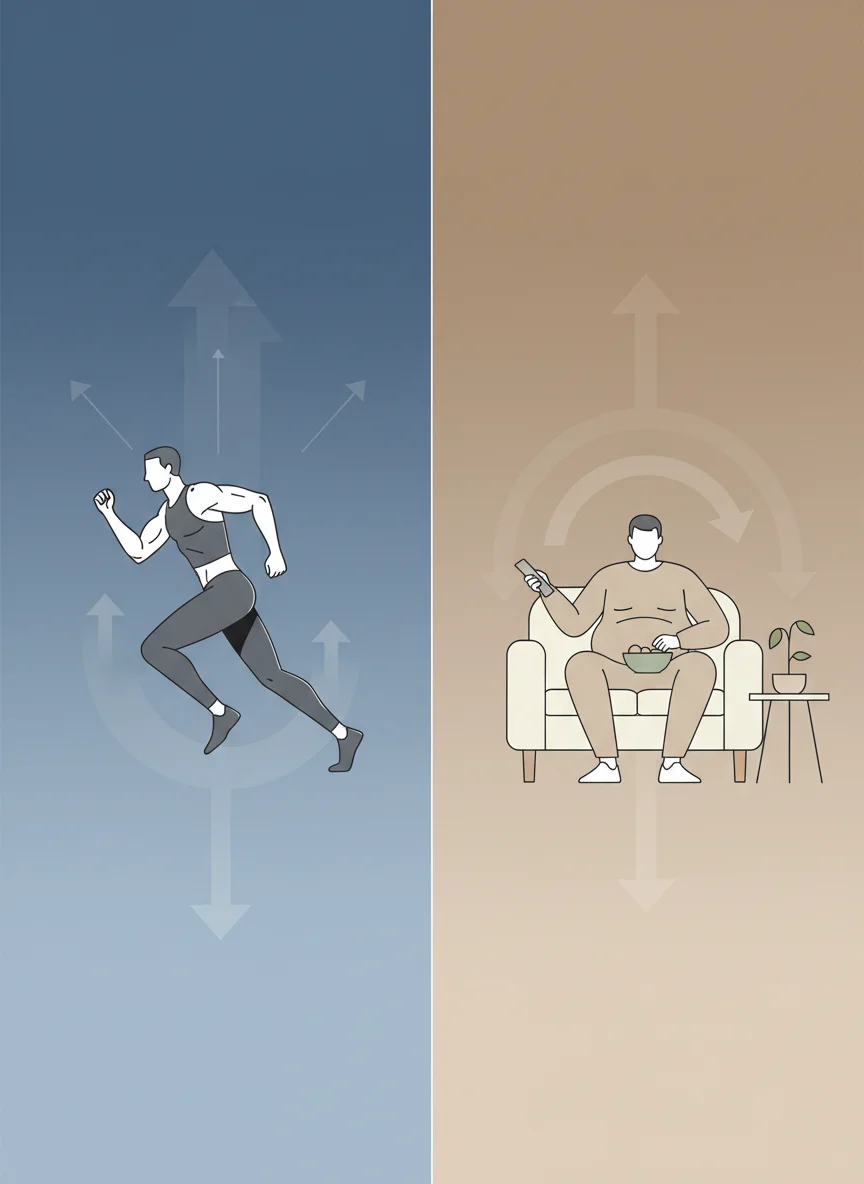
Fitness gains are lost when training stops Detraining begins within 2-3 weeks of inactivity Cardiovascular fitness declines faster than strength Consistency is key to maintaining fitness levels

Tedium: Avoid Boredom
Variety prevents mental and physical staleness Different exercises challenge muscles in new ways Keeps motivation high and training interesting Cross-training reduces injury risk and improves overall fitness
FITT Principles: The Training Variables
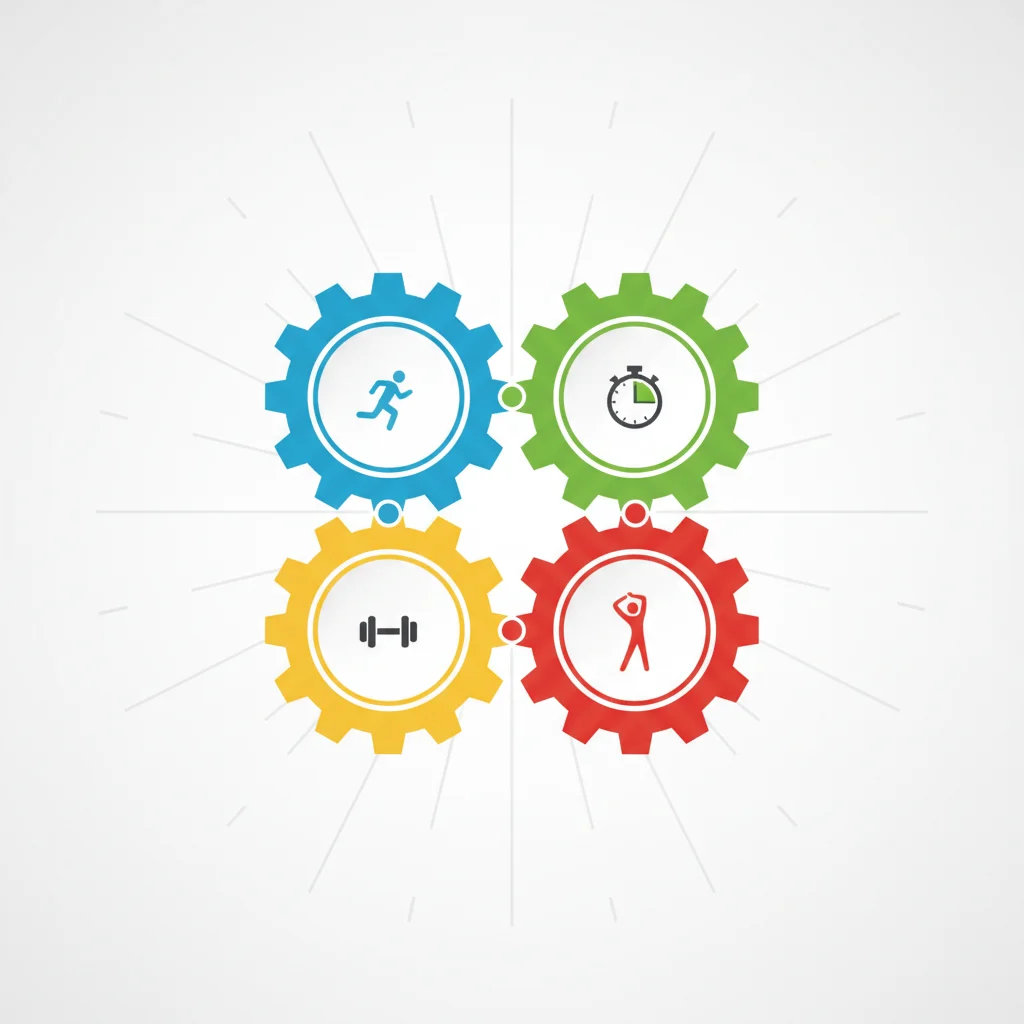
{"left":"Frequency - How often you exercise\nIntensity - How hard you work during exercise","right":"Type - What kind of exercise you do\nTime - How long each exercise session lasts"}
Design Your SPORTFITT Program
Choose a fitness goal (strength, endurance, sport-specific) Apply each SPORTFITT principle to your program Consider your current fitness level and available time Create a 4-week training plan outline
Putting It All Together
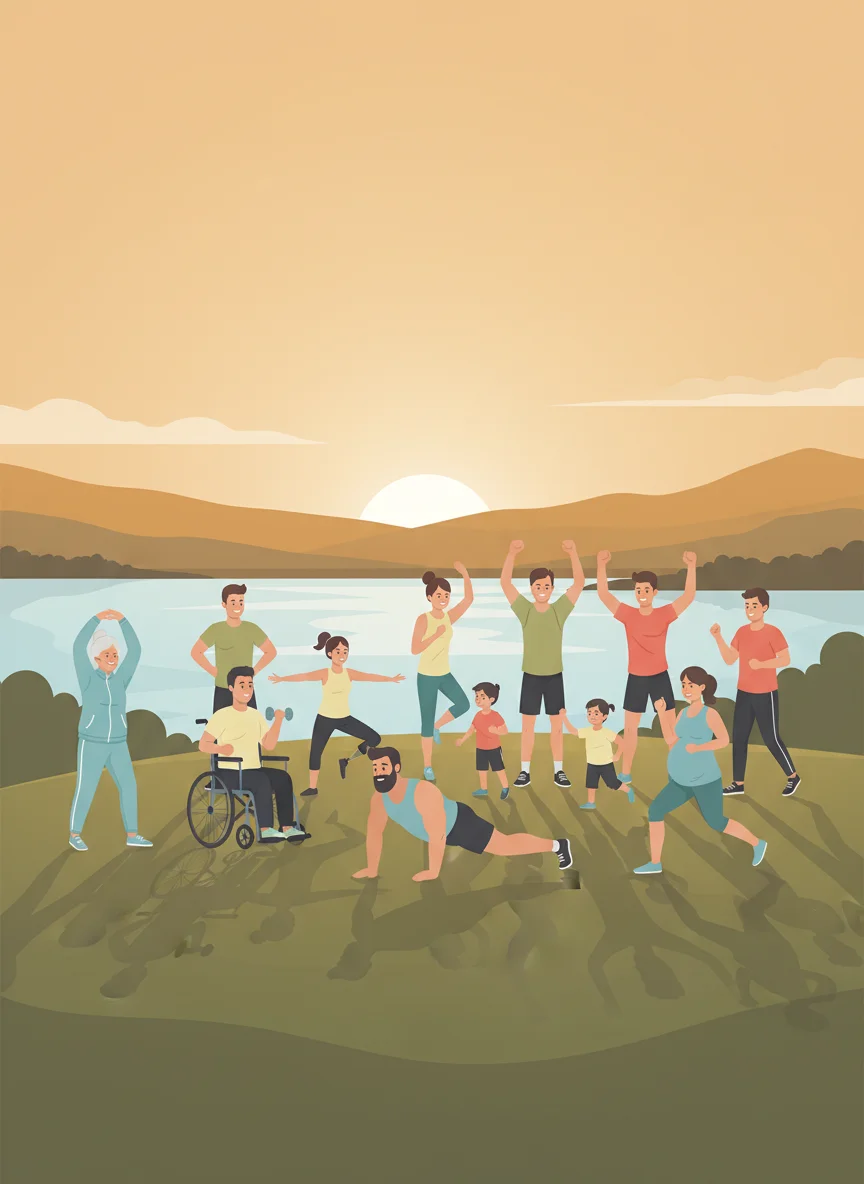
SPORTFITT principles work together, not in isolation Successful training programs incorporate all principles Individual needs and goals determine how to apply each principle Regular evaluation and adjustment keeps programs effective