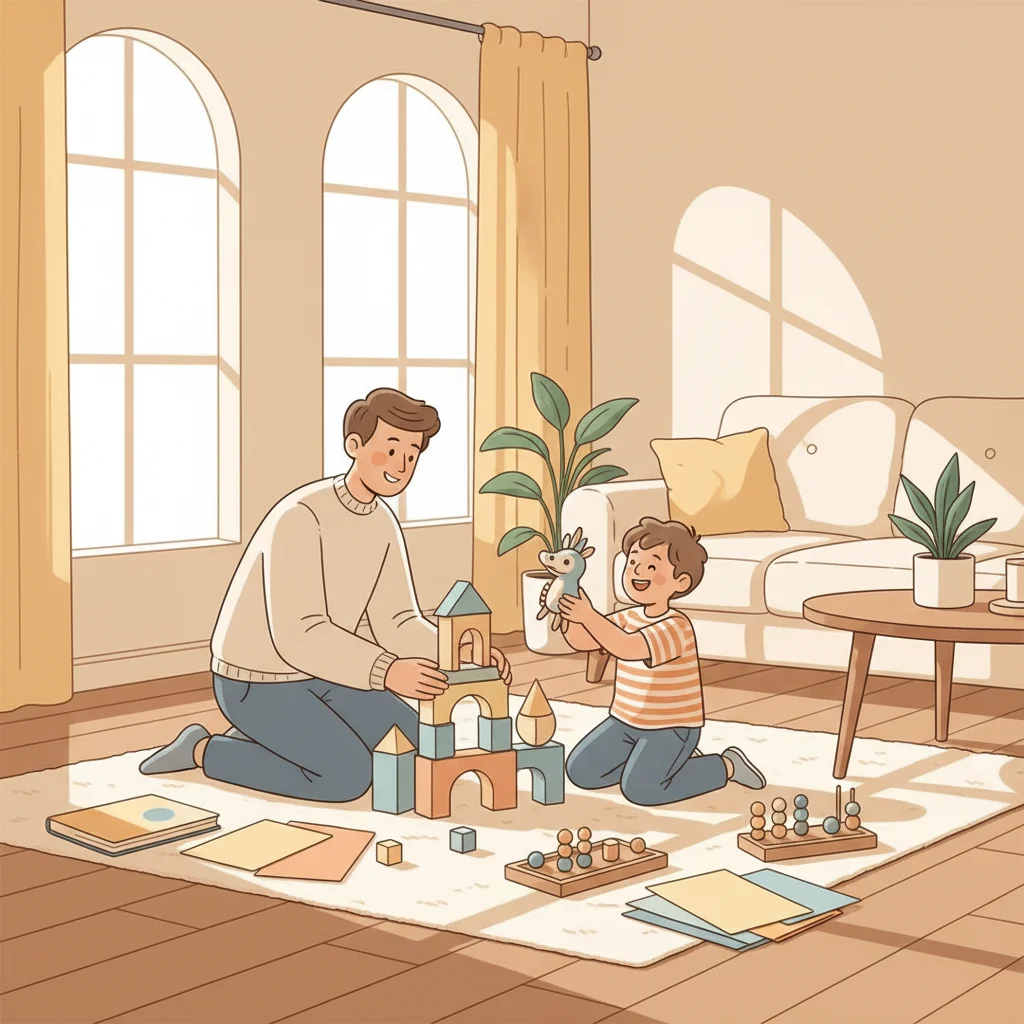
Play-Based Learning for Home Educators
Supporting Preschoolers Through Te Whāriki Building Strong Foundations at Home Empowering Families in Early Childhood Education
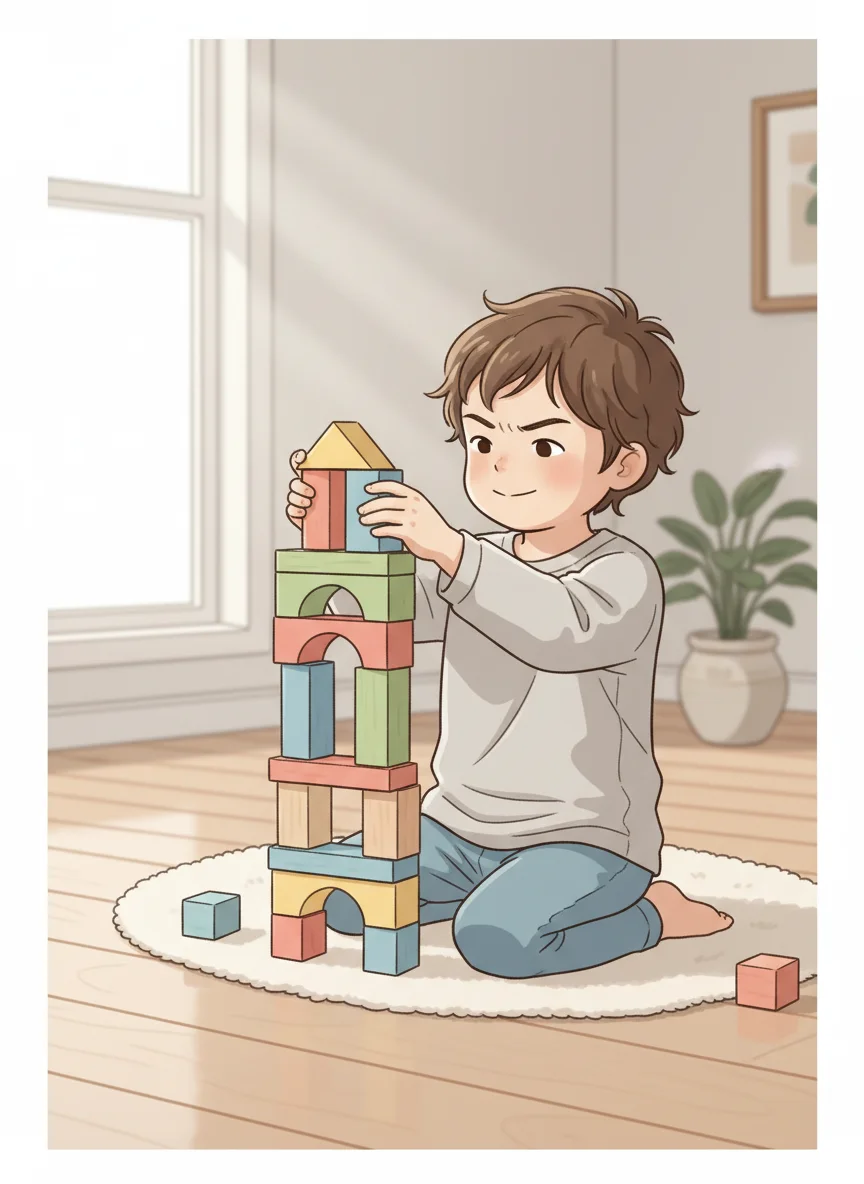
What is Play-Based Learning?
Learning through natural play experiences Child-led exploration and discovery Meaningful connections to real life Building skills through enjoyment and engagement

Te Whāriki Foundation
'Children learn through responsive and reciprocal relationships with people, places and things' - Te Whāriki: He whāriki mātauranga mō ngā mokopuna o Aotearoa
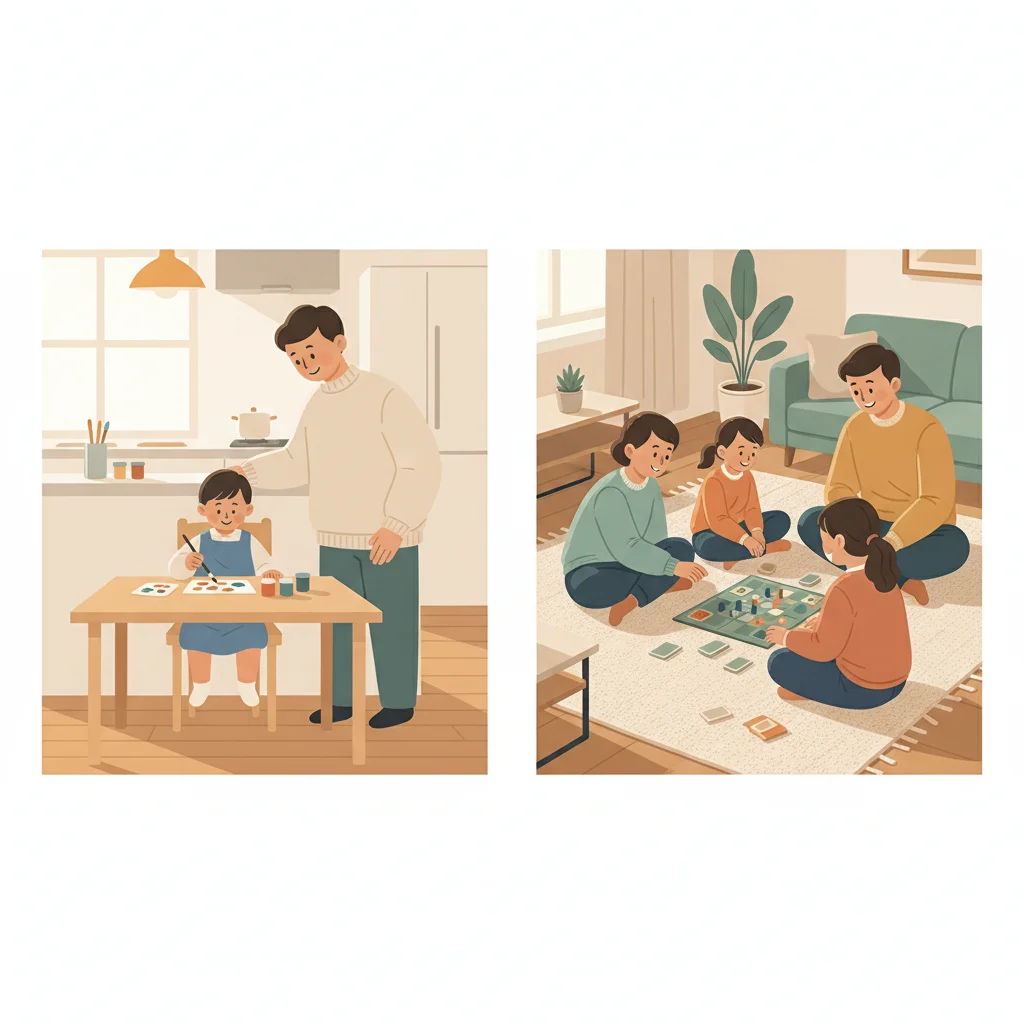
Benefits of Play-Based Learning at Home
{"left":"Develops creativity and imagination\nBuilds problem-solving skills\nStrengthens family relationships\nSupports emotional development","right":"Enhances language and communication\nPromotes physical development\nBuilds confidence and self-esteem\nPrepares for formal learning"}
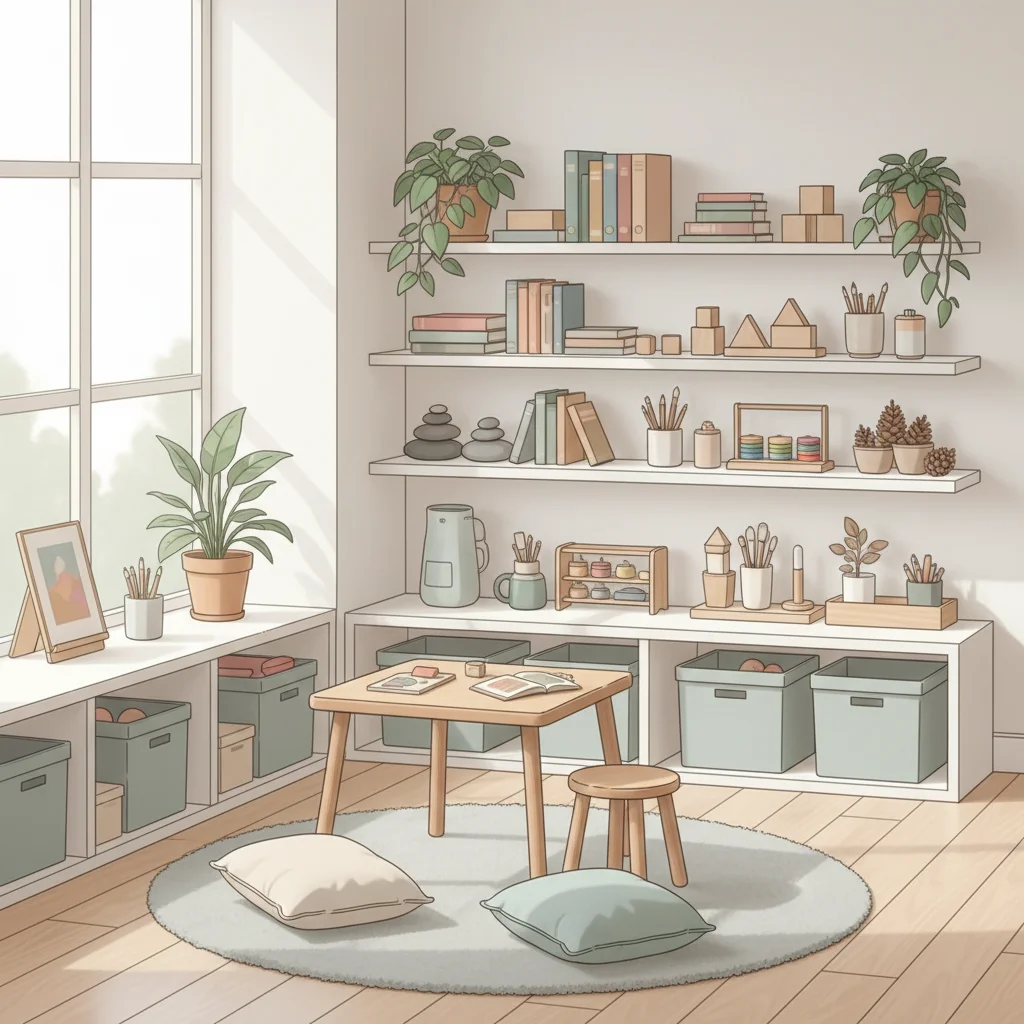
Setting Up Learning Spaces
Create cozy reading nooks Designate art and craft areas Set up building and construction zones Establish quiet spaces for reflection Rotate materials to maintain interest
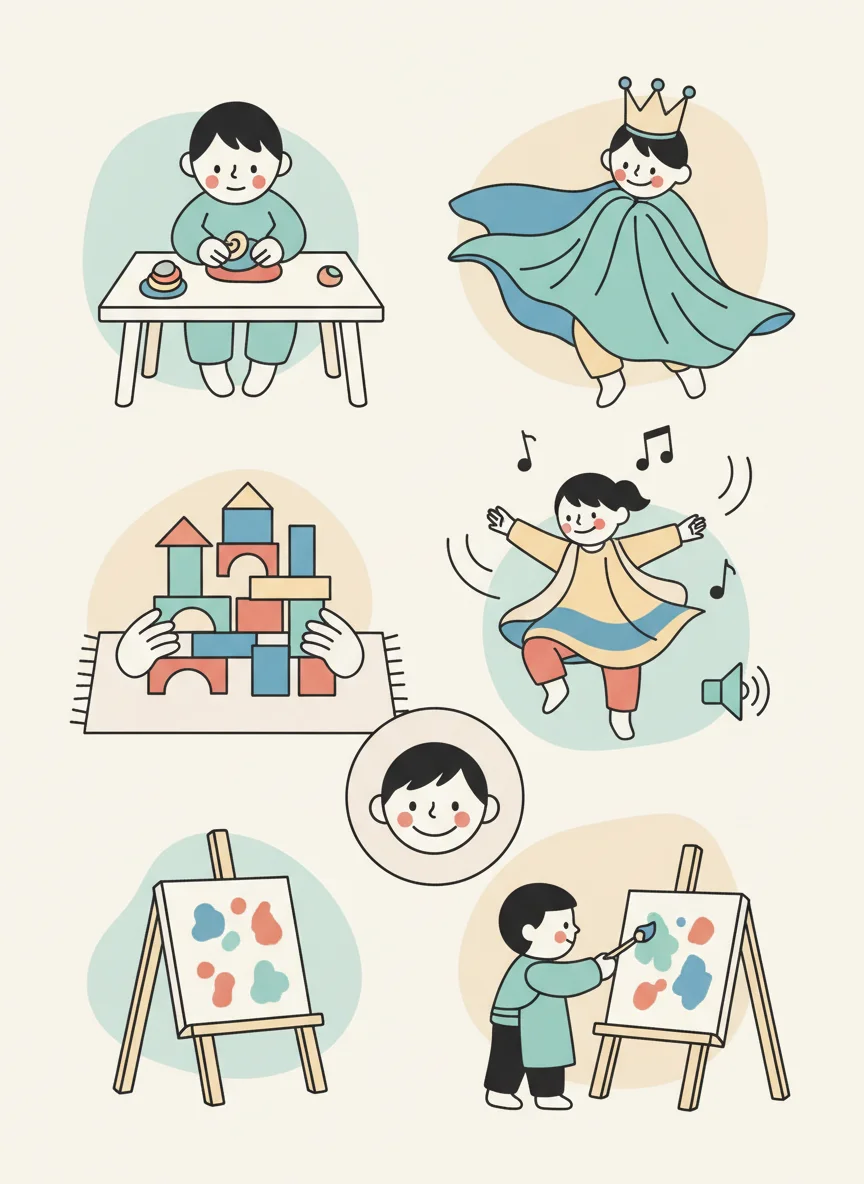
Types of Play for Different Learning
Sensory play - exploring textures, sounds, smells Dramatic play - role-playing and storytelling Construction play - building and creating Physical play - movement and coordination Creative play - art, music, and expression
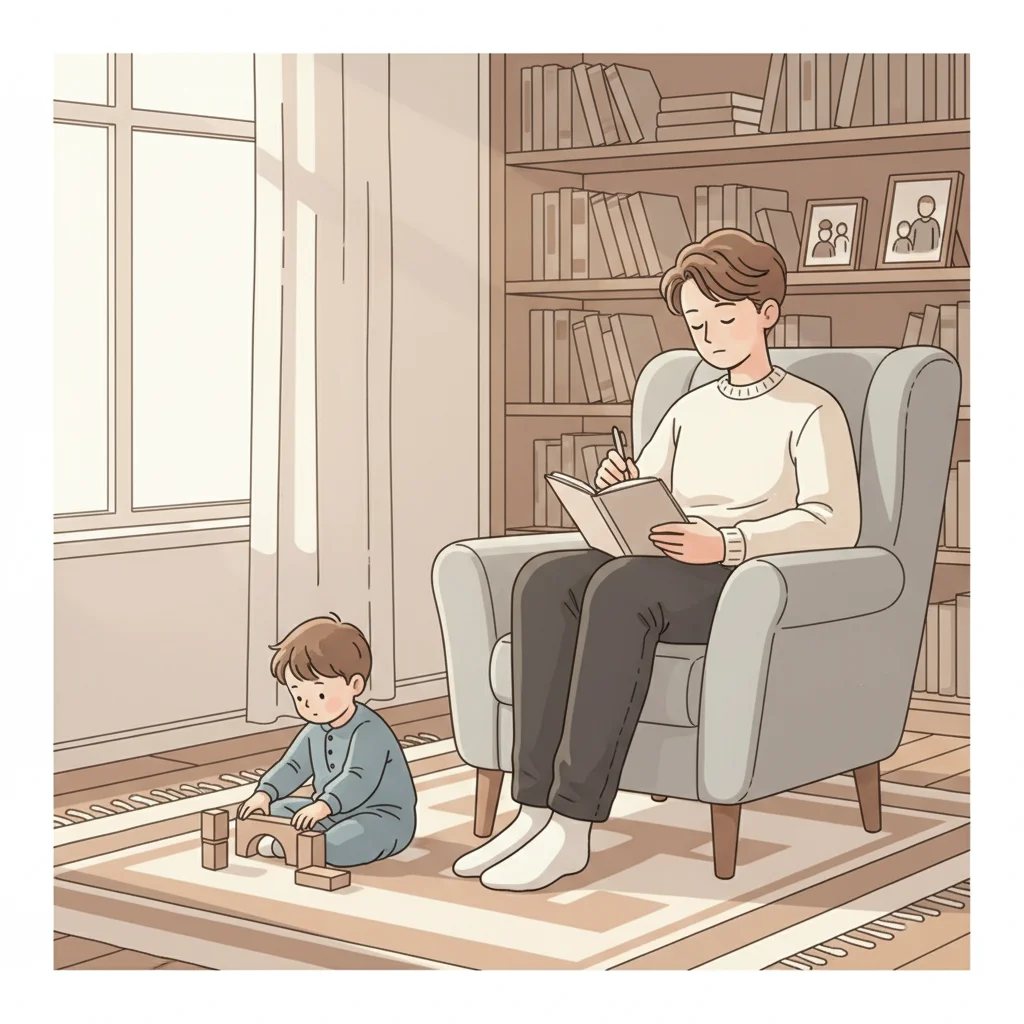
Reflection Question
What play activities did you enjoy most as a child? How might these experiences inform your approach to supporting your own child's learning?
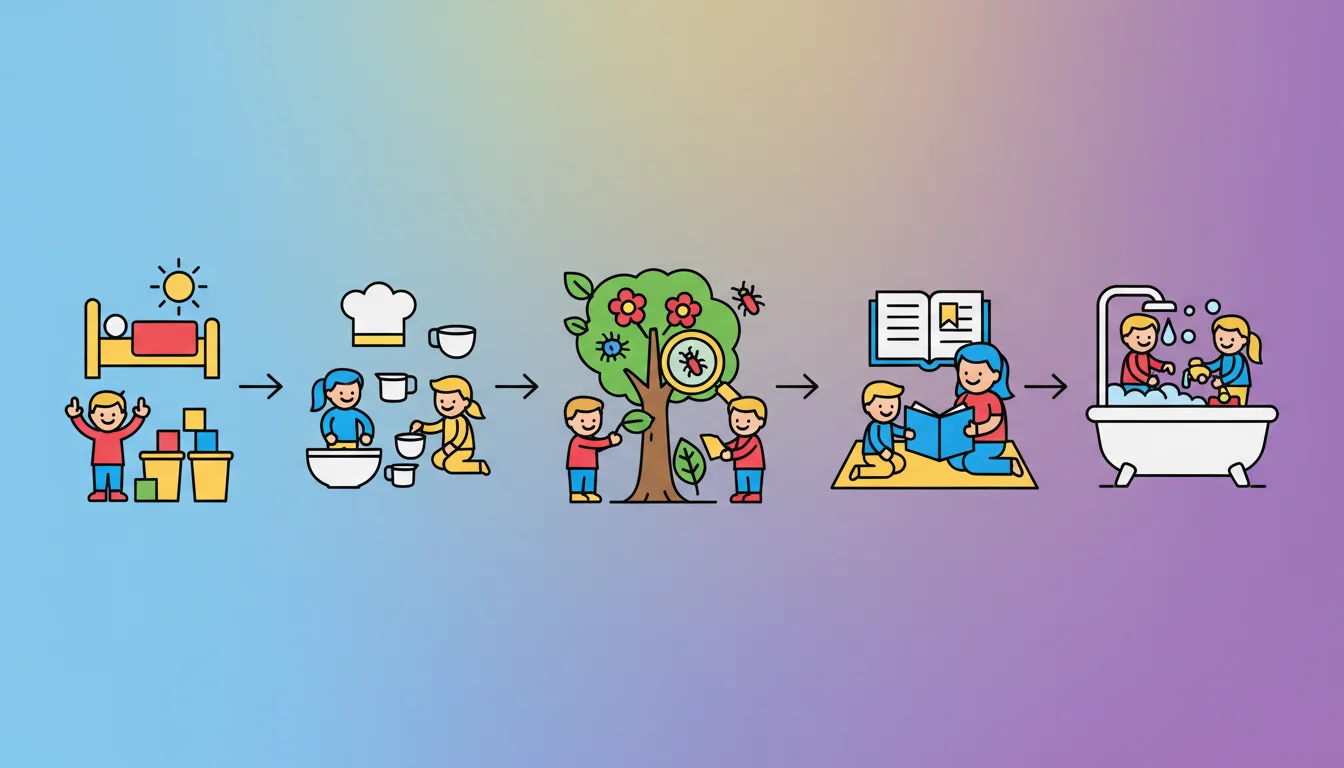
Daily Learning Opportunities
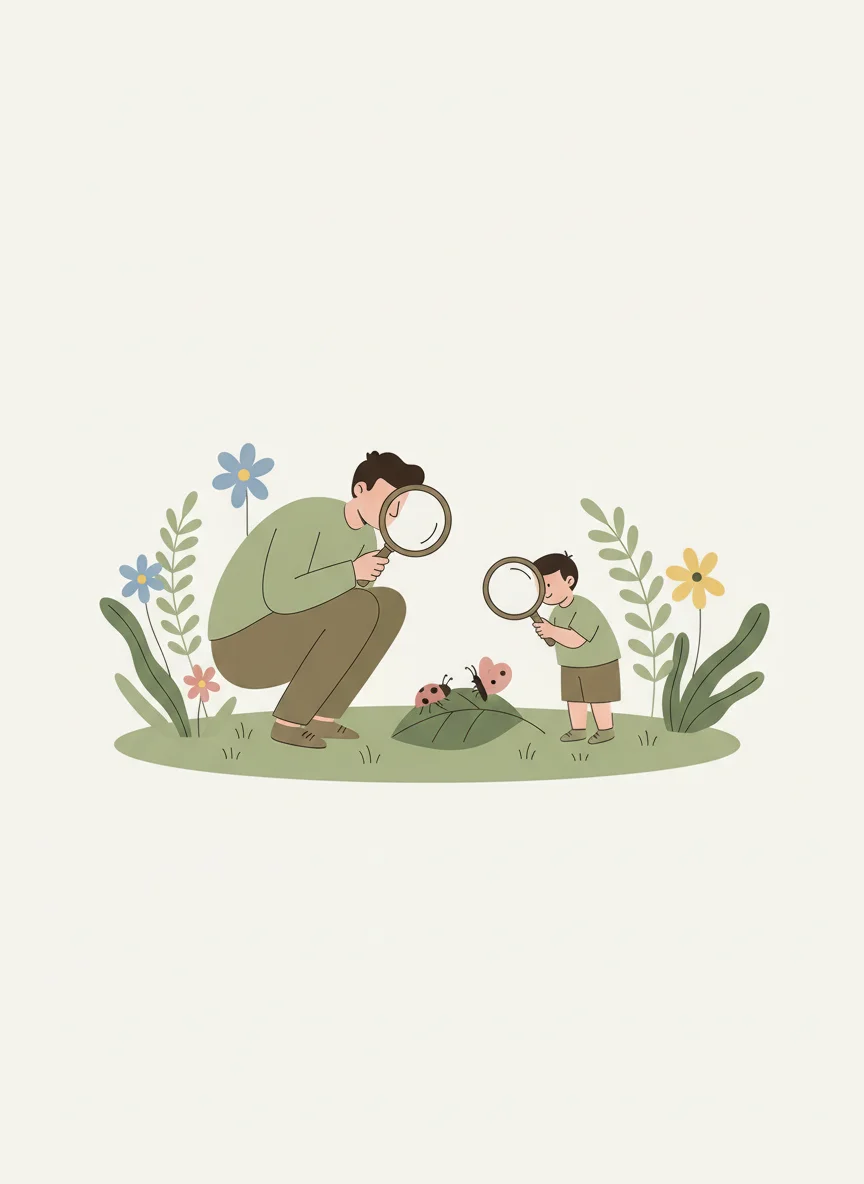
Supporting Your Child's Interests
Observe what captures their attention Follow their lead in play Ask open-ended questions Provide related materials and experiences Document their learning journey
Key Takeaways
Play is children's natural way of learning Home environments offer unique learning opportunities Your relationship with your child is the foundation Follow your child's interests and curiosity Learning happens in everyday moments Trust yourself as your child's first teacher