Phonemes: The Building Blocks of Speech
Understanding the smallest units of sound
What Makes Words Different?
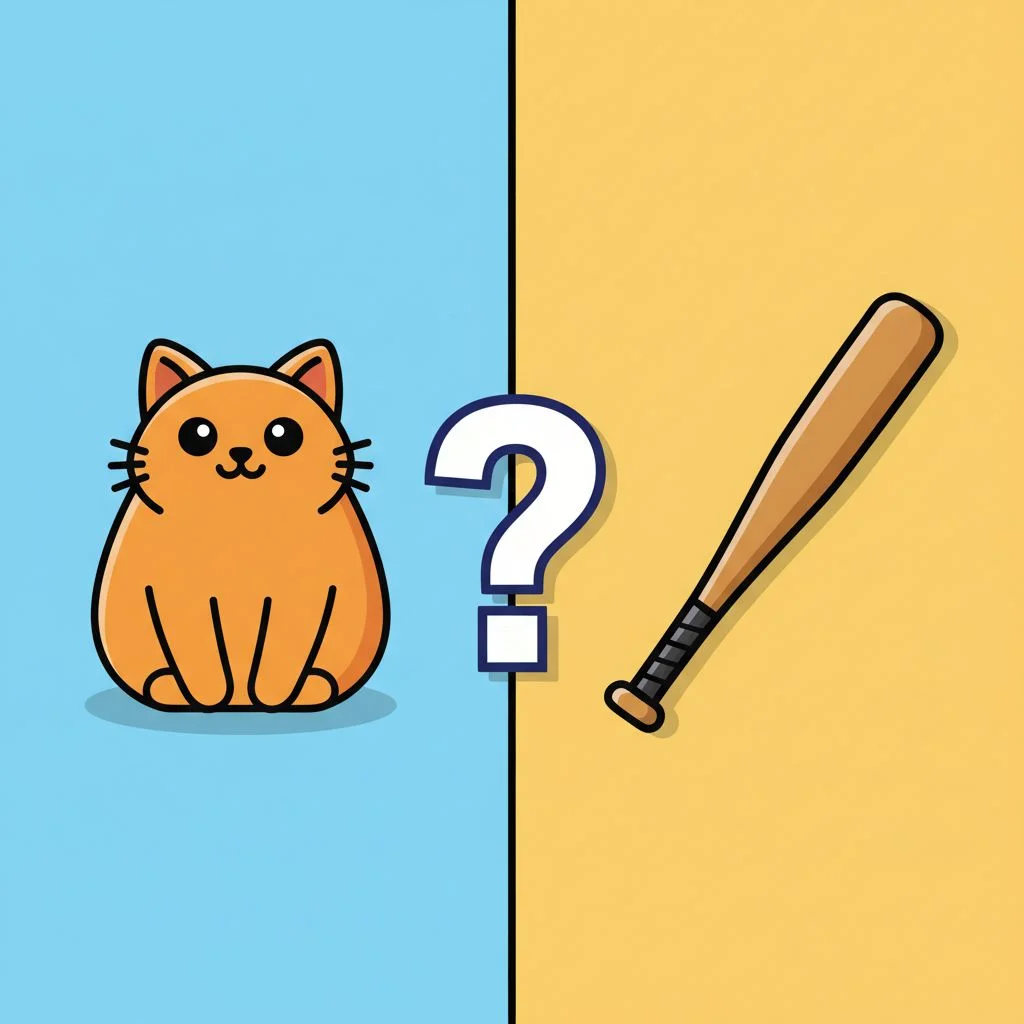
Think about these word pairs: Cat vs. Bat Ship vs. Chip What single sound changes the meaning?
What is a Phoneme?
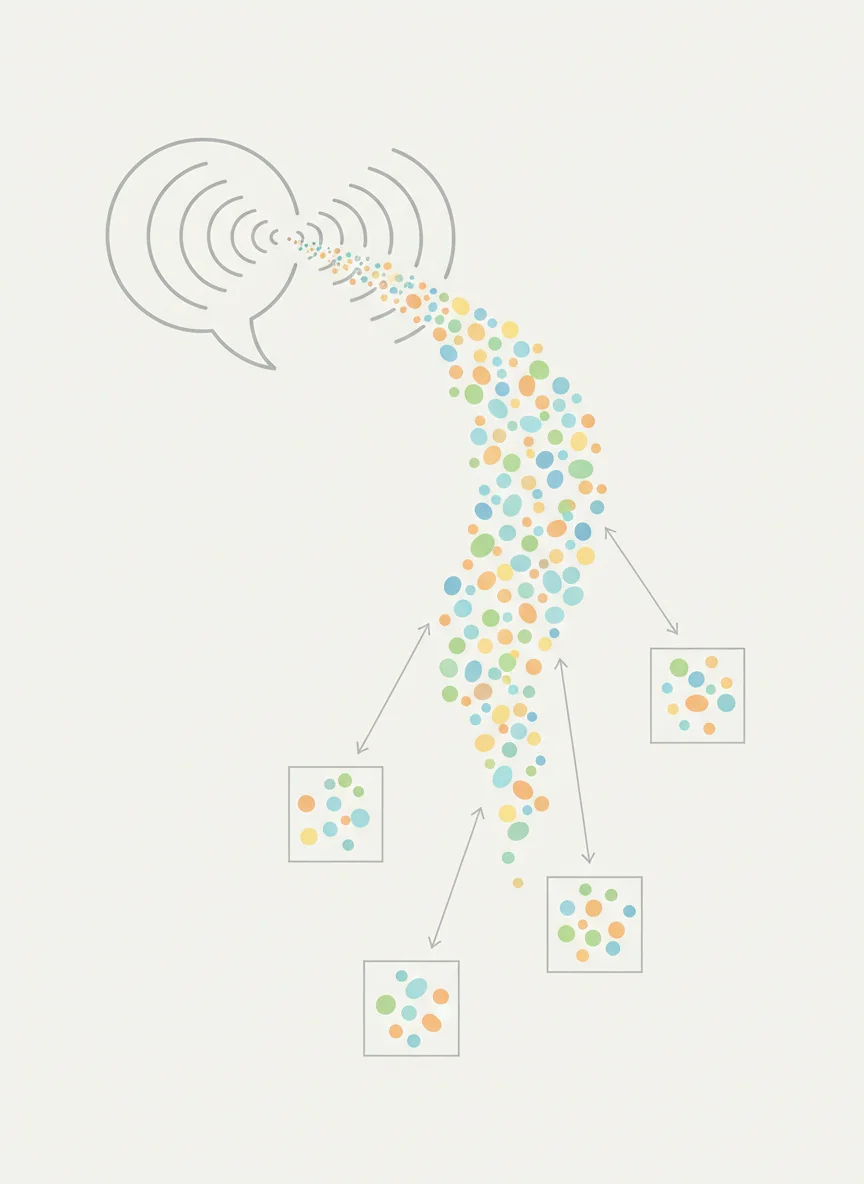
The smallest unit of sound in a language Changes meaning when substituted Like letters, but for spoken language English has approximately 44 phonemes

Phoneme Hunt Activity
Listen to word pairs Identify the different phoneme Raise your hand when you hear the change Examples: pin/bin, cat/cut, ship/sheep
Consonants vs. Vowels
{"left":"Consonants block or restrict airflow\nMade with tongue, teeth, lips\nExamples: /p/, /t/, /k/, /s/","right":"Vowels have open airflow\nMade with tongue position\nExamples: /a/, /e/, /i/, /o/, /u/"}
Phonemes vs. Letters
One phoneme can have multiple spellings Example: /f/ sound in 'fish', 'phone', 'laugh' One letter can represent different phonemes Example: 'c' in 'cat' vs. 'city'
The International Phonetic Alphabet (IPA)
Phoneme Counting Challenge
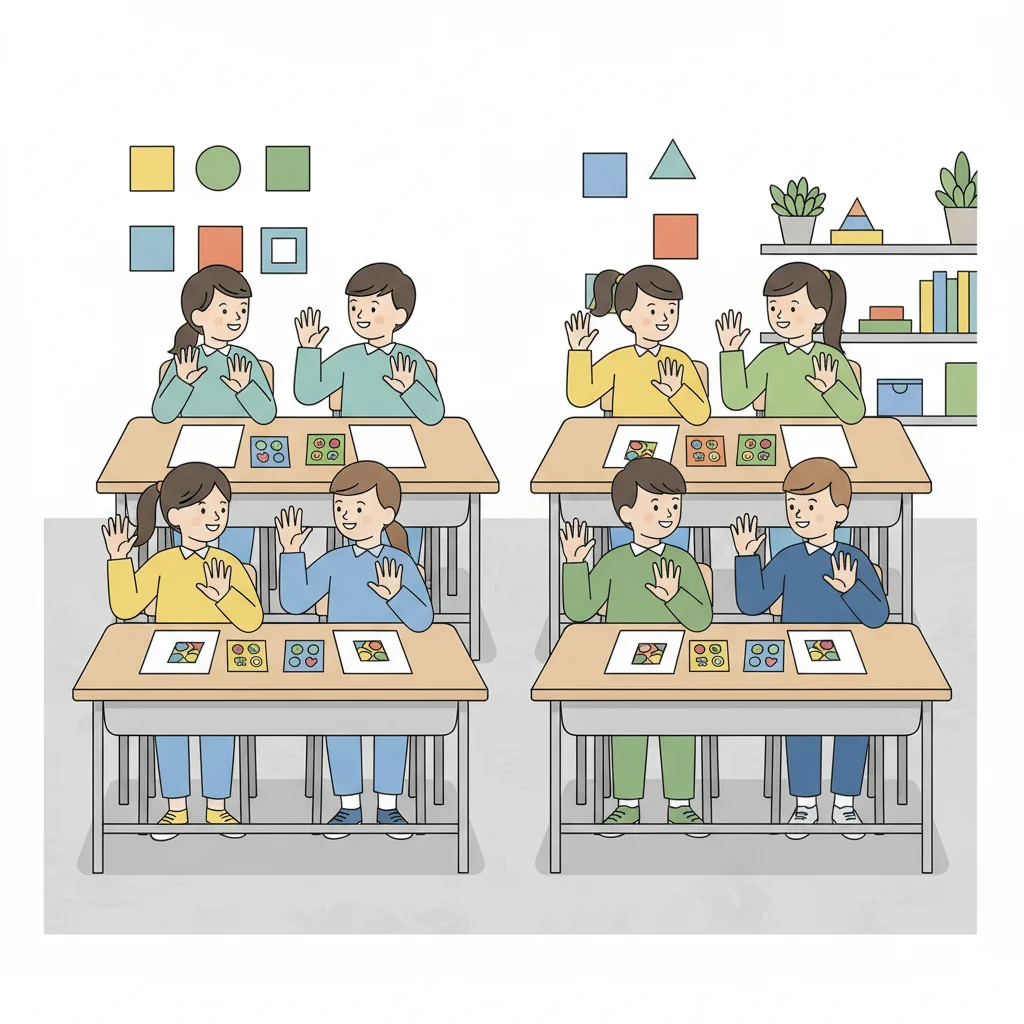
Count the phonemes in each word Remember: focus on sounds, not letters! Practice words: cat (3), ship (3), through (4) Work with a partner to compare answers

Language Insight
"Every language carves up the world of sound differently, creating its own unique set of phonemes." - Linguistics principle
Why Phonemes Matter
Help us understand how language works Improve spelling and pronunciation Support learning other languages Foundation for reading and writing skills