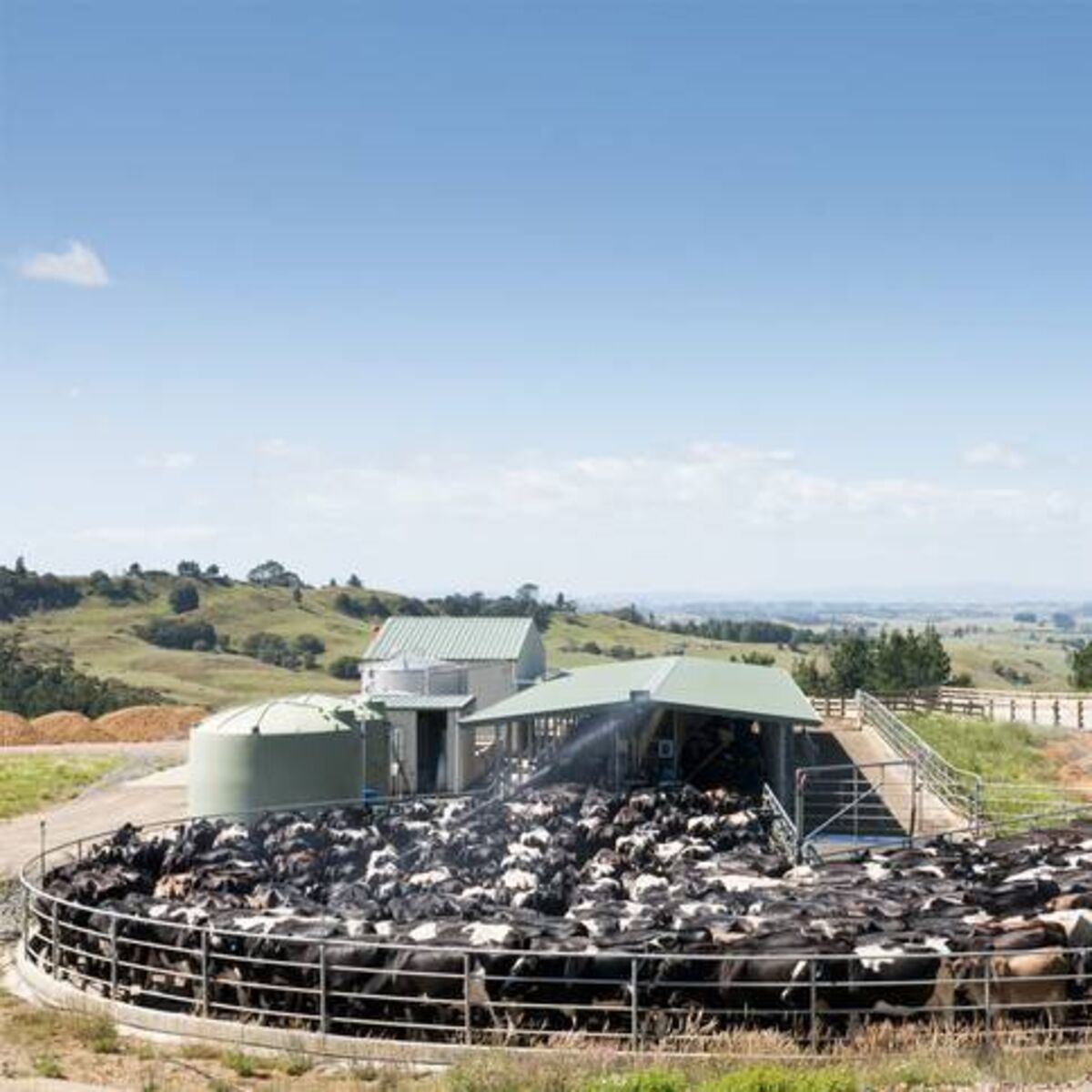
NZ Dairy Subsidies: Winners and Losers
Understanding Economic Impacts Year 10 Economics New Zealand Context
What Are Subsidies?
Government financial support to businesses or industries Can be direct payments, tax breaks, or reduced costs Aimed at encouraging production or supporting struggling sectors Common in agriculture worldwide

New Zealand's Dairy Industry
World's largest dairy exporter Fonterra - major cooperative Employs over 46,000 people Worth $20+ billion annually Key export earner for NZ
Think About It
If the government gave dairy farmers $10,000 each to buy new equipment, who would benefit? Who might be negatively affected?
Chocolate Bar Simulation
Groups of 4-5 students Some groups receive 'subsidy' (free chocolate bars) Others must 'buy' their chocolate bars Task: Create the best chocolate bar advertisement Compare outcomes between subsidized and non-subsidized groups
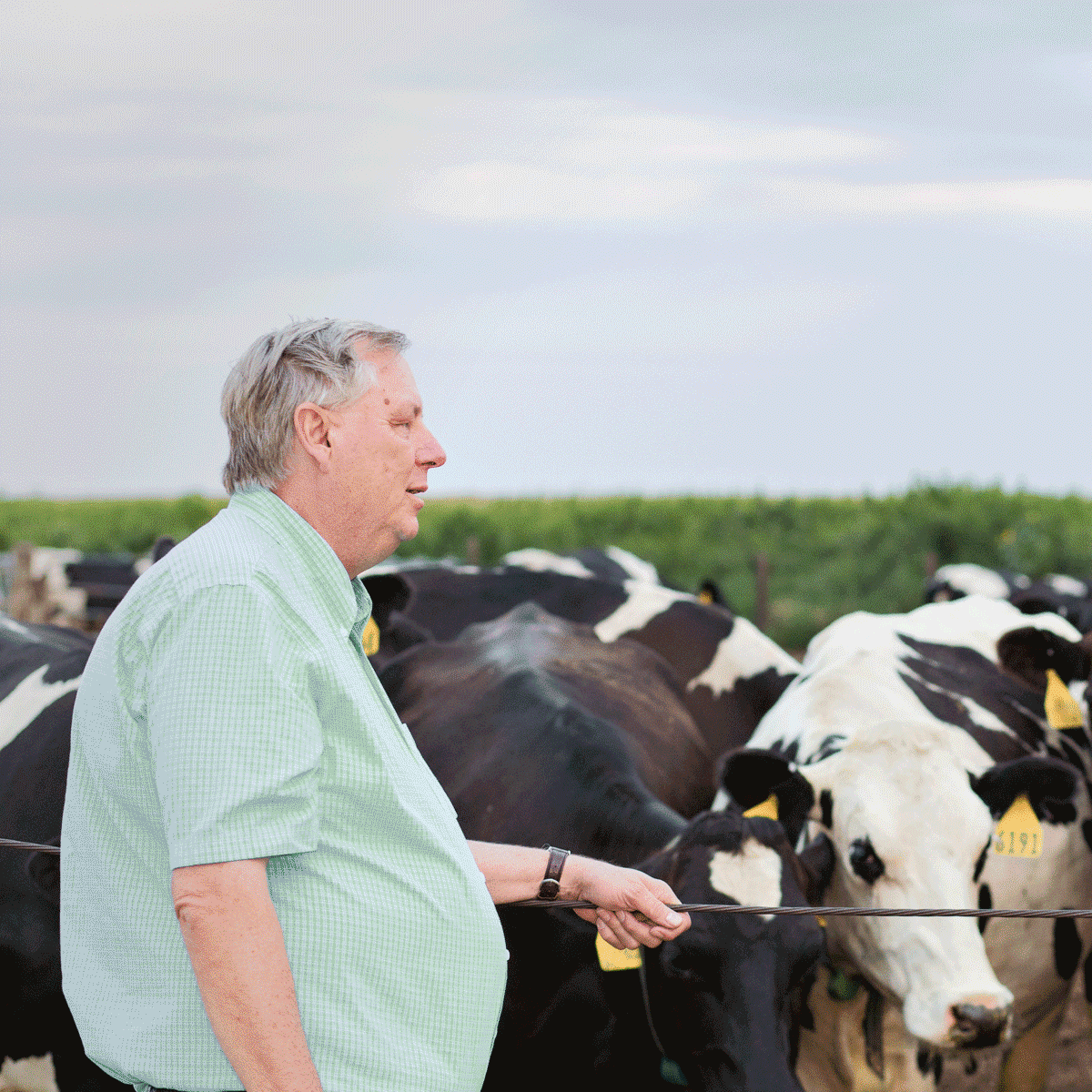
Dairy Subsidies: The Winners
{"left":"Dairy farmers - reduced costs, higher profits\nRural communities - more jobs and spending\nConsumers - potentially lower milk prices","right":"Equipment suppliers - increased sales\nBanks - more loan applications approved\nExport companies - competitive advantage globally"}
Dairy Subsidies: The Losers
{"left":"Taxpayers - funding the subsidies\nOther farmers - unfair competition\nOverseas competitors - disadvantaged","right":"Consumers in other countries - higher prices\nGovernment budget - less money for other services\nNon-agricultural businesses - resources diverted away"}

Real NZ Example: 1984 Subsidy Removal
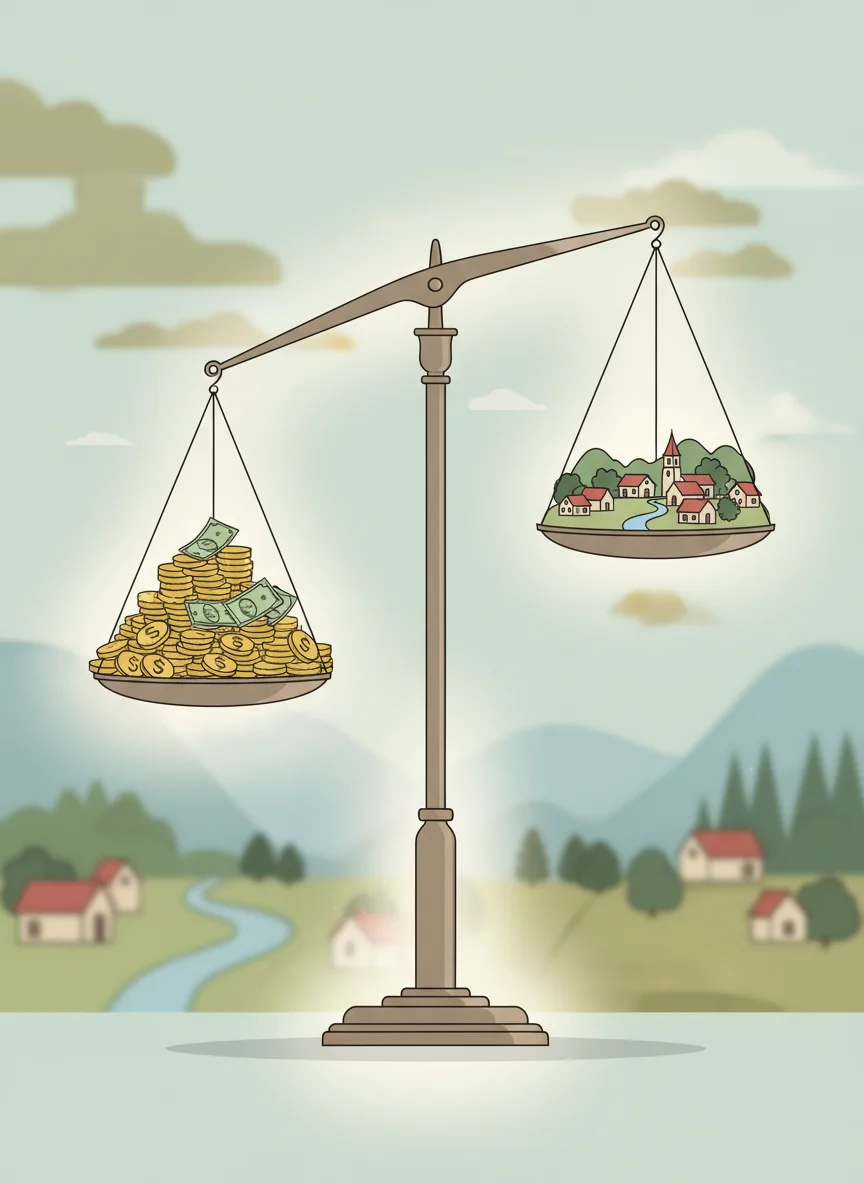
Economic Efficiency vs Social Goals
Subsidies can distort market signals May keep inefficient producers in business But can support rural communities Environmental considerations matter too Political pressure from affected groups
Key Takeaways
Subsidies create winners and losers Benefits are concentrated, costs are spread Can distort competition and efficiency Political decisions involve trade-offs NZ's experience shows alternatives exist