New Zealand's WWI Journey: ANZAC Stories
Exploring New Zealand's involvement in the Great War Timeline of major battles and campaigns Stories of courage and sacrifice

New Zealand Enters the War (1914)
Britain declares war on Germany - August 4, 1914 New Zealand automatically involved as part of British Empire Immediate enthusiasm and patriotic response First volunteers begin training within weeks

WWI Timeline: New Zealand's Major Campaigns

The Gallipoli Campaign (April 1915)
ANZAC forces land at Gallipoli Peninsula, Turkey April 25, 1915 - now ANZAC Day Fierce fighting against Ottoman forces Campaign lasted 8 months with heavy casualties

Voices from Gallipoli
'We were told it would be over by Christmas, but here we are in the trenches, facing an enemy as brave as ourselves.' - Private James Wilson, Wellington Regiment

The Western Front (1916-1917)
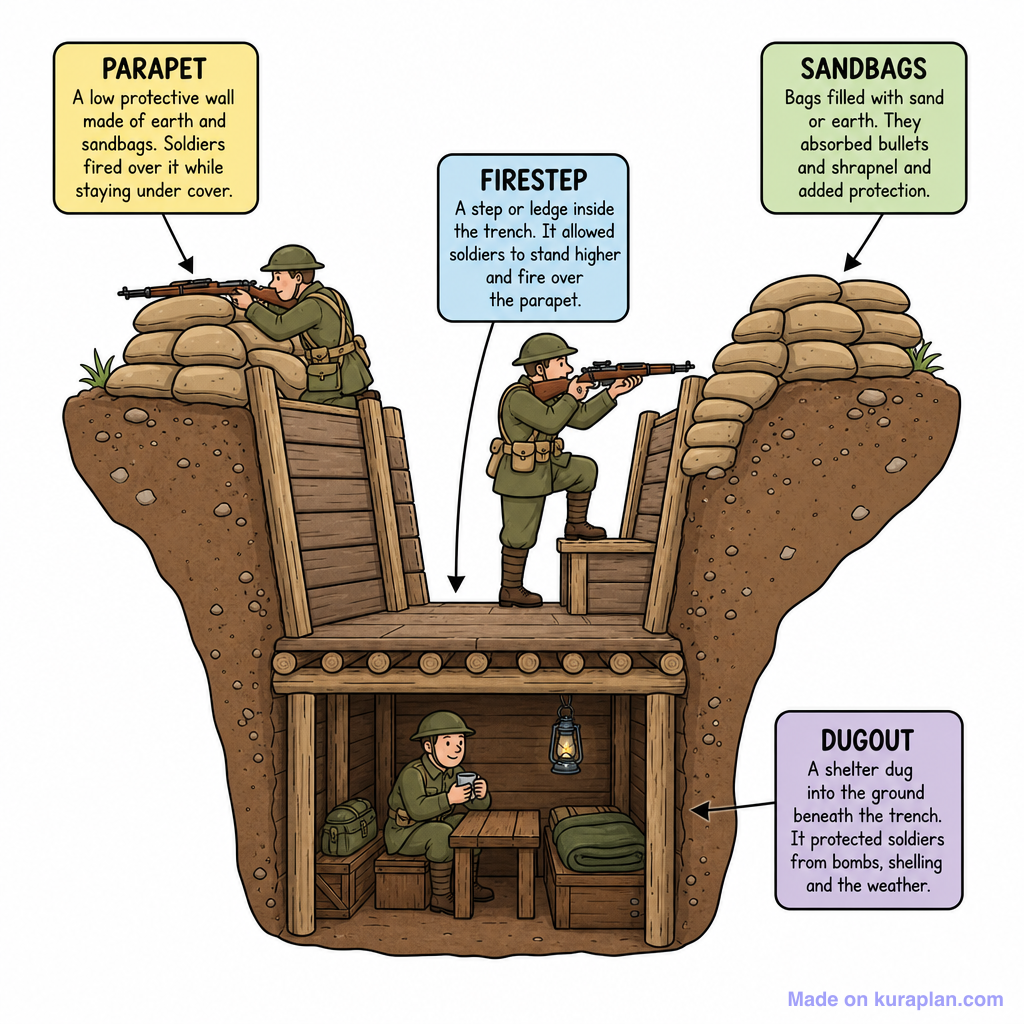
New Zealand Division formed in 1916 Major battles: Somme, Messines, Passchendaele Trench warfare and devastating conditions New Zealand's heaviest casualties of the war

Mapping the Battles
Work in pairs to locate these battles on a map: Gallipoli Peninsula, Turkey Somme region, France Passchendaele, Belgium Gaza and Jerusalem, Palestine

Palestine Campaign (1917-1918)
New Zealand Mounted Rifles in desert warfare Battles at Gaza and advance to Jerusalem Different fighting conditions - mobile warfare Final major campaign before war's end

The Cost of War: New Zealand's Losses
{"left":"Total deaths: Over 18,000 New Zealanders\nPopulation impact: 1 in 5 men of military age\nWounded: Over 40,000 soldiers","right":"Families affected: Nearly every community\nHighest per capita losses of any British dominion\nLong-lasting trauma and social change"}

Legacy and Remembrance
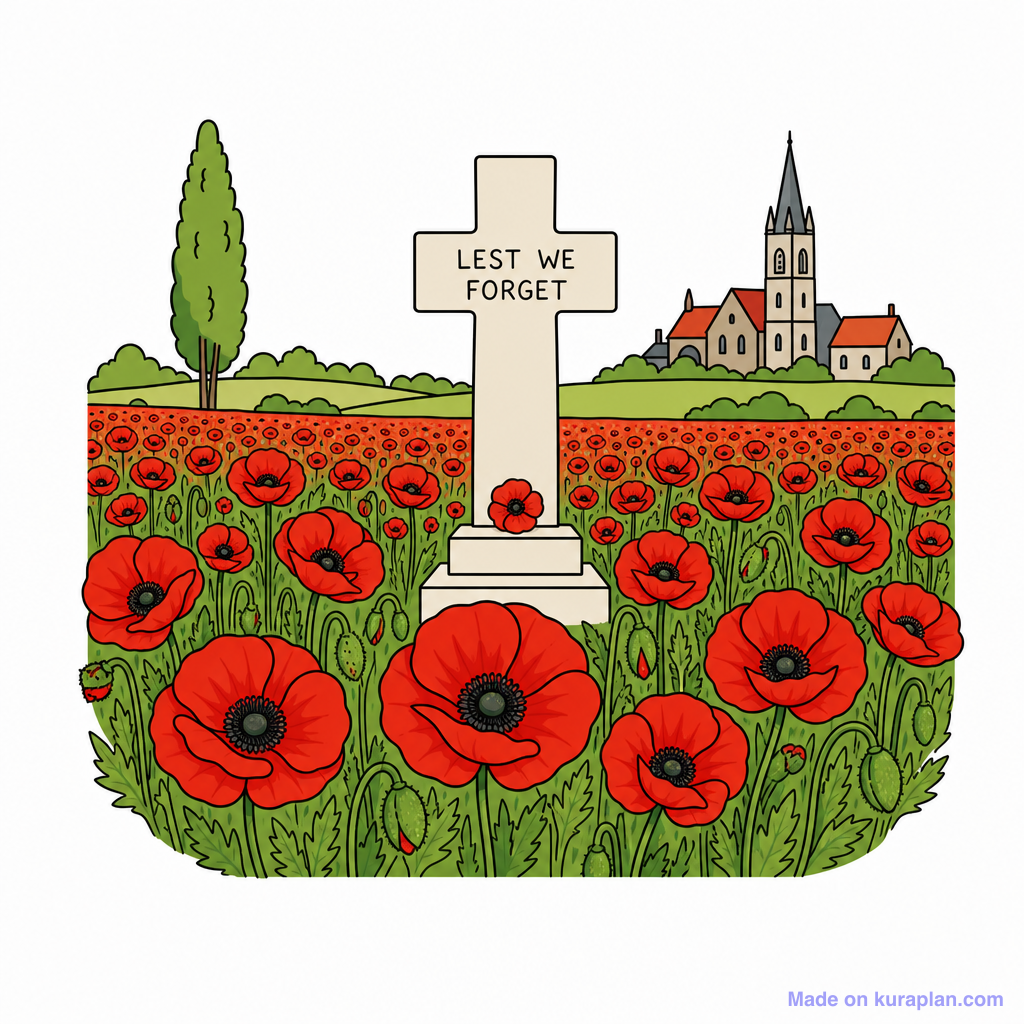
ANZAC Day - April 25th commemorates Gallipoli landing Dawn services honor fallen soldiers ANZAC spirit: courage, mateship, sacrifice Shaped New Zealand's national identity Continued remembrance through memorials and education
More WW1 slide decks
Other ready-to-teach decks on ww1.

Free WW1 images
Drop these illustrations straight into your lesson.