New Zealand and the Vietnam War
Understanding New Zealand's Role in the Cold War Era Year 12 Social Sciences Lesson 1: Historical Context

Learning Objectives
Describe the historical context and timeline of the Vietnam War Explain the causes through the lens of Cold War tensions Identify New Zealand's societal and political climate in the 1960s-70s Analyze New Zealand's military involvement and public reactions Develop historical inquiry skills through source evaluation

Cold War Context and Vietnam Timeline

Cold War Tensions Driving the Conflict
{"left":"Capitalism vs Communism ideological struggle\nUS policy of containment\nDomino Theory - fear of communist spread","right":"French colonial withdrawal from Indochina\nVietnamese nationalism and independence movements\nDivision at 17th parallel after Geneva Accords"}

New Zealand Society in the 1960s-70s
Strong ties to Britain and Western allies Anti-communist sentiment prevalent ANZUS Treaty obligations Military conscription introduced in 1964 Growing social movements and youth culture Divided public opinion on war involvement
New Zealand's Military Involvement
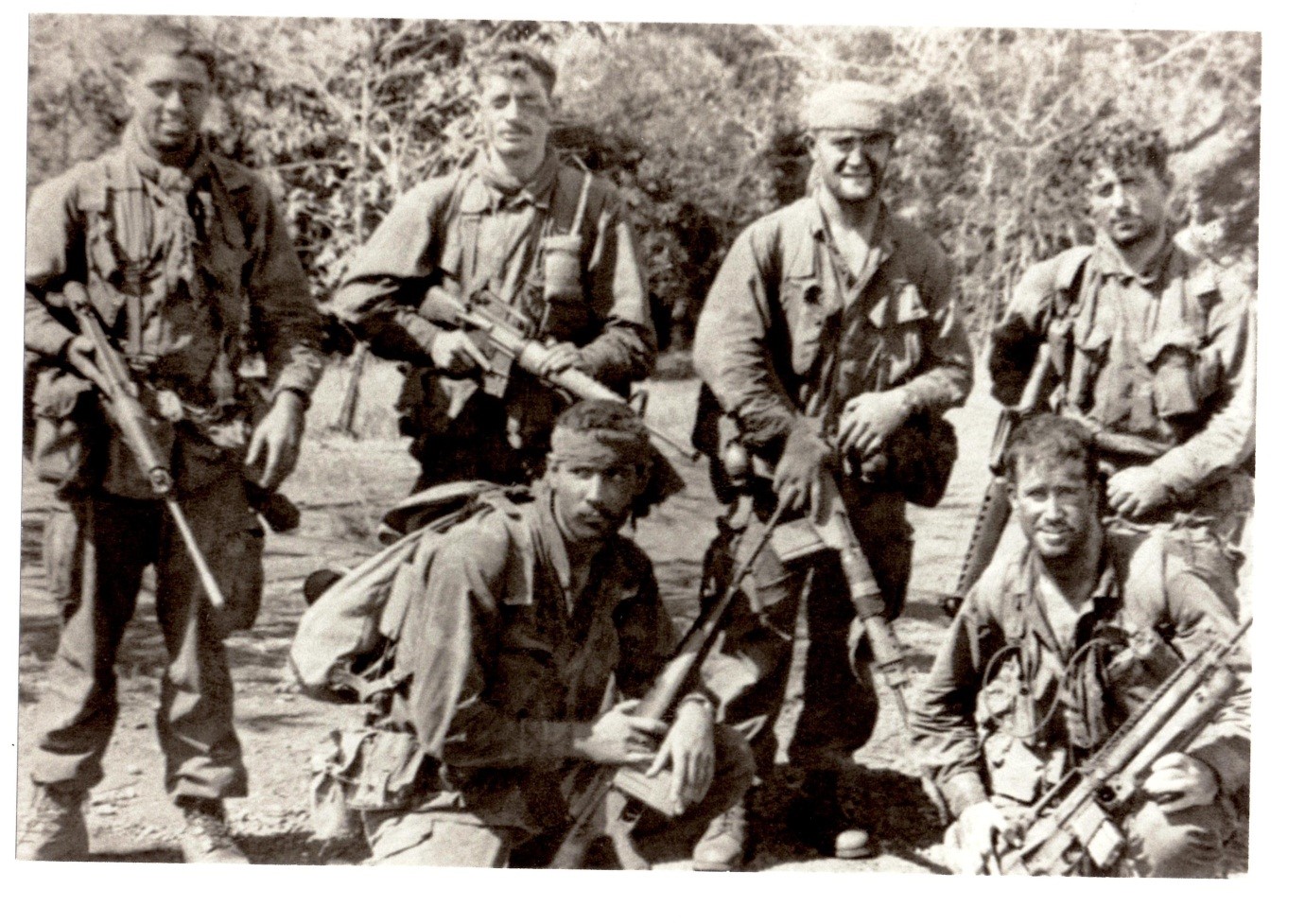
First combat troops deployed May 1965 Served alongside Australian forces at Nui Dat base Artillery battery (161 Battery) was key contribution Peak deployment: 548 troops in 1968 37 New Zealand personnel killed in action Final withdrawal completed in December 1971

Source Analysis Activity
Examine two contrasting primary sources: Source A: Letter from NZ soldier in Vietnam Source B: Anti-war protest poster from Auckland In groups, analyze: Who created it? Why? What perspective? How reliable? Prepare to share your findings with the class

Reflection and Preview
Exit Ticket: What is one thing you found surprising about New Zealand's involvement in the Vietnam War? Next lesson: We'll explore deeper causes and Cold War ideologies Consider: How did this conflict shape New Zealand's identity?