Measuring Length with Informal Units
Year 2-3 Mathematics Learning to compare and measure objects Using everyday items as measuring tools

WALT - We Are Learning To
Compare lengths of different objects Use informal units of measurement Order objects from shortest to longest Use mathematical language: longer, shorter, same

How Can We Measure Without a Ruler?
What objects could we use to measure? Why might we need different measuring tools? What have you used before to measure things?
Demonstration: Measuring with Paper Clips
Watch how to line up paper clips end-to-end No gaps between clips No overlapping clips Count each clip carefully Start from one end and go to the other
Success Criteria - What Good Measuring Looks Like
{"left":"✓ Objects are ordered correctly\n✓ Same unit used for all objects\n✓ Units placed end-to-end with no gaps","right":"✓ Units don't overlap\n✓ Counting is accurate\n✓ Mathematical language is used correctly"}
Your Turn: Measure and Order
Choose 3 objects from your table Measure each one with paper clips Write down how many clips long each is Put them in order: shortest to longest Use words: shorter, longer, same length
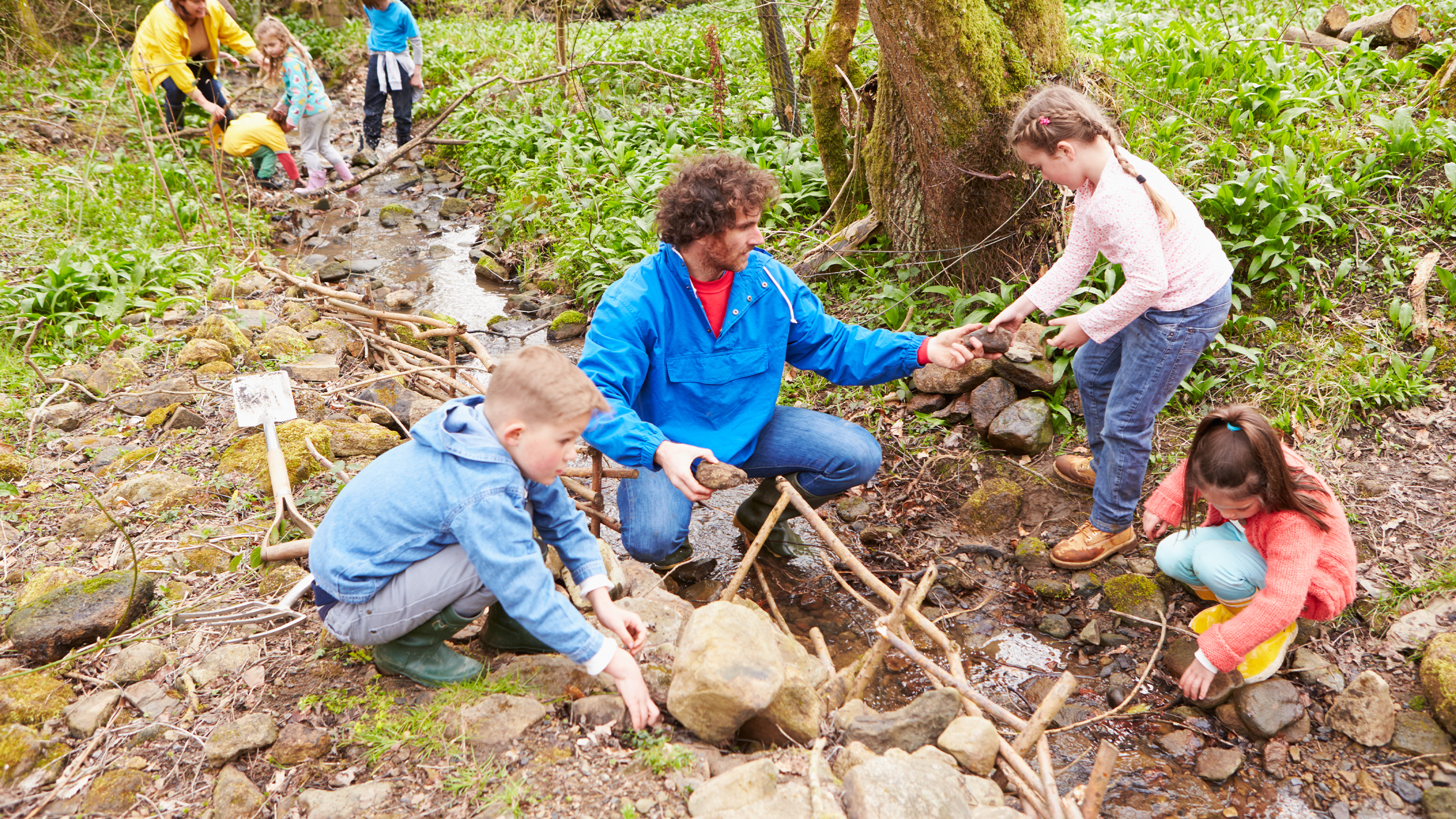
Extension: Outdoor Measuring Adventure
Reflection Time
'Mathematics is not about numbers, equations, computations, or algorithms: it is about understanding.' - William Paul Thurston What did you discover about measuring today? How did using the same unit help us compare lengths? When might you use measuring in real life?