Mastering Time, Tempo, and Rhythm
Year 10 Music Rhythmic Evolution: Drumming Mastery Lesson 23 of 30

Warm-Up: Call and Response Clapping
Follow the teacher's clapping patterns Start slow, gradually increase tempo Listen carefully to the steady beat Feel the tempo changes in your body

Understanding Tempo and Time
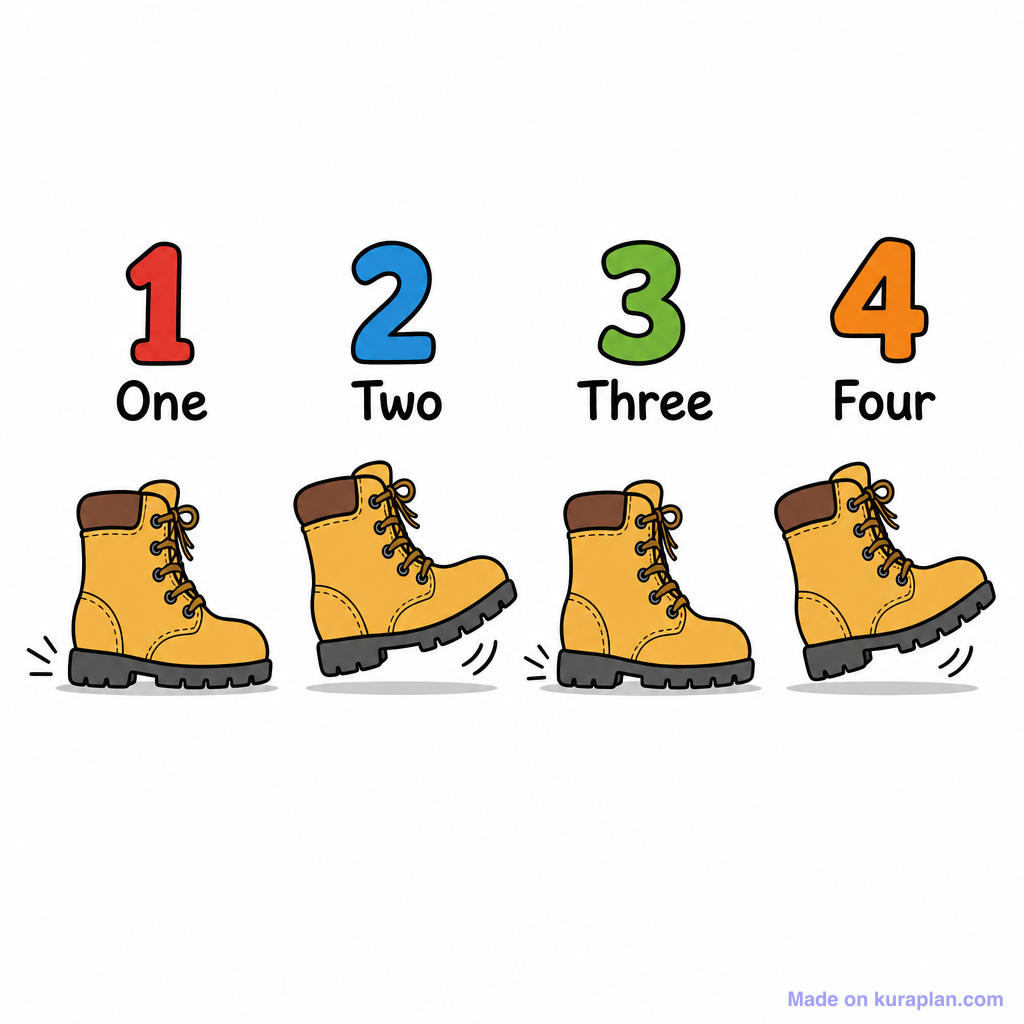
Tempo = Speed of the beat (BPM) Time Signature = Organization of beats Tempo affects mood and energy Time signature affects musical feel

Tempo Markings Chart

Common Time Signatures
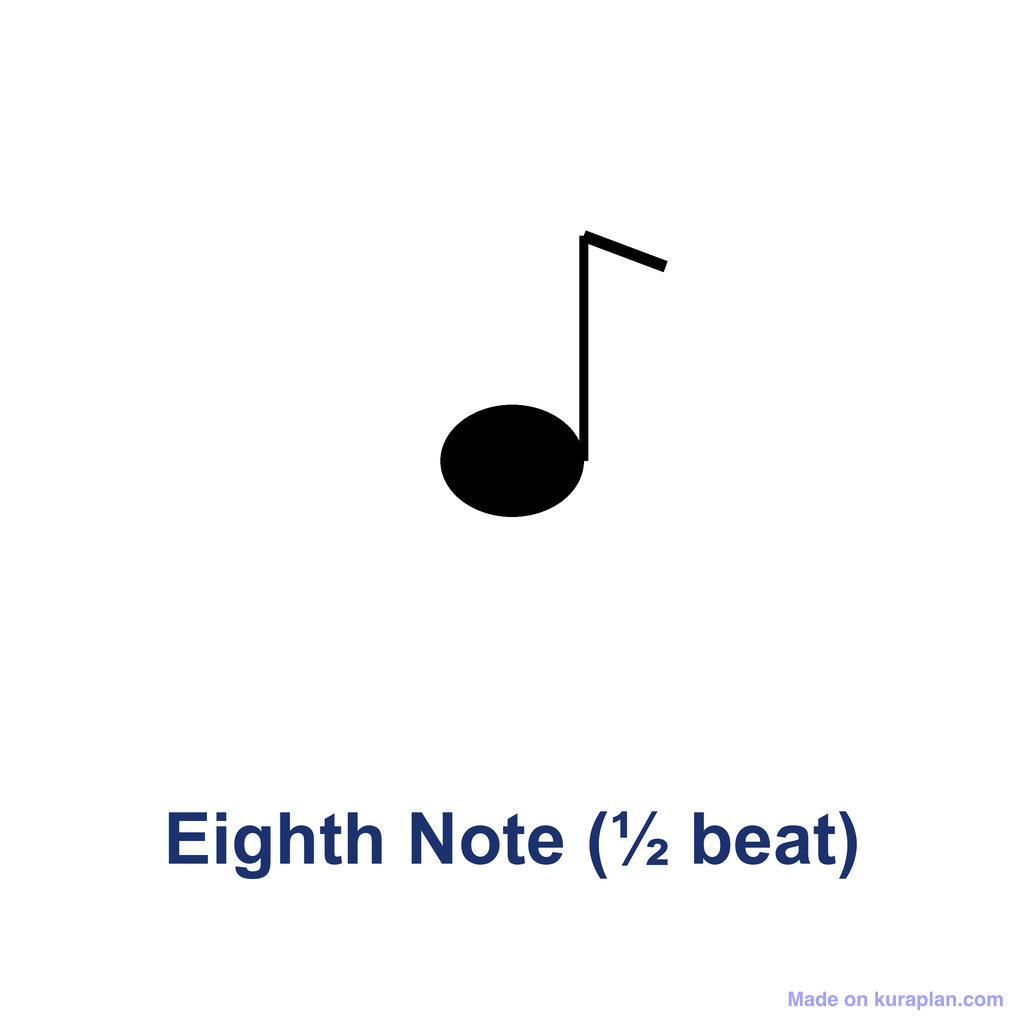
{"left":"4/4 Time - Four quarter-note beats per measure\n3/4 Time - Three quarter-note beats per measure\n6/8 Time - Six eighth-note beats per measure","right":"Most common in popular music\nCreates waltz feel\nCreates lilting, compound feel"}

Listening and Analysis
Listen to musical examples Identify tempo markings Recognize time signatures Discuss mood and style effects

Guided Drumming Practice
Practice steady beats in different time signatures Use metronome for tempo accuracy Adapt to teacher's tempo changes Focus on consistent rhythm

Group Rhythm Creation
Work in pairs or small groups Create rhythmic patterns with tempo changes Include different time signatures Perform for the class

Performance and Assessment
Groups perform their compositions Peer assessment using rubric Focus on tempo accuracy and rhythm Self-reflection on learning

Summary and Reflection
Tempo controls the speed and energy of music Time signatures organize beats into patterns Different combinations create various moods Next lesson: Advanced rhythmic techniques
More Rhythm slide decks
Other ready-to-teach decks on rhythm.


Free Rhythm images
Drop these illustrations straight into your lesson.