
Māori Verbs and Adjectives Explained
Understanding Tumahi and Huaingoa Te Reo Māori Language Learning Year 4 Language Arts
What are Tumahi? (Verbs)
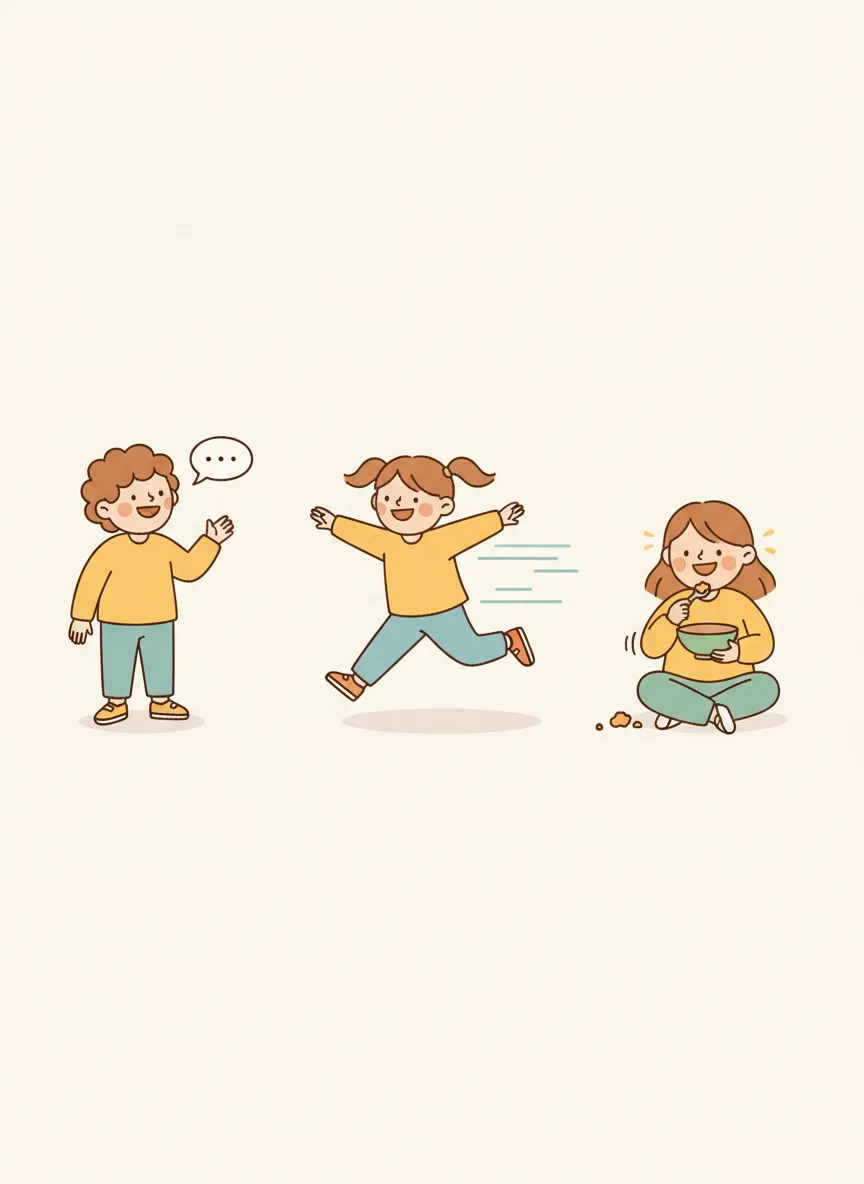
Tumahi are action words They tell us what someone is doing Examples: kōrero (speak), kōkiri (run), kai (eat) Tumahi make sentences come alive!

Tumahi in Action!
Stand up and copy the actions: Kōrero - pretend to talk Kōkiri - run on the spot Kai - pretend to eat Moe - pretend to sleep
What are Huaingoa? (Adjectives)
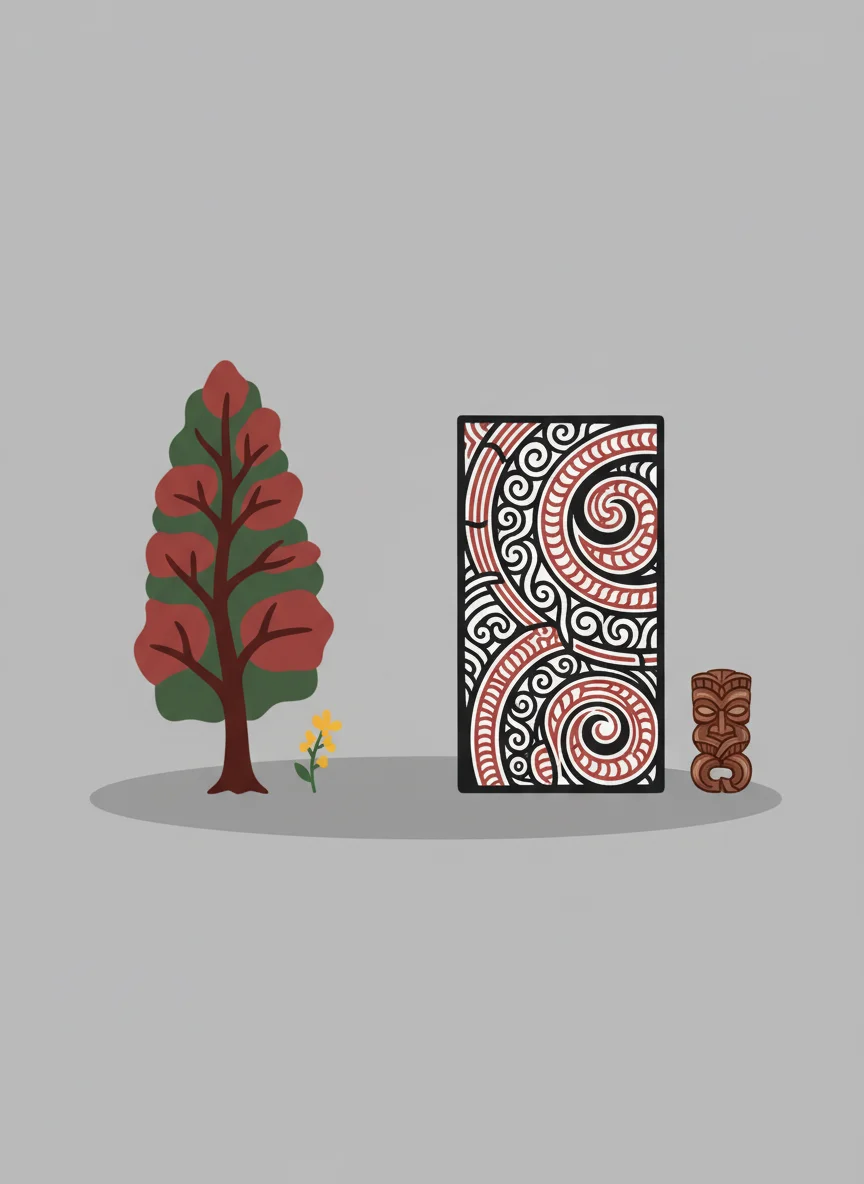
Huaingoa describe things They tell us what something is like Examples: nui (big), iti (small), atahua (beautiful) Huaingoa add detail to our sentences

Tumahi vs Huaingoa
{"left":"Tumahi (Verbs)\nAction words\nWhat we DO\nkōrero, kōkiri, kai","right":"Huaingoa (Adjectives)\nDescribing words\nWhat things are LIKE\nnui, iti, atahua"}

Can you spot the Tumahi?
Listen to these words: atahua (beautiful) kōkiri (run) nui (big) Which one is the tumahi?
Using Tumahi and Huaingoa Together
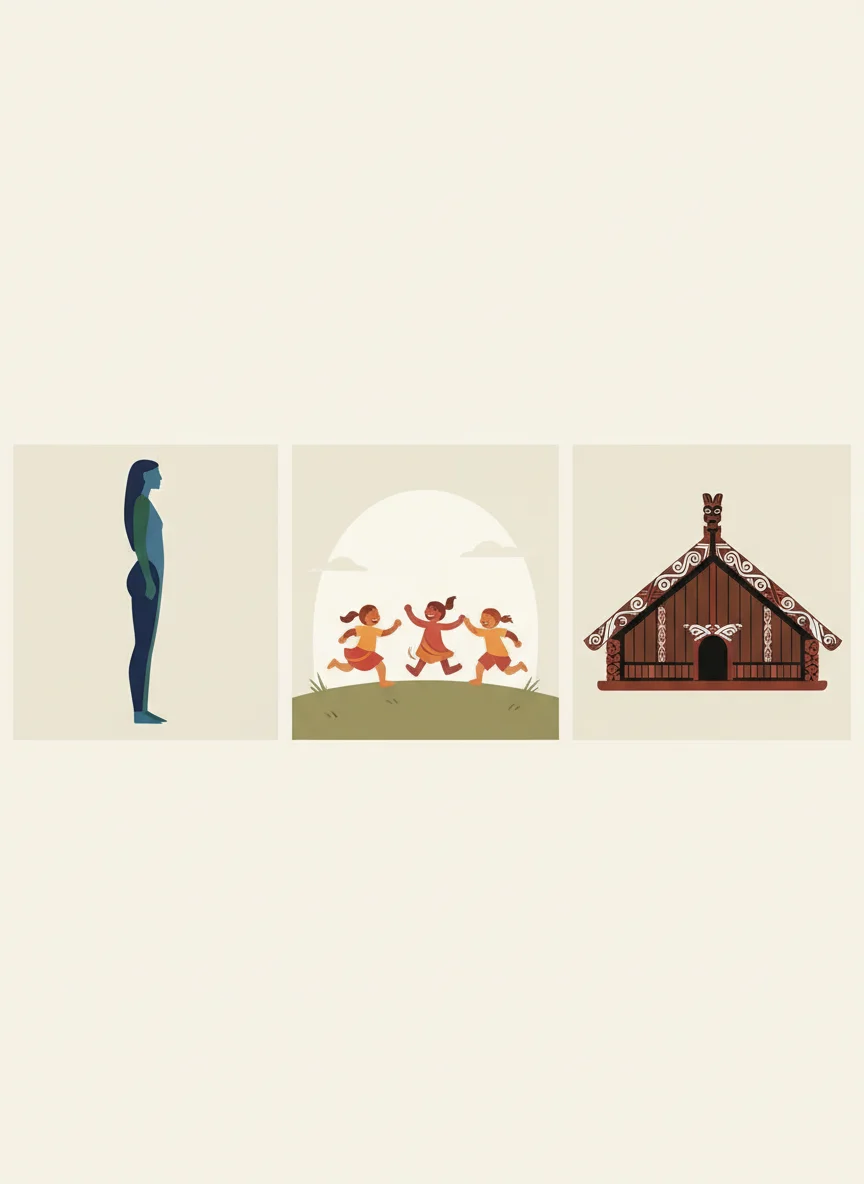
We can combine them in sentences! He tangata nui - A big person Kōkiri ngā tamariki - The children run He whare atahua - A beautiful house
Match the Words!
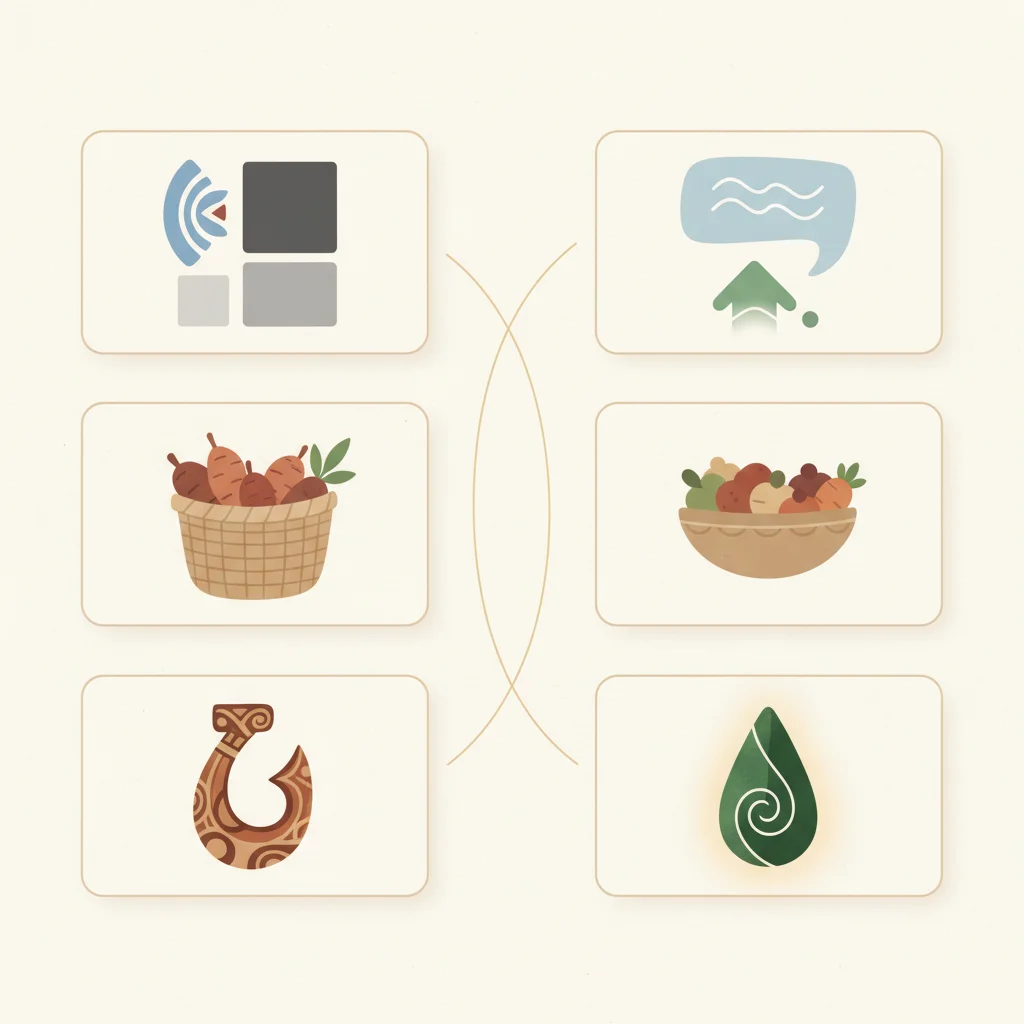
Draw a line to match: kōrero → speaking action nui → describing size kai → eating action atahua → describing beauty

Remember This!
Tumahi = Action words (what we DO) Huaingoa = Describing words (what things are LIKE) Together they help us speak te reo Māori!

Ka pai! Well Done!
Today we learned about: Tumahi (verbs) - action words Huaingoa (adjectives) - describing words How to use them together Keep practicing te reo Māori!