
Exploring Global Food Cultures
Understanding what shapes the foods we eat Year 9 Food Technology WALT: Identify factors that influence food culture
What is Food Culture?
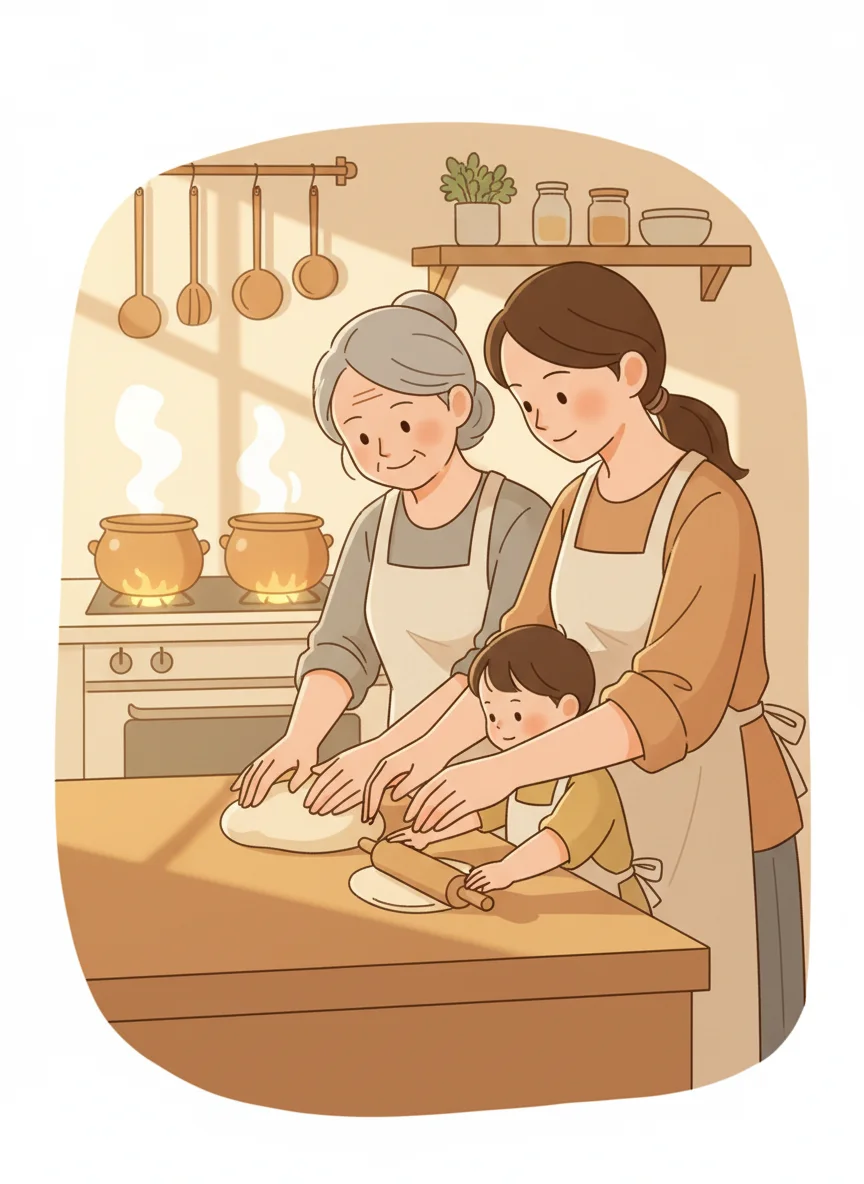
The traditional foods, cooking methods, and eating habits of a group of people Passed down through generations Reflects identity, values, and history Changes and evolves over time
Factors That Shape Food Culture
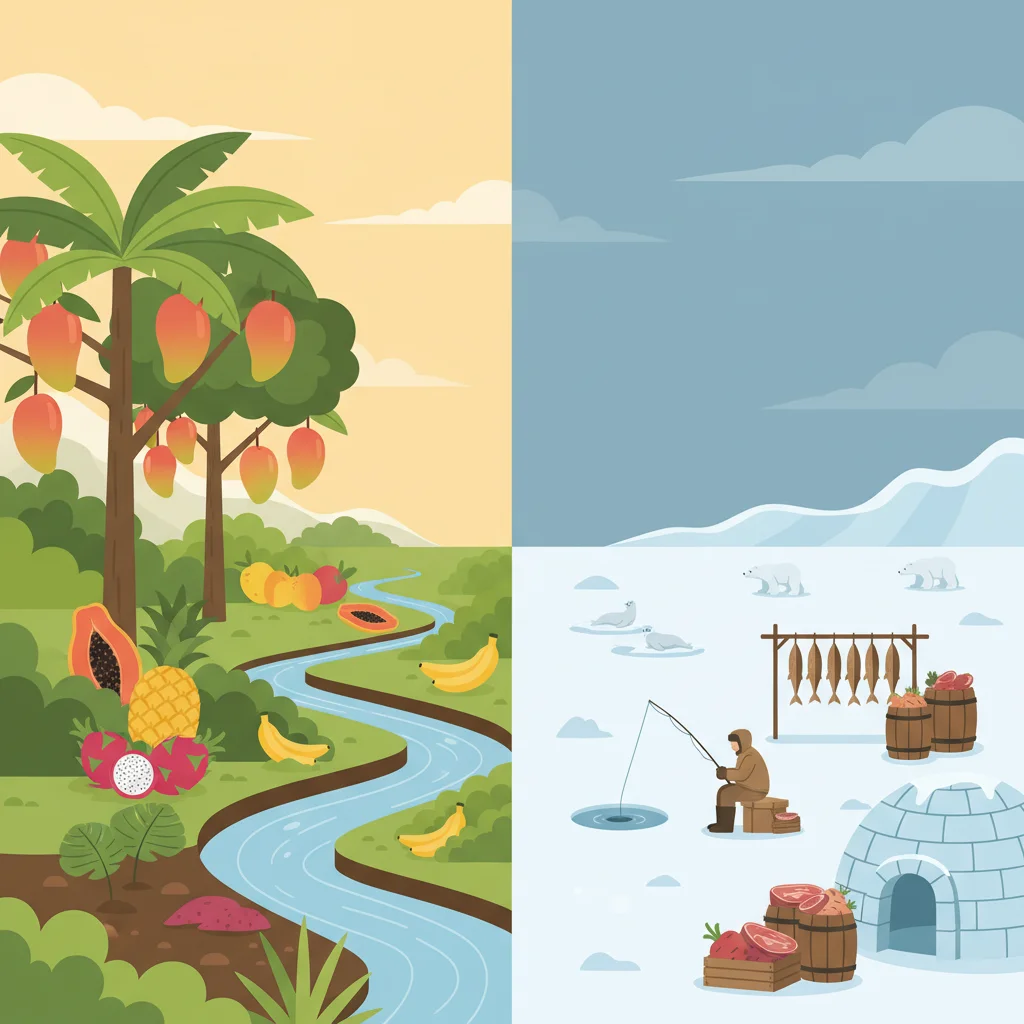
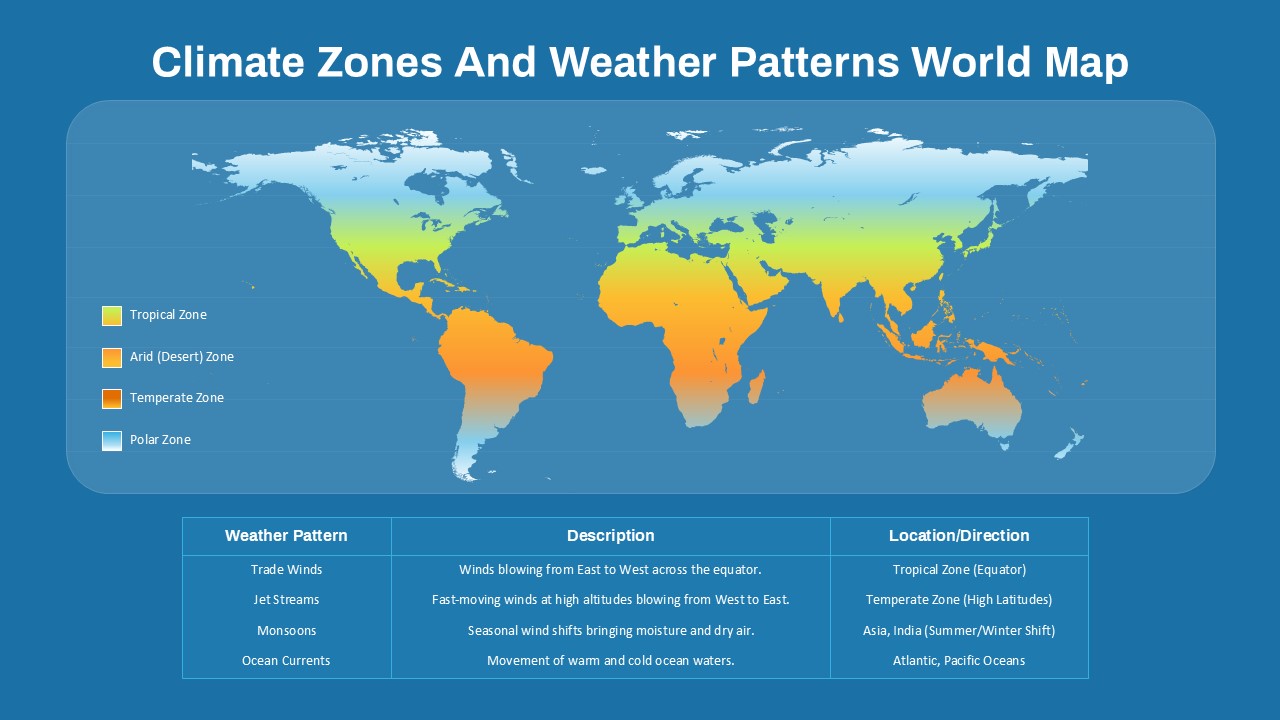
{"left":"Geography and Climate\nAvailable ingredients and growing conditions\nHistory and Migration\nWars, trade routes, and population movements","right":"Religion and Beliefs\nDietary laws and ceremonial foods\nEconomics and Resources\nWealth, poverty, and food accessibility"}
Geography's Impact on Food

Think About Your Food Culture
What foods does your family eat regularly? What do you eat on special occasions? Are there foods from your cultural background? How has your family's food changed over time?

Religion and Food Culture
Dietary laws shape what people can eat Halal foods in Islamic culture Kosher foods in Jewish culture Vegetarianism in Hindu and Buddhist traditions Ceremonial and festival foods

Discussion Question
How do you think New Zealand's history of immigration has influenced our food culture? Think about: Māori traditional foods, British colonial influence, Asian immigration, Pacific Island communities
Economic Factors in Food Culture
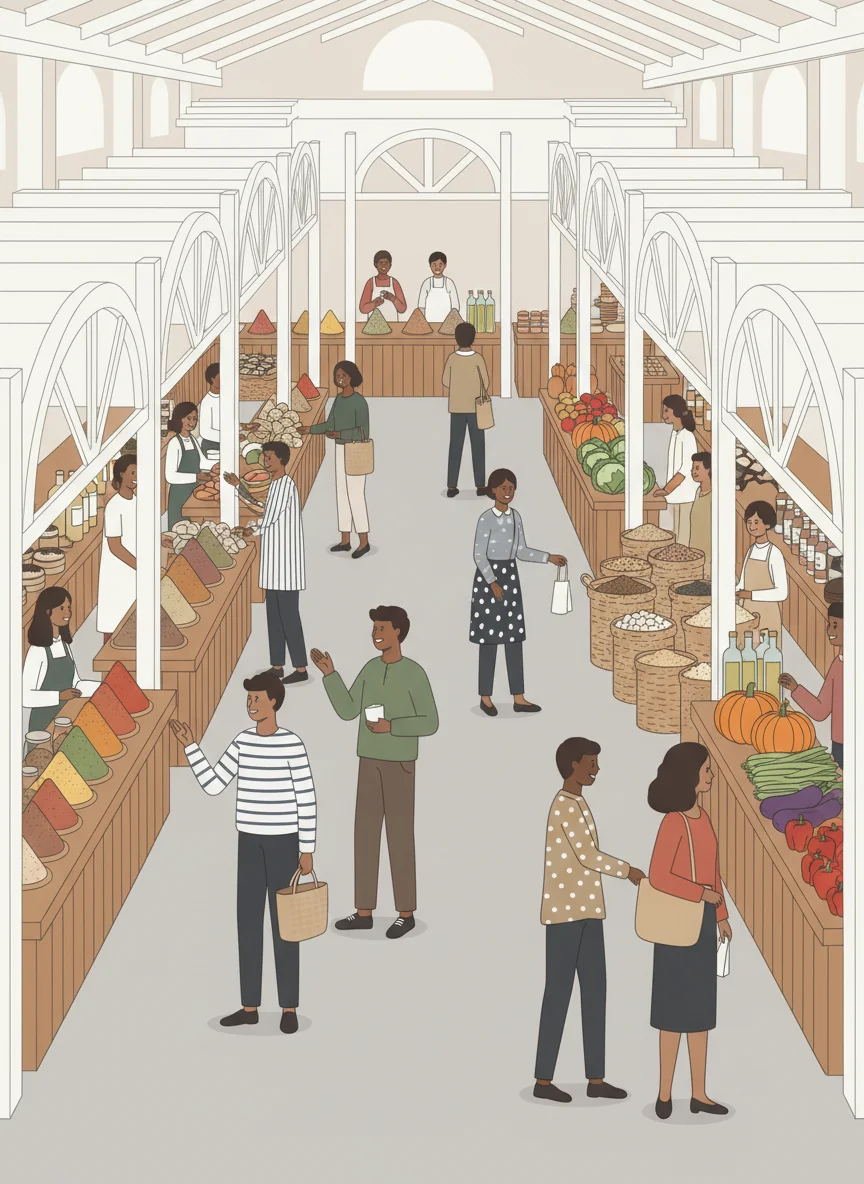
Wealthy societies often have more food variety Poor communities may rely on staple foods Trade and globalization spread foods worldwide Technology changes how we grow and preserve food Urbanization affects traditional food practices

Your Research Task
Choose a country to research Find out what factors have shaped their food culture Look for: traditional dishes, cooking methods, special occasion foods, religious influences Create a mini-report to share with the class
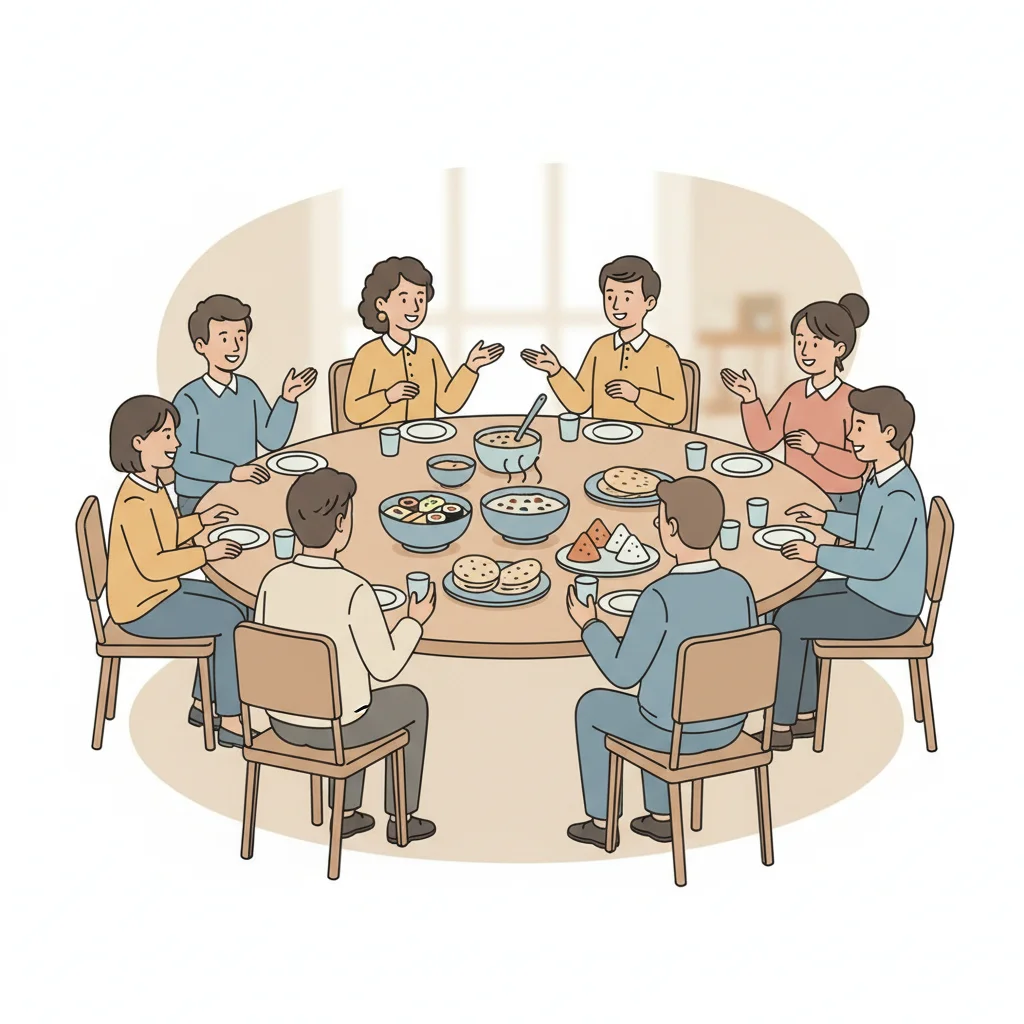
Remember
Food culture is more than just what we eat - it's about identity, history, and community Understanding different food cultures helps us appreciate diversity and learn about the world