
Evaluating Sources: Bias, Reliability, Perspective
Year 11 History/Social Studies Understanding Information in the Digital Age

Types of Sources: Primary, Secondary, Tertiary
Primary: Original documents, eyewitness accounts, artifacts from the time period Secondary: Analysis and interpretation of primary sources by historians or scholars Tertiary: Summaries and compilations like encyclopedias and textbooks
Source Classification Challenge
Work in pairs to classify these sources: 1. Winston Churchill's wartime speeches 2. A 2020 documentary about WWII 3. Wikipedia article on World War II 4. Photographs from D-Day landings 5. A history textbook chapter on the war
Understanding Bias in Sources
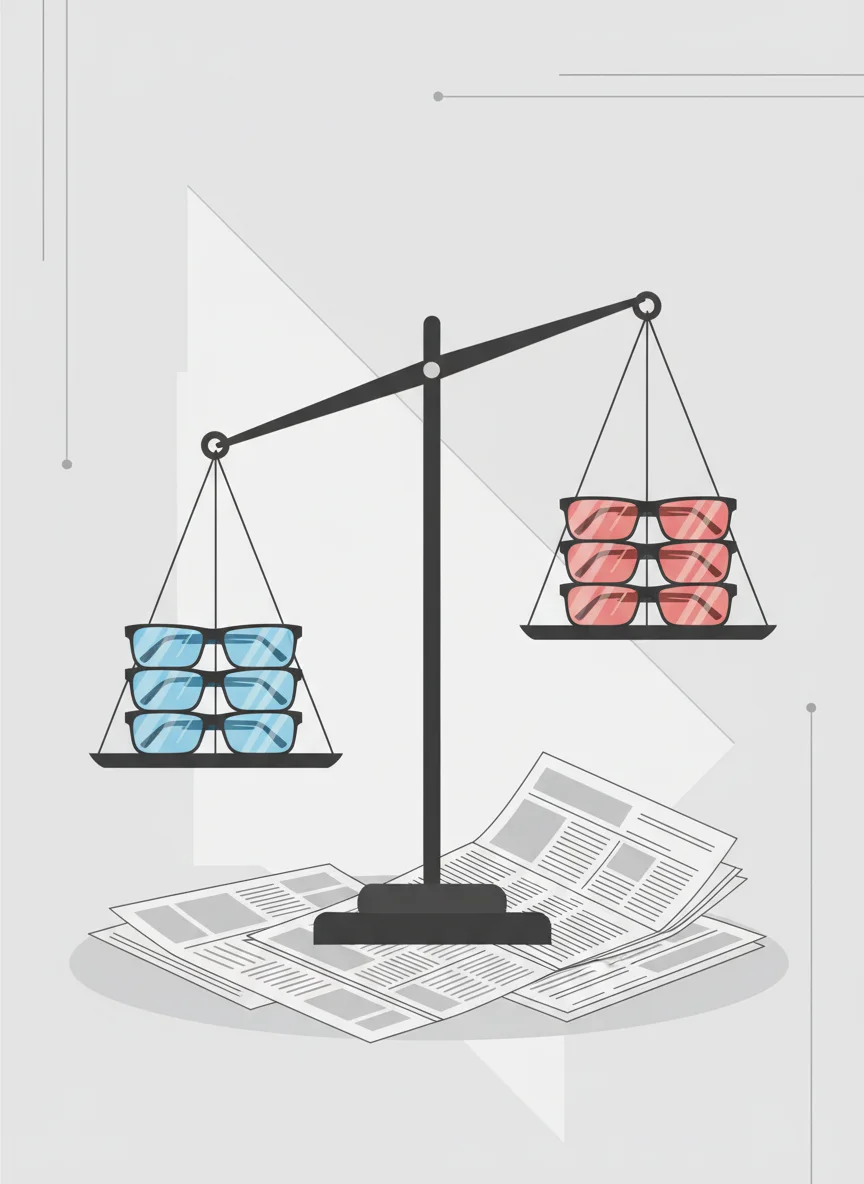
Bias: A prejudice or inclination toward a particular viewpoint All sources contain some level of bias - it's unavoidable Types: Political, cultural, personal, institutional, confirmation bias Bias doesn't automatically make a source unreliable
Determining Source Reliability
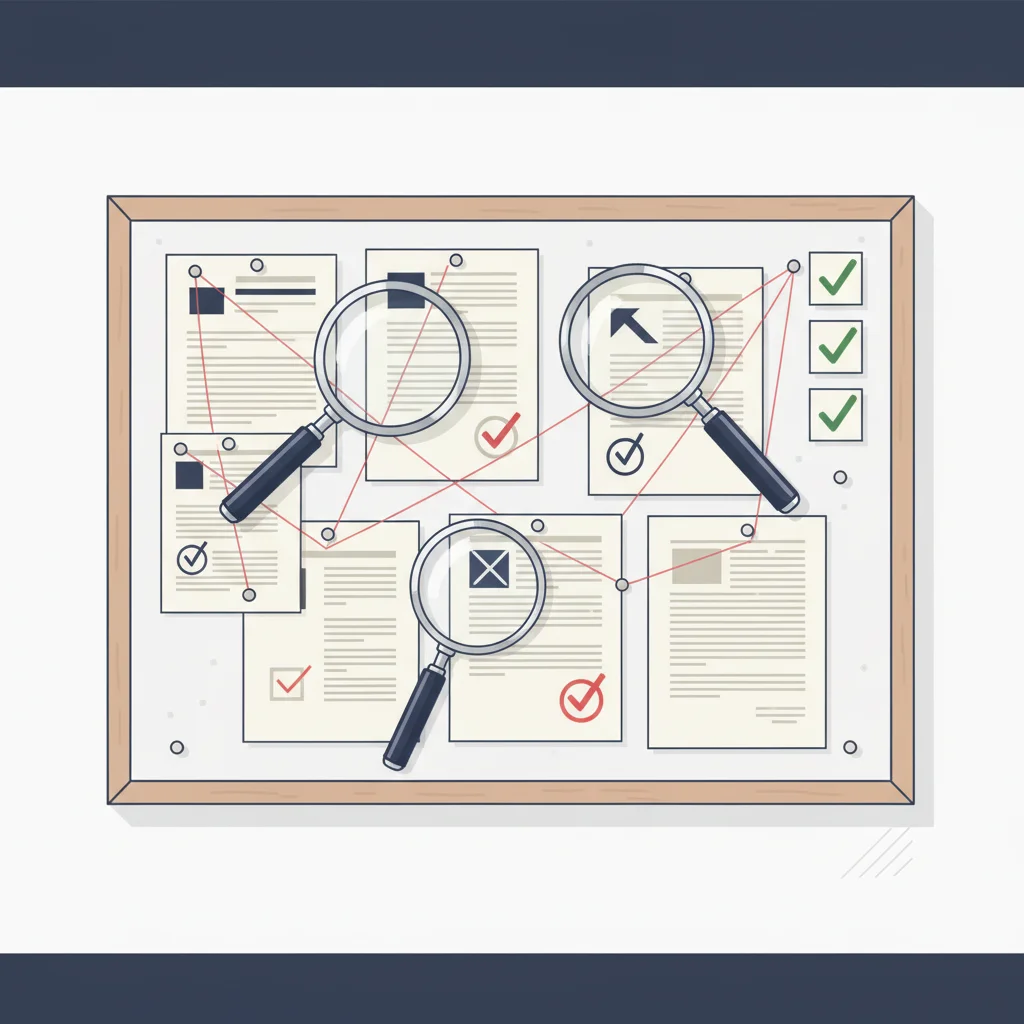
{"left":"Author credentials and expertise\nPublication date and relevance\nPublisher reputation and peer review\nEvidence and citations provided","right":"Cross-referencing with other sources\nPotential conflicts of interest\nLogical reasoning and consistency\nTransparency about methodology"}
Perspective in Historical Sources
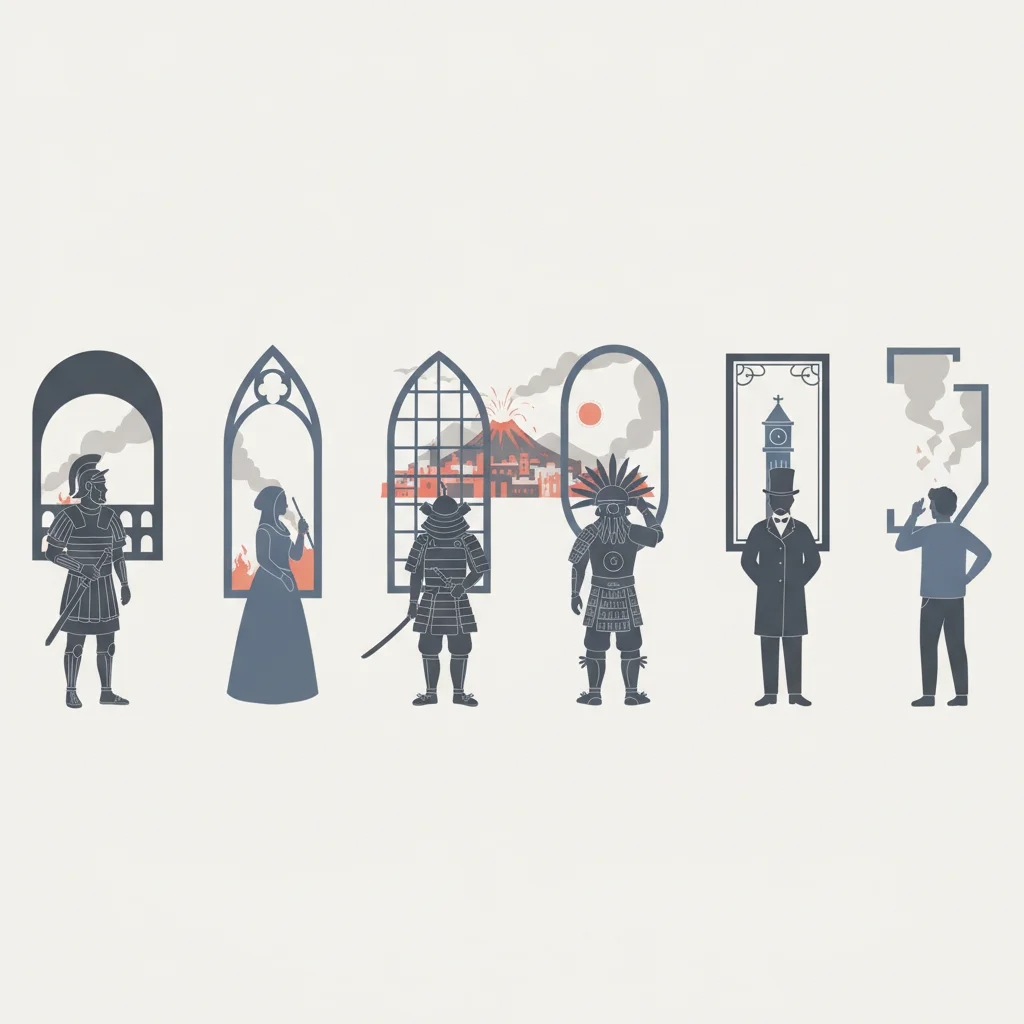
"Every source reflects the time, place, and circumstances in which it was created. Understanding perspective means asking: Who wrote this? When? Why? For whom?"
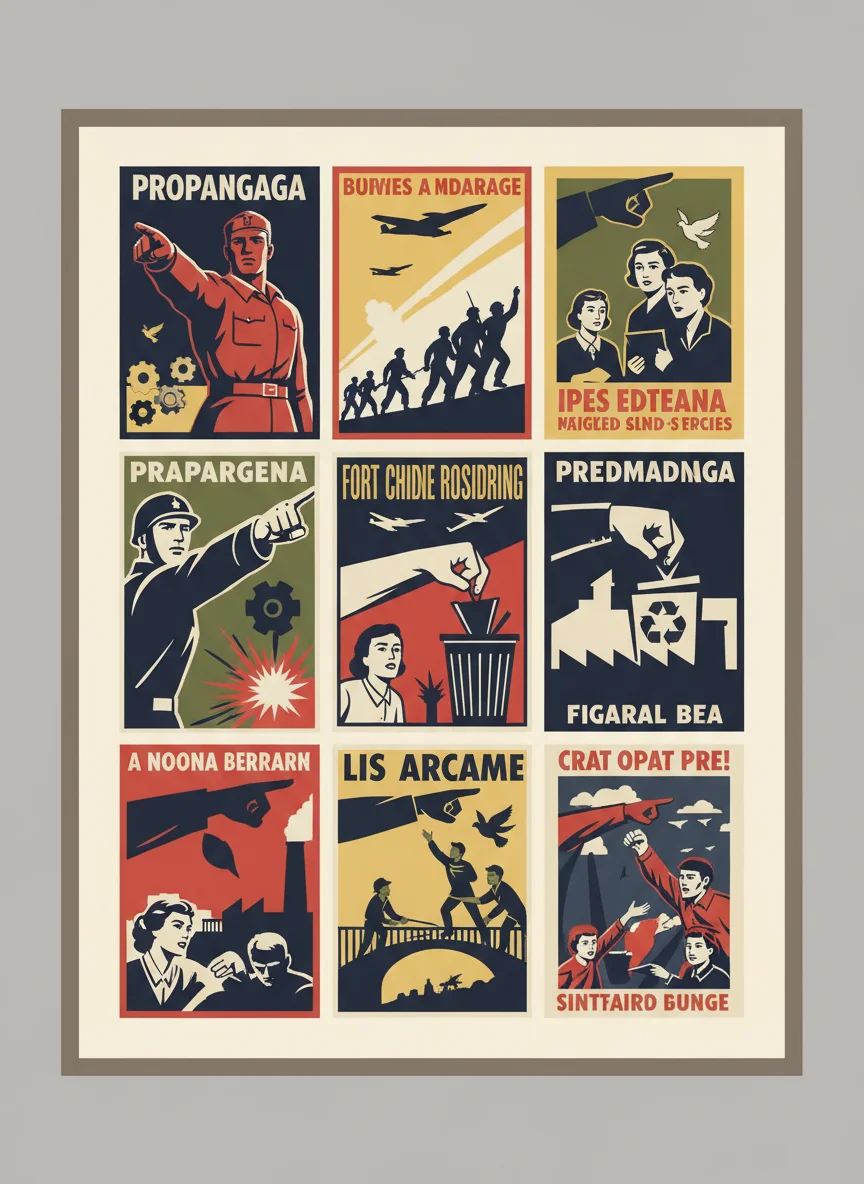
Identifying Propaganda
Propaganda: Information designed to promote a particular viewpoint or cause Techniques: Emotional appeals, selective facts, repetition, loaded language Often uses powerful imagery and simple messages Can be found in advertising, politics, and wartime materials Not always negative - public health campaigns use similar techniques

Social Media as a Source: Reliable or Not?
Consider these factors: Speed vs. accuracy in reporting User-generated content and verification Echo chambers and algorithm bias Primary source potential for current events Misinformation and deepfakes
Media Coverage: Iran Conflict Analysis

Key Takeaways: Becoming Critical Consumers
Always consider the source's purpose and perspective Cross-reference information across multiple reliable sources Understand that all sources have some bias - the key is transparency Question emotional appeals and check for evidence Stay informed about current media literacy techniques Develop your own critical thinking skills