EMF and Potential Difference Explained
Year 12 Physics Cambridge International Curriculum Understanding Energy Transfer in Circuits
Starter Question
What happens to energy when a charge moves through a circuit? Think about: • Energy transformations • Work done on charges • Where does the energy come from?
Key Definitions
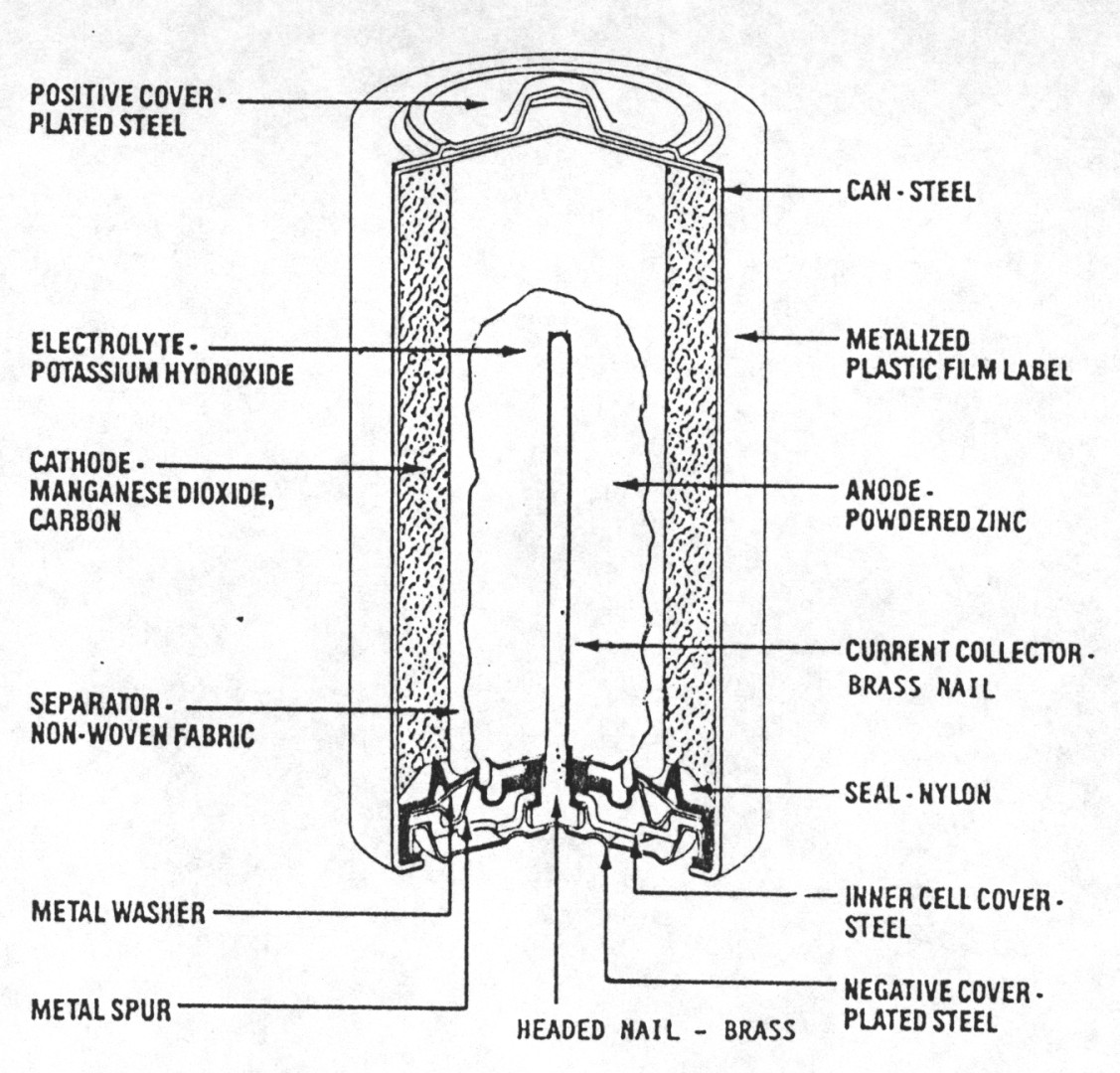
Potential Difference (p.d.): Work done per unit charge to move charges between two points Electromotive Force (EMF): Chemical energy converted per unit charge in a power source Key Distinction: EMF supplies total energy, p.d. uses energy in external circuit Both measured in volts (V)
EMF vs Potential Difference
{"left":"EMF (Electromotive Force)\nTotal energy per unit charge supplied by source\nIndependent of external circuit\nAlways constant for a given source","right":"Potential Difference\nEnergy per unit charge used in external circuit\nDepends on current and resistance\nAlways less than or equal to EMF"}

Internal Resistance and the EMF Equation
All real power sources have internal resistance (r) This causes terminal voltage to be less than EMF The fundamental equation: E = V + Ir Where: E = EMF, V = terminal p.d., I = current, r = internal resistance

Practical Investigation
Measure terminal voltage vs current Use variable resistor to change current Record voltage readings at different currents Observe: voltage decreases as current increases Plot V vs I graph to find internal resistance

Worked Example
Problem: A battery has EMF = 12V and internal resistance = 1.5Ω Current flowing = 2A Calculate the terminal voltage Solution: V = E - Ir V = 12V - (2A × 1.5Ω) = 12V - 3V = 9V

Key Takeaway
EMF is the total energy per unit charge supplied by a source, while potential difference is the energy per unit charge used in the external circuit. Internal resistance causes the terminal voltage to always be less than the EMF when current flows.