
Cyberbullying Prevention and Digital Kindness
Understanding Online Harm Building Digital Respect Creating Safe Online Communities
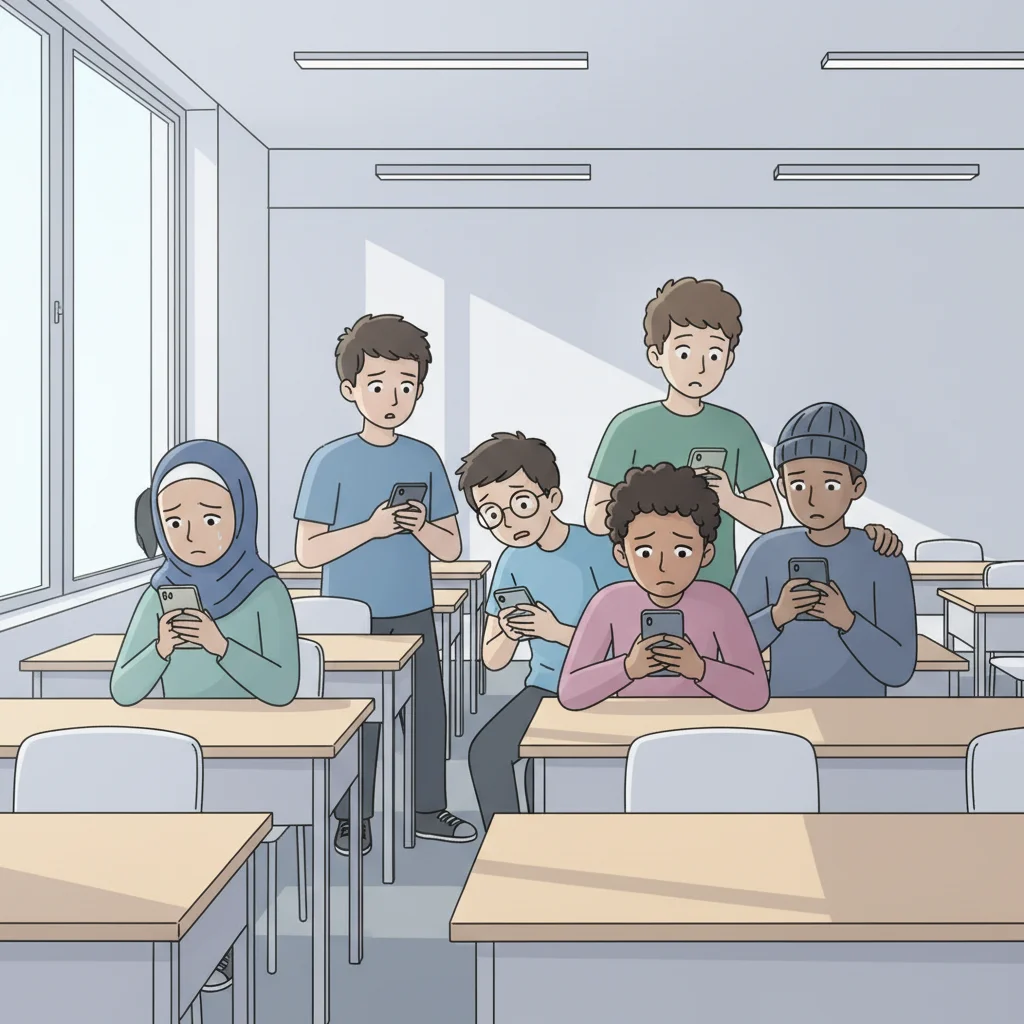
What Does Online Harm Look Like?
Think about your own digital experiences What behaviors make online spaces feel unsafe? How might someone's day be affected by negative online interactions?
Defining Cyberbullying
Repeated harmful behavior using digital technology Intentional actions designed to hurt, embarrass, or exclude Can happen 24/7 through various platforms Often involves power imbalance between perpetrator and target

Forms of Cyberbullying - Group Brainstorm
Work in groups of 4-5 students Each group takes one form: harassment, exclusion, impersonation, or spreading rumors Create examples and discuss emotional impact Prepare to share key insights with the class

The Ripple Effects of Cyberbullying
{"left":"Emotional impacts: anxiety, depression, loss of self-esteem, sleep problems, academic difficulties\nSocial consequences: isolation from friends, damaged relationships, reluctance to participate online","right":"Legal implications: harassment laws, school disciplinary action, potential criminal charges for severe cases\nLong-term effects: digital footprints, impact on future opportunities, lasting psychological effects"}

Netsafe NZ: Real Student Experiences

Video Reflection: What Helped?
What support strategies were most effective in the video? What actions made the situation worse? Who were the key people that provided help? What would you do differently in a similar situation?
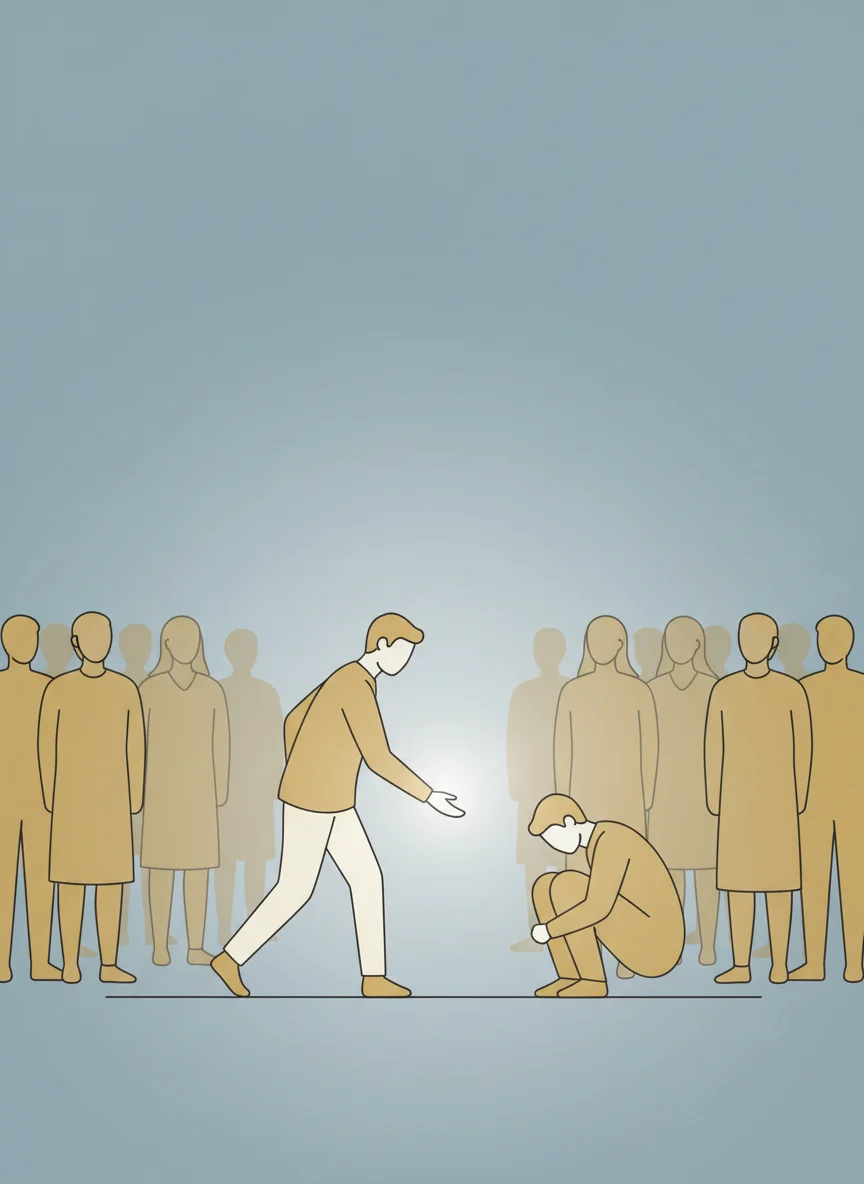
From Bystander to Upstander
Bystanders: witness harmful behavior but don't act Upstanders: take safe, positive action to help others Small actions can make a big difference Everyone has the power to create positive change online

Upstander Action Strategies
Brainstorm safe ways to help someone experiencing cyberbullying Consider direct support, reporting mechanisms, and involving trusted adults Think about both immediate and follow-up actions Focus on strategies that prioritize everyone's safety

Digital Communication Principles
Think before you post - consider impact on others Treat others with the same respect you'd want Verify information before sharing Use technology to build others up, not tear them down Remember that real people are behind every profile

Creating Our Online Kindness Charter
Work as a class to develop shared principles Include specific actions for respectful communication Define what being an upstander means in our community Create commitments we can all agree to follow
Safe Support Strategies
{"left":"Direct support: Send private message of encouragement, invite them to talk, listen without judgment, help them access resources\nIndirect support: Report harmful content, screenshot evidence, involve trusted adults, don't share or engage with harmful posts","right":"Self-care: Know your limits, seek support when needed, don't try to handle everything alone, prioritize your own wellbeing\nFollow-up: Check in regularly, celebrate positive changes, maintain ongoing friendship, continue to be available"}
2 more slides available after you open the deck.
Download all 14 slides