
Baking's Big Three: Flour, Sugar, Fat
Understanding the Foundation of Food Technology Year 12 Food Technology Duration: 45 minutes
Learning Objectives - WALT
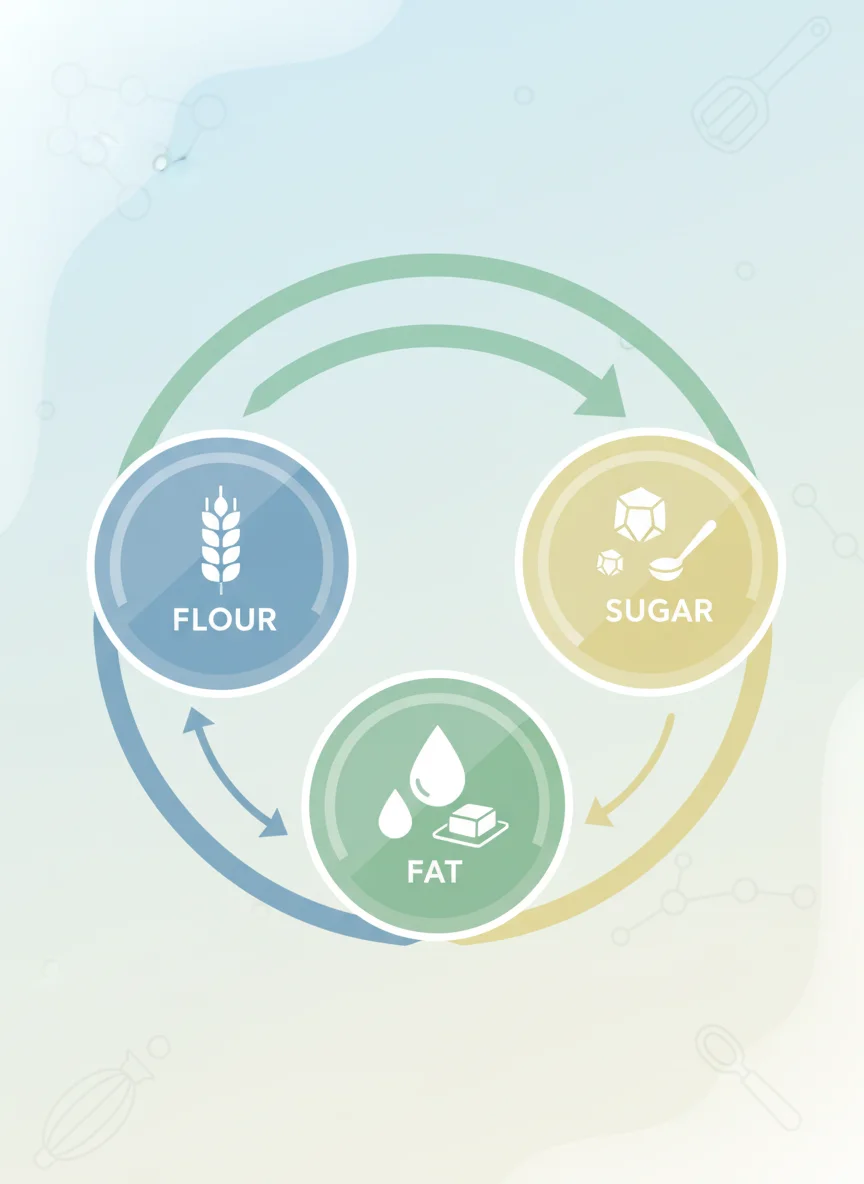
We Are Learning To understand how flour provides structural foundation through gluten formation We Are Learning To explain sugar's multiple roles beyond sweetness We Are Learning To analyze how fat creates tenderness and texture We Are Learning To apply ratio knowledge to predict baking outcomes
The Foundation of Baking
'Flour, sugar, and fat are the big three in baking, defining structure, sweetness, and texture respectively. Master these three, and you master the art of baking.'

Flour: The Structure Builder
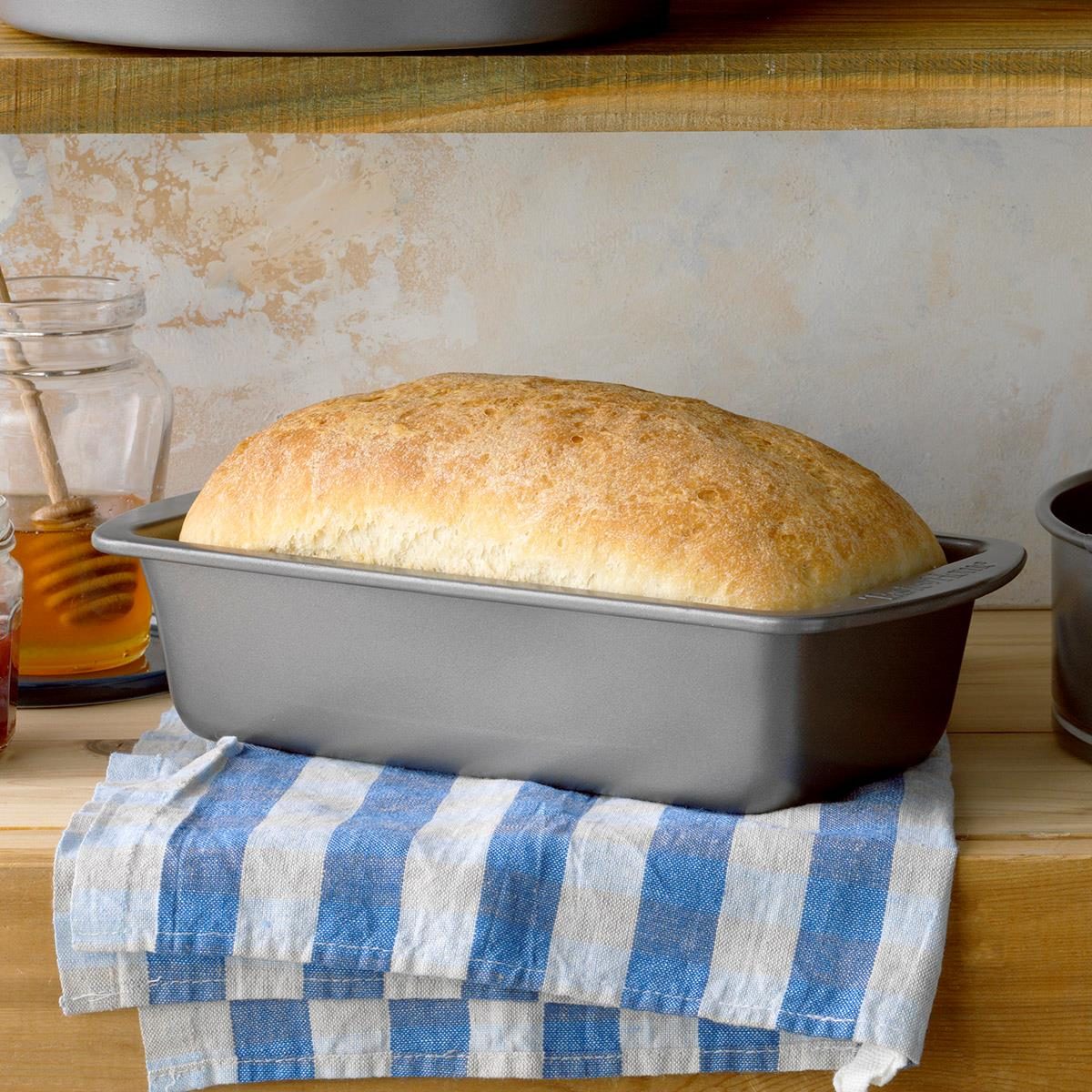
Provides foundation through gluten formation and starch gelatinization Protein content determines texture outcomes Cake flour (low protein) = tender, delicate crumbs All-purpose flour (medium protein) = versatile for most baking Bread flour (high protein) = strong gluten network for chewy texture Absorbs liquid and sets structure during baking process

Flour Investigation Activity
Compare three flour types side by side Feel texture differences between cake, all-purpose, and bread flour Mix small amounts with water to observe gluten formation Predict which flour would work best for: cookies, bread, sponge cake Record observations in your food technology journal

Sugar: More Than Just Sweetness
Tenderizing: Interrupts gluten formation creating softer texture Moisture retention: Hygroscopic properties keep baked goods fresh Caramelization creates flavor and golden-brown color Maillard reaction with proteins develops complex flavors Leavening: Creaming with butter traps air for fluffy texture Preservative qualities extend shelf life
Fat: The Texture Master
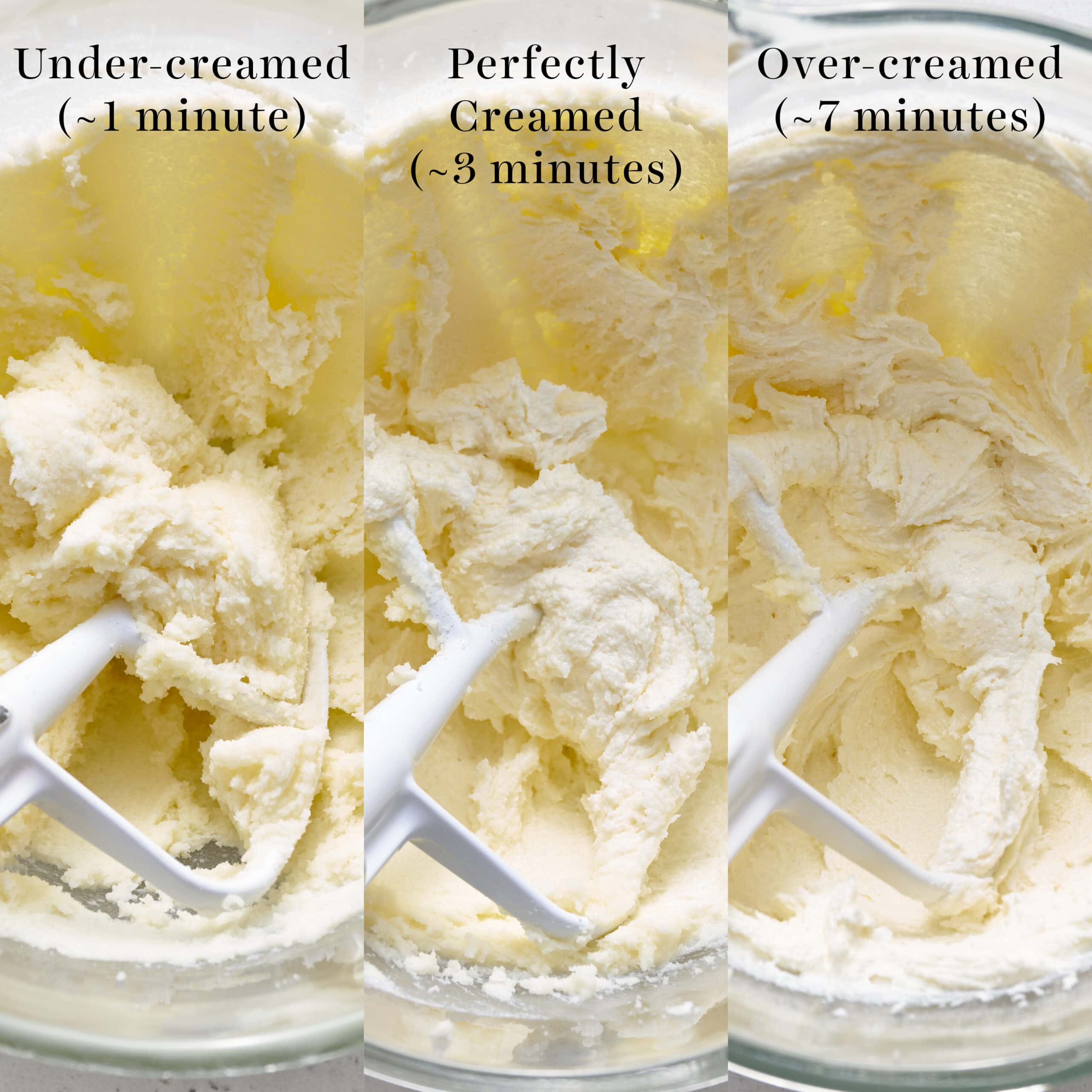
{"left":"Shortening/Tenderizing: Coats flour particles preventing excessive gluten\nCreates flaky, tender textures in pastries and cakes\nAeration: Solid fats trap air when creamed with sugar","right":"Provides volume and light texture in cakes\nFlavor carrier: Enhances taste and provides rich mouthfeel\nLiquid vs Solid: Oil creates moist density, butter adds structure"}
Understanding Baking Ratios
Critical Thinking Challenge
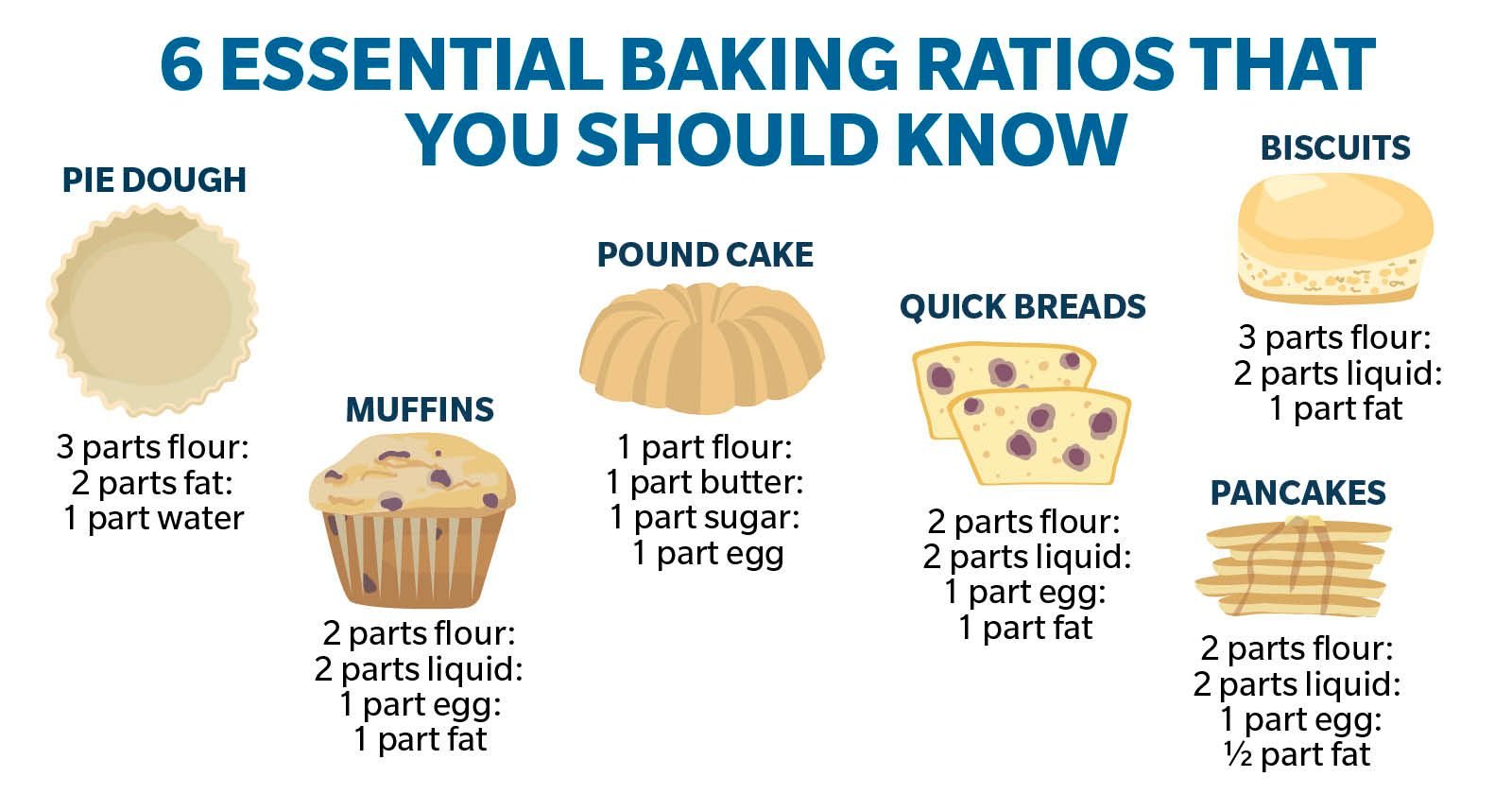
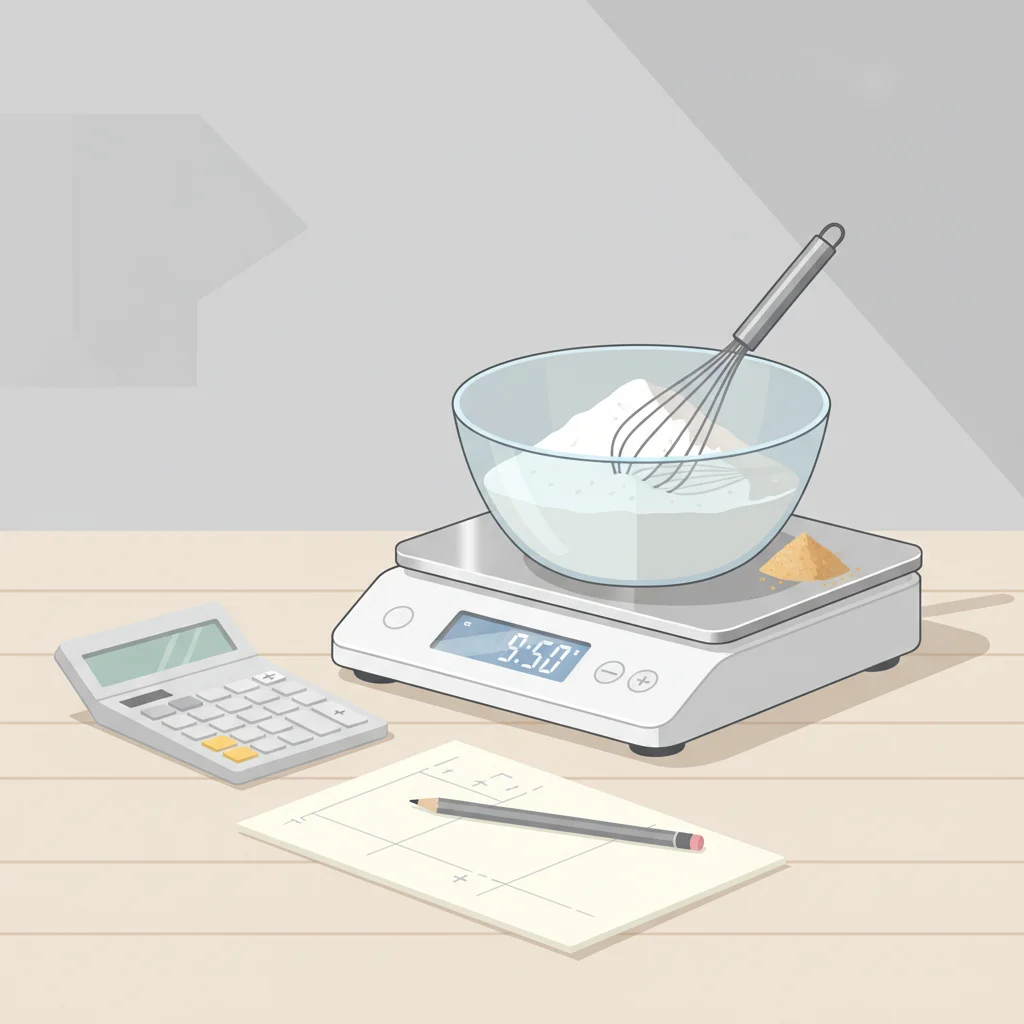
A recipe calls for 200g flour, 150g sugar, 100g butter What texture would you expect and why? How would doubling the butter change the outcome? Which ingredient would you increase for a more structured result?
Summary: The Big Three in Action
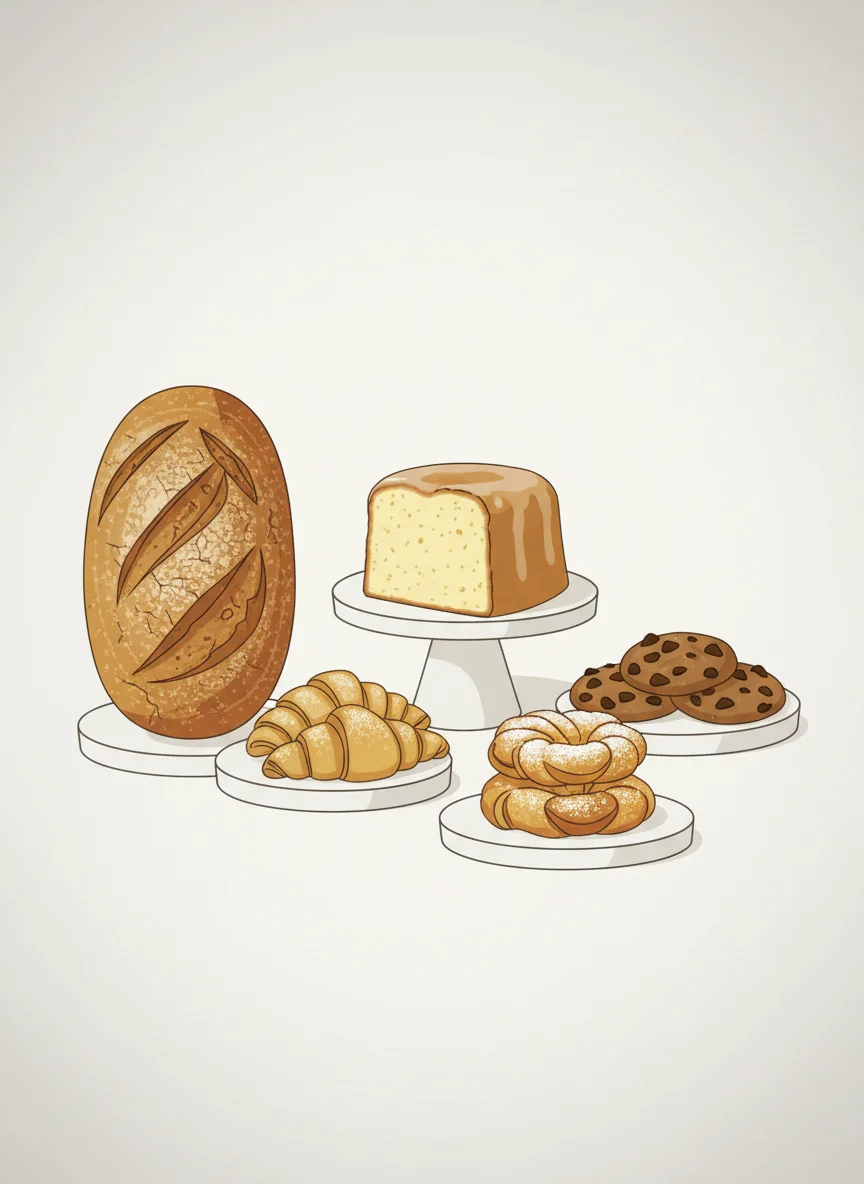
Flour provides structure - too much creates dense, dry products Sugar tenderizes and adds moisture - excess causes spreading and collapse Fat creates tenderness - too much makes greasy, overly soft results Balance is key to successful baking outcomes Understanding ratios allows for recipe modification and troubleshooting These principles apply to all baked goods from cookies to bread