Aotearoa: Land, People, and Colonisation
Year 9 New Zealand History Exploring our shared past and diverse perspectives

WALT: We Are Learning To
Understand the significance of Aotearoa in New Zealand history Identify key geographical places important to Māori Explain what colonisation means and its early impacts Explore different perspectives on historical events

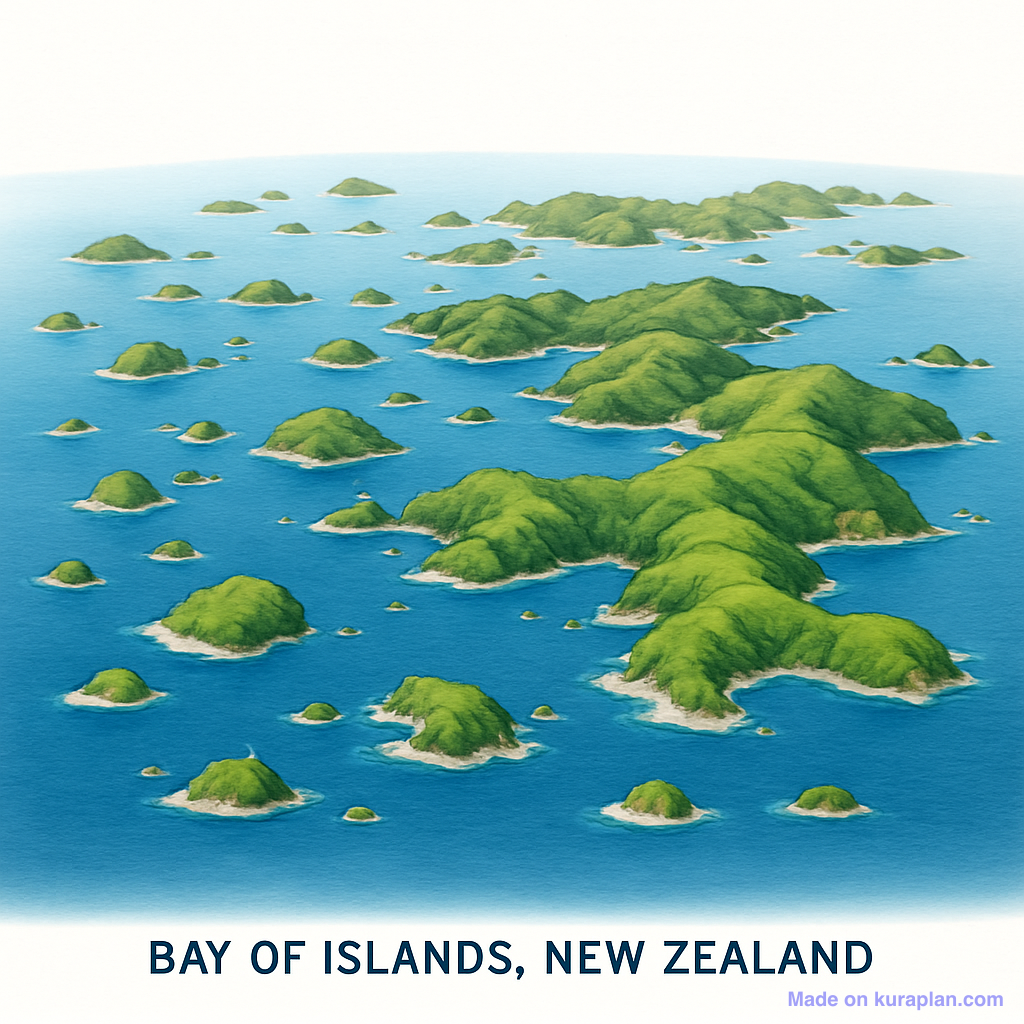
Mapping Aotearoa

The Significance of Place in Māori Culture
{"left":"Whakapapa - genealogical connections to land\nMauri - life force present in all natural features\nKaitiakitanga - guardianship and protection of the environment","right":"Tūrangawaewae - place to stand, sense of belonging\nWhakataukī - proverbs that teach about land relationships\nPūrākau - stories that connect people to places"}

Think and Discuss
How might your own relationship with the land be similar to or different from traditional Māori perspectives? What places are significant to you and your whānau?

Understanding Colonisation
The arrival of European settlers from the 1790s onwards Seeking new opportunities - land, trade, resources Bringing different laws, customs, and ways of life Significant changes for Māori communities and their relationship with the land The beginning of ongoing cultural interactions and conflicts

Timeline Activity: Early Contact
Work with a partner to arrange these events in chronological order: Abel Tasman sights New Zealand (1642) Captain Cook's first voyage (1769) First European settlers arrive (1790s) Treaty of Waitangi signed (1840) Discuss: What might each event have meant for Māori?

Success Criteria Check & Extension Task
Can you identify and locate key places in Aotearoa? Can you explain why these places are culturally significant to Māori? Can you describe what colonisation means and its early impacts? Extension: Research a local iwi - their history, traditions, and connection to your area Present your findings next lesson (poster, slides, or oral presentation)
More Aotearoa slide decks
Other ready-to-teach decks on aotearoa.


Free Aotearoa images
Drop these illustrations straight into your lesson.