Adding and Subtracting Fractions Mastery
Year 10 Mathematics Building confidence with fraction operations New Zealand Curriculum
Learning Objectives
Add and subtract fractions with the same denominators Add and subtract fractions with different denominators Perform operations with mixed numbers Apply fraction skills to real-world problems
What Are Fractions?
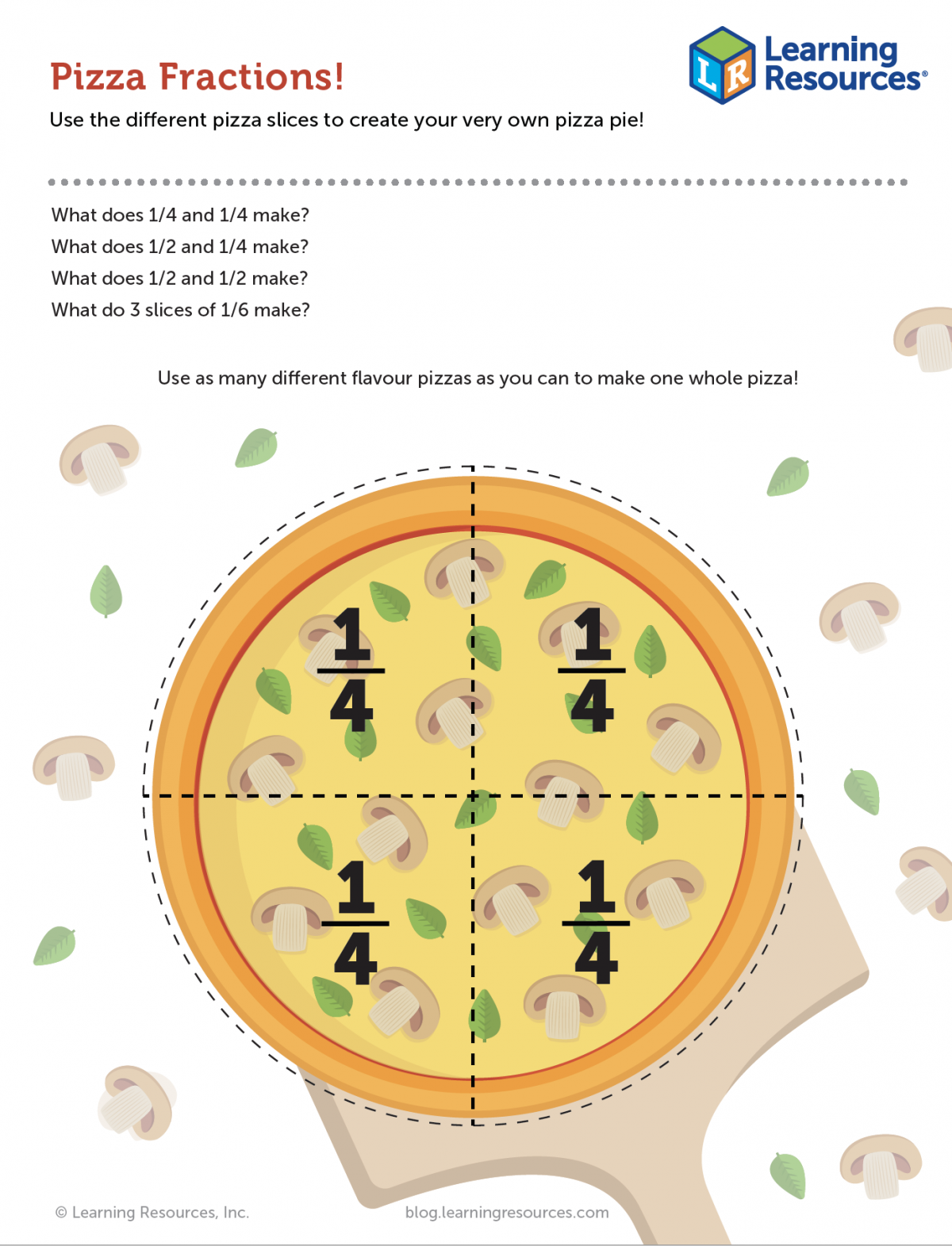
A fraction represents part of a whole Numerator (top) = parts we have Denominator (bottom) = total parts Example: 3/4 means 3 parts out of 4 total
Adding Fractions - Same Denominators
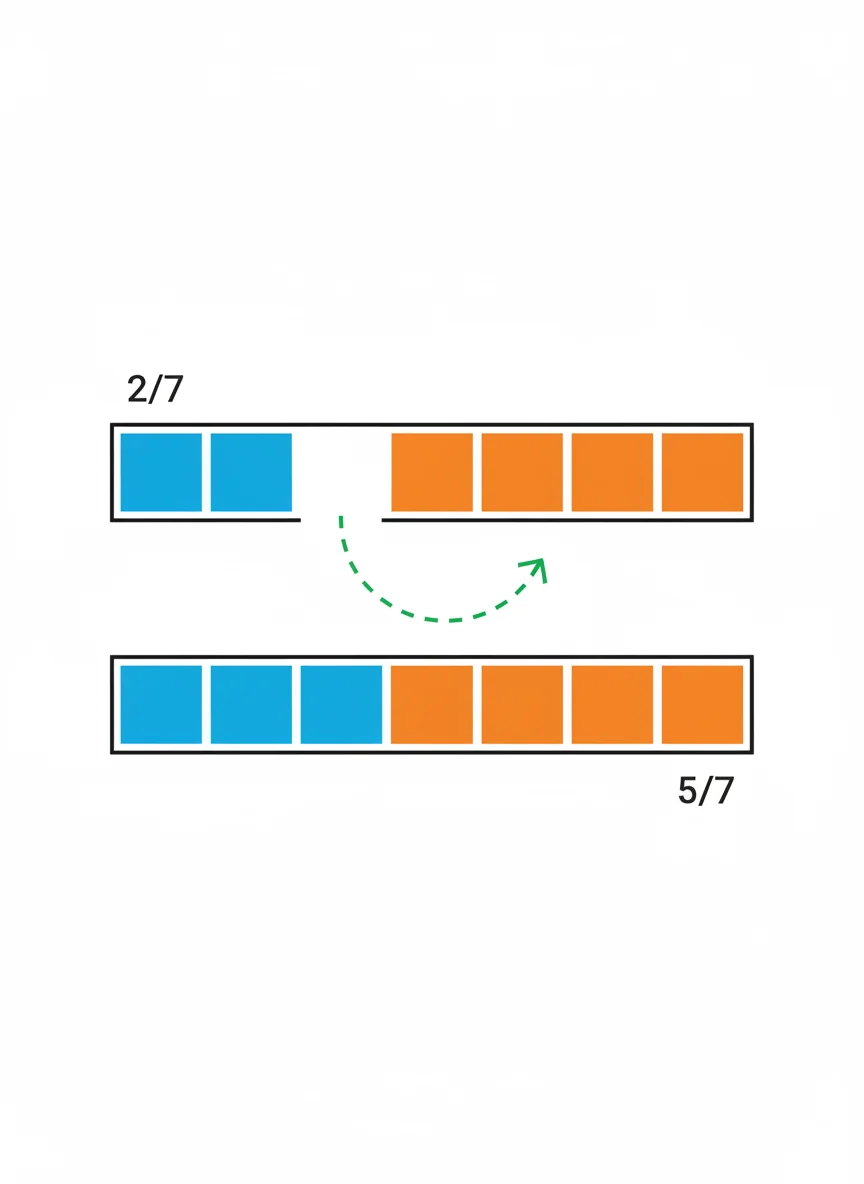
When denominators are the same, add the numerators Keep the denominator unchanged Example: 2/7 + 3/7 = 5/7 Always simplify your answer if possible

Practice: Same Denominators
Solve these problems: 1/5 + 2/5 = ? 4/9 + 3/9 = ? 5/12 + 7/12 = ? Work with a partner to check answers
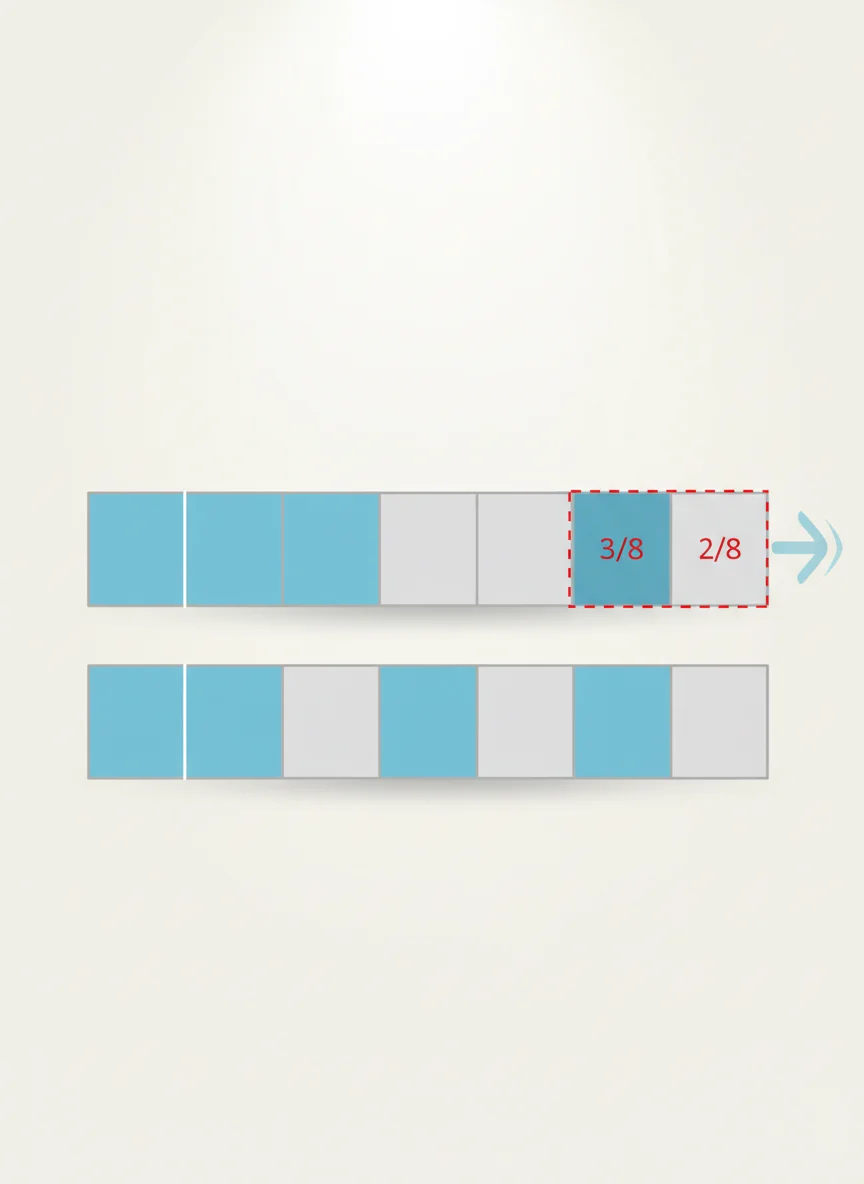
Subtracting Fractions - Same Denominators
Subtract the numerators Keep the denominator the same Example: 5/8 - 2/8 = 3/8 Check if your answer can be simplified
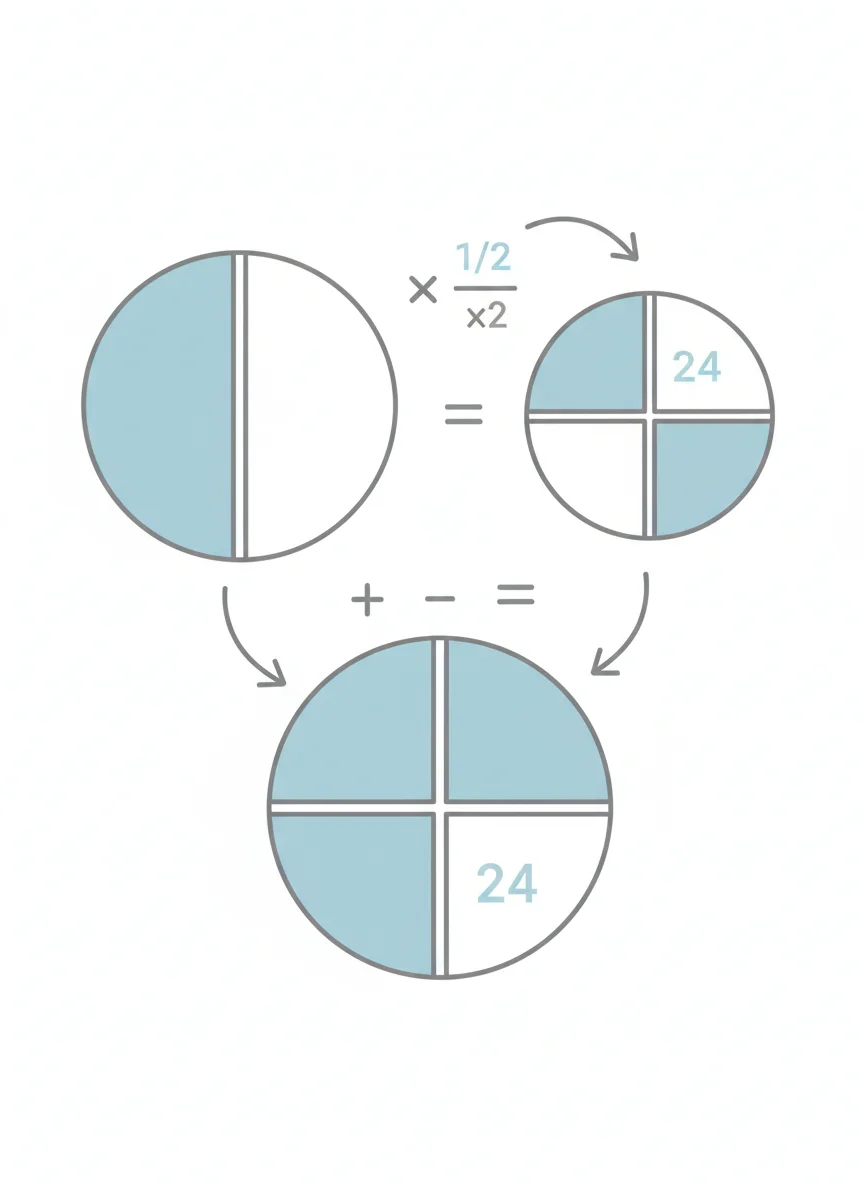
Different Denominators - Finding Common Ground
To add/subtract fractions with different denominators, find a common denominator Use the Least Common Multiple (LCM) Convert both fractions to equivalent fractions Then add or subtract as normal
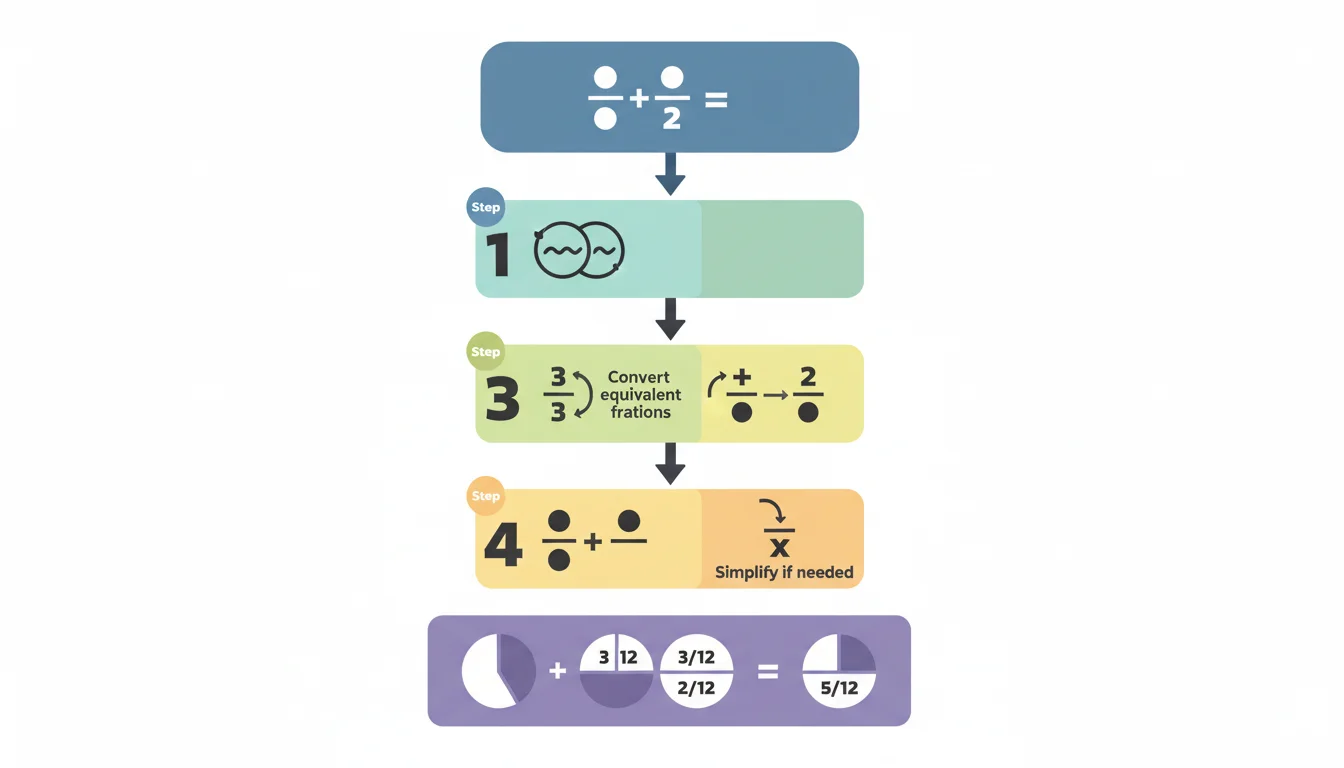
Step-by-Step Process for Different Denominators

Challenge: Different Denominators
Solve these step by step: 1/3 + 1/4 = ? 2/5 + 1/10 = ? 3/4 - 1/6 = ? Show all your working

Mixed Numbers - Converting and Operating
Mixed numbers combine whole numbers and fractions Convert to improper fractions before operating Example: 2 1/3 = 7/3 After calculating, convert back to mixed number if needed
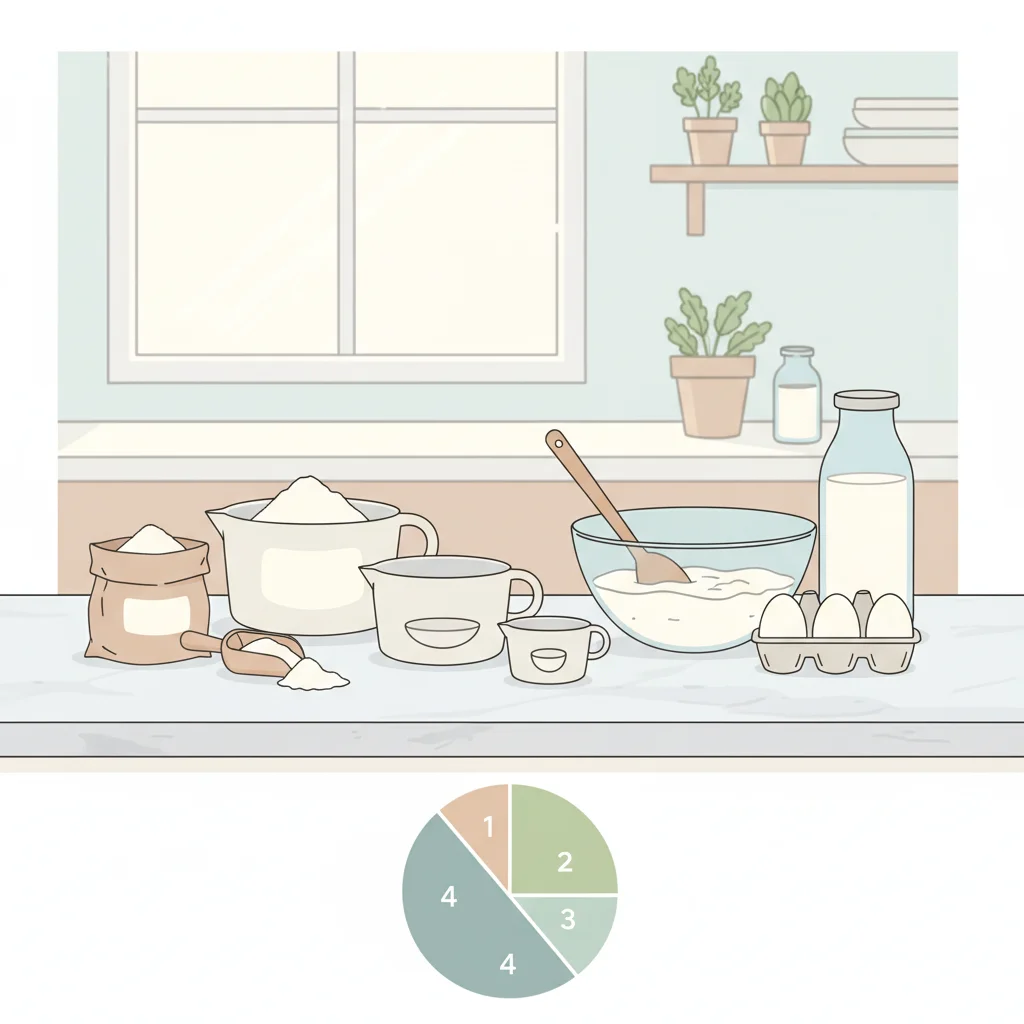
Real-World Application
A recipe calls for 1 2/3 cups of flour You need to make 1.5 times the recipe How much flour do you need in total? Discuss your approach with the class
Summary and Key Points
Same denominators: Add/subtract numerators directly Different denominators: Find common denominator first Mixed numbers: Convert to improper fractions Always simplify your final answer Practice makes perfect!