
Mastering Simple, Compound, Complex Sentences
Grade 10 English Language Arts Building Strong Writing Skills Understanding Sentence Structure
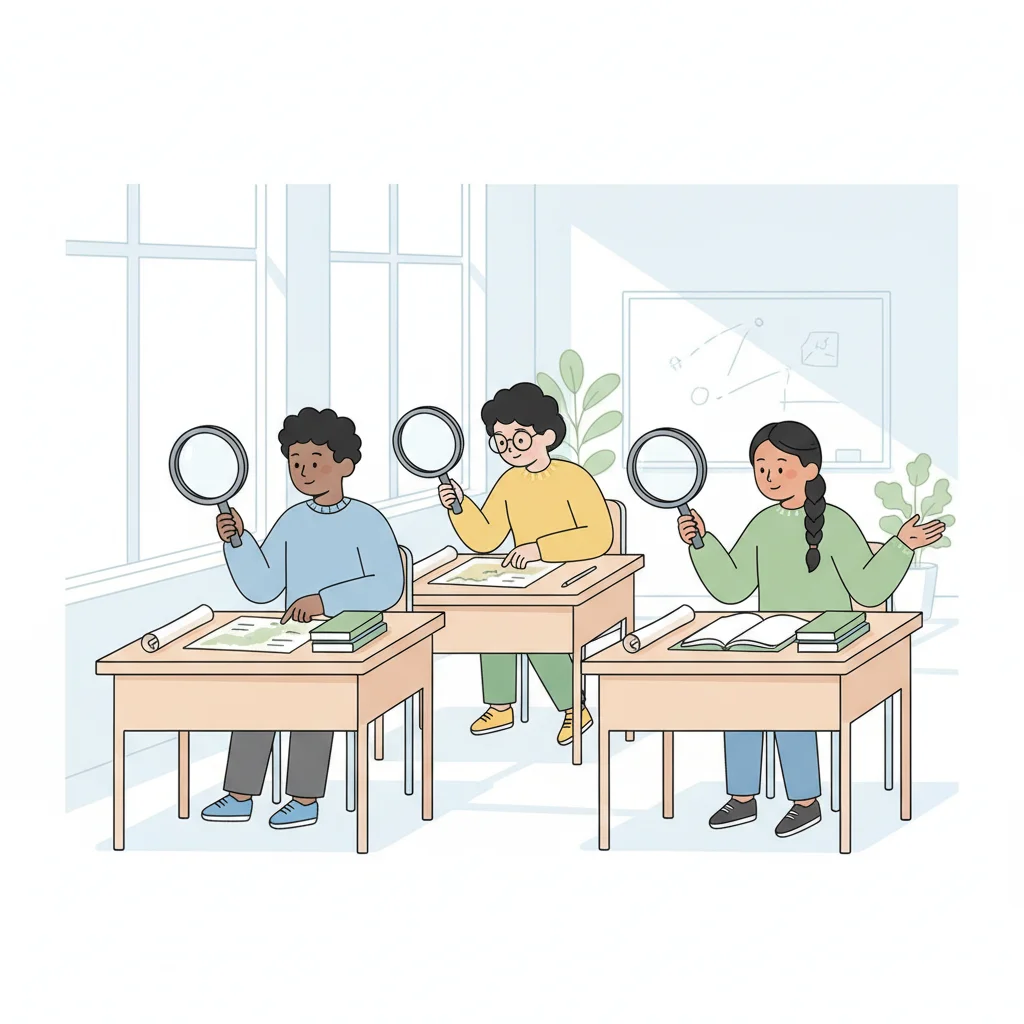
Warm-Up: What Do You Notice?
I run. I run and you walk. When I run, you walk. Look at these three sentences - what differences do you see?

Building Blocks: Subjects and Predicates
Subject: WHO or WHAT the sentence is about Predicate: What the subject DOES or what is said about it Every complete sentence needs both parts Example: The dog (subject) barks loudly (predicate)

Simple Sentences: The Foundation
Contains ONE independent clause Has one subject and one predicate Expresses a complete thought Examples: Birds fly. She reads every night. The cat sleeps peacefully.

Compound Sentences: Joining Forces
Contains TWO independent clauses Joined by coordinating conjunctions (FANBOYS) Each clause can stand alone as a sentence Examples: I wanted to walk, but it started raining. He studies hard, and he passes his exams.
Complex Sentences: Adding Depth
Contains ONE independent clause + at least one dependent clause Dependent clause cannot stand alone Uses subordinating conjunctions (when, because, although, if) Examples: When I run, you walk. Because she was tired, she went to bed early.
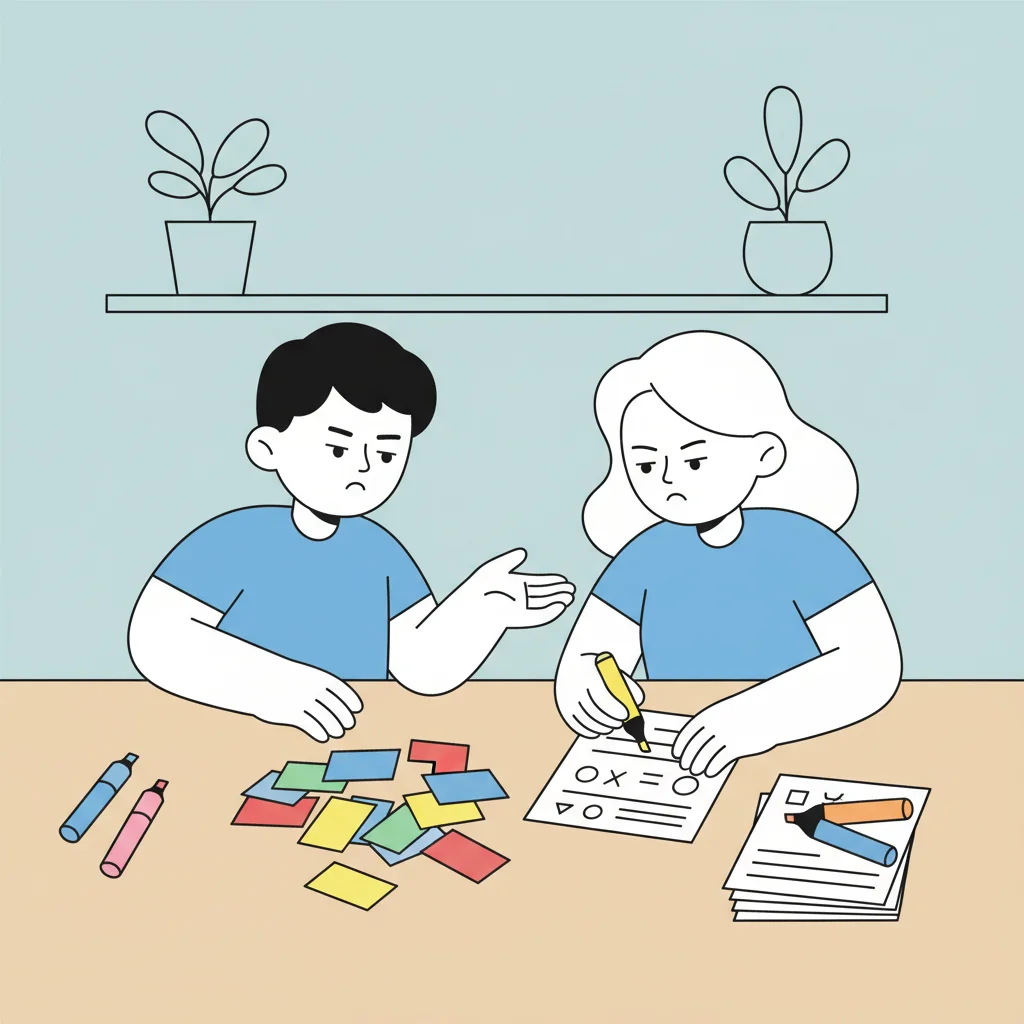
Pair Activity: Sentence Sorting Challenge
Work with your partner to sort sentence cards Identify subjects and predicates Label clauses as independent or dependent Create one new sentence of each type Time limit: 10 minutes

Writing with Variety
"Good writing uses a mix of sentence types to create rhythm and maintain reader interest. Varying your sentence structure makes your writing more sophisticated and engaging."