Mastering Fractions: A Complete Guide
Grade 8 Mathematics Understanding and Working with Fractions

What Are Fractions?
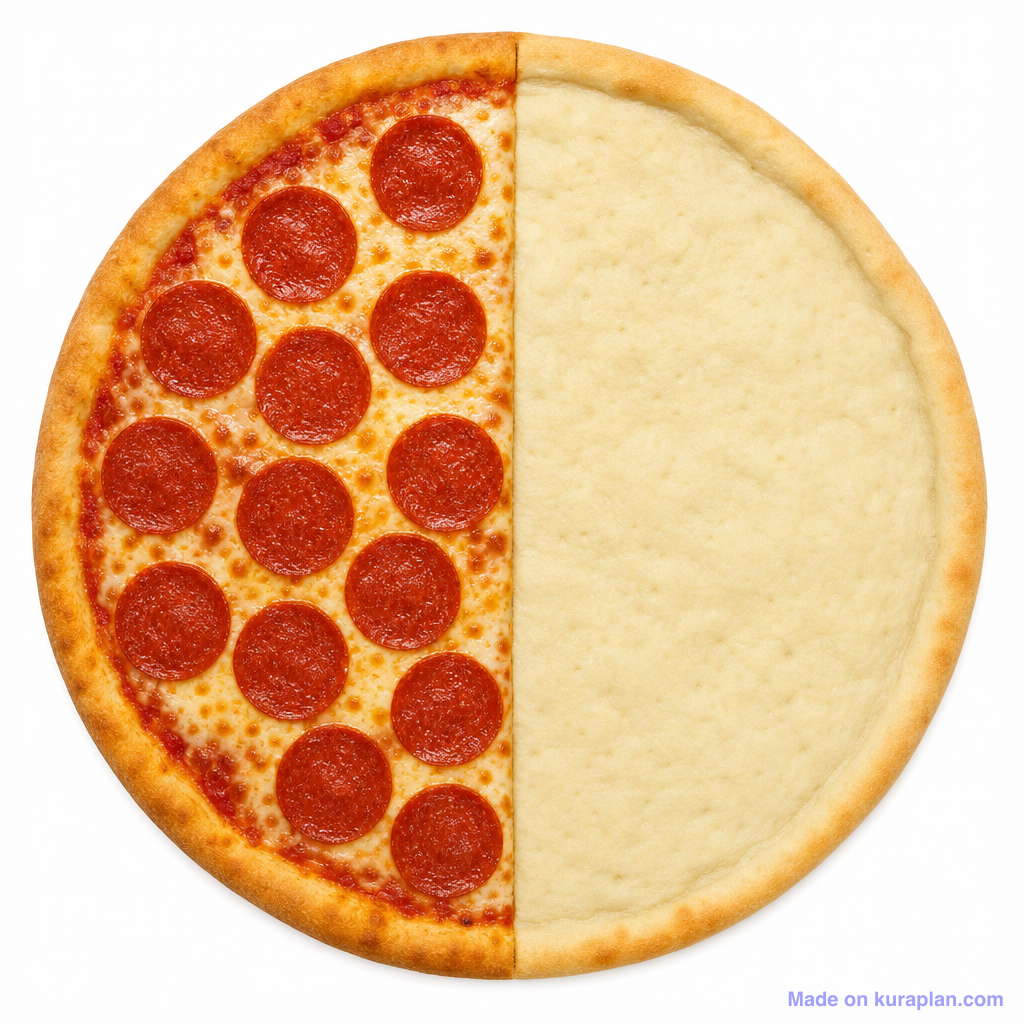
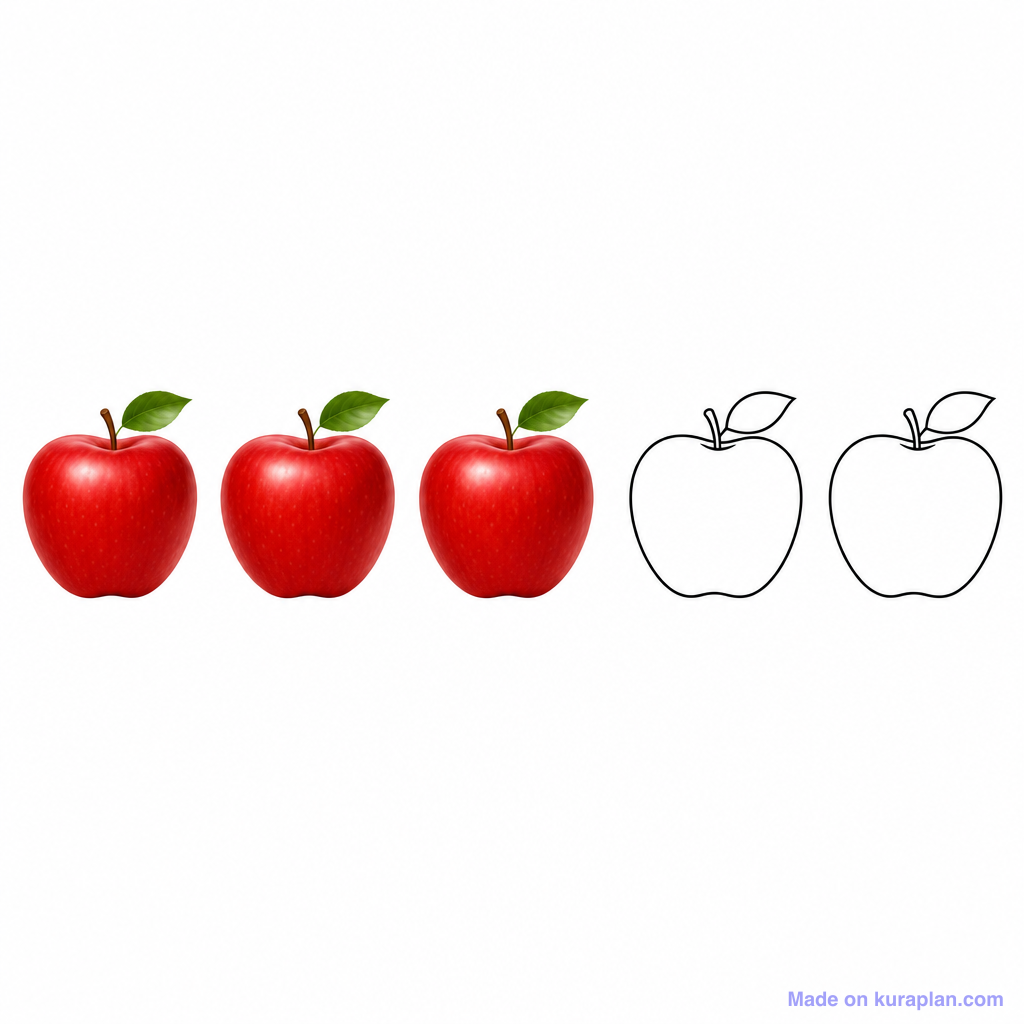
A fraction represents part of a whole Written as numerator/denominator Numerator = number of parts we have Denominator = total number of equal parts

Types of Fractions
{"left":"Proper Fractions: Numerator < Denominator (2/5, 3/7)\nImproper Fractions: Numerator ≥ Denominator (7/3, 9/4)","right":"Mixed Numbers: Whole number + proper fraction (2 1/3, 5 2/7)\nUnit Fractions: Numerator = 1 (1/2, 1/8)"}

Fraction Identification Challenge
Look at these fractions and identify their type: 5/8, 9/4, 2 3/5, 1/6, 11/7, 4 1/9 Work with a partner to classify each one Be ready to explain your reasoning!

Equivalent Fractions
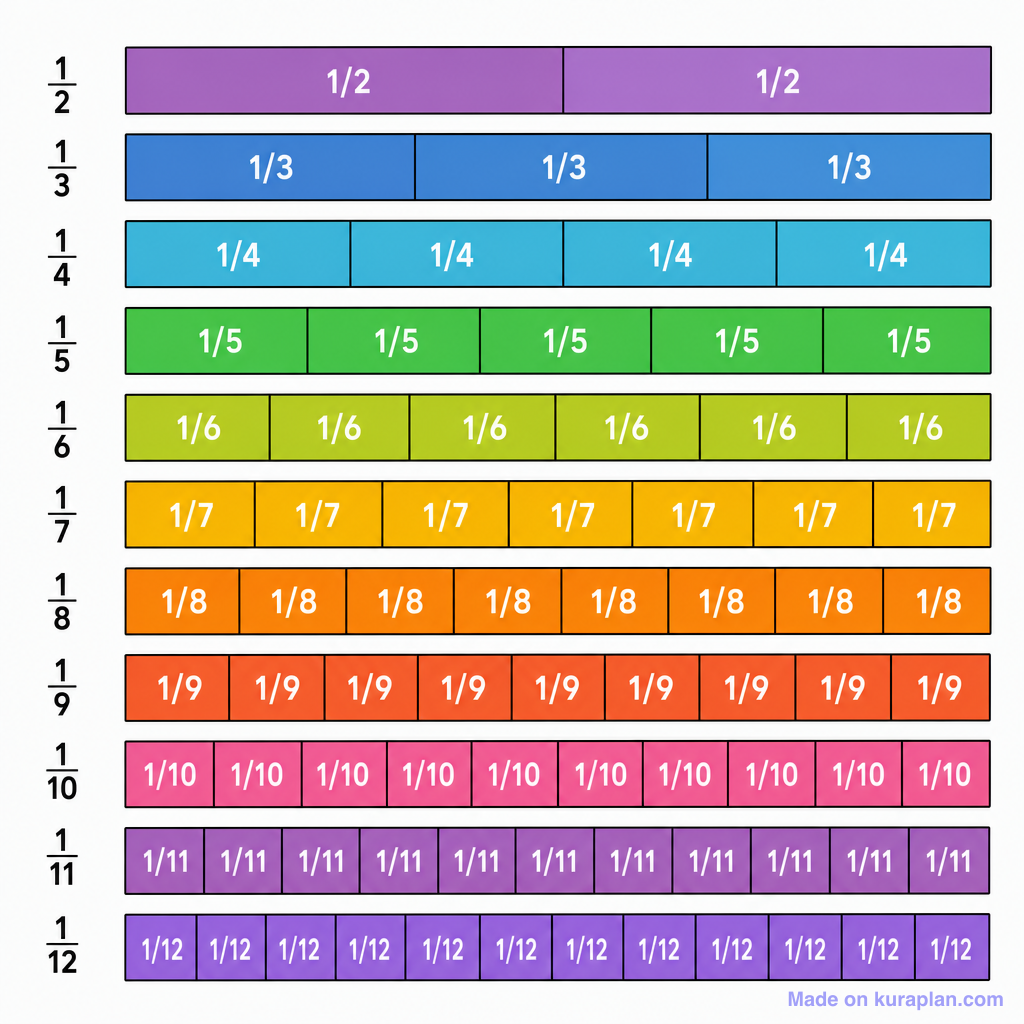
Fractions that represent the same value Created by multiplying or dividing numerator and denominator by the same number Example: 1/2 = 2/4 = 3/6 = 4/8 Essential for adding and subtracting fractions

Quick Check: Equivalent Fractions
Which fraction is equivalent to 3/4? a) 6/8 b) 9/16 c) 12/15 d) All of the above

Adding and Subtracting Fractions
Same denominator: Add/subtract numerators, keep denominator Different denominators: Find common denominator first Example: 1/4 + 1/6 = 3/12 + 2/12 = 5/12 Always simplify your final answer

Fraction Addition Practice
Solve these addition problems: Level 1: 2/7 + 3/7 Level 2: 1/3 + 1/4 Level 3: 2 1/6 + 1 3/8 Show all your work!

Multiplying Fractions
Multiply numerators together Multiply denominators together Simplify if possible Example: 2/3 × 3/5 = 6/15 = 2/5

Dividing Fractions
Keep the first fraction the same Change division to multiplication Flip the second fraction (find reciprocal) Example: 3/4 ÷ 2/5 = 3/4 × 5/2 = 15/8

Problem Solving Challenge
Sarah ate 2/3 of a pizza Her brother ate 1/4 of the same pizza How much pizza is left? Show your solution step by step

Key Takeaways
Mathematics is not about numbers, equations, computations, or algorithms: it is about understanding. - William Paul Thurston
Free Fractions images
Drop these illustrations straight into your lesson.