
Indian Horse: Truth and Reconciliation
Exploring Richard Wagamese's powerful novel Understanding Canada's residential school legacy Connecting literature to historical truth
About Richard Wagamese
Ojibwe author from northwestern Ontario Survived the residential school system Wrote Indian Horse based on personal experiences Advocate for Indigenous rights and healing

Saul's Journey
"They called it a school, but it was never that... You took a perfectly good apple and peeled it, cored it, took away everything that made it what it was. What you were left with was mush."
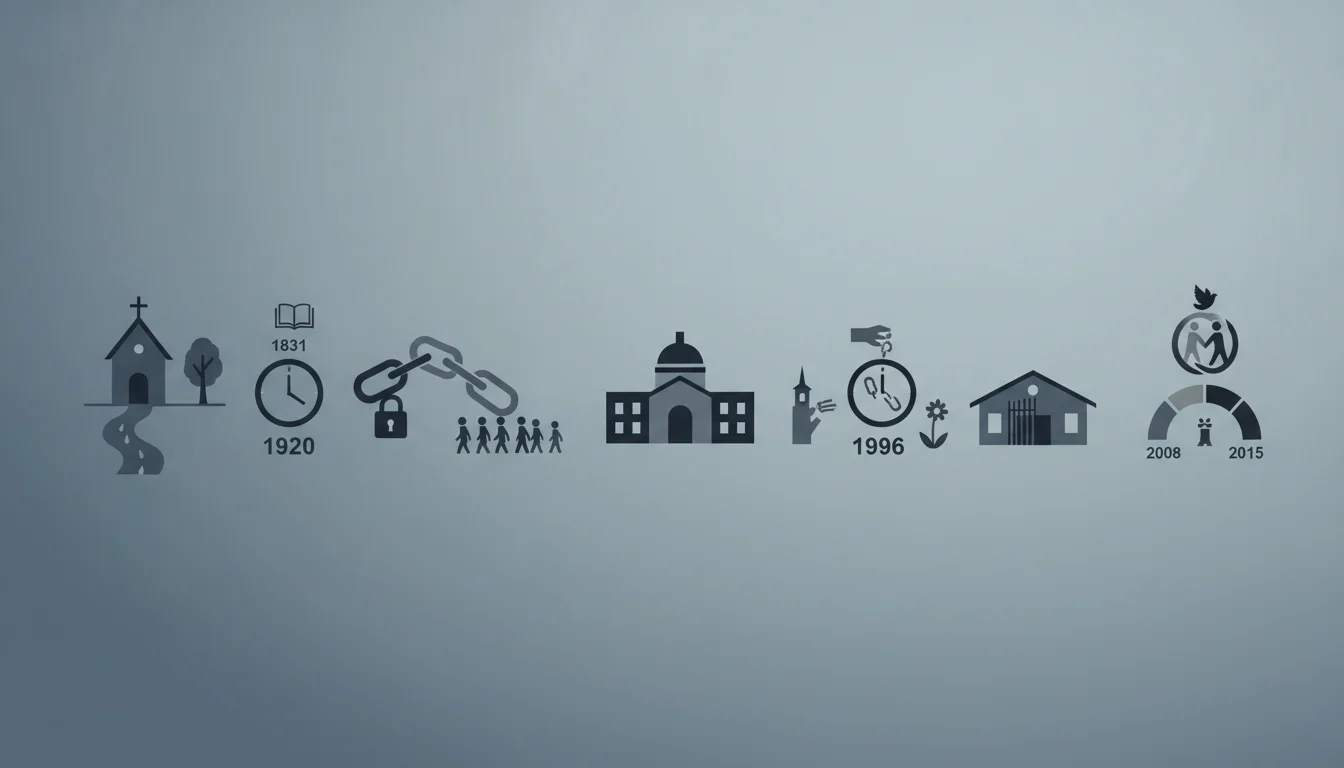
Residential School System Timeline
Cultural Assimilation vs. Cultural Preservation
{"left":"Forced removal from families\nProhibition of Indigenous languages\nSuppression of traditional practices\nEuropean-style education and religion","right":"Maintenance of Indigenous identity\nPreservation of traditional knowledge\nCommunity-based learning\nConnection to land and spirituality"}

Hockey as Salvation and Escape
Saul discovers exceptional hockey talent Sport becomes a refuge from trauma Provides temporary escape from residential school Opens doors to the outside world Eventually becomes another source of racism

Character Analysis: Saul's Trauma
Work in pairs to identify examples of trauma in Saul's story Consider physical, emotional, and cultural trauma Discuss how trauma affects his relationships Explore Saul's coping mechanisms Share findings with the class

Critical Thinking: Reconciliation
What does reconciliation mean in the context of this novel? How can literature contribute to truth and reconciliation? What role do non-Indigenous Canadians play in reconciliation?
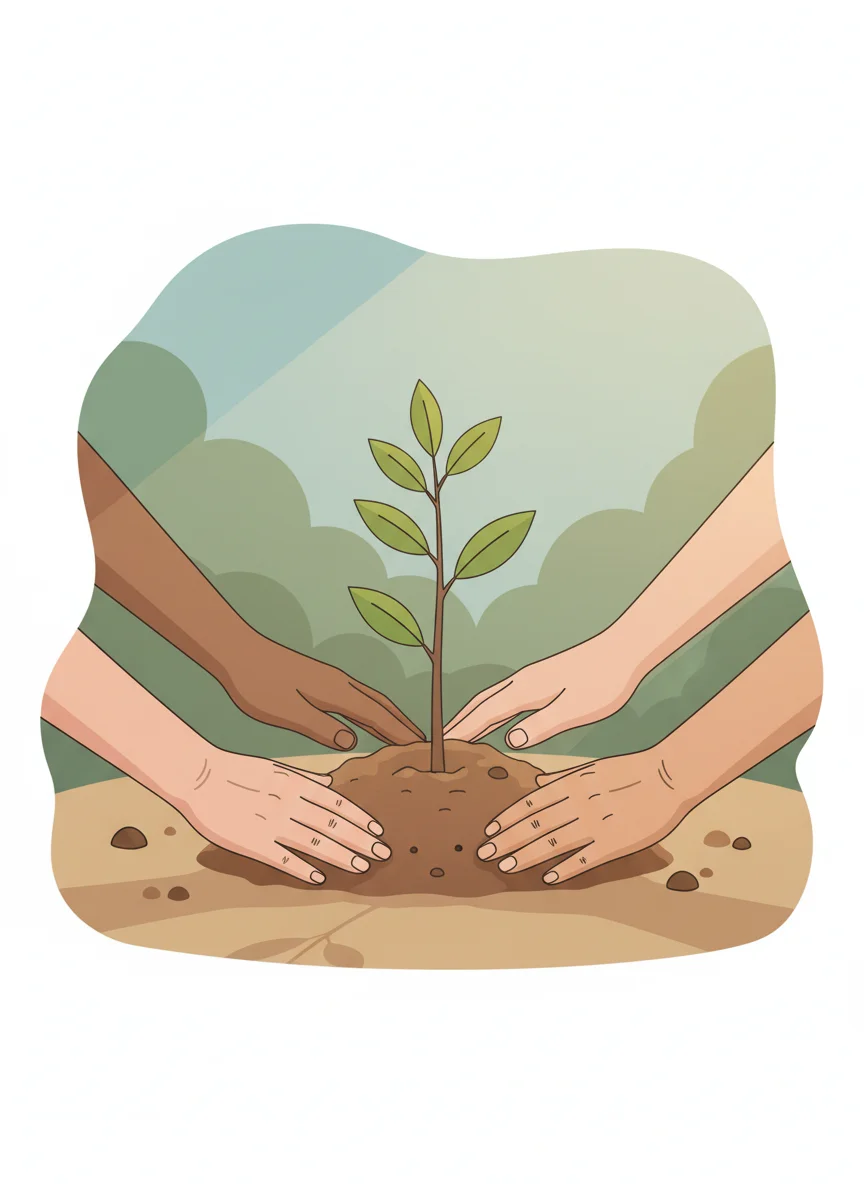
Calls to Action: Moving Forward
Truth and Reconciliation Commission's 94 Calls to Action Education about residential school history Support for Indigenous language revitalization Recognition of Indigenous rights and sovereignty Personal responsibility in reconciliation

Reflection and Understanding
Indian Horse reveals the lasting impact of residential schools Literature helps us understand historical trauma Saul's story represents thousands of survivors Truth-telling is essential for healing We all have a role in reconciliation