
Exploring Voice in Art
Grade 7 Visual Arts Discovering how artists communicate messages through design
What Does 'Voice' Mean in Art?
Think about your favorite song or book How does the artist express their personality? What message are they trying to share?
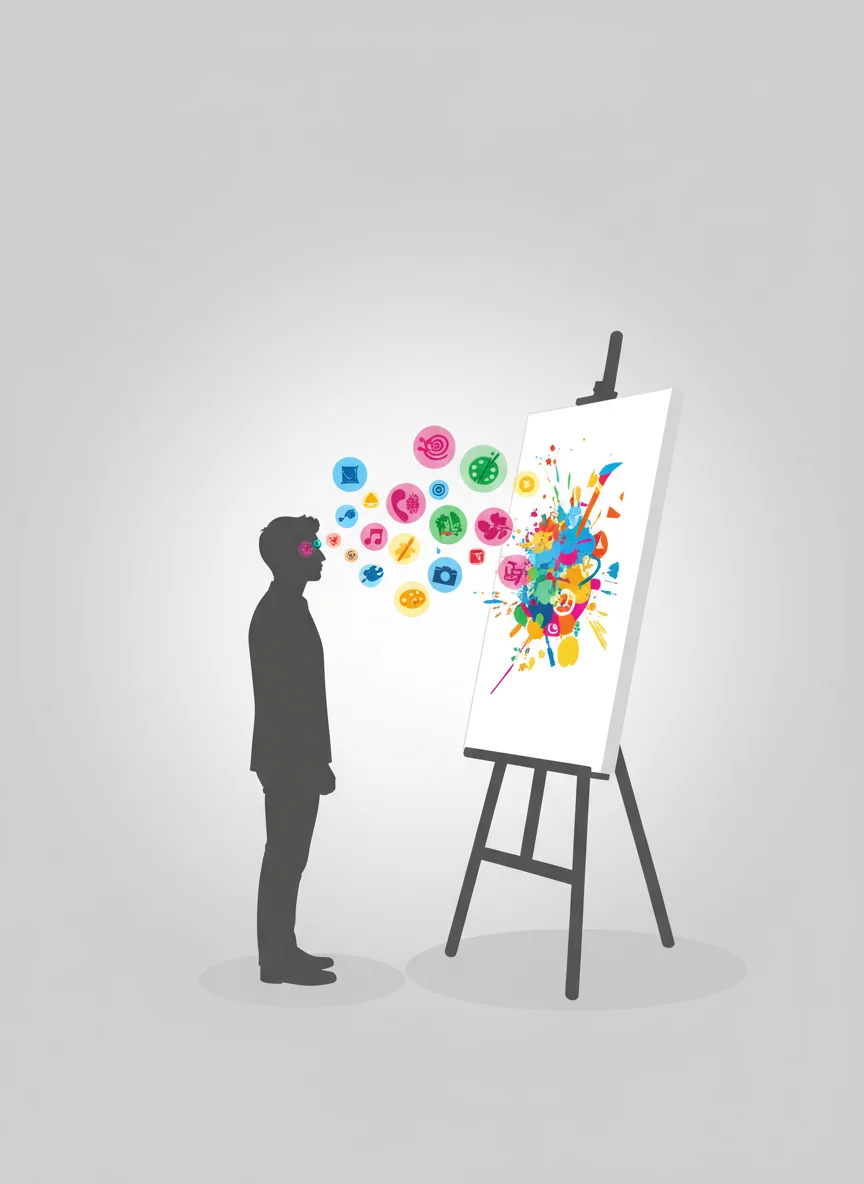
Voice in Art: The Basics
Voice = the unique way an artist expresses ideas Artists use visual elements to communicate messages Every artwork tells a story or shares a viewpoint The audience can 'hear' the artist's voice through their work
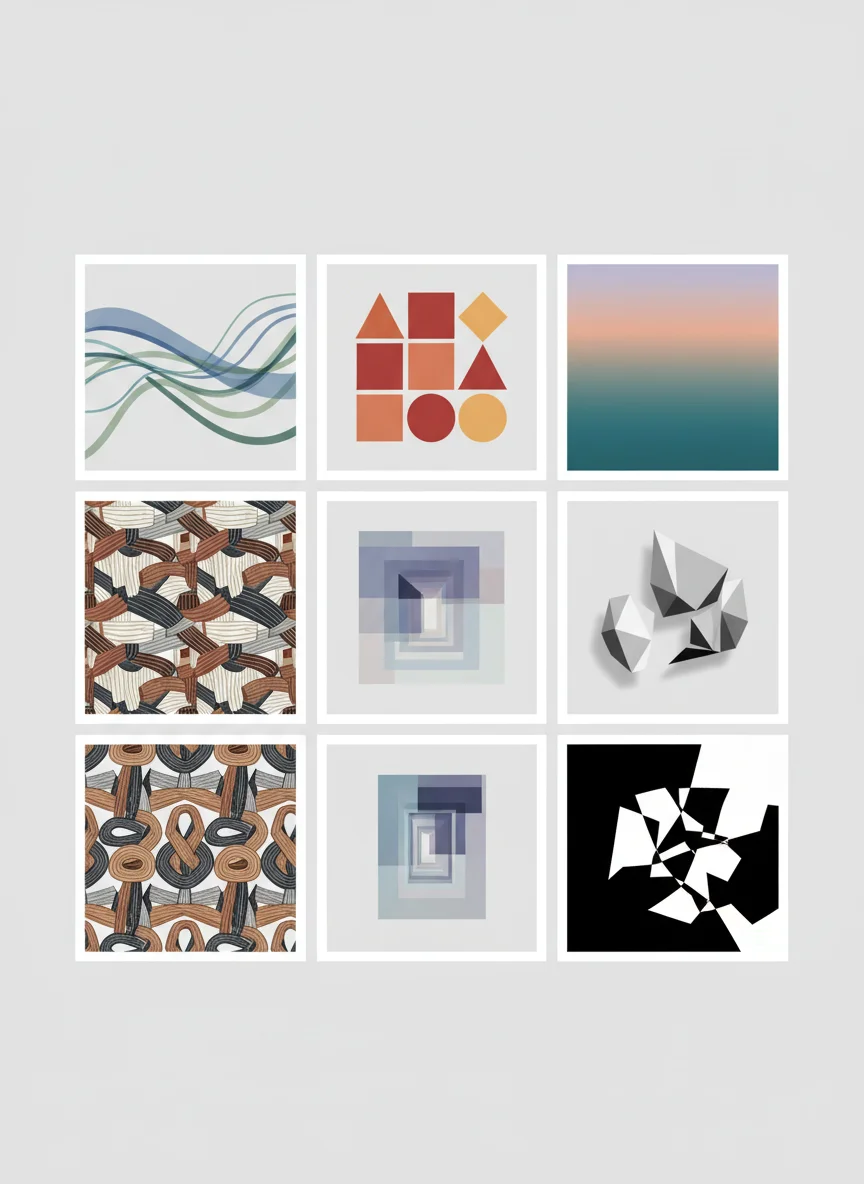
Design Elements: The Artist's Vocabulary
Line - creates movement and direction Shape - defines forms and spaces Color - evokes emotions and moods Texture - adds visual and tactile interest Space - creates depth and relationships Form - gives three-dimensional quality Value - creates contrast and emphasis
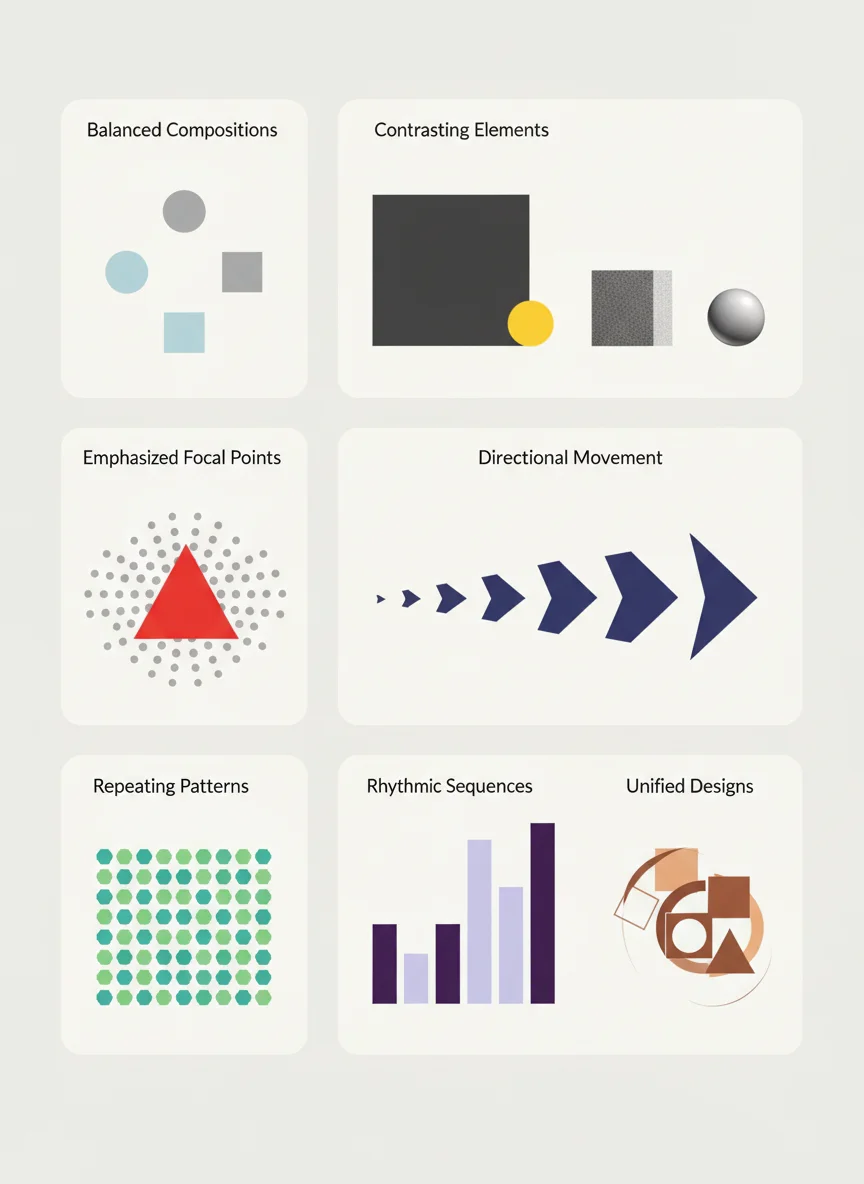
Design Principles: How Artists Organize
Balance - creates stability or tension Contrast - highlights differences Emphasis - draws attention to focal points Movement - guides the viewer's eye Pattern - creates rhythm through repetition Rhythm - establishes visual flow Unity - brings elements together harmoniously
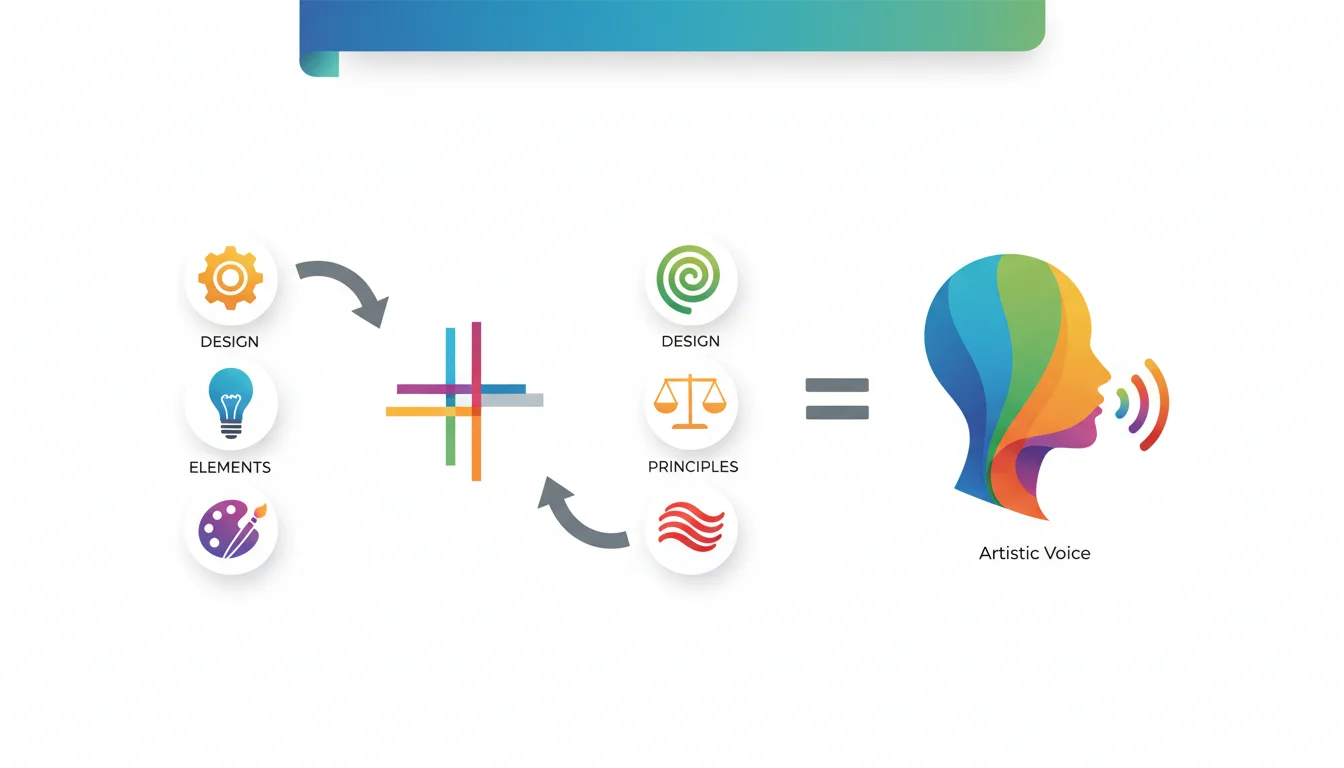
Elements + Principles = Powerful Voice
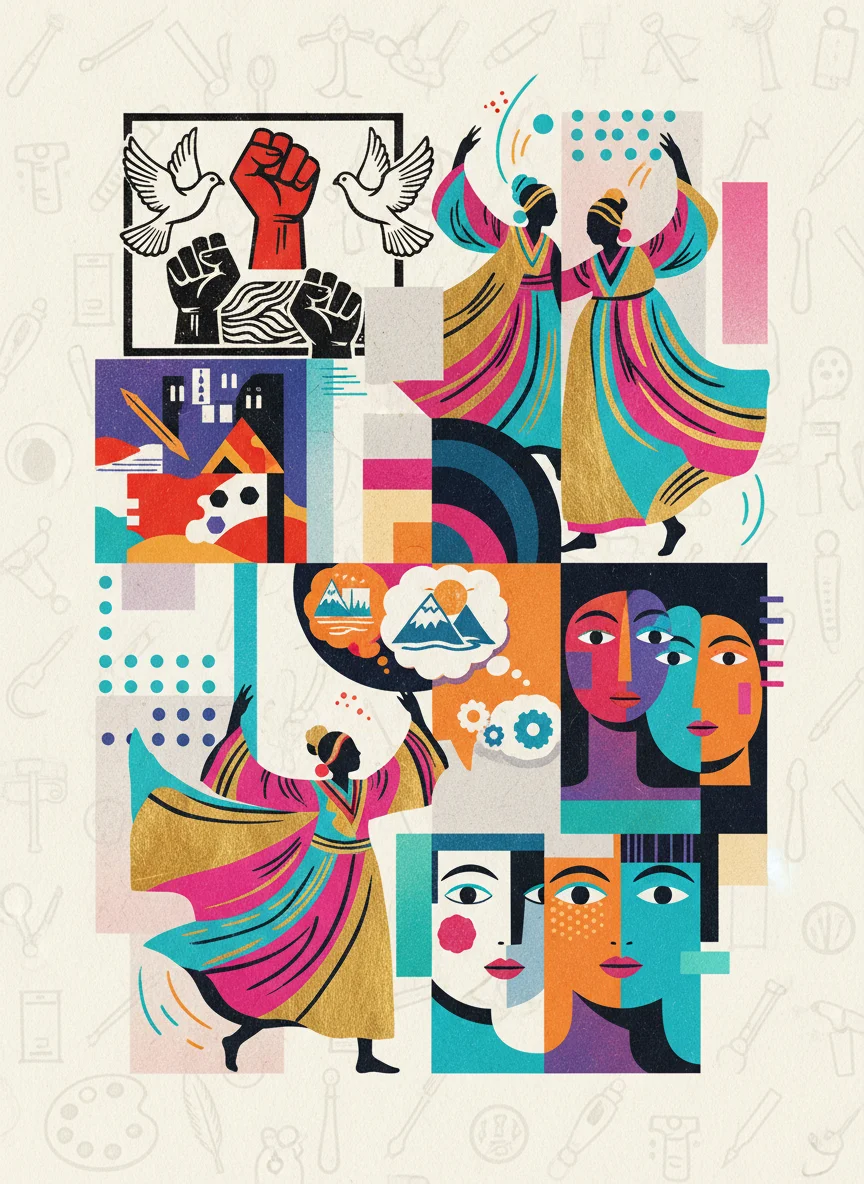
Art Reflects Society
Artists respond to their world and times Artworks can celebrate, criticize, or question society Different cultures express different values through art Art can give voice to marginalized communities Social movements often use visual art to spread messages

Indigenous Art: Powerful Cultural Voice
Indigenous artists preserve and share cultural traditions Symbols and patterns carry deep meanings Art connects past, present, and future generations Each nation has unique artistic traditions Contemporary Indigenous artists blend traditional and modern techniques
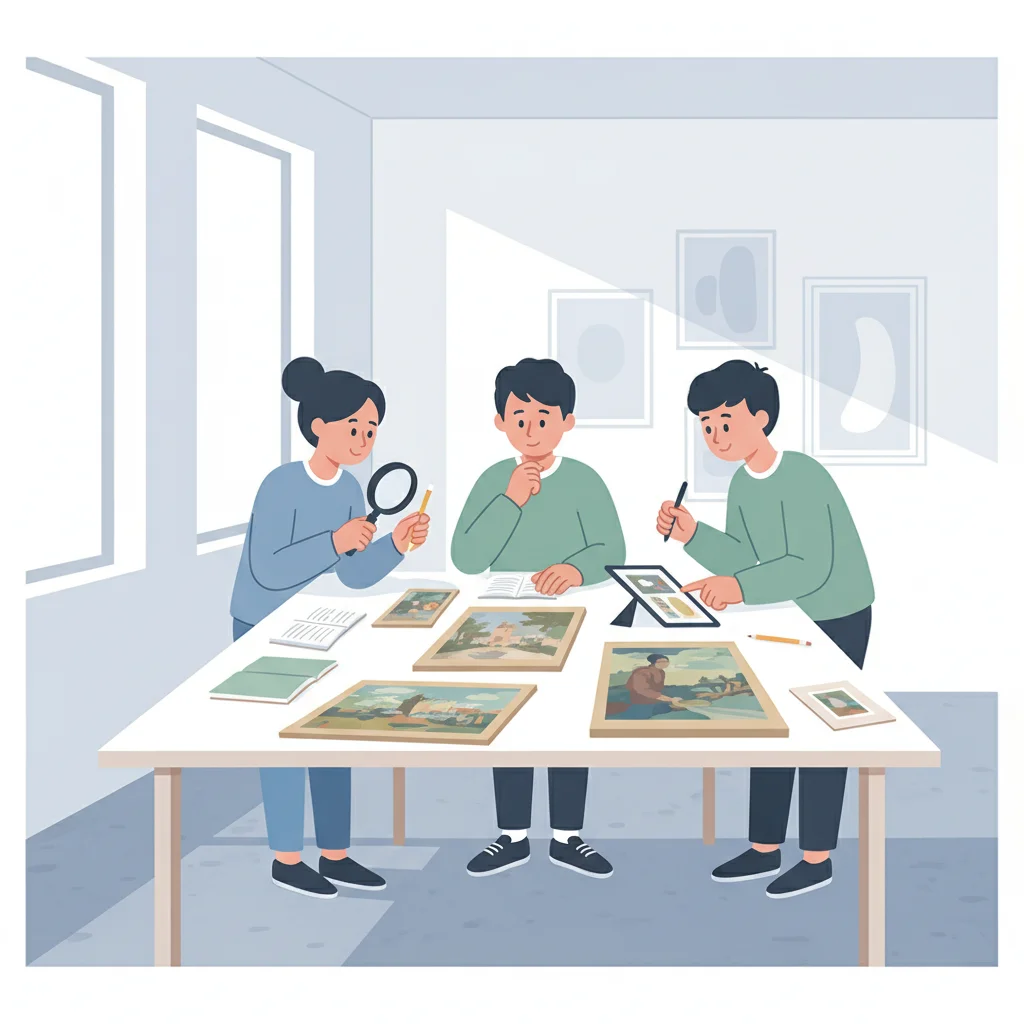
Artwork Analysis Preparation
You'll work in pairs to analyze professional artworks Look for: societal values, human experiences, design elements and principles Consider: Who is the intended audience? Use the critique questions provided
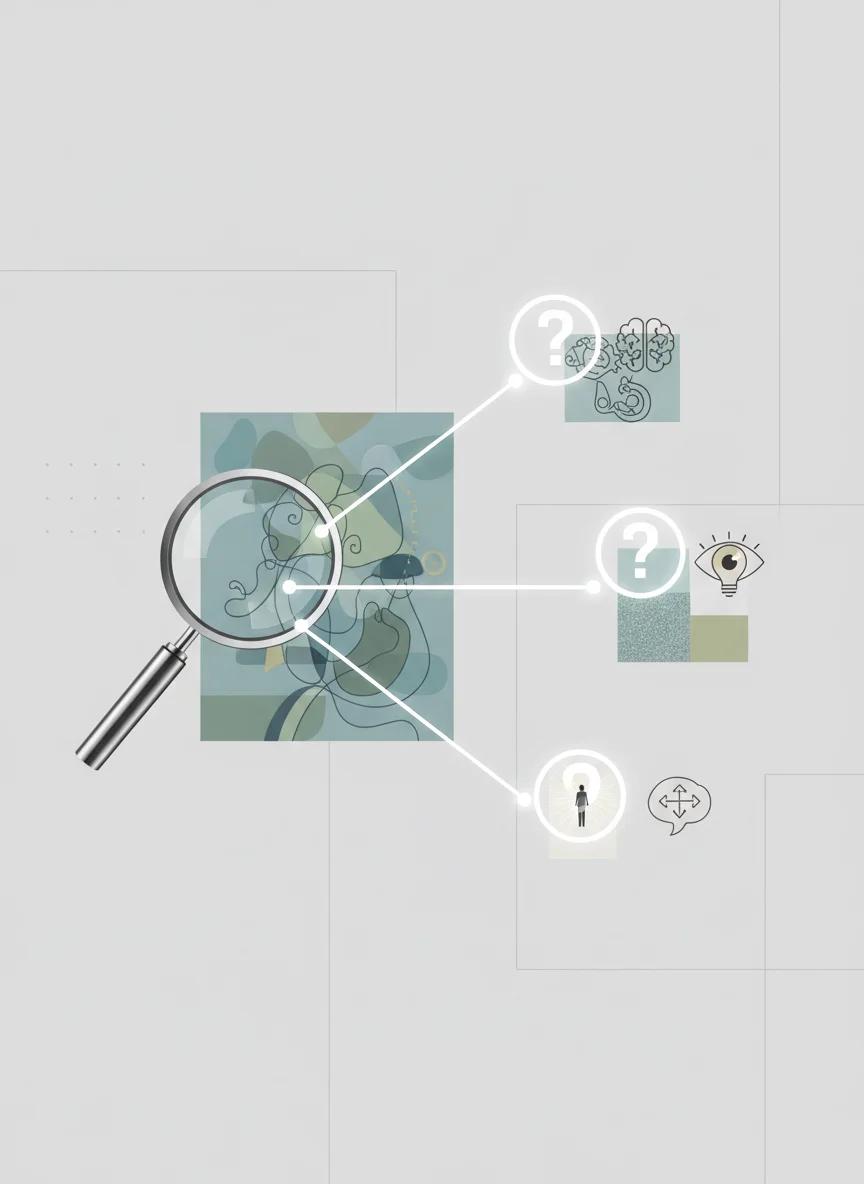
Guided Critique Questions
What societal value or human experience is portrayed? Which design elements stand out most? How do these elements support the message? Which design principles organize the composition? Who do you think the intended audience is? What emotions does this artwork evoke?

Example: Social Justice Poster Art
Bold colors grab attention (emphasis) Strong typography conveys urgency Simplified imagery for clear communication Contrasting values create visual impact Unified message through consistent design
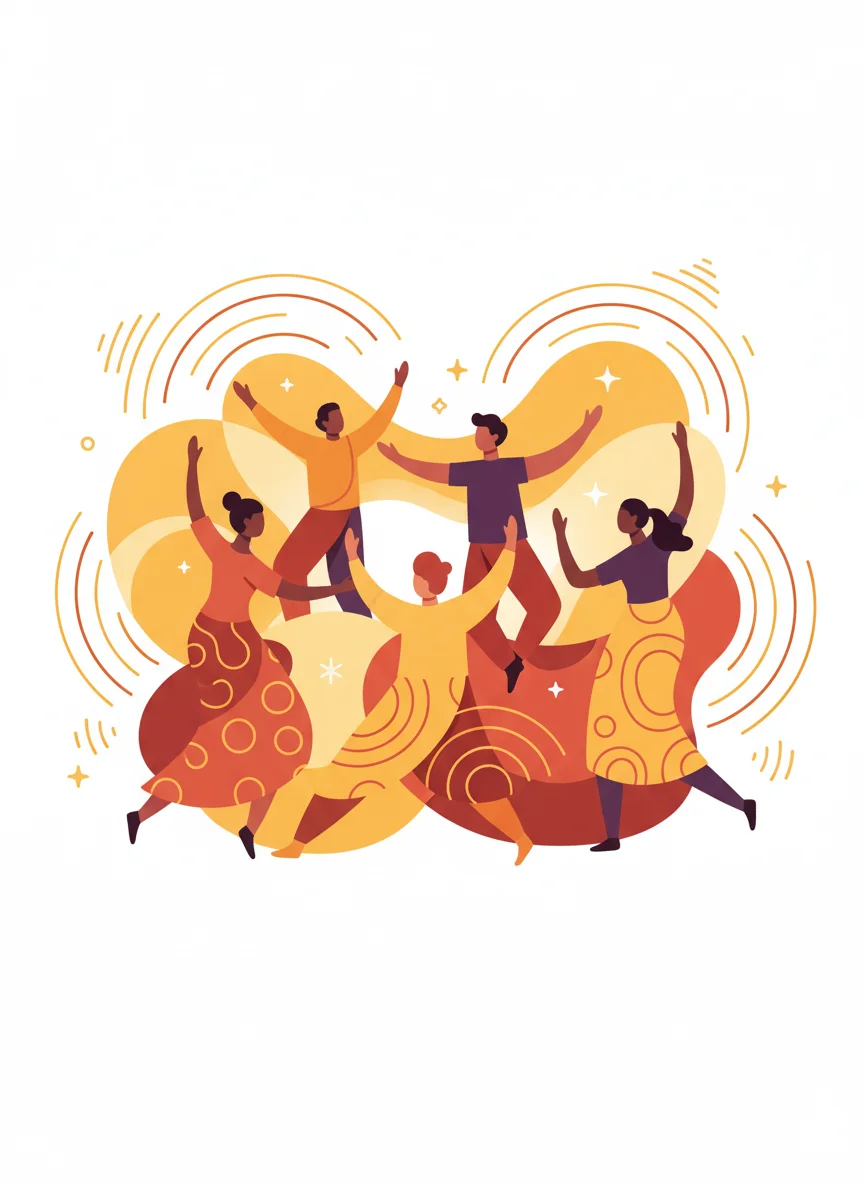
Example: Community Celebration Art
Warm colors create welcoming feelings Flowing lines suggest movement and joy Repeated patterns show unity and tradition Balanced composition includes all community members Organic shapes reflect natural harmony
13 more slides available after you open the deck.
Download all 25 slides