
Yes Referendum Impact on Australia
Constitutional Recognition of Aboriginal and Torres Strait Islander Peoples Year 11 Social Sciences Exploring Legal, Social and Democratic Implications

Learning Objectives & Success Criteria
Explain the background and significance of the Yes Referendum on Aboriginal constitutional recognition Analyse key legal arguments and constitutional provisions discussed in the referendum Evaluate societal and political responses to the referendum outcome Demonstrate analytical skills through discussion of relevant Australian legal cases

What was the Yes Referendum?
Proposed constitutional recognition of Aboriginal and Torres Strait Islander peoples as the First Peoples of Australia Aimed to remove racially discriminatory clauses from the Constitution Would have established an Aboriginal and Torres Strait Islander Voice to Parliament Required majority support nationwide and in majority of states to succeed

Video Summary: Understanding the Voice Referendum
Watch this 3-minute video explanation Key points to focus on while viewing Take notes on the main arguments presented Think about how this connects to our constitutional study

Constitutional Context: Before and After
{"left":"BEFORE\n\nCurrent Constitution makes limited reference to Aboriginal peoples\nSection 51(xxvi) allows laws with respect to 'people of any race'\nNo recognition of Aboriginal peoples as First Peoples\nNo constitutional protection against discriminatory laws","right":"AFTER\n\nProposed recognition as First Peoples of Australia\nEstablishment of Aboriginal and Torres Strait Islander Voice\nConstitutional protection against racial discrimination\nFormal acknowledgment of 60,000+ years of connection to land"}
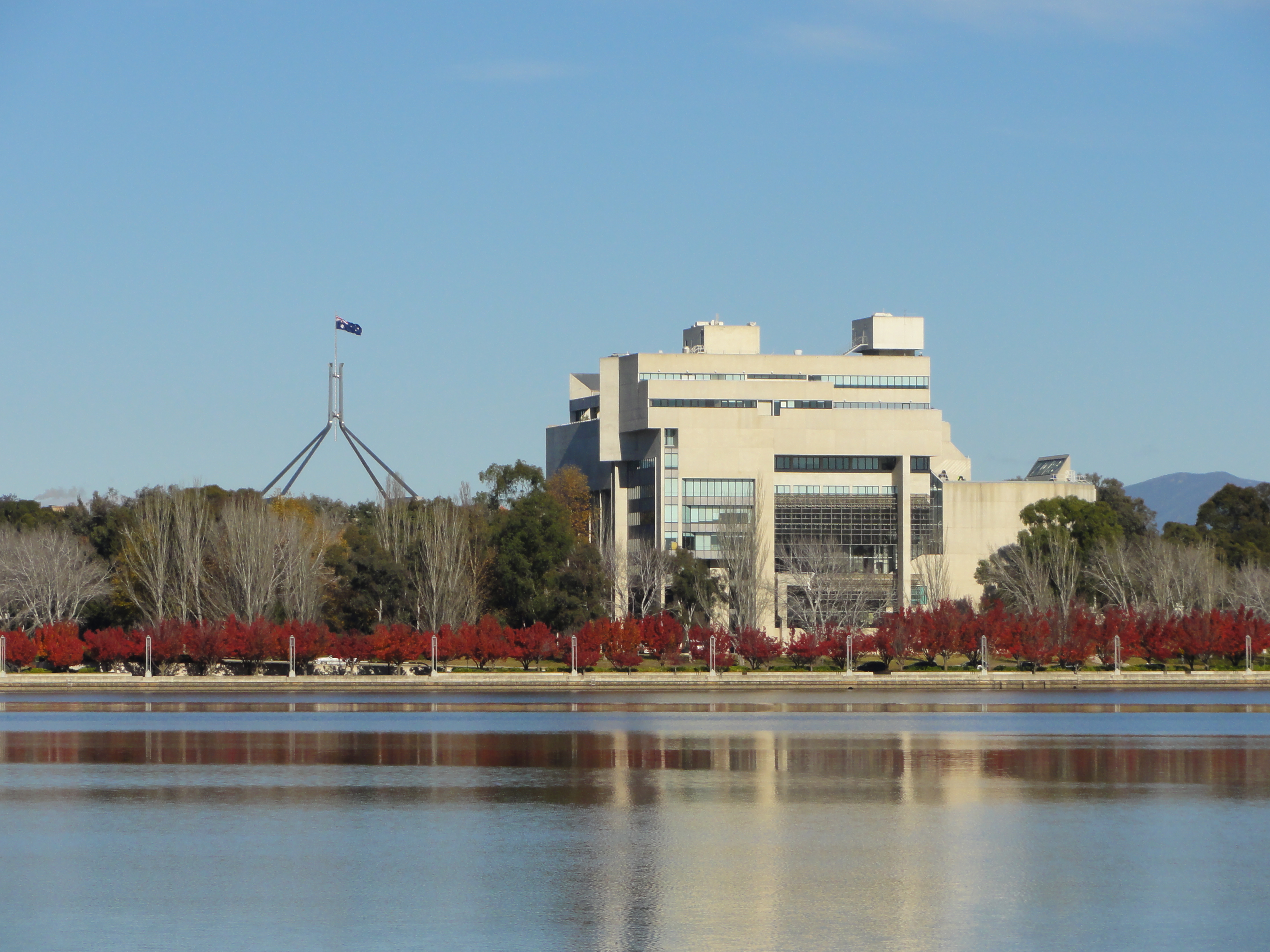
Legal Case Study: Love v Commonwealth (2020)
High Court case involving two men of Aboriginal heritage facing deportation Court ruled that Aboriginal Australians cannot be considered 'aliens' under the Constitution Decision based on connection to country and cultural identity, not just citizenship Significant implications for understanding Aboriginal identity in constitutional law

Analysing Legal Arguments
Read the case summary handout Identify the key legal principles Discuss: How does this case relate to the Yes Referendum aims? Consider: What are the implications for Indigenous legal identity?

Societal Responses to the Referendum
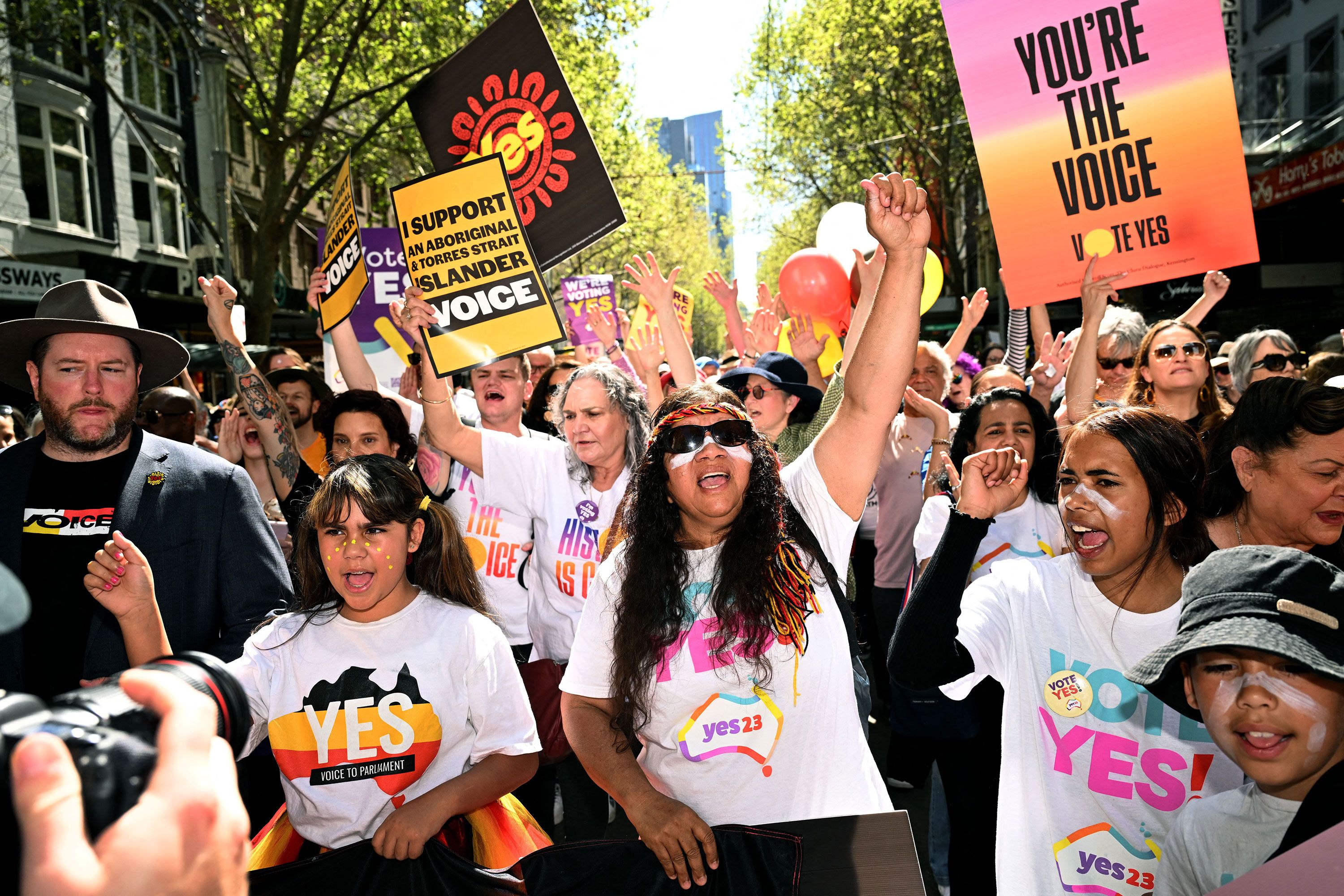
Societal Responses to the Yes Referendum
Supporters: Celebrated recognition and constitutional inclusion Opponents: Expressed concerns about division and process Indigenous communities: Mixed reactions across different groups Media coverage: Shaped public understanding and debate Young Australians: Higher support rates than older generations Regional differences: Urban vs rural voting patterns emerged

Arguments For and Against the Voice
Watch the video to understand both perspectives Take notes on key arguments from each side Consider how different groups viewed the proposal Think about what influenced people's decisions

Mapping Arguments: Pros and Cons
Use the graphic organiser to classify arguments Identify key themes in support and opposition Consider the motivations behind different positions Share your observations with the class
2023 Voice Referendum Results
Referendum held on October 14, 2023 Question: Should Australia recognize Indigenous peoples in Constitution? Nationwide result: 60.06% voted No, 39.94% voted Yes All six states voted No - referendum failed Required double majority not achieved Historic moment in Australian democracy
2 more slides available after you open the deck.
Download all 14 slides