
WWII Causes: Photo Evidence Analysis
Year 10 History Australian Curriculum (ACARA) Examining Primary Sources
Assessment Overview
Find 3+ appropriate photographs showing WWII causes Create visual display of evidence Analyze usefulness and reliability Compare with secondary sources Present findings (3-4 minutes or 400-800 words)
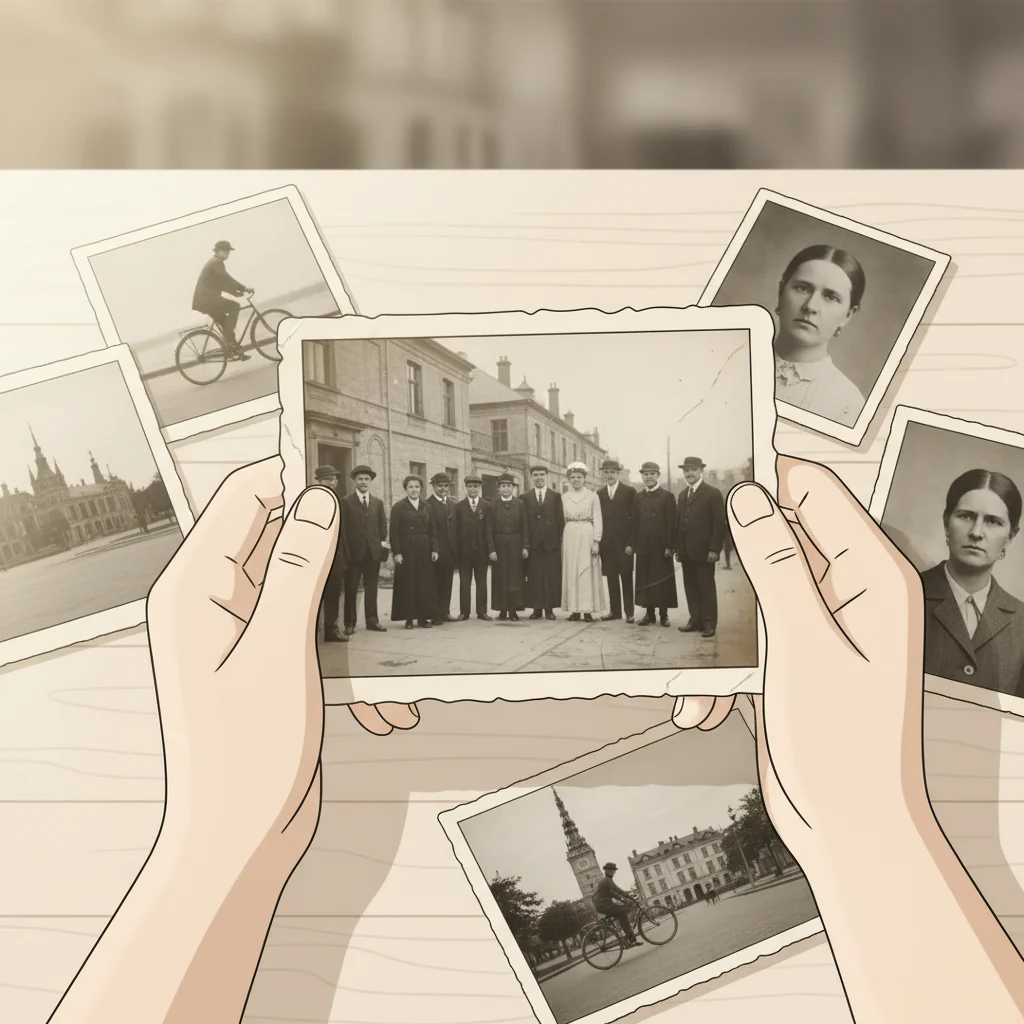
What Makes a Photograph Useful Historical Evidence?
Consider the photographer's perspective Date and context of the image What story does it tell? What might it leave out?
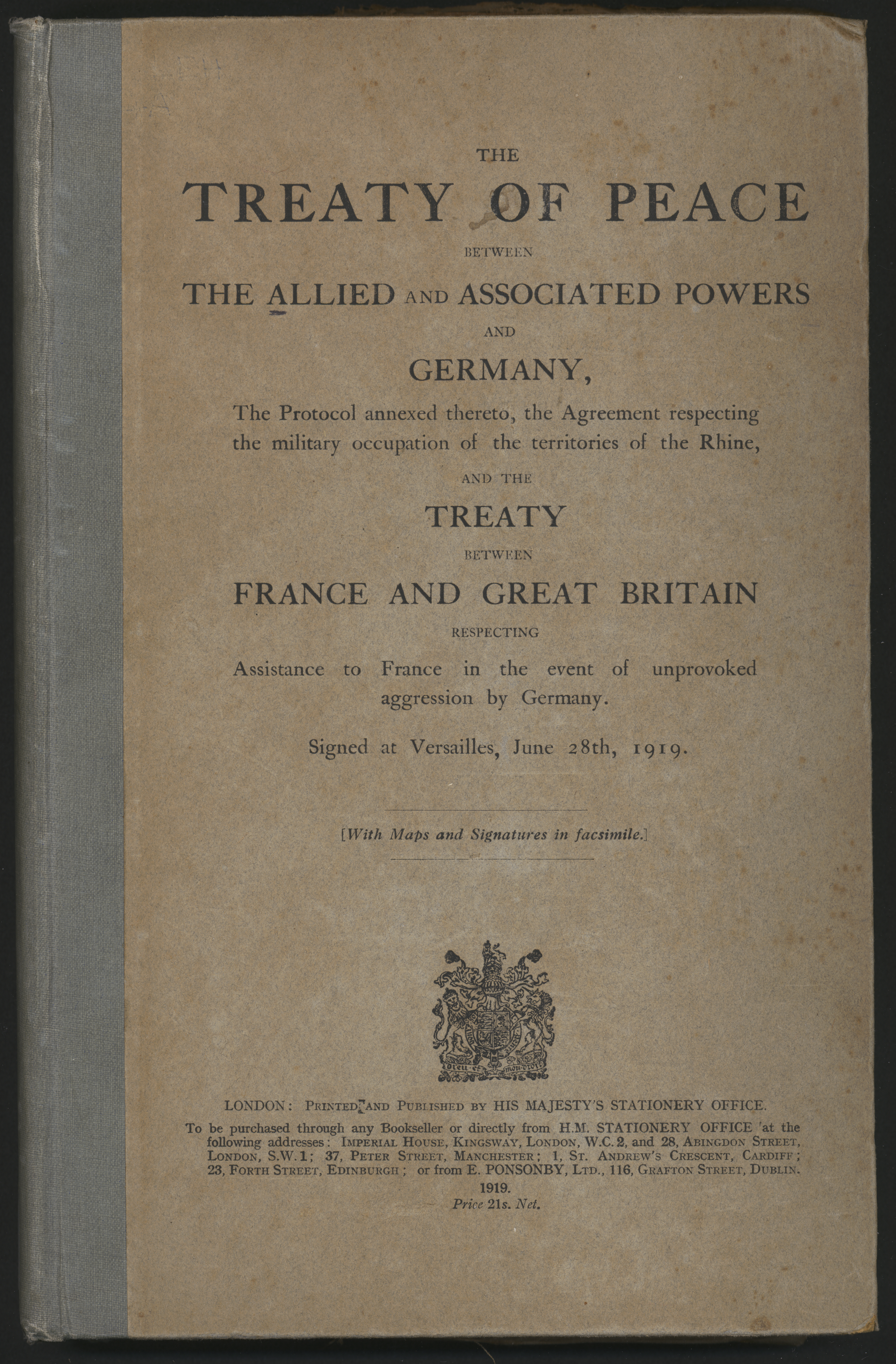
Choosing Your Focus: Major WWII Causes
Treaty of Versailles aftermath Rise of fascism and Nazi Germany Economic depression and instability Japanese expansion in Asia Failure of the League of Nations Appeasement policies
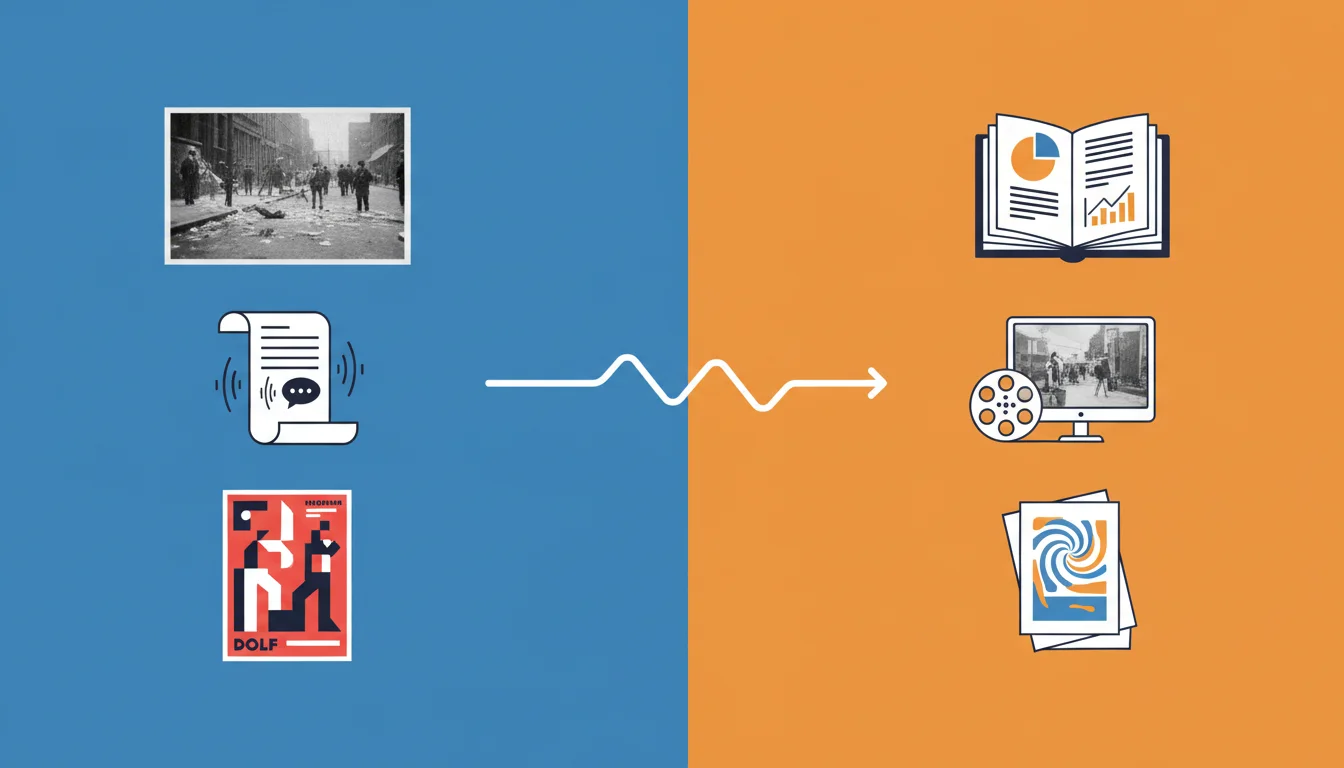
Primary vs Secondary Sources Timeline
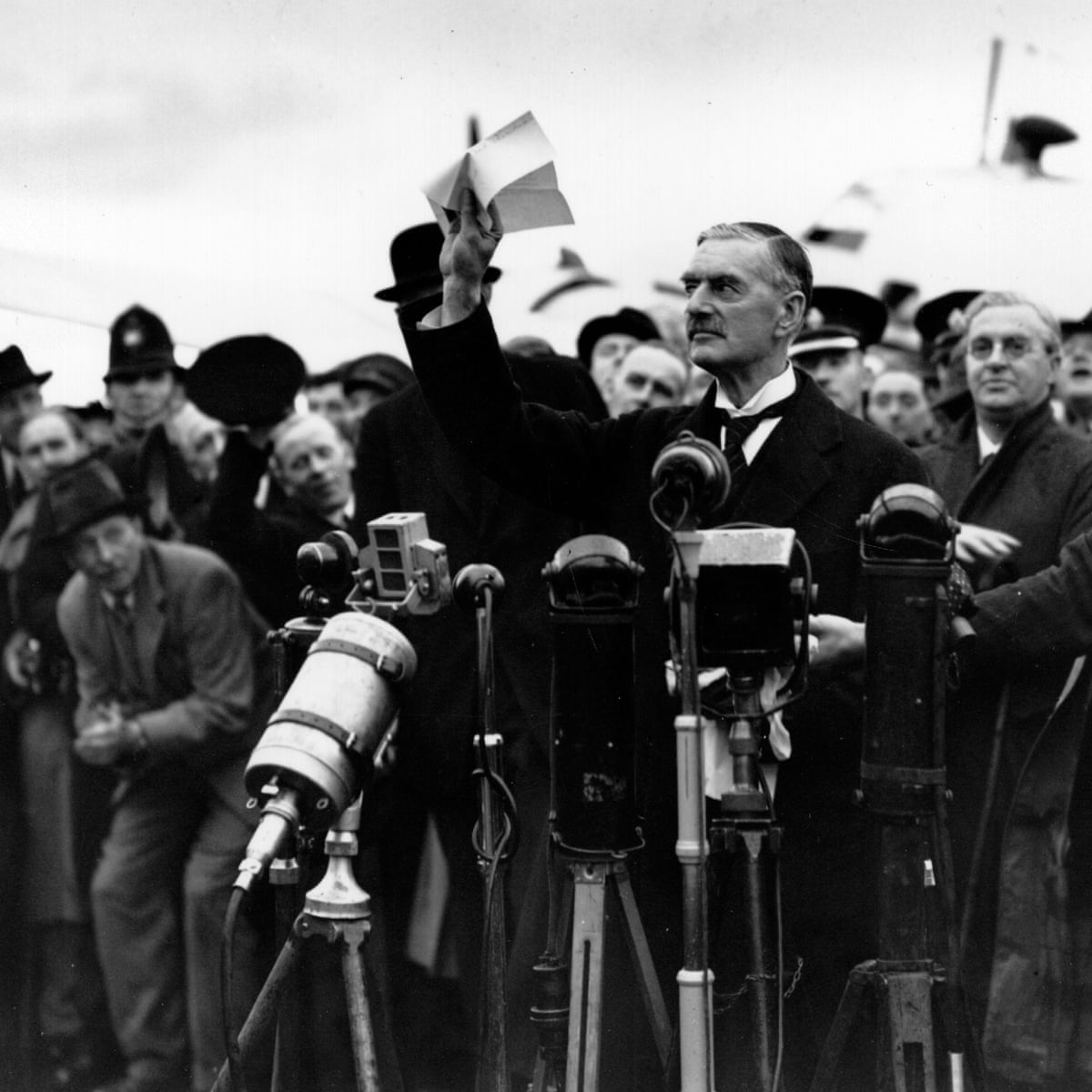
Source Detective Challenge
Examine this photograph: Who took it and why? What was happening when it was taken? What emotions or reactions does it show? What questions does it raise?
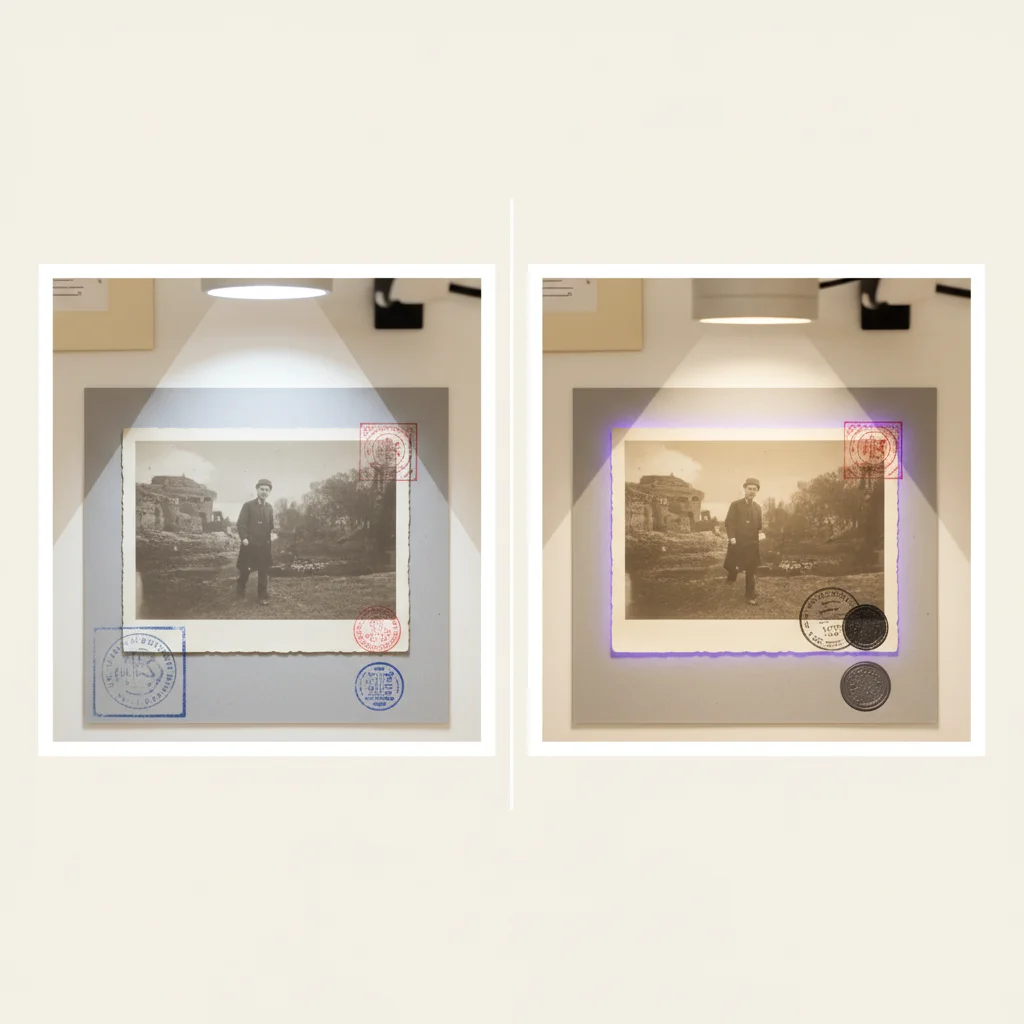
Evaluating Reliability: Key Questions
{"left":"Who was the photographer?\nWhat was their purpose?\nWhen exactly was it taken?\nHas the image been altered?","right":"What context is missing?\nWho published or distributed it?\nWhat was the political climate?\nHow does it compare to other sources?"}

Comparing with Secondary Sources
Find academic articles or textbooks about your chosen cause Look for historian interpretations of your photographs Note any contradictions or different perspectives Consider how modern historians use the same evidence Evaluate which interpretation seems most convincing
"Every photograph is a certificate of presence."
- Roland Barthes, philosopher But remember: photographs show us what the camera captured, not necessarily the whole truth. They are powerful evidence, but must be analyzed carefully.
Creating Your Presentation
Organize your 3+ photographs chronologically or thematically Write clear captions explaining each image's significance Compare reliability and usefulness of each source Include at least one secondary source comparison Practice your 3-4 minute presentation Prepare to answer questions about your analysis