
Workshop Safety: Machines and Expectations
Year 9 Technology Queensland Education Workshop Safety Safe Machine Operation

WALT - We Are Learning To
Identify Queensland education workshop safety expectations Recognize common workshop hazards and risks Demonstrate safe machine operation procedures Apply safety rules and protocols in practical situations

Success Criteria - You Will Be Able To
List at least 5 workshop safety rules Identify safety equipment and its purpose Explain safe procedures for 3 different machines Recognize potential hazards before they become dangerous Demonstrate proper workshop behavior and attitude

Safety First Philosophy
'Safety isn't expensive, it's priceless. The cost of an accident is always greater than the cost of prevention.'

Queensland Workshop Safety Framework
Based on Work Health and Safety Act 2011 Specific guidelines for educational settings Risk assessment and hazard identification Duty of care for students and teachers Regular safety training and updates required

Safety Hazard Hunt
Look at the workshop image Identify 5 potential safety hazards Discuss with a partner Share findings with the class

Workshop DO's and DON'Ts
{"left":"ALWAYS wear safety glasses\nKeep work area clean and organized\nReport damaged equipment immediately\nFollow teacher instructions carefully\nUse tools for their intended purpose","right":"NEVER run in the workshop\nDon't wear loose clothing or jewelry\nNever operate machines without permission\nDon't leave tools lying around\nNever ignore safety procedures"}

Personal Protective Equipment (PPE)
Safety glasses - protect eyes from debris and dust Hearing protection - guard against noise damage Closed-toe shoes - prevent foot injuries Appropriate clothing - avoid loose items near machinery Hair restraints - keep long hair away from moving parts

Quick Safety Check
Why do we wear safety glasses in the workshop? What should you do if you see a damaged tool? Is it okay to run to get help in an emergency?
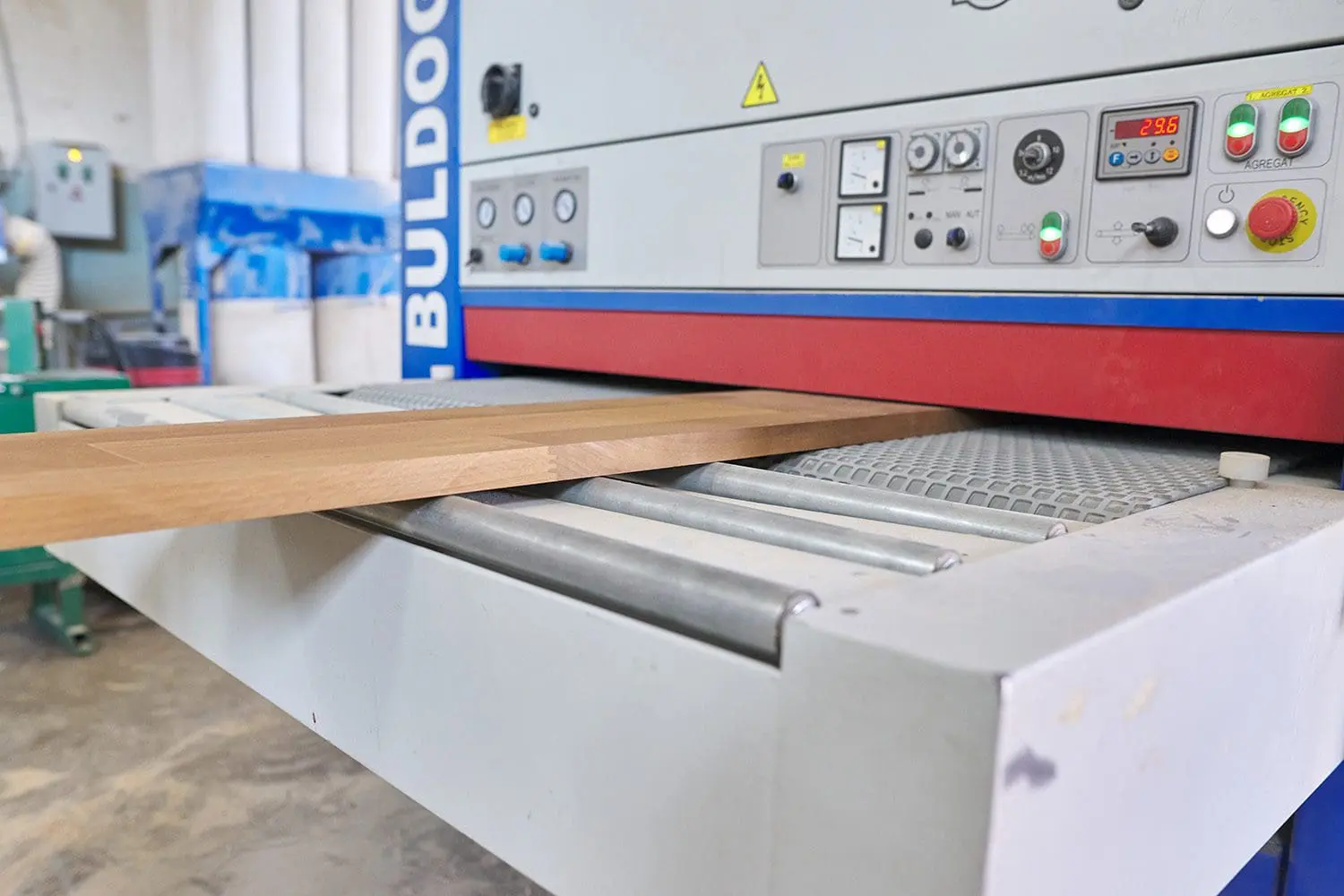
Common Workshop Machines - Overview
Power saws (circular saw, jigsaw, bandsaw) Drilling machines (drill press, hand drills) Sanding equipment (belt sander, orbital sander) Shaping tools (router, planer) Each machine has specific safety requirements

Circular Saw Safety Procedures
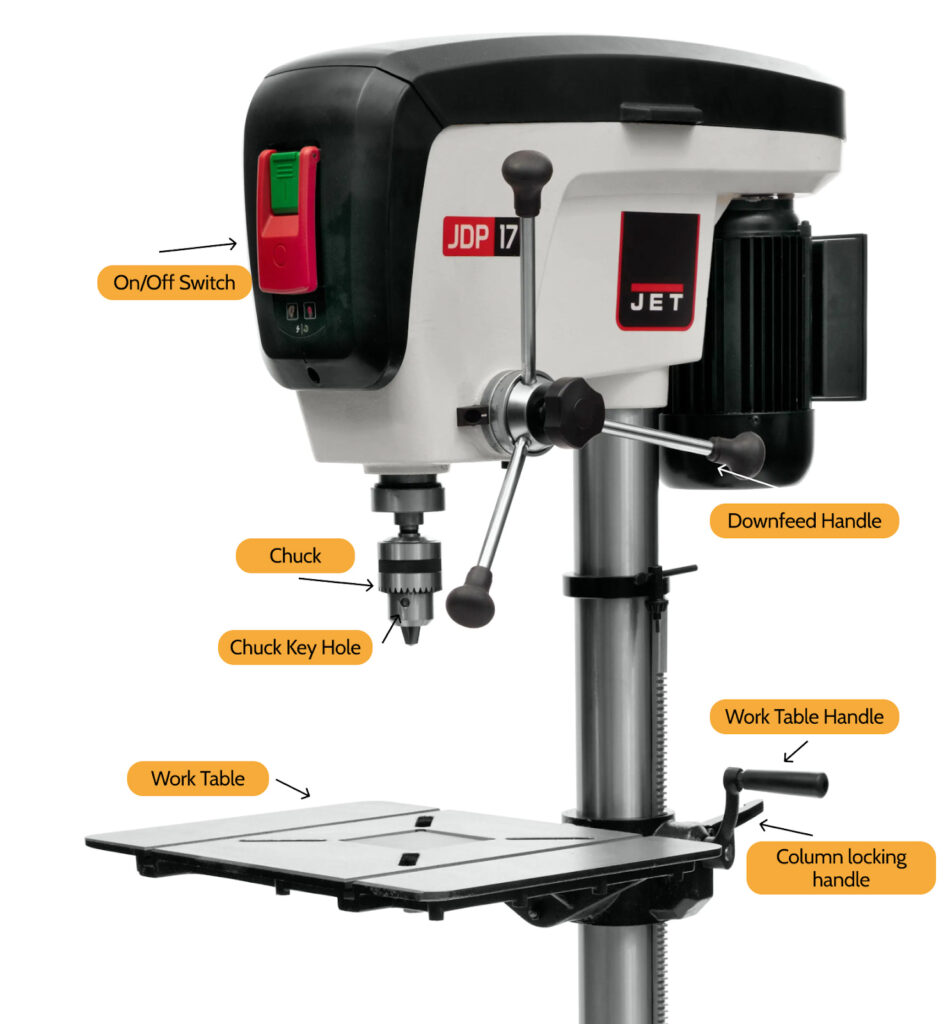
Drill Press Operation
Always secure workpiece with clamps or vise Select appropriate drill bit and speed Lower drill bit slowly with steady pressure Allow drill to reach full speed before contact Remove drill bit completely before turning off
8 more slides available after you open the deck.
Download all 20 slides