
Which Object Moves Best?
A Science Investigation Pre-Primary Physical Science Hocking Primary School

WALT and WILF
WALT: We Are Learning To investigate which objects move best WILF: What I'm Looking For - Make predictions about movement WILF: Test objects fairly WILF: Record our observations WILF: Explain what we discovered
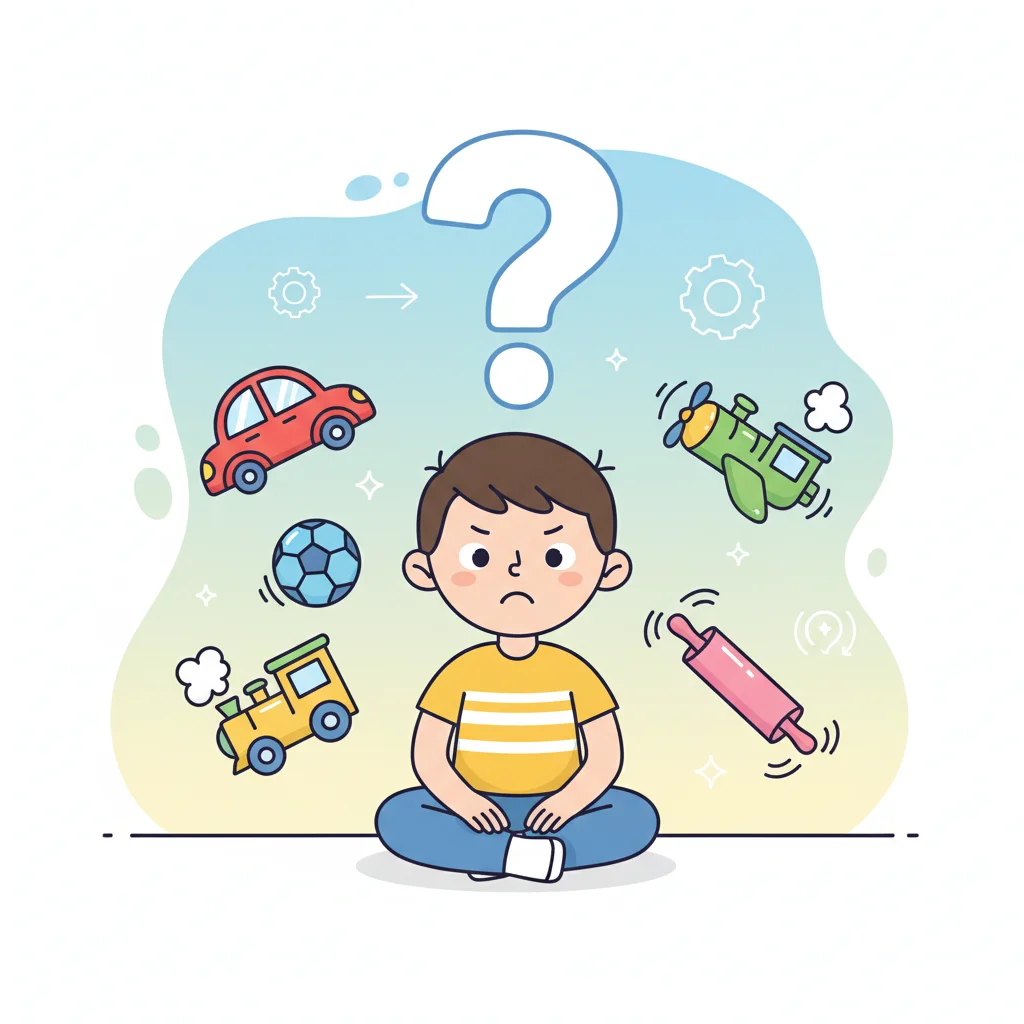
What makes something move well?
Think about objects you've seen moving What helps them move fast or far? What makes them slow or stop?
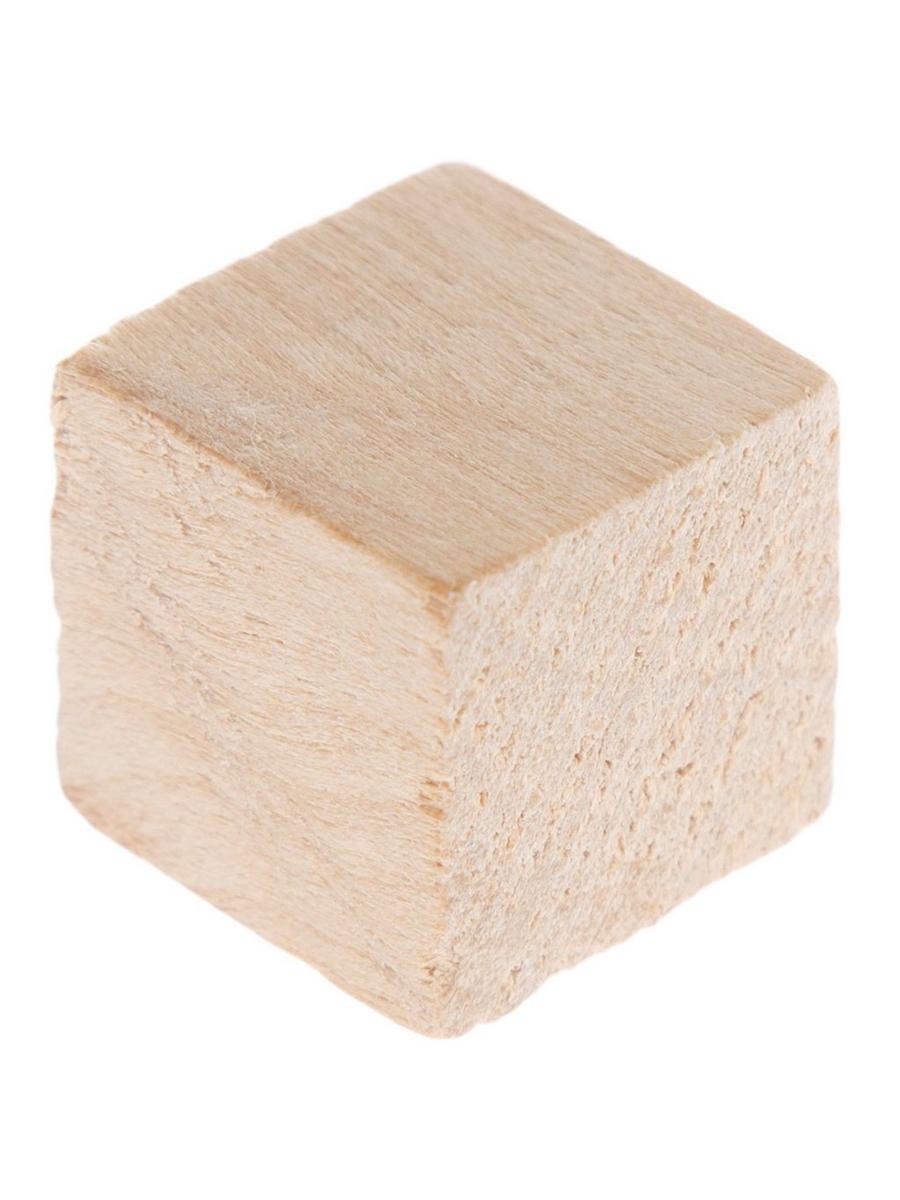
Meet Our Test Objects
A wooden block A cardboard tube A boiled egg A round ball A toy car
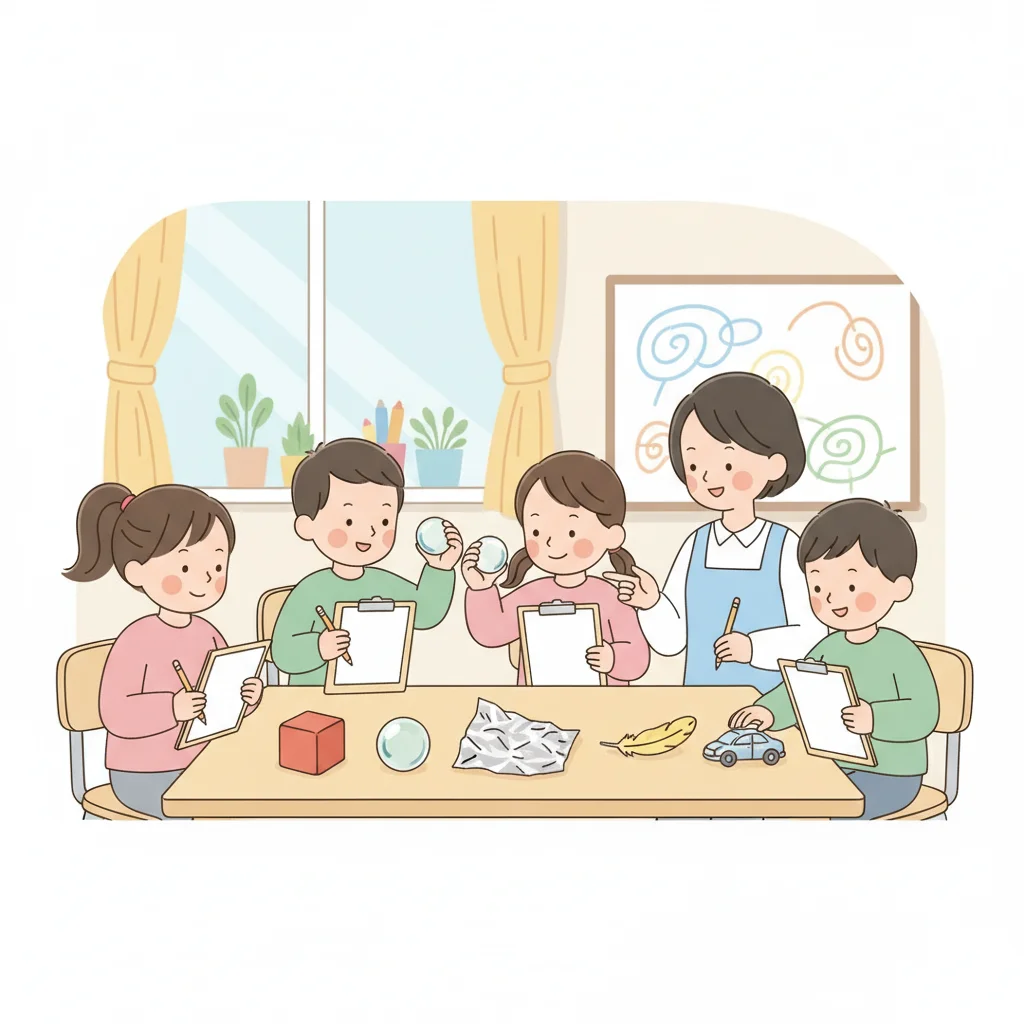
Making Predictions
Look at each object carefully Which do you think will move the best? Why do you think so? Let's record our predictions!
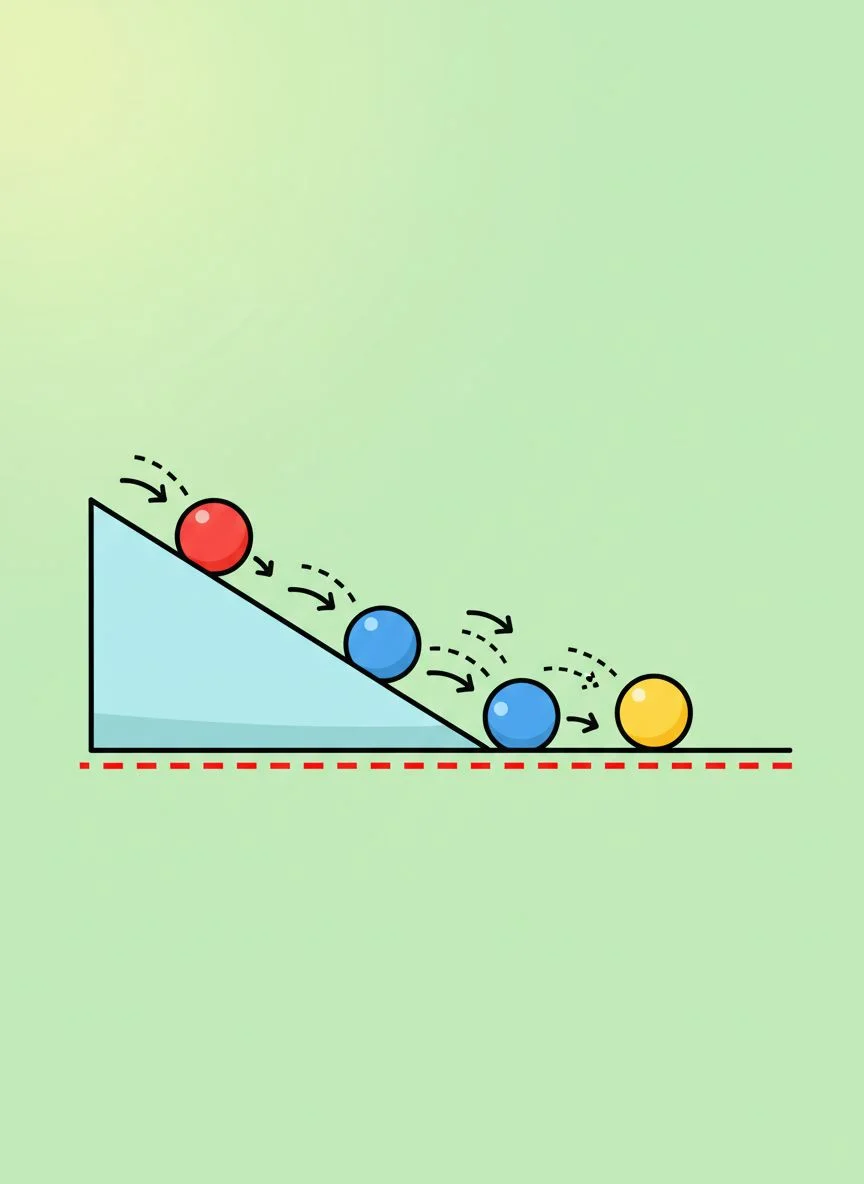
Planning Our Investigation
We need to test fairly Same starting position for all objects Same push or slope for each test Measure how far each object goes Record what we observe

Conducting Our Experiment
Test each object one at a time Give each the same gentle push Watch how they move Measure the distance Record our observations

Our Results
{"left":"Objects that moved well:\nBall - rolled smoothly and far\nToy car - wheels helped it roll\nTube - round shape helped it roll","right":"Objects that didn't move as well:\nBlock - slid but didn't go far\nEgg - wobbled and stopped quickly"}

Why did some objects move better?
What do the best-moving objects have in common? How are they different from the ones that didn't move well? What helps objects move easily?

What We Discovered
Round objects move best because they can roll Rolling is easier than sliding Wheels help objects move well Shape affects how objects move We used fair testing to find out!