
Viking Society: Classes, Culture & Origins
Understanding Viking social structure Exploring cultural origins Year 8 Social Sciences
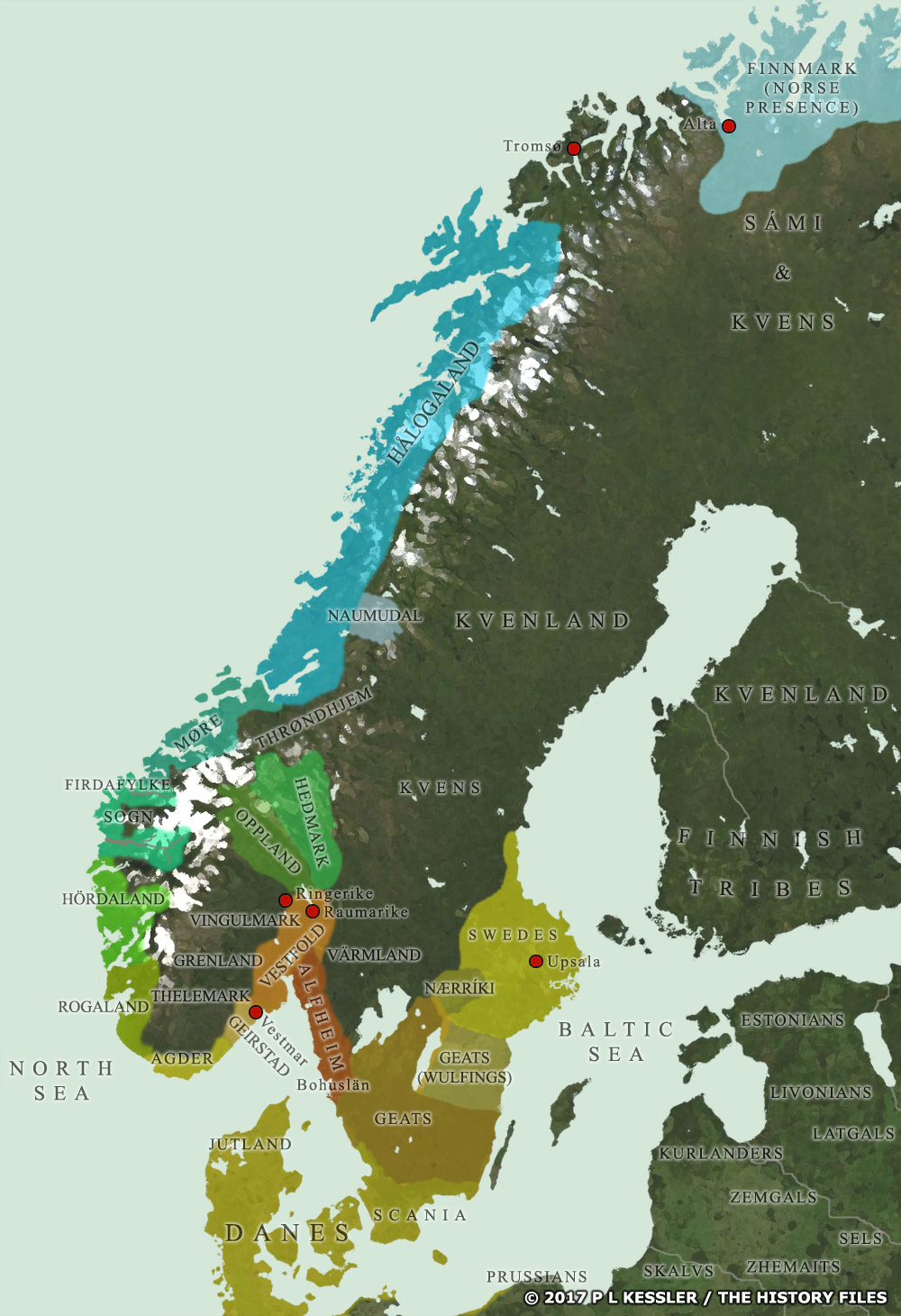
Origins of Viking Culture
Emerged from Scandinavia (Norway, Sweden, Denmark) around 793 CE Agricultural communities became seafaring raiders and traders Harsh climate and limited farmland drove expansion Advanced shipbuilding and navigation skills Oral tradition of sagas and mythology
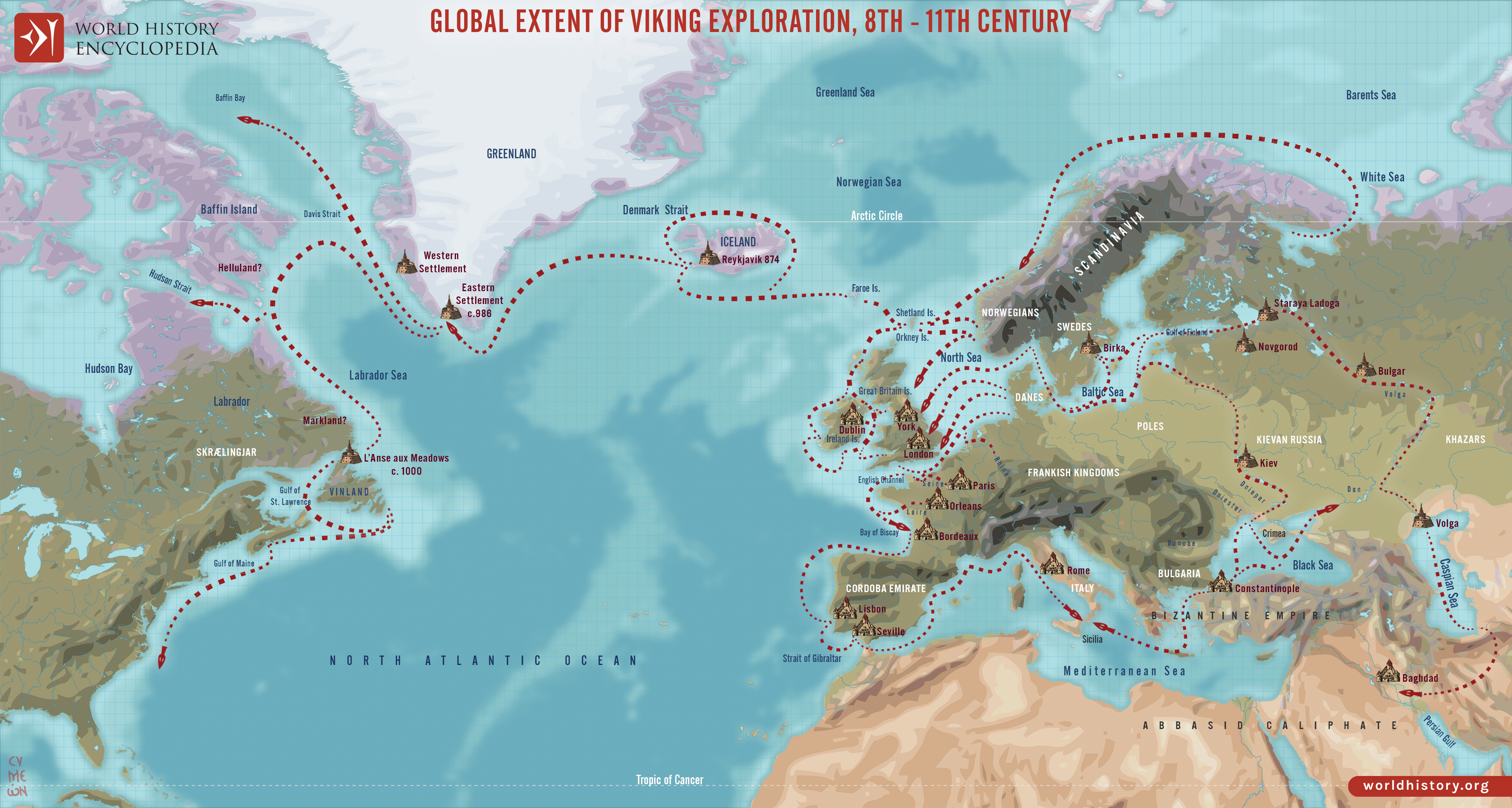
Viking Expansion Routes 793-1066 CE

The Three Main Social Classes
Jarls - Noble class, wealthy landowners and warriors Karls - Free farmers, craftsmen, and merchants Thralls - Slaves captured in raids or born into slavery Social mobility was possible through wealth or valor The Thing - democratic assembly for free men

Jarls vs Thralls: Contrasting Lives
{"left":"Owned large estates and many thralls\nLed raids and controlled trade\nWore fine clothes and gold jewelry\nHad political power in the Thing","right":"Owned no property or possessions\nPerformed manual labor and domestic work\nCould be bought, sold, or traded\nHad no legal rights or political voice"}

Women in Viking Society
More rights than women in other medieval societies Could own property and request divorces Managed households while men were away raiding Some became powerful völvas (priestesses/seers) Shield-maidens - legendary female warriors Arranged marriages were common but women had some choice

Social Class Investigation
Work in groups of 4-5 students Each group assigned one Viking social class Research your class using provided worksheets Prepare a 2-minute presentation including: • Daily life and responsibilities • Rights and restrictions • One interesting fact or story
Reflection & Success Criteria
"A society's structure reveals its values and priorities" Can you explain Viking cultural origins? Can you identify and describe the main social classes? Can you use historical terms correctly? How will you share your learning creatively?