
Vector Geometry Proofs and Practice
Year 12 Mathematics Extension 1 NSW Curriculum Proving geometric results using vectors

Learning Objectives
Understand how vectors simplify geometric proofs Prove that diagonals of a parallelogram meet at right angles if and only if it's a rhombus Prove that midpoints of quadrilateral sides form a parallelogram Prove the parallelogram law for diagonal lengths Apply vector methods to solve geometric problems
Review: Vector Basics
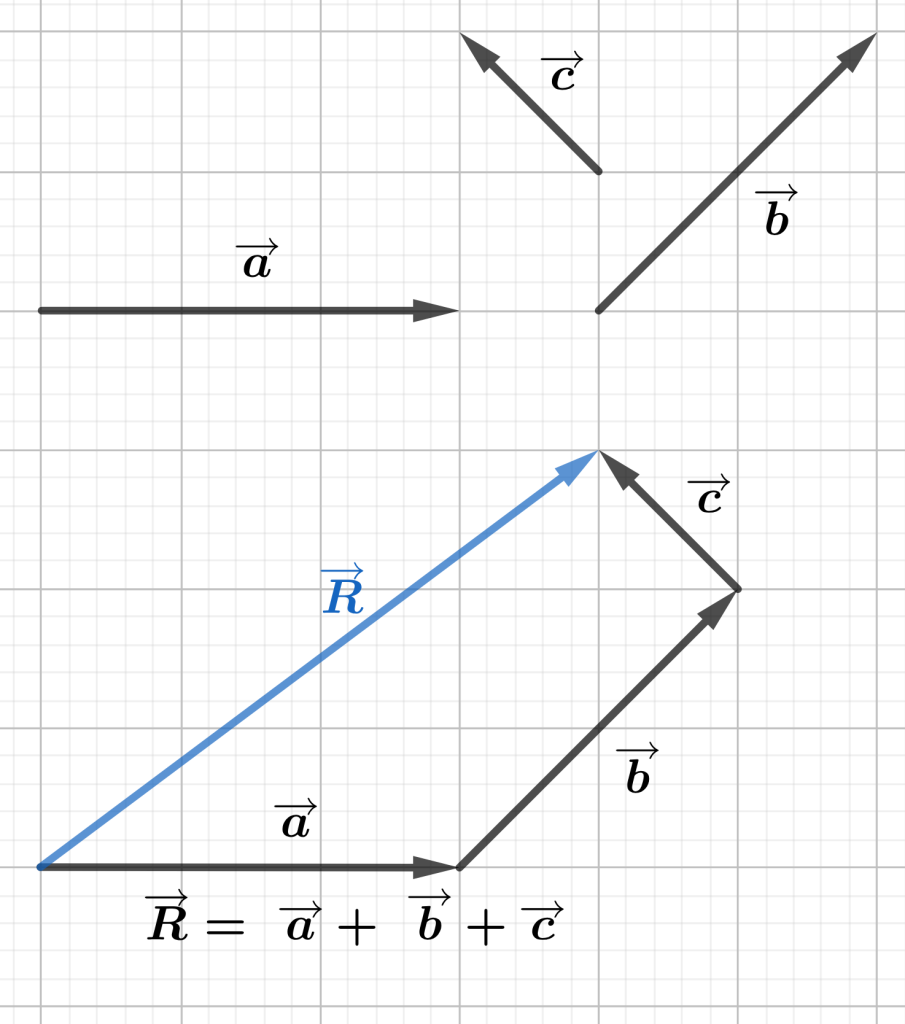
Vectors have magnitude and direction Represented as arrows or column matrices Vector addition: tip-to-tail method Scalar multiplication changes magnitude Zero vector: same start and end point
Why Use Vectors in Geometry?
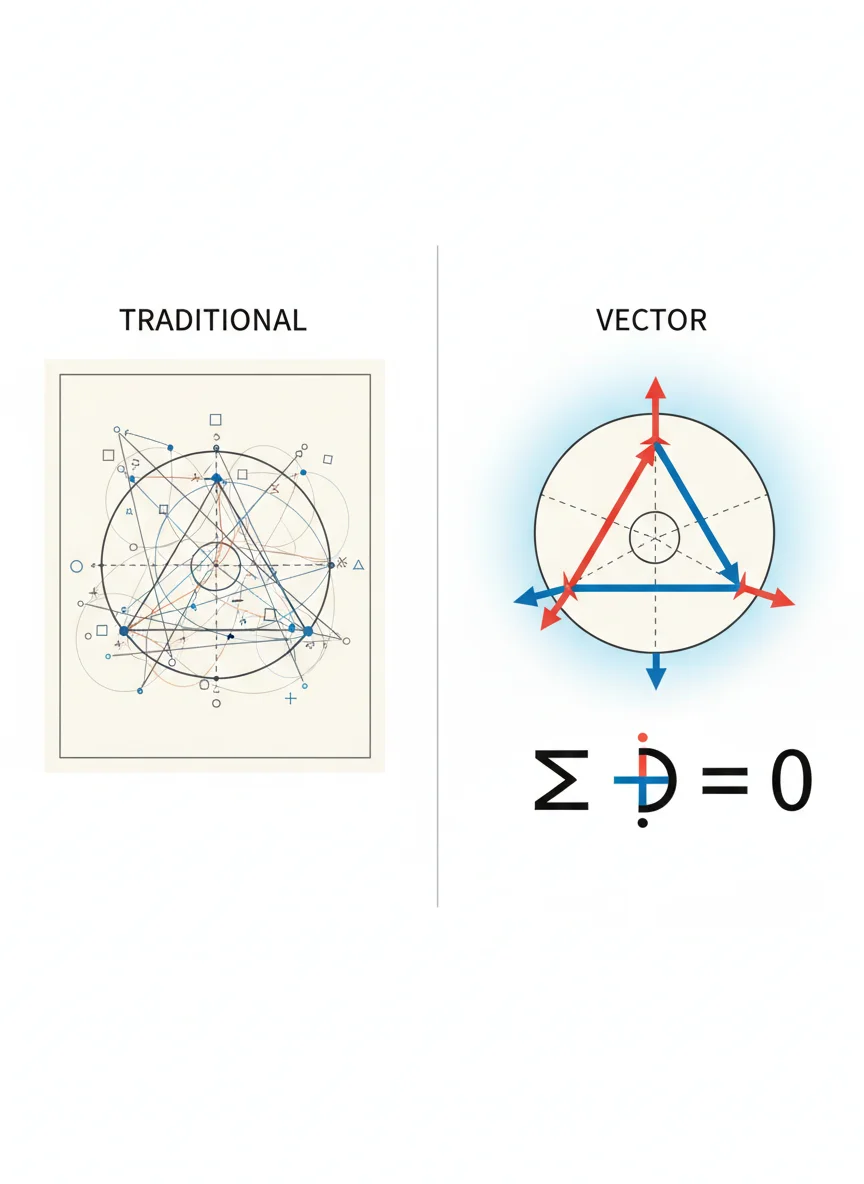
Eliminates need for coordinate systems Provides algebraic approach to geometric problems Makes proofs more concise and elegant Reveals underlying relationships Applicable to any dimension

Vector Representation of Polygons
Each side represented as a vector Closed polygon: sum of vectors equals zero Equal sides have equal vector magnitudes Parallel sides are scalar multiples Direction matters for vector equality

Quick Check: Vector Properties
Draw a triangle ABC Label each side as a vector Show that AB + BC + CA = 0 What does this tell us about closed shapes?
Theorem 1: Parallelogram Diagonals and Rhombus
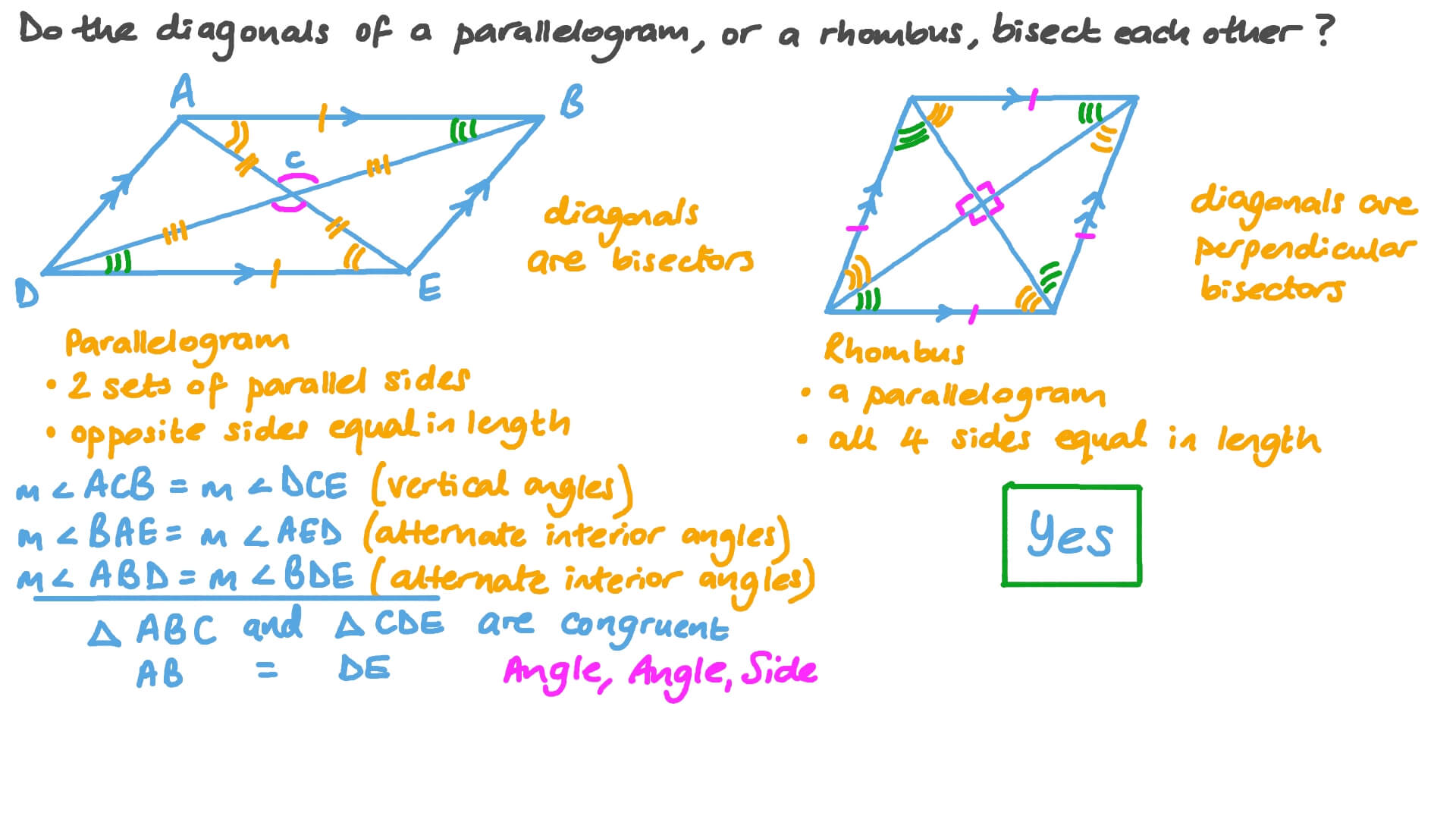
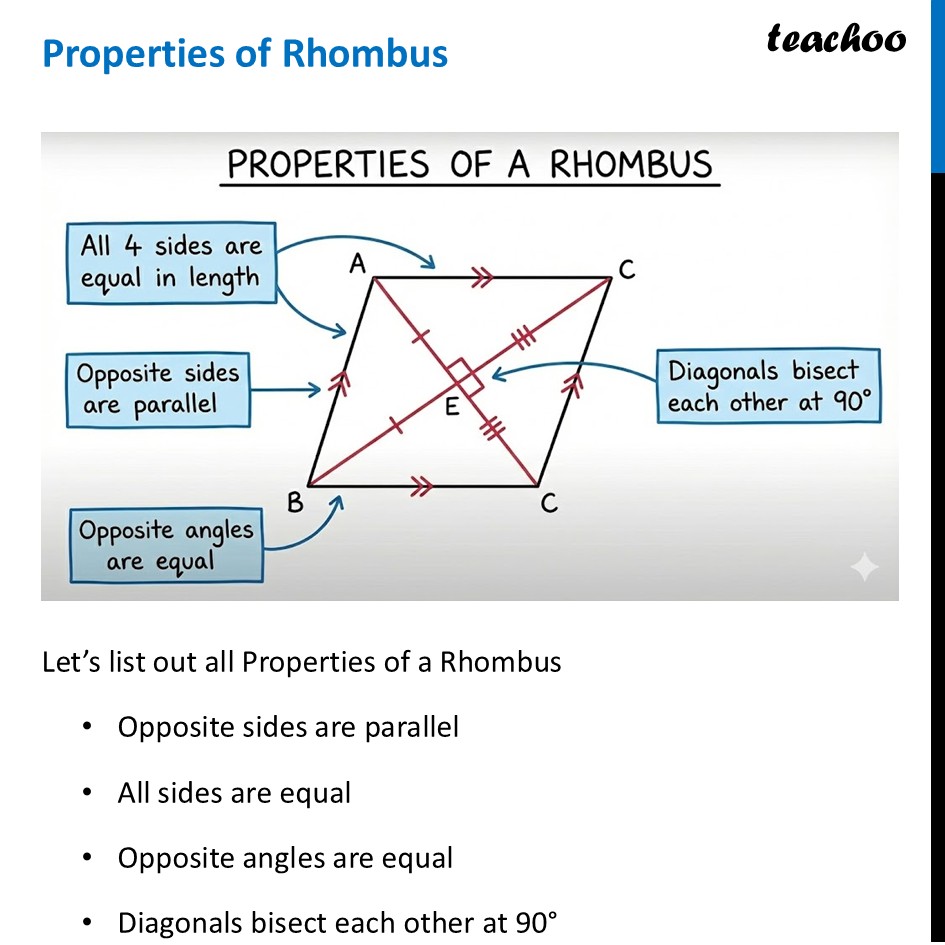
Statement: Diagonals of a parallelogram meet at right angles if and only if it's a rhombus This is a biconditional statement Need to prove both directions Forward: If rhombus, then perpendicular diagonals Backward: If perpendicular diagonals, then rhombus

Proof Setup: Parallelogram ABCD

Proof Part 1: Express Diagonals as Vectors
Let AB = a and AD = b Diagonal AC = AB + BC = a + b Diagonal BD = BA + AD = -a + b These are our key diagonal vectors Now we can work with them algebraically
Proof Part 2: Condition for Perpendicularity
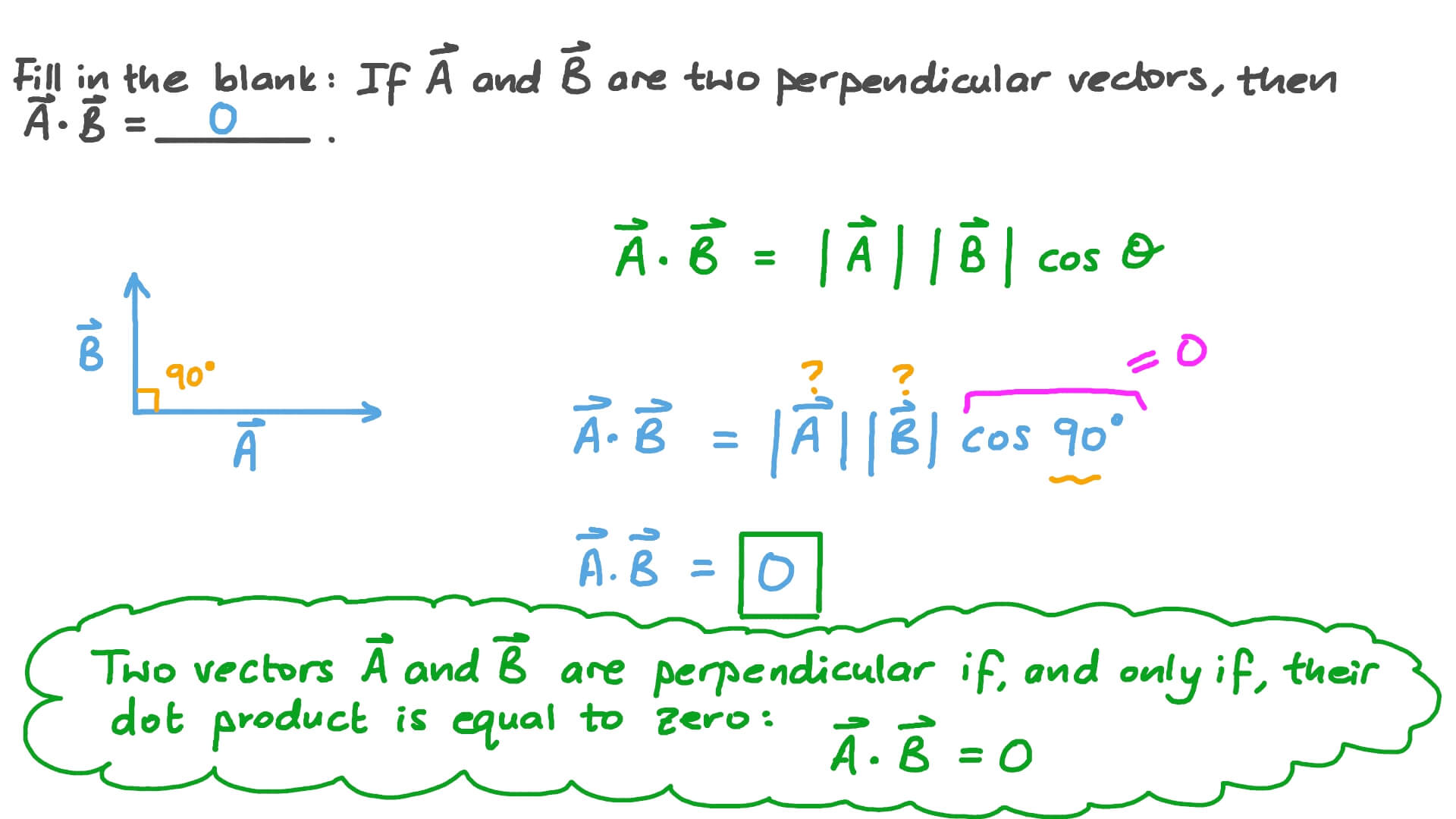
Diagonals perpendicular when AC · BD = 0 AC · BD = (a + b) · (-a + b) = (a + b) · (b - a) = a·b - a·a + b·b - b·a = b·b - a·a = |b|² - |a|²

Proof Part 3: Completing the Biconditional
AC ⊥ BD ⟺ |b|² - |a|² = 0 ⟺ |b|² = |a|² ⟺ |b| = |a| ⟺ Adjacent sides have equal length ⟺ ABCD is a rhombus
Check Understanding
Why does |a| = |b| mean the parallelogram is a rhombus? What property of rhombuses does this represent? How does this proof differ from a coordinate geometry approach?
11 more slides available after you open the deck.
Download all 23 slides