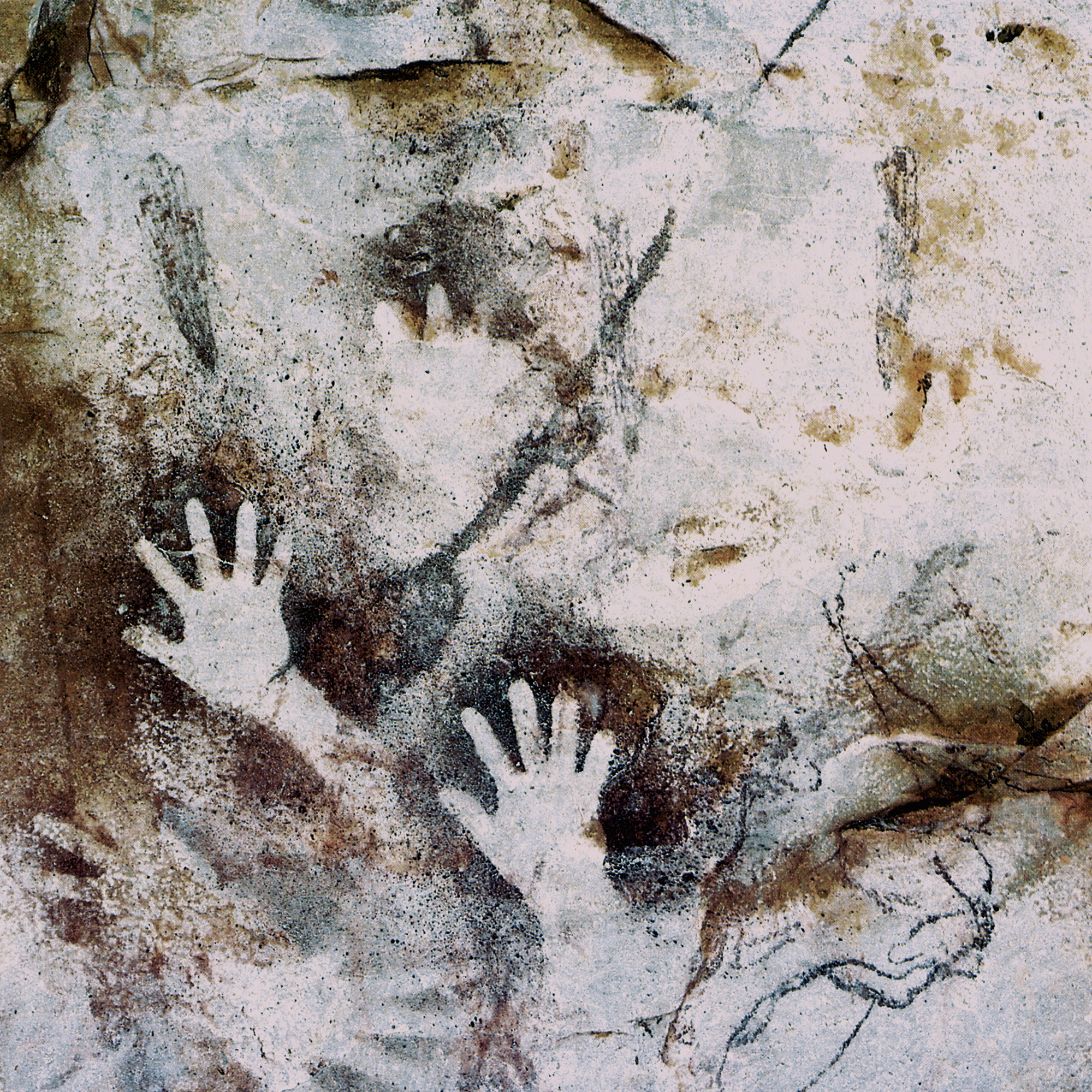
Uncovering Bradshaw Paintings: Evidence and Artifacts
Exploring Australia's Ancient Rock Art Primary and Secondary Sources Year 7 History - 45 minutes

WALT: We Are Learning To...
Identify primary and secondary sources about Bradshaw paintings Analyse artifacts and evidence from archaeological sites Evaluate the reliability of different types of historical sources Understand the significance of Aboriginal rock art in Australian history
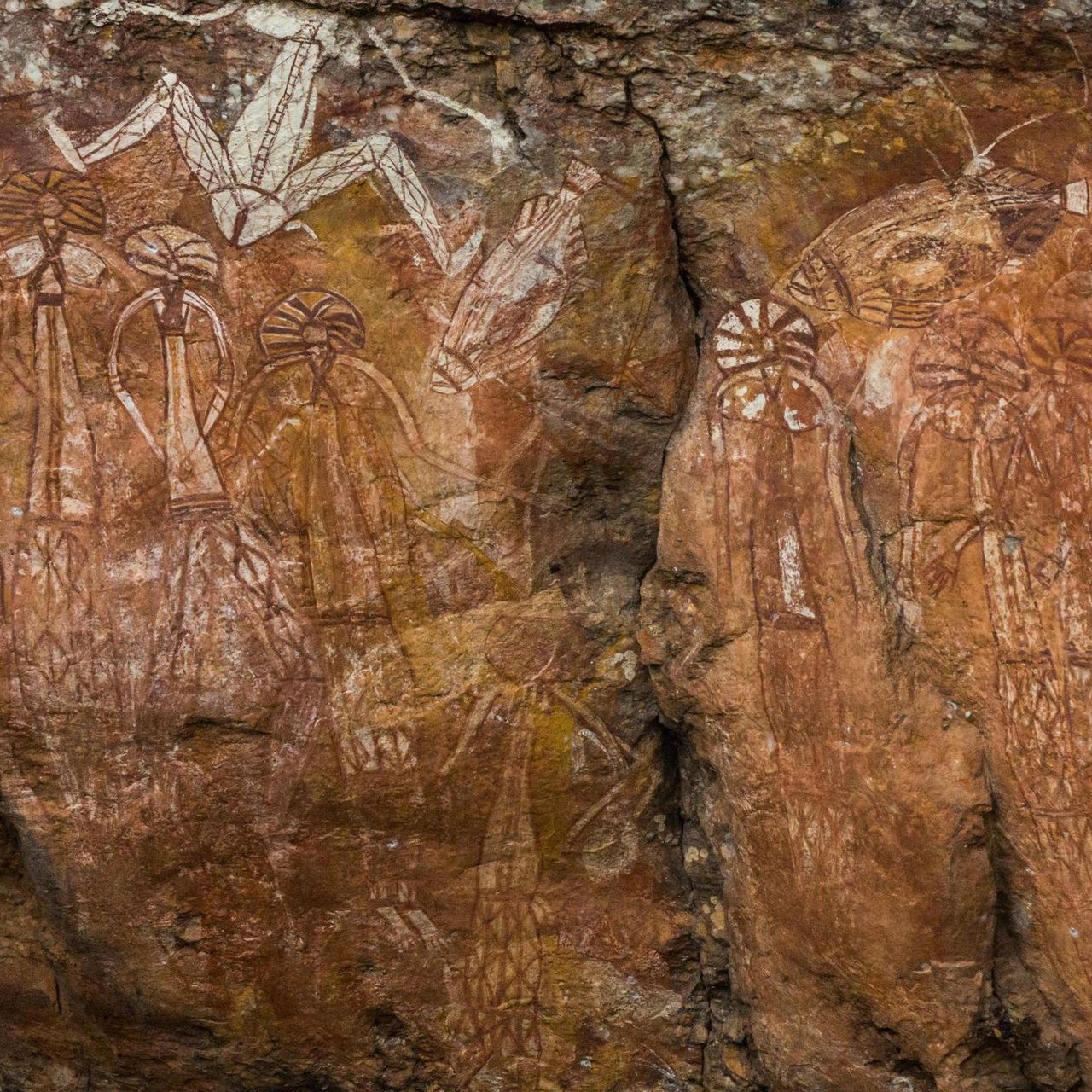
What do you already know about Aboriginal rock art?
Think about what you've seen in documentaries, museums, or textbooks Consider: How old might these paintings be? What stories might they tell us?
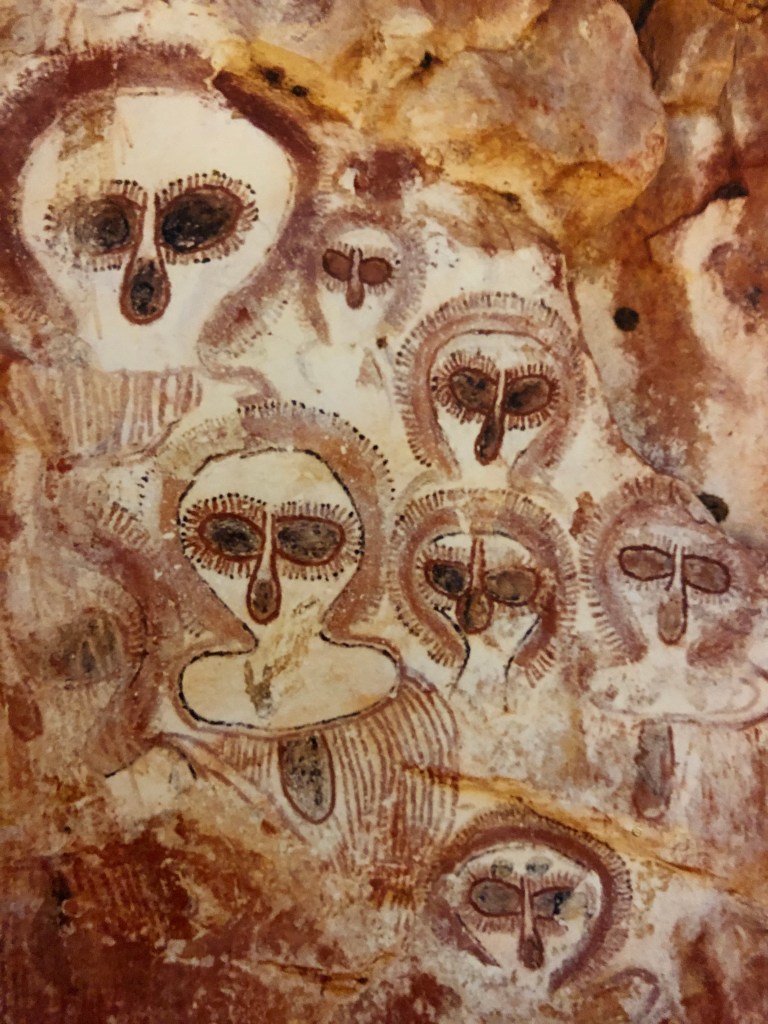
What are Bradshaw Paintings?
Also called Gwion Gwion paintings by Aboriginal people Found in the Kimberley region of Western Australia Estimated to be 12,000-17,000 years old Show detailed human figures in dynamic poses Often depict hunting, dancing, and ceremonial activities
Primary vs Secondary Sources
{"left":"The actual rock paintings themselves\nArchaeological tools found at sites\nCarbon dating results from excavations\nOral histories from Aboriginal elders","right":"Research papers by archaeologists\nDocumentary films about the paintings\nMuseum displays and interpretations\nTextbooks describing the artwork"}
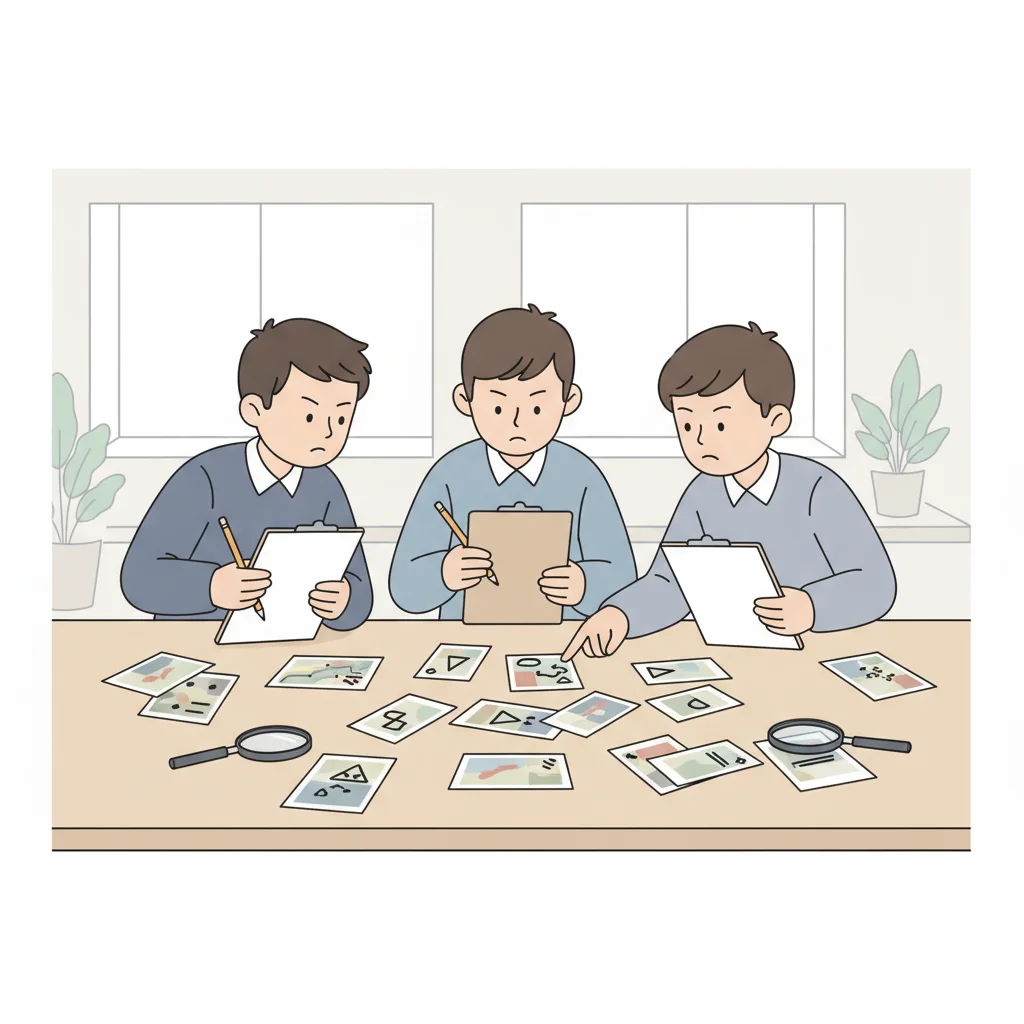
Evidence Detective Activity
Work in pairs to examine different types of evidence Sort evidence cards into 'Primary' and 'Secondary' sources Discuss: Which sources are most reliable and why? Present your findings to another pair

Types of Archaeological Evidence
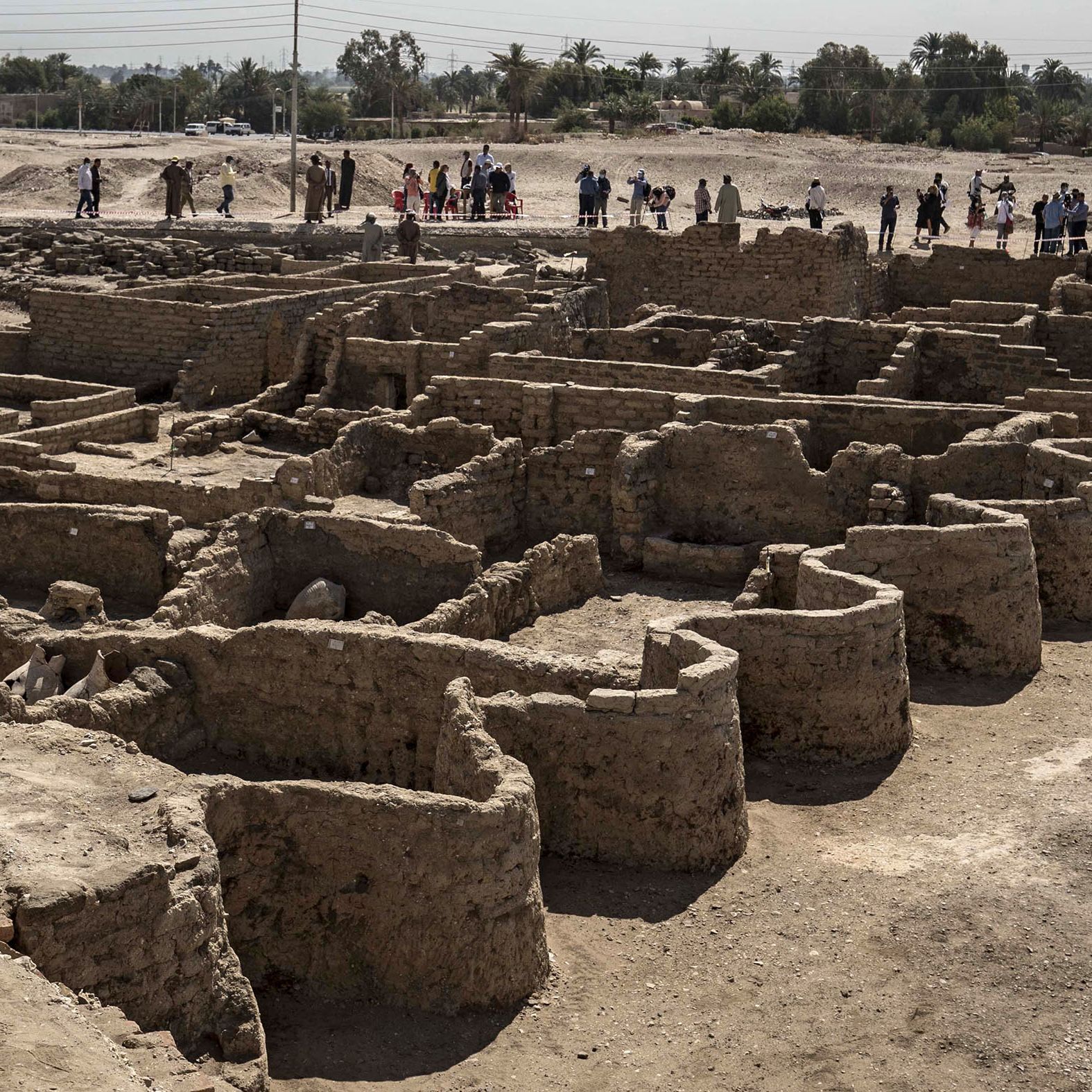
Stone tools and weapons found near paintings Ochre pigments and painting materials Charcoal from ancient fires (for dating) Human remains and burial sites Plant and animal remains showing diet Shelter structures and living areas
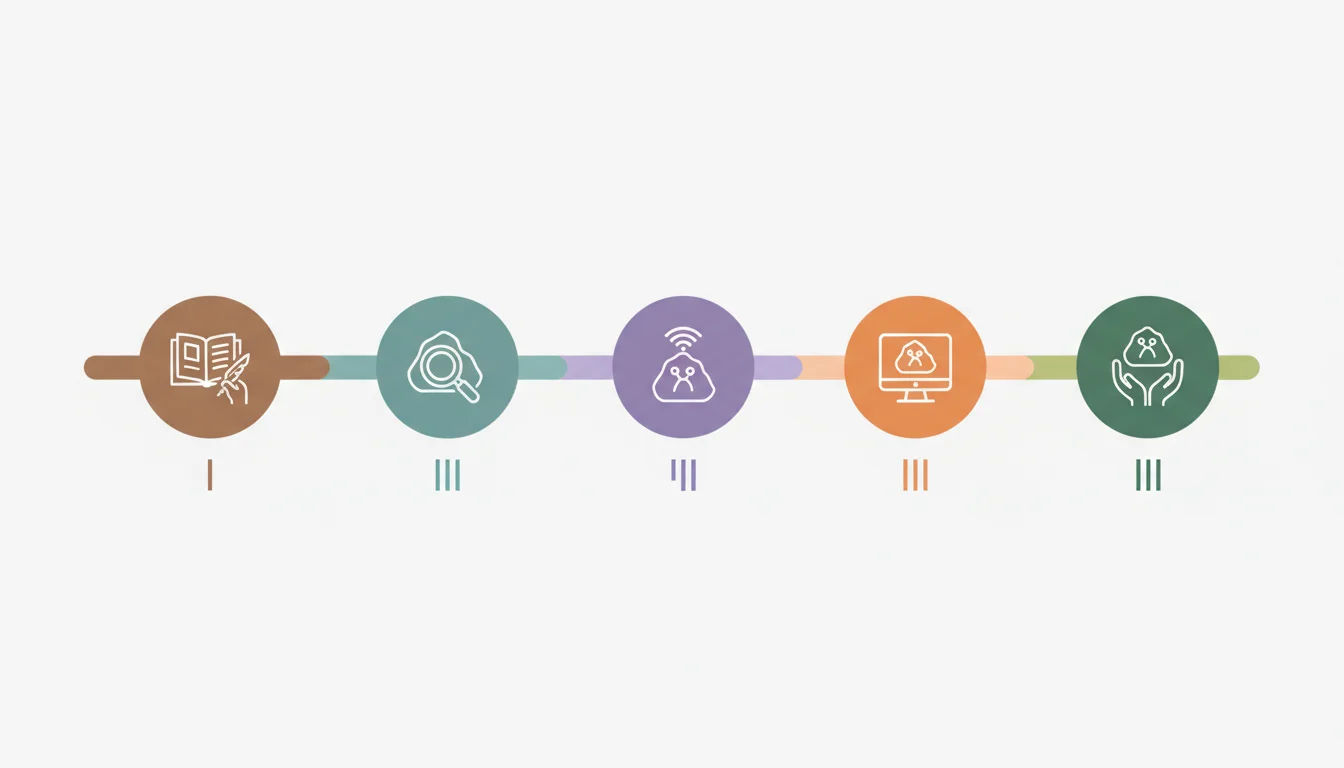
Timeline of Bradshaw Painting Discovery and Research

Evaluating Source Reliability
'Not all sources are created equal. We must ask: Who created this source? When? Why? What might they have left out?' - Historian's Golden Rule
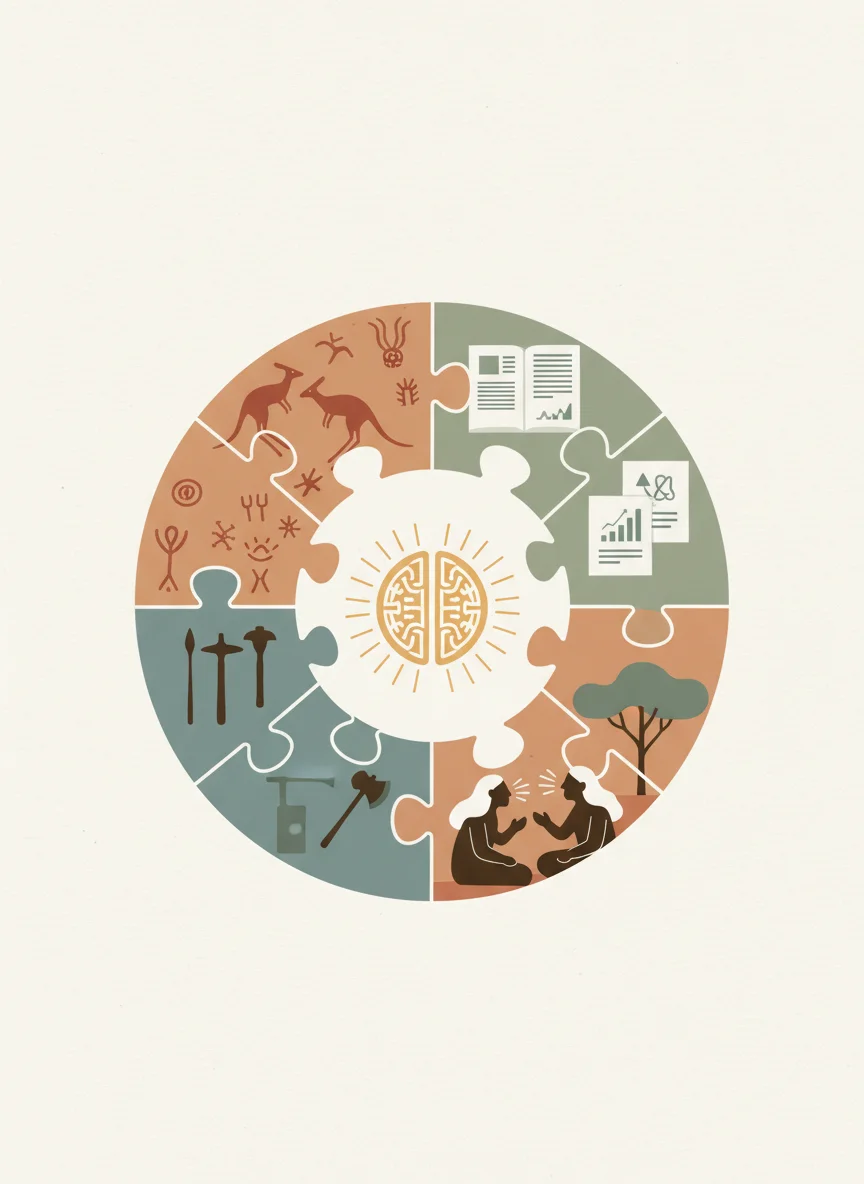
Putting It All Together: What We've Learned
Bradshaw paintings are invaluable primary sources from ancient Australia Archaeological evidence helps us understand the people who created them We must evaluate all sources critically for reliability Combining multiple types of evidence gives us the clearest picture Ongoing research continues to reveal new discoveries