
Structuring Our Animal Information Reports
Year 4 English Lesson 5: Exploring Animals Through Reports WALT: We Are Learning To organise information into introduction, body, and conclusion

What Do You Remember?
What is an information report? What animals have you been researching? What facts have you discovered about your animal?

The Three Parts of an Information Report
Introduction - tells what the report is about Body - gives detailed facts and information Conclusion - summary or final interesting fact Like a sandwich - each part has a special job!
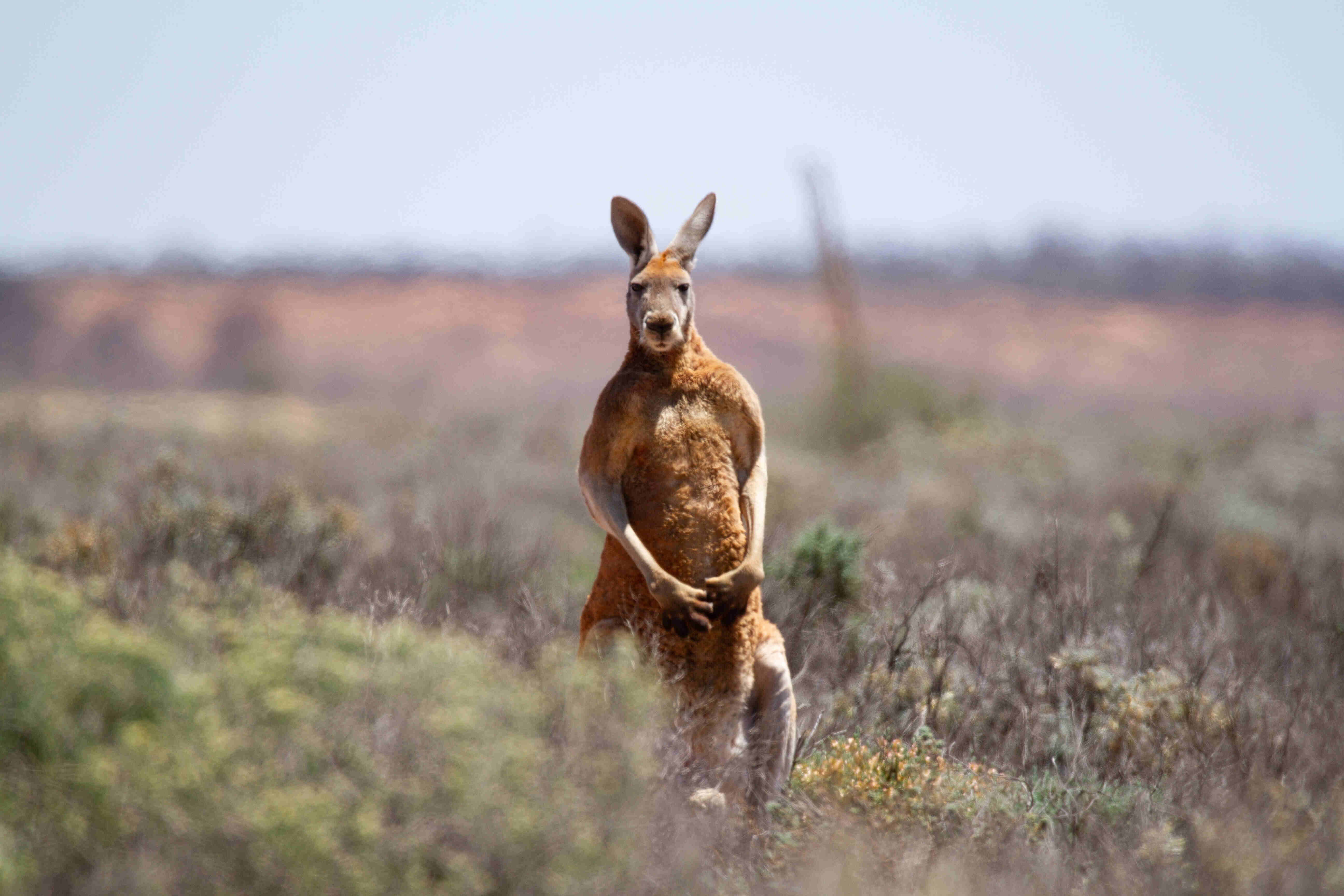
Example: Kangaroo Information Report Structure
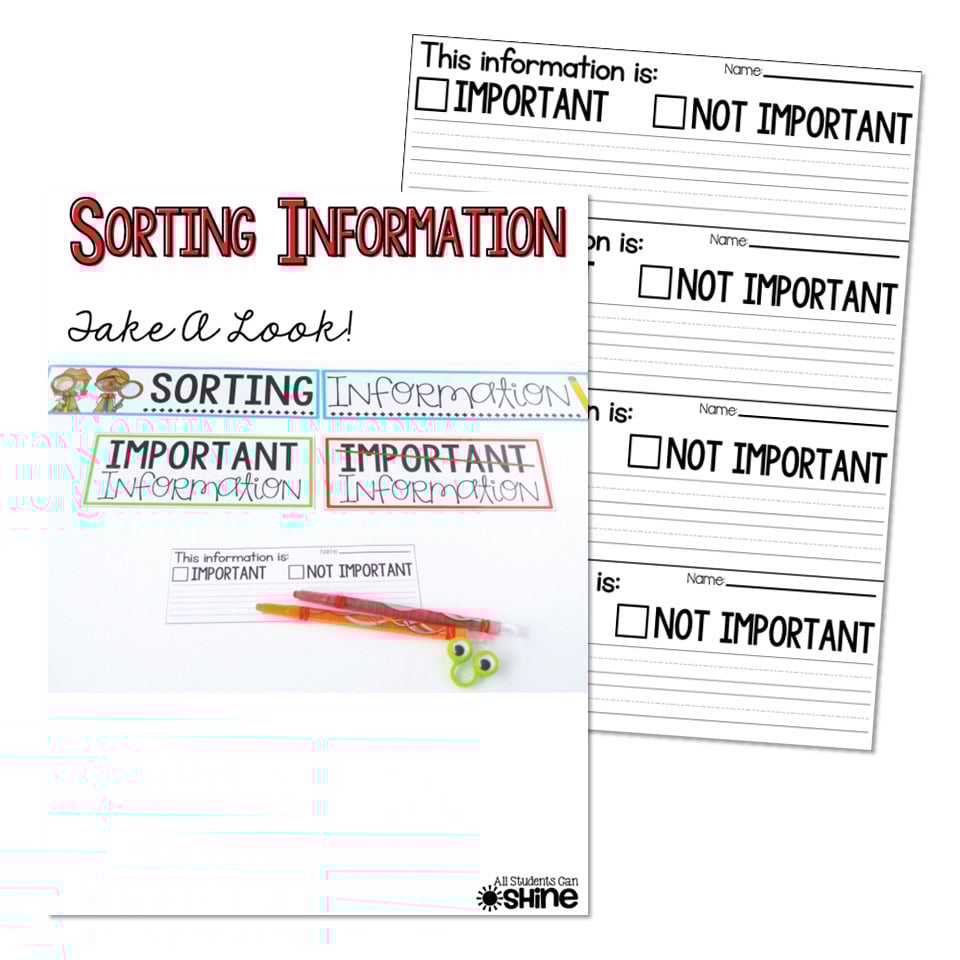
Sort Your Animal Facts
Get your animal research notes Use the graphic organiser worksheet Put each fact in the right section: Introduction - general information Body - detailed facts Conclusion - summary or wow fact

Success Criteria Check
{"left":"I can identify introduction, body, and conclusion in a report\nI can organise my animal notes into these three sections\nI can explain what goes in each part","right":"I can create a clear outline for my report\nI use facts from my research\nI think about what readers need to know"}

Share Your Outline
Find a partner or small group Share your organised animal facts Listen to feedback: Is the introduction clear? Are the body facts detailed? Is the conclusion interesting? Give positive suggestions to help each other

Remember
A well-structured report helps readers understand your amazing animal facts! Next lesson: We'll start writing our introduction paragraphs Homework: Begin drafting your introduction using your outline