
Solving Linear Equations by Substitution
Year 7 Mathematics AC9M7AO3: One-variable linear equations with natural number solutions

What is a Linear Equation?
An equation with variables to the first power only Forms a straight line when graphed Example: 3x + 5 = 14 The goal is to find the value of x

Think About This...
If 2x + 3 = 11, what do you think x equals? How could we check if our answer is correct?
What is Substitution?
Substitution means 'replacing' one thing with another In maths, we substitute numbers for variables We test different values to see which one makes the equation true It's like trying different keys to see which one opens a lock

Let's Try Substitution Together
Equation: x + 7 = 12 Let's test: x = 3 Substitute: 3 + 7 = 10 ❌ Let's test: x = 5 Substitute: 5 + 7 = 12 ✓
Steps for Substitution Method
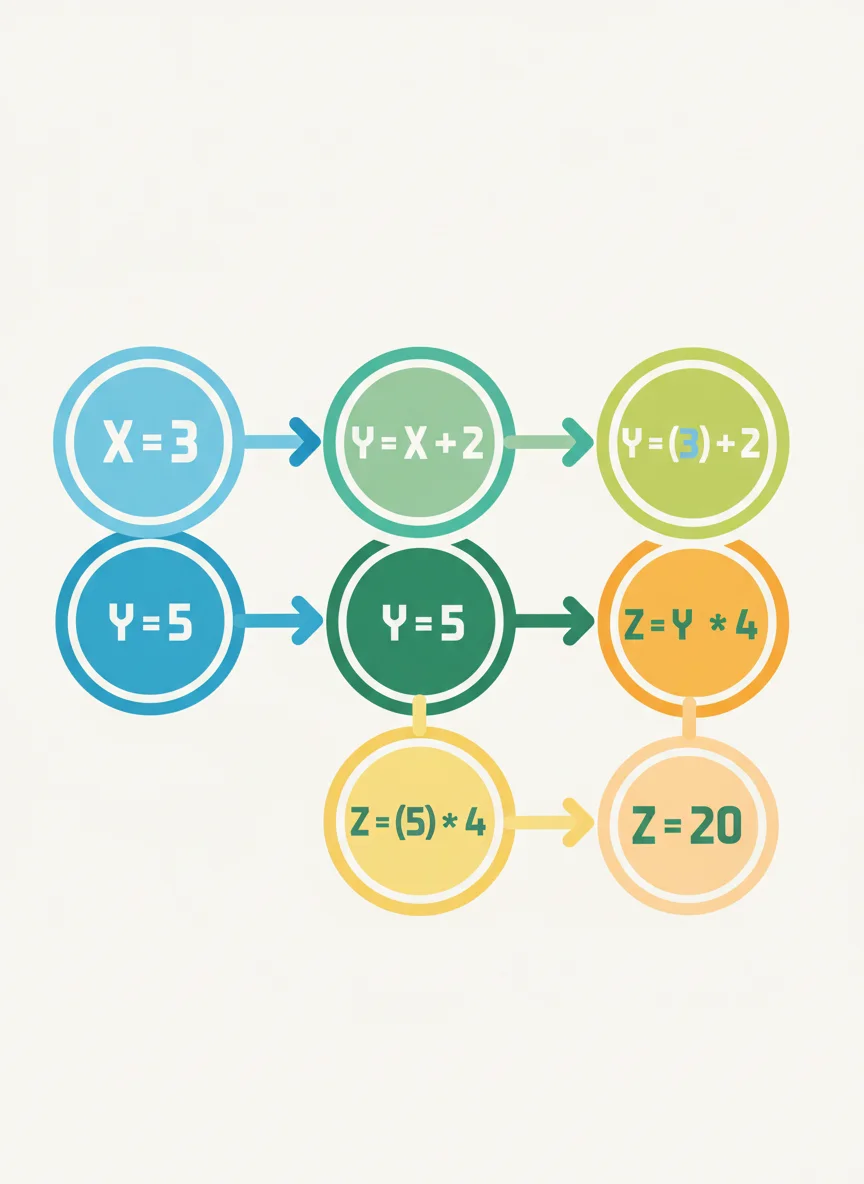
Step 1: Choose a value to test for the variable Step 2: Replace the variable with your chosen number Step 3: Calculate both sides of the equation Step 4: Check if both sides are equal Step 5: If not equal, try a different value
Guided Practice Examples
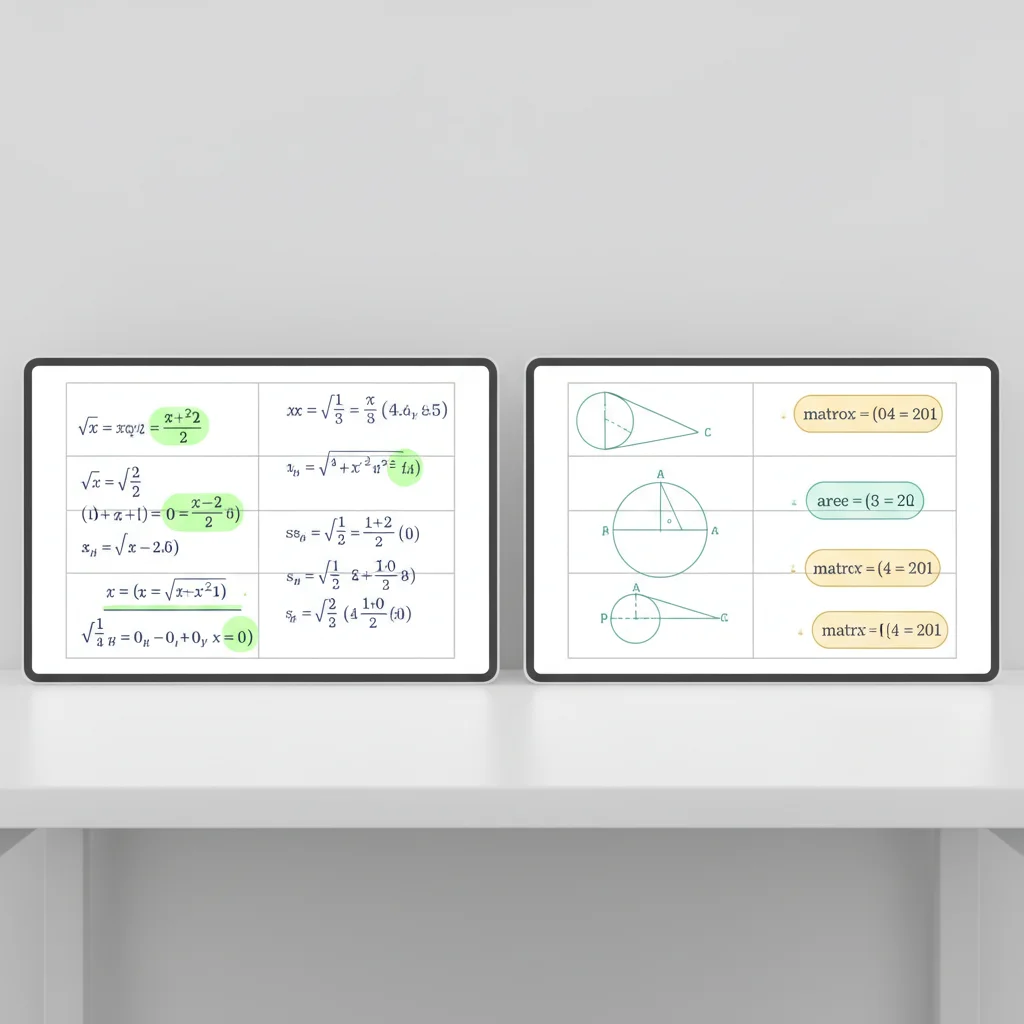
{"left":"Example 1: 2x + 1 = 9\nTest x = 3\n2(3) + 1 = 7 ❌\nTest x = 4\n2(4) + 1 = 9 ✓","right":"Example 2: 5x - 2 = 13\nTest x = 2\n5(2) - 2 = 8 ❌\nTest x = 3\n5(3) - 2 = 13 ✓"}

Your Turn to Practice
Solve: 3x + 4 = 16 Try different values for x Remember to substitute and check! Work with a partner if needed

Remember This Key Point
"The solution to an equation is the value that makes both sides equal"
Summary and Next Steps
Today we learned to solve linear equations by substitution We test different values until we find the correct solution Always check your answer by substituting back Next lesson: More efficient algebraic methods Practice problems for homework