Shaping Australia: Conflict, Change and Progress
Year 5 History Victorian Curriculum Exploring Australia's Past
Daily Review
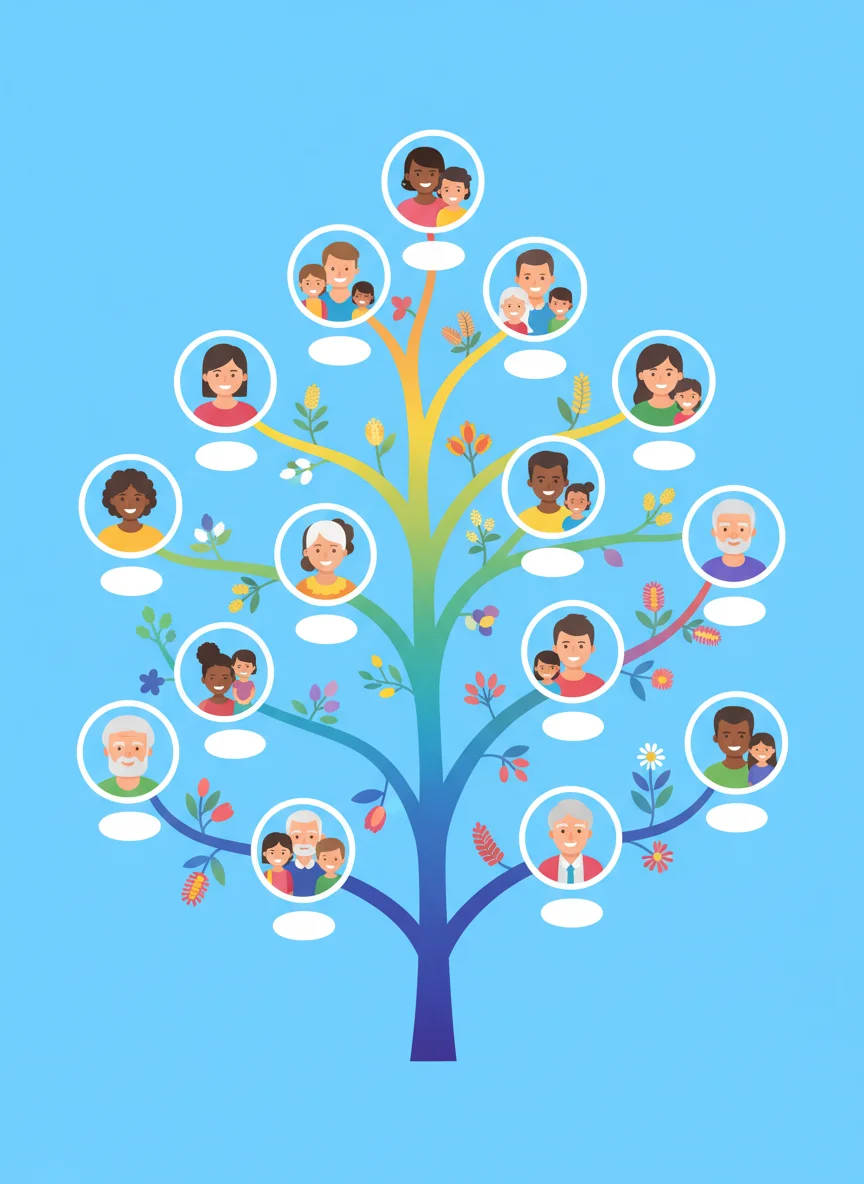
What is a family tree and why do families create them? Name two ways families can show their history. How might a family tree help us understand the past? What information would you include on your family tree? Why is it important to remember family stories?
Learning Intention
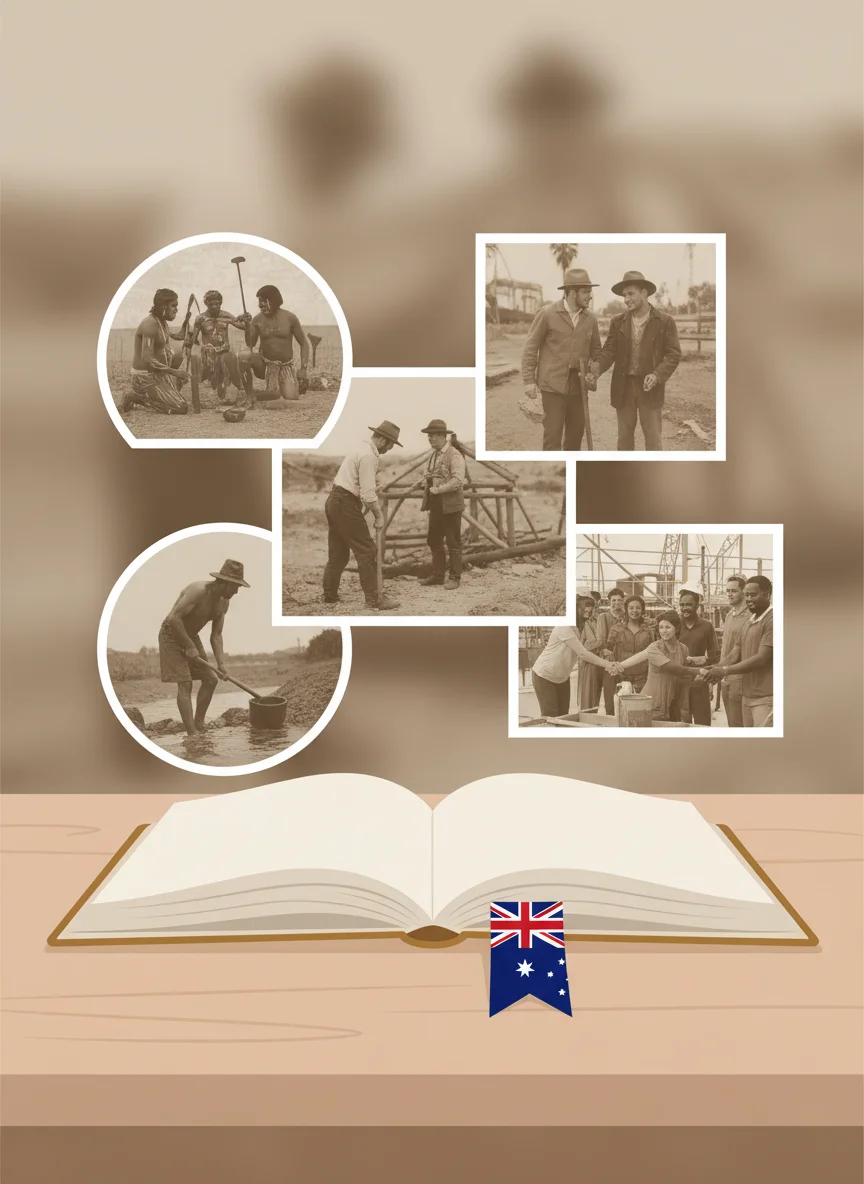
Today we will learn about key events that shaped Australia's history. We will explore frontier conflicts and their consequences. We will discover how different groups contributed to Australia's development. We will understand how these events led to changes in our democracy.

Success Criteria
I can explain what frontier conflicts were and their consequences. I can describe how South Sea Islanders contributed to Australian industries. I can explain how the Eureka Stockade influenced Australian democracy. I can describe how exploration and railways helped farming expand. I can use historical evidence to support my explanations.
Vocabulary: Frontier
Word: Frontier Pronunciation: FRUN-teer Definition: The edge of settled land where it meets unsettled territory. Simple explanation: The border between where people live and wild, unsettled land. Example: The frontier between Aboriginal lands and European settlements. Non-example: The middle of a busy city like Melbourne.
Vocabulary: Massacre
Word: Massacre Pronunciation: MASS-uh-ker Definition: The violent killing of many people, especially those who cannot defend themselves. Simple explanation: When many innocent people are killed unfairly. Example: The Myall Creek Massacre where Aboriginal people were killed. Non-example: A fair fight between two armies in a war.
Vocabulary: Democracy
Word: Democracy Pronunciation: dih-MOK-ruh-see Definition: A system of government where people vote to choose their leaders. Simple explanation: When everyone gets a fair say in how their country is run. Example: Voting for the Prime Minister in Australian elections. Non-example: A king or queen making all decisions without asking people.
I DO: Frontier Conflicts - Setting the Scene
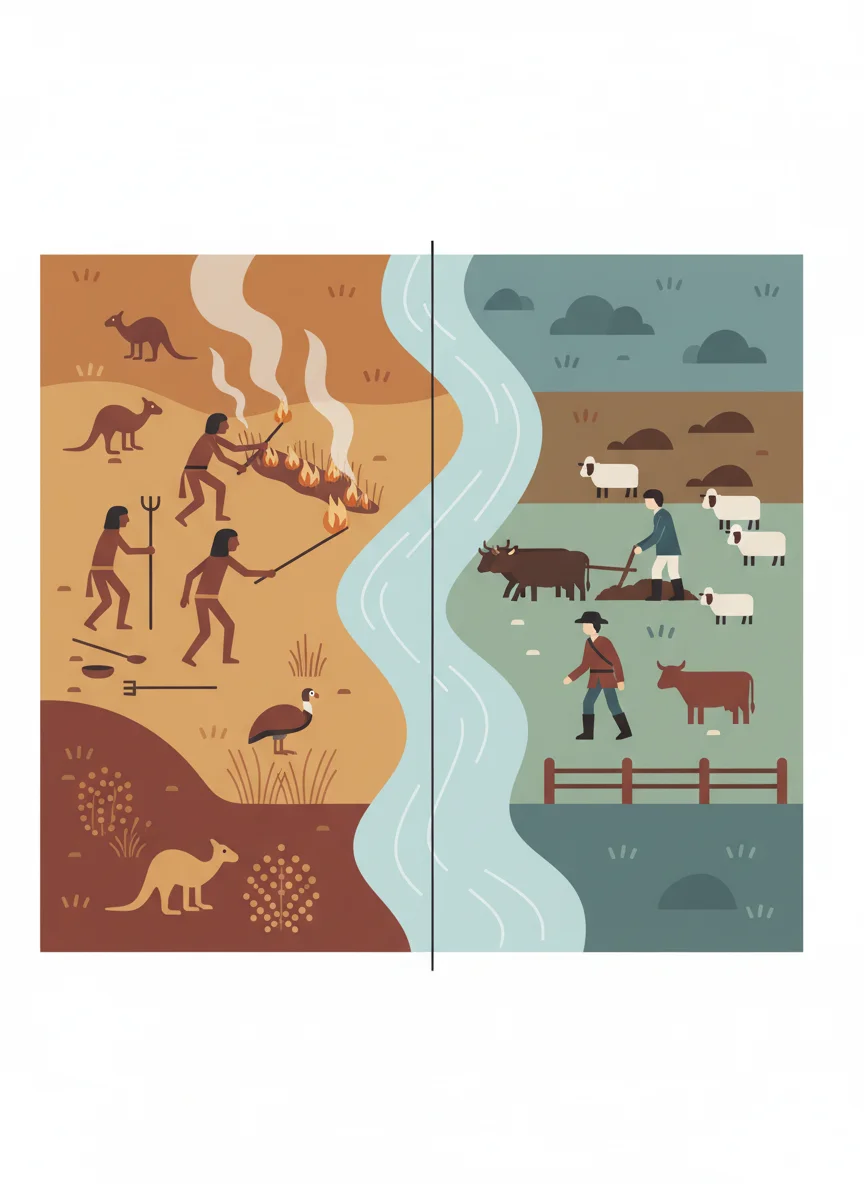
When Europeans arrived in Australia, they wanted land for farming and towns. Aboriginal people had lived on this land for over 60,000 years. Both groups needed the same land for different reasons. This led to conflicts along the frontier. These conflicts had serious consequences for Aboriginal communities.
I DO: The Myall Creek Massacre (1838)
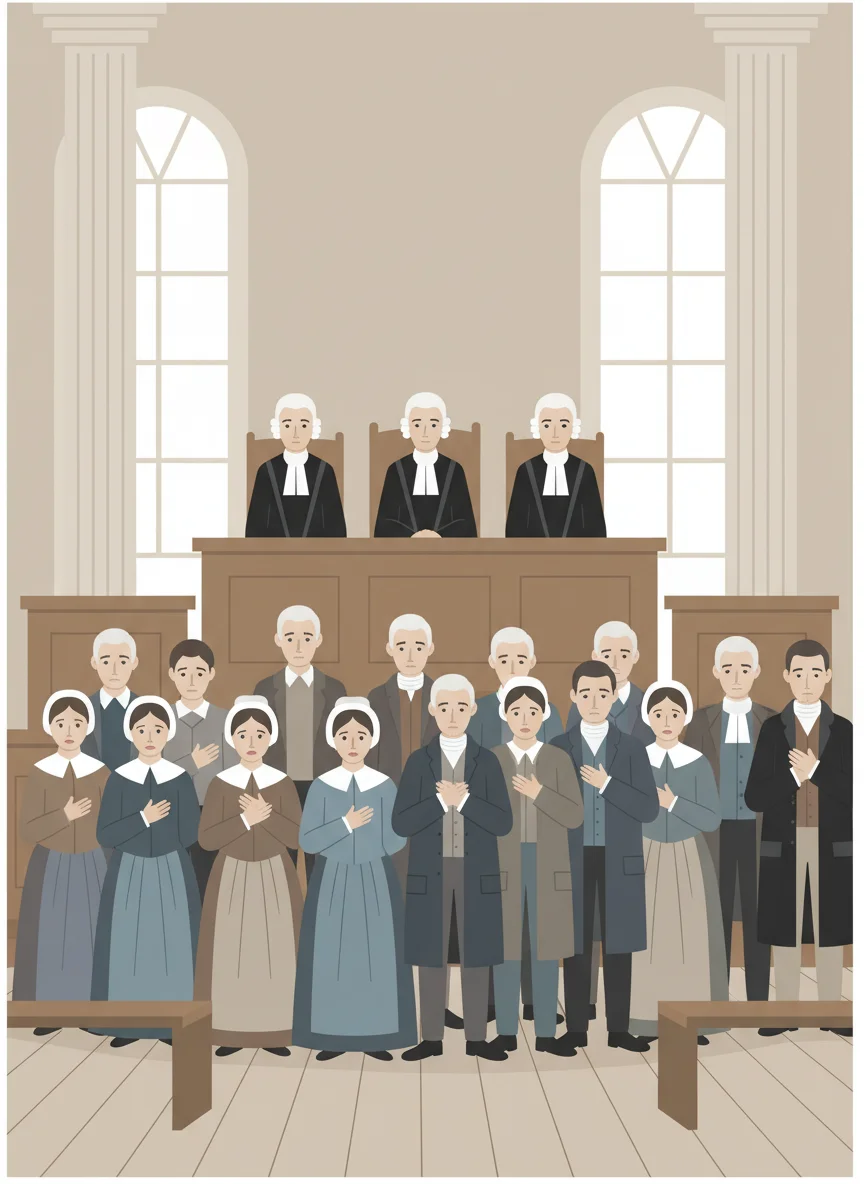
At Myall Creek Station in New South Wales, 28 Aboriginal people were killed. They were mostly women, children and elderly people. Eleven white men were arrested - this was unusual at the time. Seven men were found guilty and executed. This was the first time white settlers were punished for killing Aboriginal people.
I DO: The Pinjarra Massacre (1834)
In Western Australia, conflict arose over land and resources. Governor Stirling led an attack on Binjareb people at Pinjarra. At least 15 Aboriginal people were killed, including women and children. Only one European was wounded. This event showed the unequal nature of frontier conflicts.
I DO: South Sea Islanders in Australia
From 1863-1904, about 62,000 Pacific Islanders came to Australia. Many were 'blackbirded' - tricked or forced to come. They worked on sugar plantations in Queensland. They also worked in the timber industry. Their labour was essential for these industries to succeed.
I DO: The Eureka Stockade (1854)
Gold miners at Ballarat were angry about unfair mining licences. They had to pay expensive fees but couldn't vote. Miners built a stockade (fort) and raised their own flag. Government soldiers attacked the stockade. 22 miners and 6 soldiers died in the fight.
13 more slides available after you open the deck.
Download all 25 slides