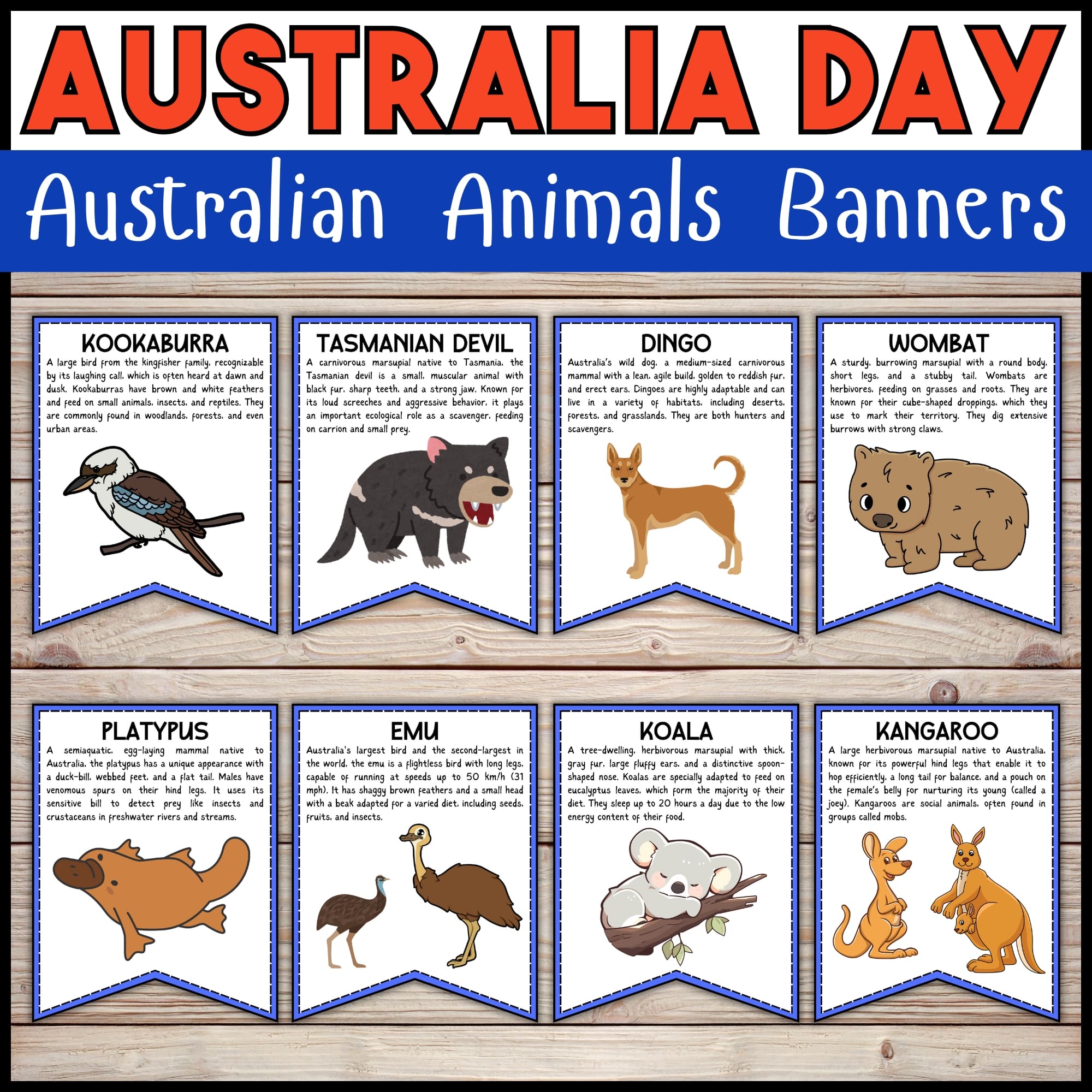
Researching Animals Online Reliably
Year 4 English WALT: Use effective online research techniques Find reliable sources about animals

What Makes a Source Reliable?
Written by experts or organizations Has recent information (not too old) Comes from educational or official websites Shows facts, not just opinions Has clear author information
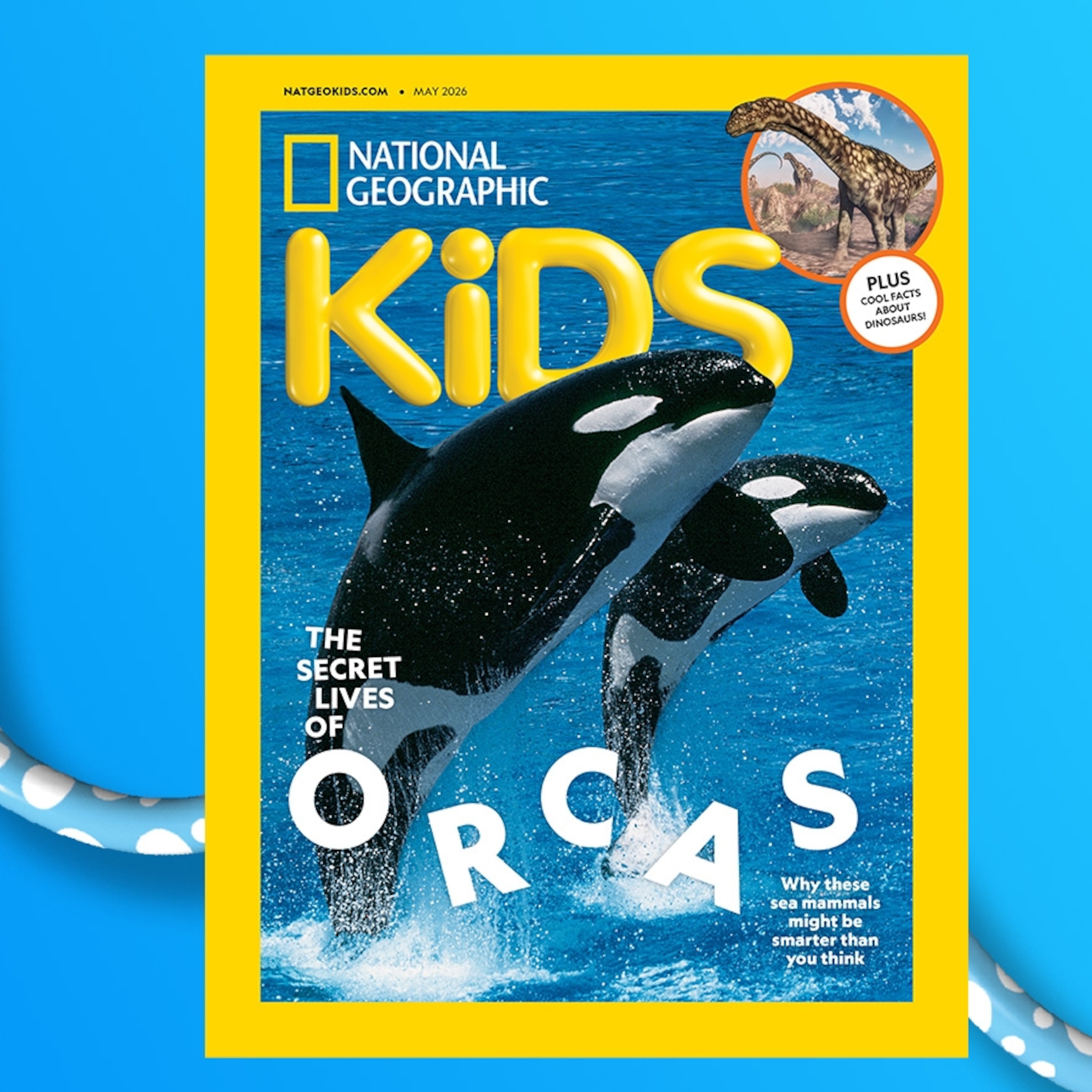
Reliable vs Unreliable Sources
{"left":"National Geographic Kids\nAustralian Museum website\nBBC Nature for Kids\nEncyclopaedia Britannica Kids","right":"Someone's personal blog\nWikipedia (without checking)\nSocial media posts\nWebsites with lots of advertisements"}

Spot the Reliable Source Game
Look at each website screenshot Decide: Reliable or Unreliable? Explain your reasoning Work with a partner to discuss
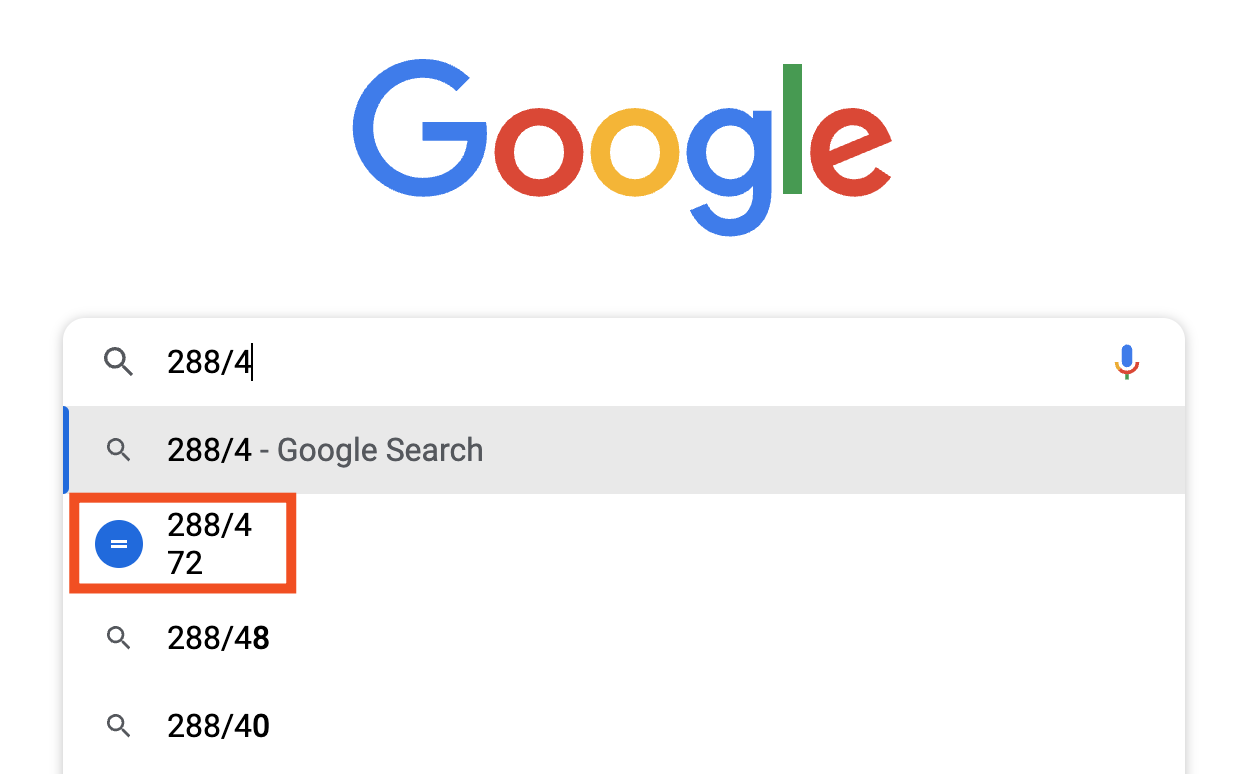
Smart Search Strategies
Use specific animal names in your search Try different keywords if you don't find what you need Look for websites ending in .edu, .org, or .gov Skip websites with too many ads Use our approved website list first
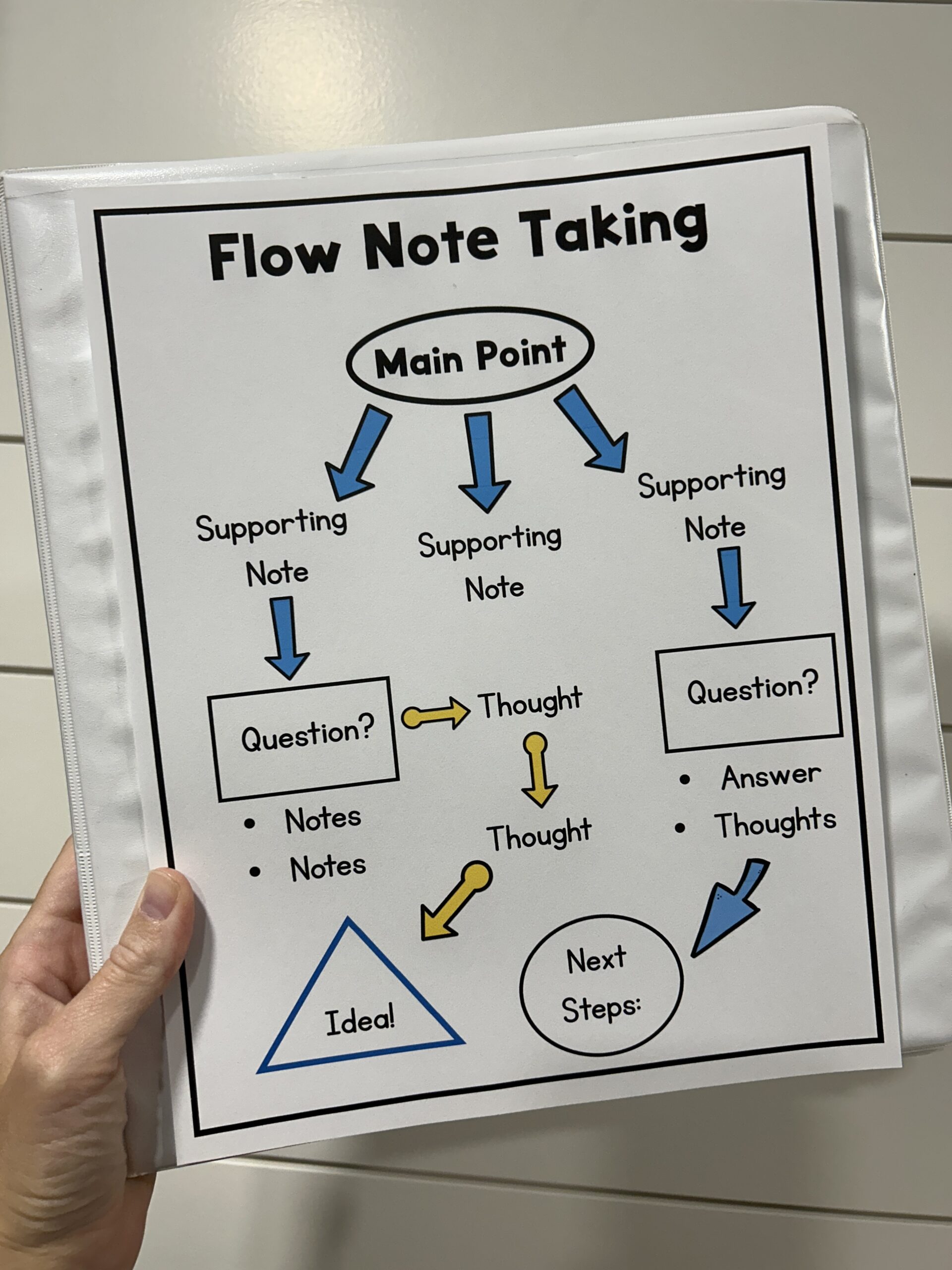
Taking Good Research Notes
Write facts in your own words when possible Use bullet points for easy reading Write where you found the information Check: Is this a fact or an opinion? Keep notes short and clear

Think and Share
What is one reliable website you could use to research animals? How can you tell if information is a fact or an opinion? What should you do if you can't find information about your animal?

Success Criteria - You Can Do It!
Navigate safely to find animal facts Recognize reliable information sources Record at least 3 facts about your animal Tell the difference between facts and opinions Use your research notes for your animal report