
Reproduction: Plants, Animals, and Survival
Year 10 Science Understanding reproductive structures and functions Victorian Curriculum aligned

What do you already know?
Think about reproduction in nature What structures help organisms reproduce? How do plants and animals ensure species survival?

Plant Reproductive Structures
Flowers contain male and female parts Stamens produce pollen (male gametes) Carpels contain ovules (female gametes) Pollination transfers pollen to carpels

Animal Reproductive Structures
Male reproductive organs produce sperm Female reproductive organs produce eggs Fertilization creates new organisms Different animals have varied reproductive strategies
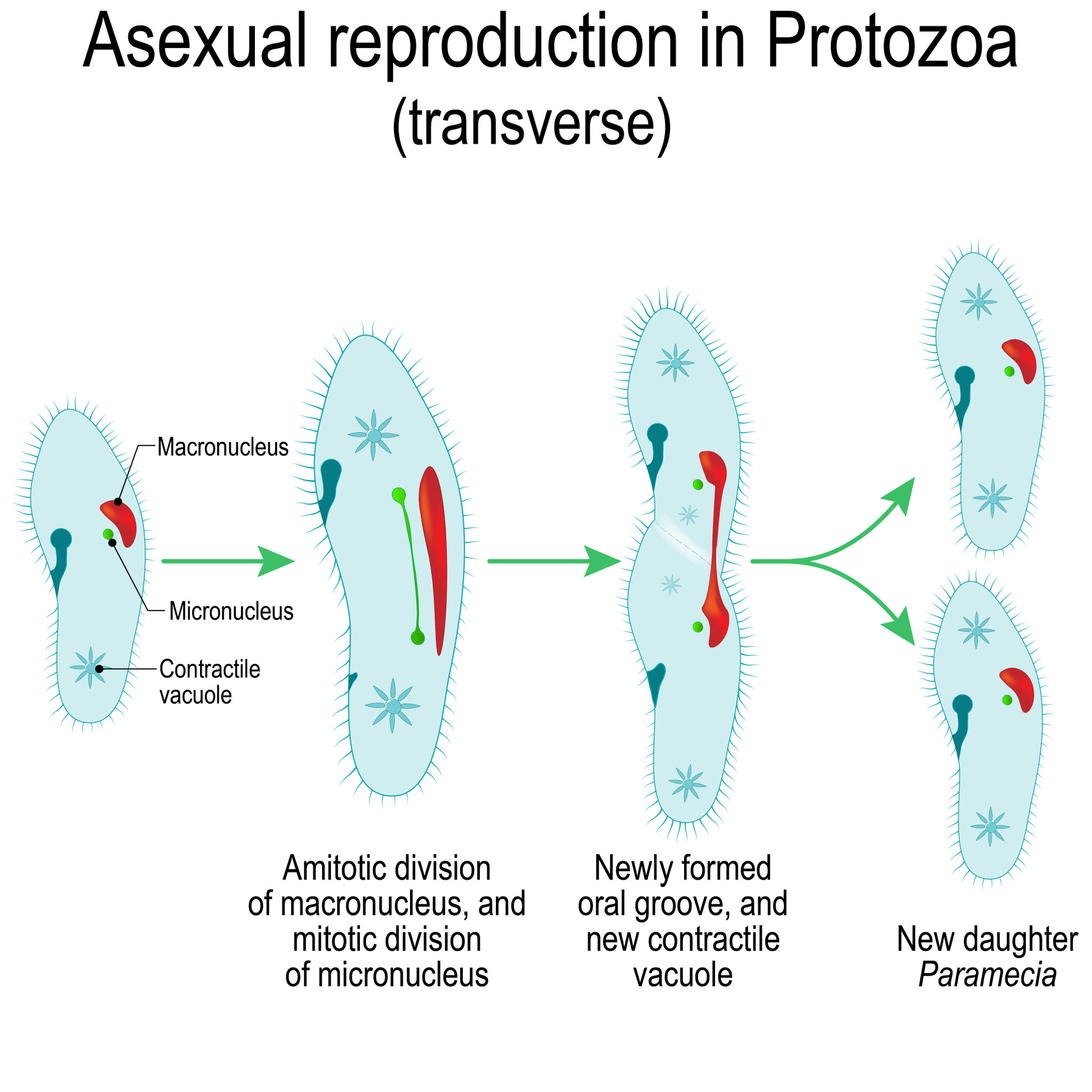
Sexual vs Asexual Reproduction
{"left":"Sexual reproduction involves two parents\nGenetic variation in offspring\nSlower reproductive rate\nBetter adaptation to environmental changes","right":"Asexual reproduction involves one parent\nIdentical offspring (clones)\nFaster reproductive rate\nLess genetic diversity"}

Reproductive Strategies Timeline

Model Creation Challenge
Choose a plant or animal reproductive system Create a labeled model or diagram Explain how your chosen organism reproduces Present your model to demonstrate understanding

Key Takeaway
Reproduction ensures species survival through the transfer of genetic information from one generation to the next, whether through sexual diversity or asexual efficiency.