
Recycled Marine Sculpture Techniques
Year 9 Visual Arts Coastal Conservation Art Journey Lesson 7 of 20
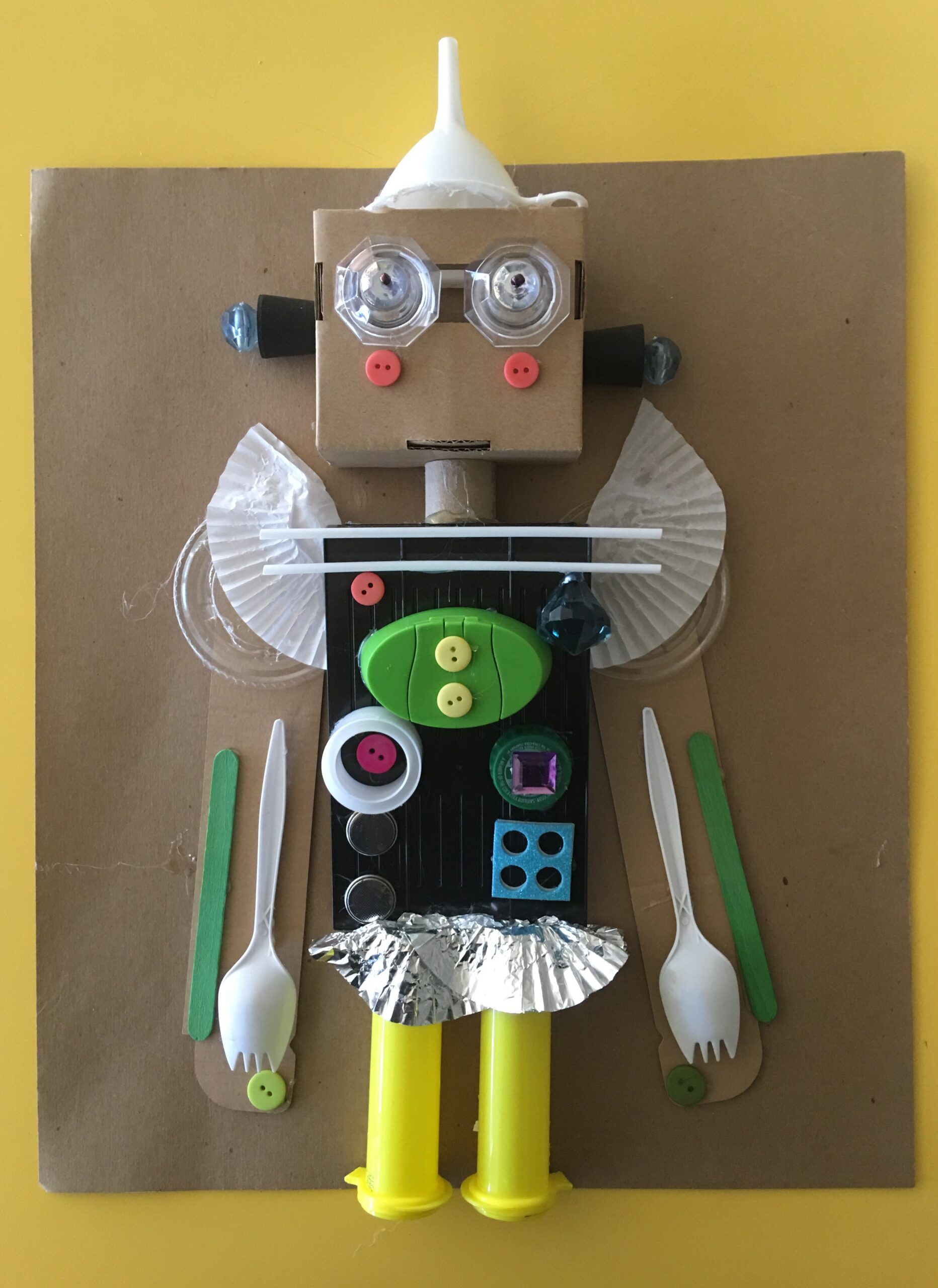
Why Recycled Materials?
Reduces waste in our oceans and landfills Gives new life to discarded materials Connects art-making to environmental responsibility Challenges us to be creative with limited resources Reflects the reality of marine pollution

Three Key Sculpture Techniques
Assemblage - joining found objects together Modelling - shaping pliable materials like papier-mâché Binding - using wire, string, or tape to hold components Each technique offers different creative possibilities Safety first - proper tool handling

Marine Animal Inspiration
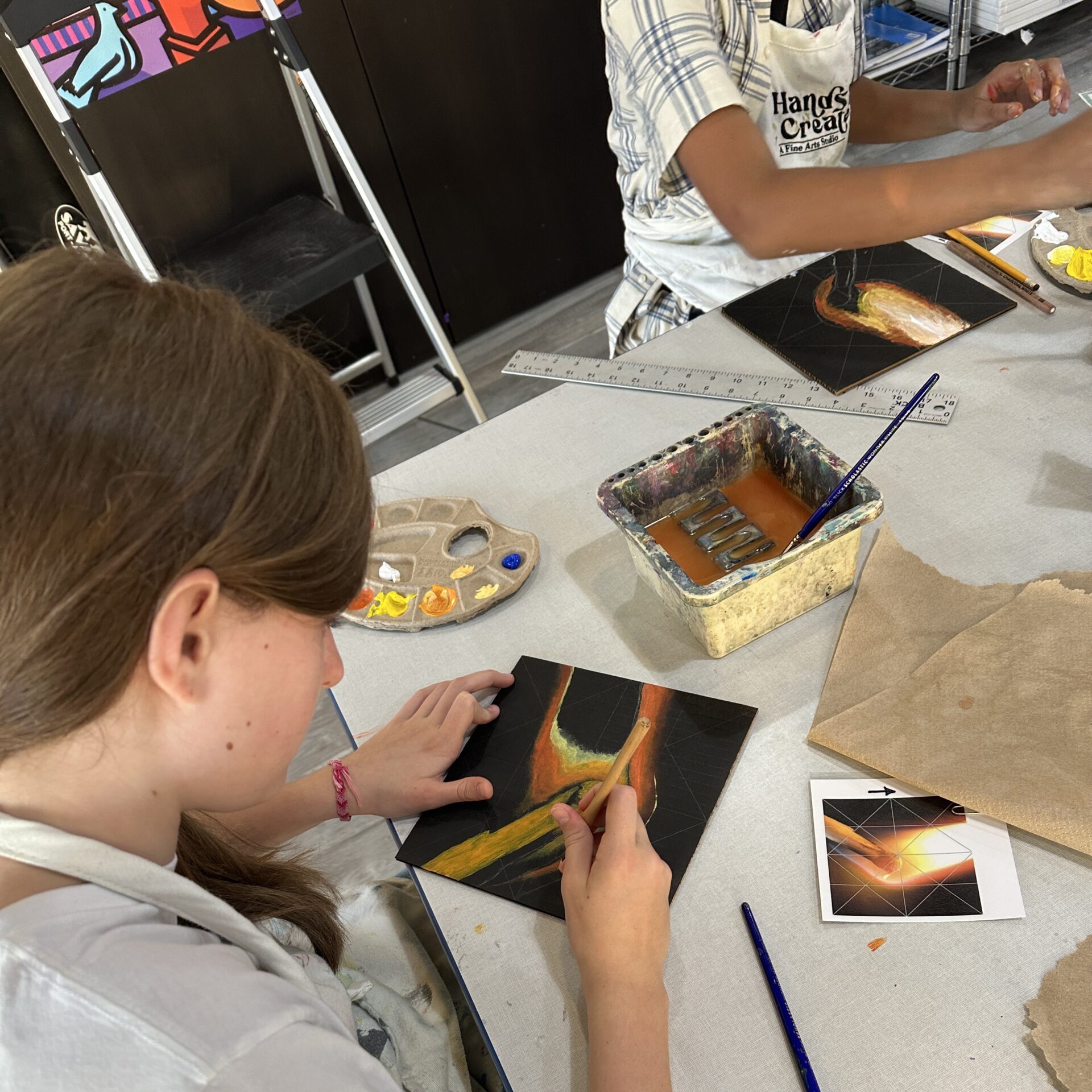
Hands-On Practice Time
Work individually or in pairs Experiment with all three techniques Create simple forms inspired by marine features Focus on process, not perfection Ask for help when needed
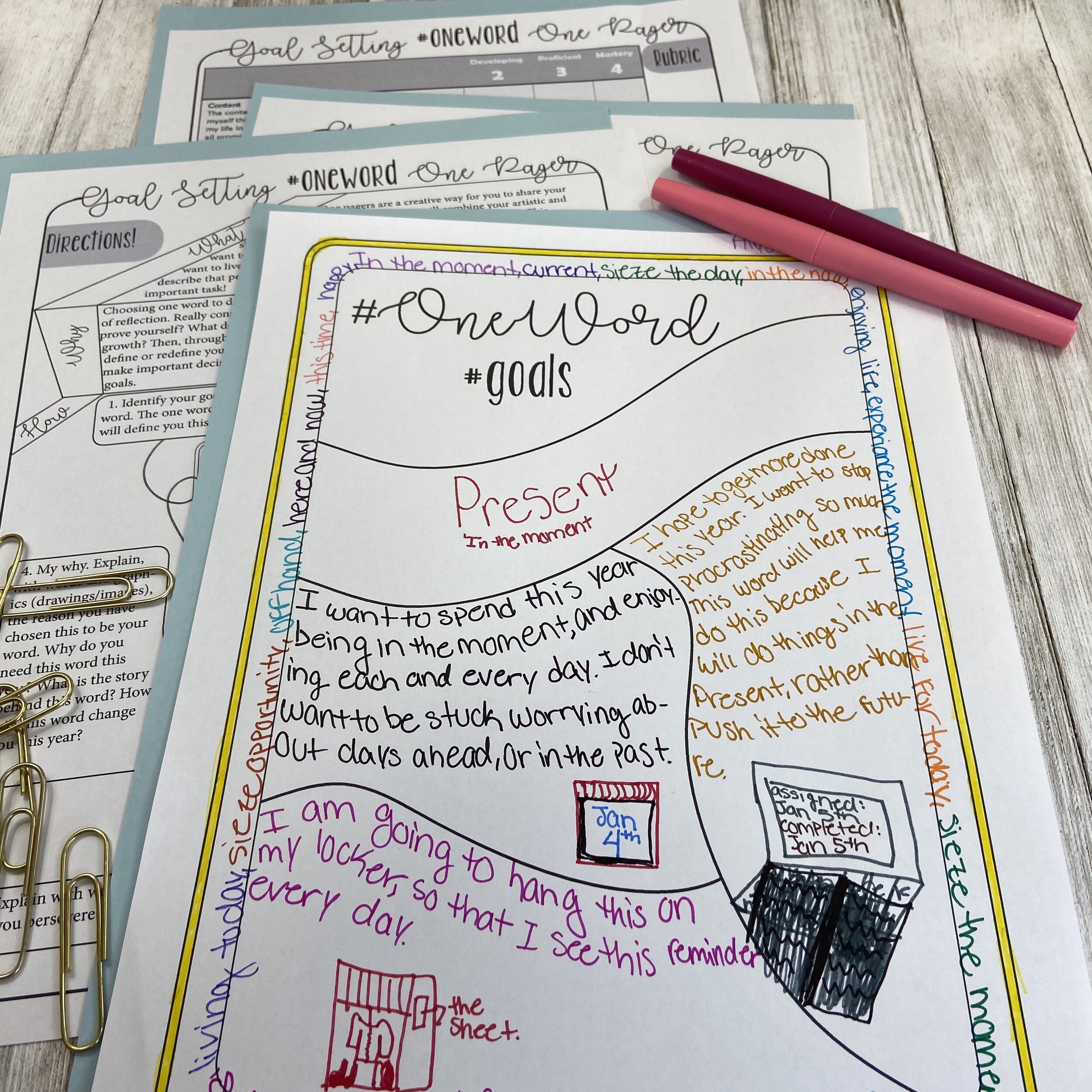
Reflection Questions
What did you find easiest or hardest about each technique? How did working with recycled materials change your creative process? Which marine animal features work best with which techniques? How might these skills help communicate coastal conservation messages?

Technique Applications for Marine Sculptures
{"left":"Assemblage: turtle shells from bottle caps, fish scales from plastic containers, coral structures from cardboard tubes\nModelling: smooth dolphin bodies, jellyfish bells, octopus tentacles","right":"Binding: seahorse tails, fish fins, seaweed fronds, complex multi-part creatures"}

Next Steps & Reflection
You've learned three foundational sculpture techniques Next lesson: designing your marine animal sculpture Keep thinking about sustainability and ocean conservation Remember our school values: Respect, Integrity, Creativity, Excellence, Community Your art can make a difference!