Poetry Through the Ages: Traditional to Experimental
Exploring the Evolution of Poetic Forms From Classical Traditions to Modern Innovation Year 9 English
What is Poetry?
Literary art form using language for aesthetic and emotional effect Employs rhythm, sound, and meaning Expresses feelings, ideas, and experiences Can follow strict rules or break all conventions
Traditional Poetry: The Foundation
Follows established forms and structures Includes sonnets, ballads, odes, and epic poems Often uses regular meter and rhyme schemes Draws from cultural and historical traditions
The Sonnet: A Perfect Example
14 lines with specific rhyme scheme Shakespearean: ABAB CDCD EFEF GG Petrarchan: ABBAABBA CDECDE (or CDCDCD) Explores themes of love, beauty, mortality
Traditional Poetry in Action
'Shall I compare thee to a summer's day? / Thou art more lovely and more temperate...' - William Shakespeare, Sonnet 18
Identify the Pattern
Read the poem excerpt Mark the rhyme scheme (ABAB, AABB, etc.) Count the syllables per line Identify the meter (if regular)
The Romantic Revolution
Emphasis on emotion and individual experience Nature as inspiration and spiritual guide Rejection of strict classical rules Poets: Wordsworth, Coleridge, Byron, Shelley
Modern Poetry Emerges
Early 20th century transformation Free verse becomes popular Focus on everyday language and subjects Influenced by World Wars and social change
Traditional vs. Modern Poetry
{"left":"Fixed forms and structures\nRegular meter and rhyme\nFormal language\nClassical themes","right":"Free verse forms\nIrregular or no rhyme\nEveryday language\nContemporary subjects"}
Contemporary Poetry Today
Diverse voices and perspectives Blends traditional and experimental techniques Addresses current social issues Includes spoken word and performance poetry
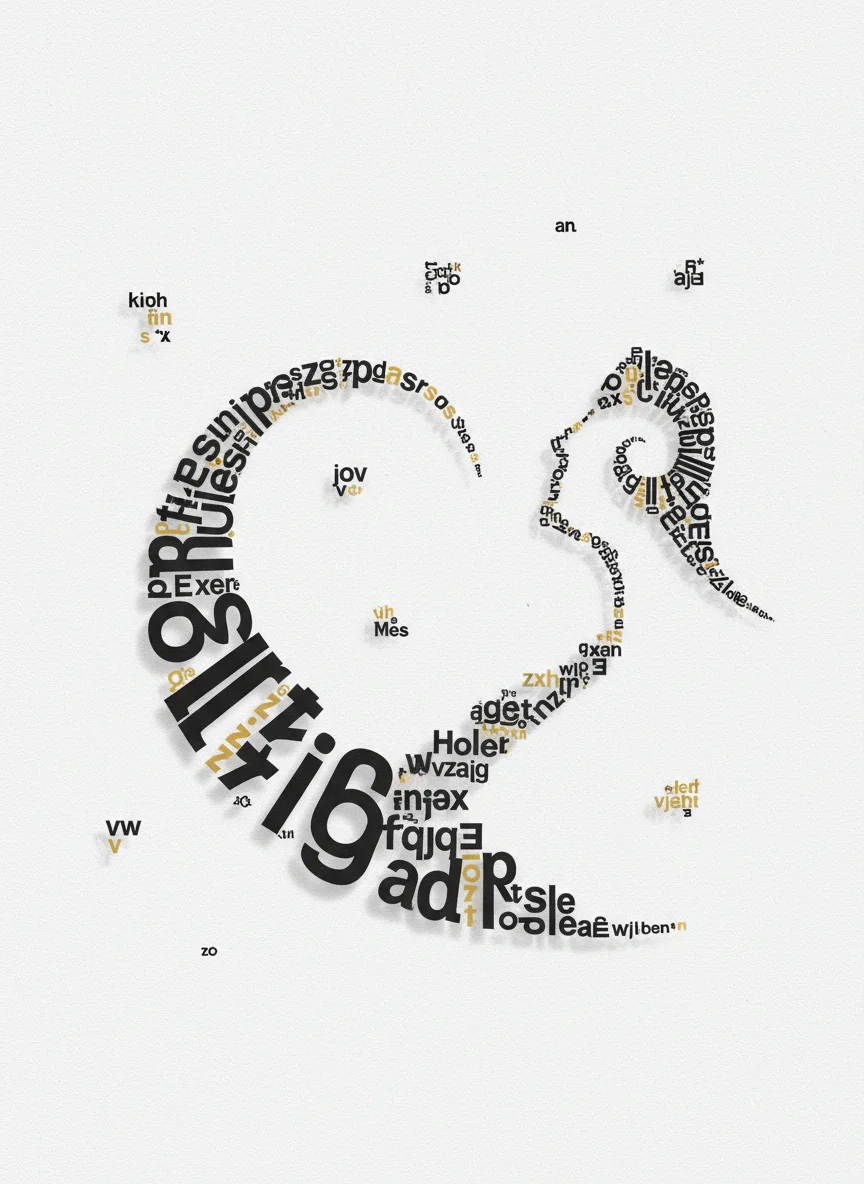
Experimental Poetry: Breaking All Rules
Visual poetry and concrete poems Found poetry using existing texts Digital and multimedia poetry Abandons traditional grammar and syntax
Think and Discuss
Why might poets choose to break traditional rules? What can experimental poetry express that traditional forms cannot? Is a poem still a poem if it doesn't rhyme or follow patterns?
2 more slides available after you open the deck.
Download all 14 slides